Watering my Horse
by a Spring
at the Foot of the Long Wall
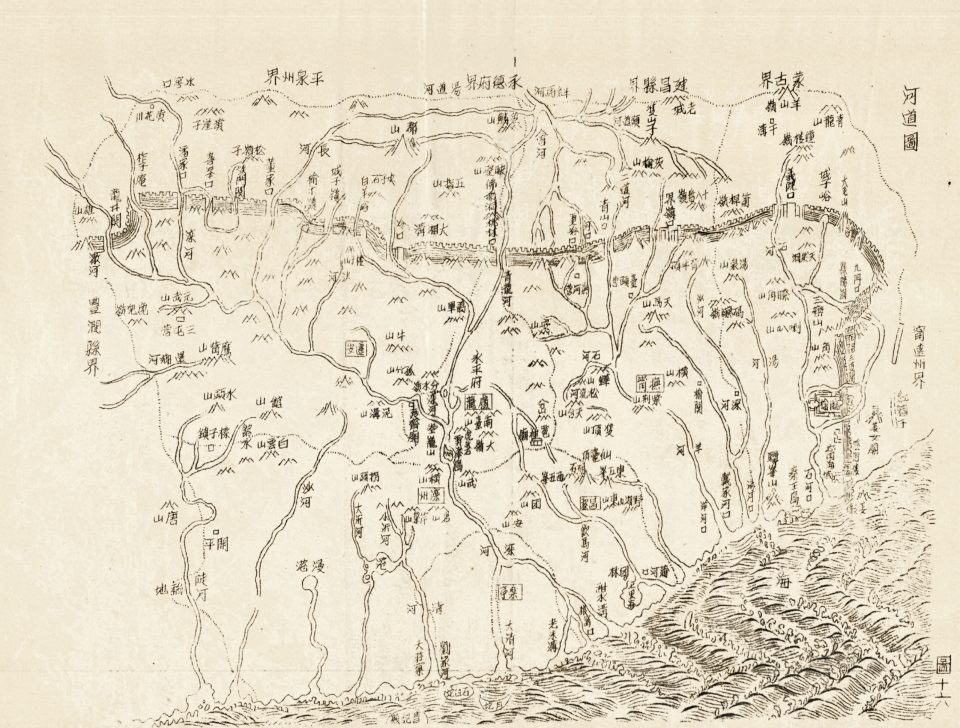
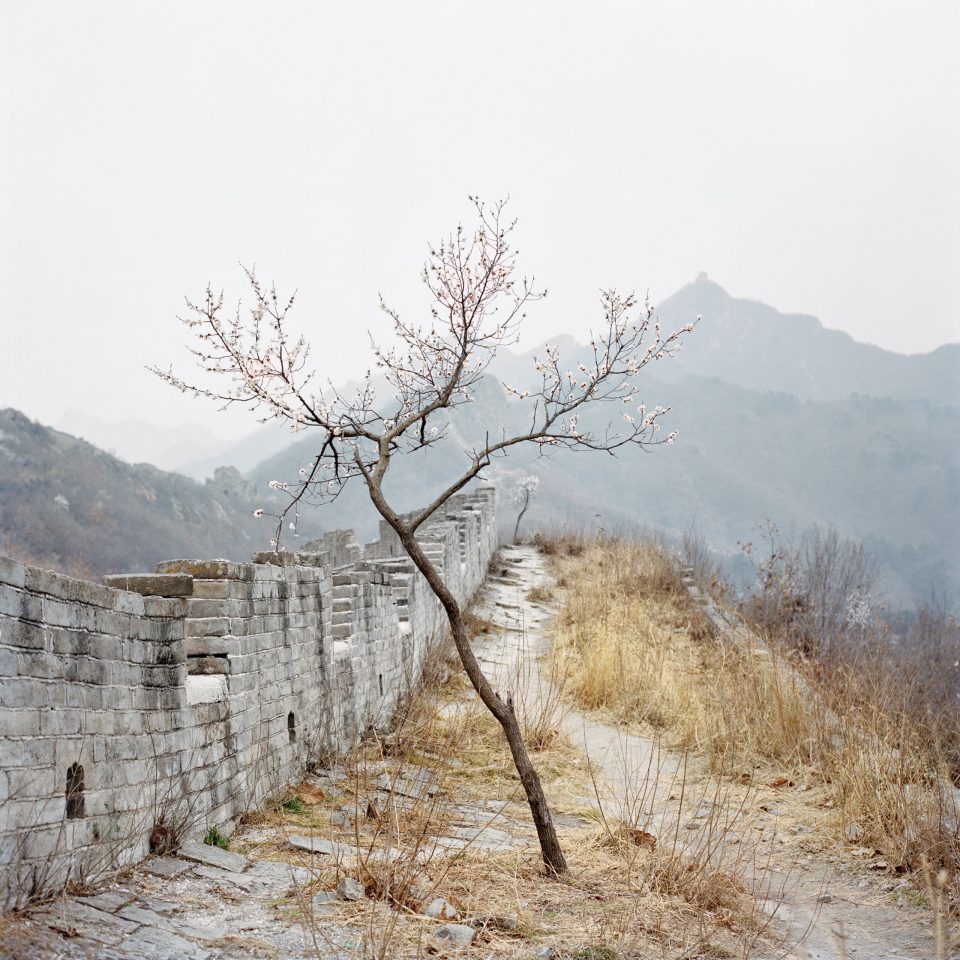
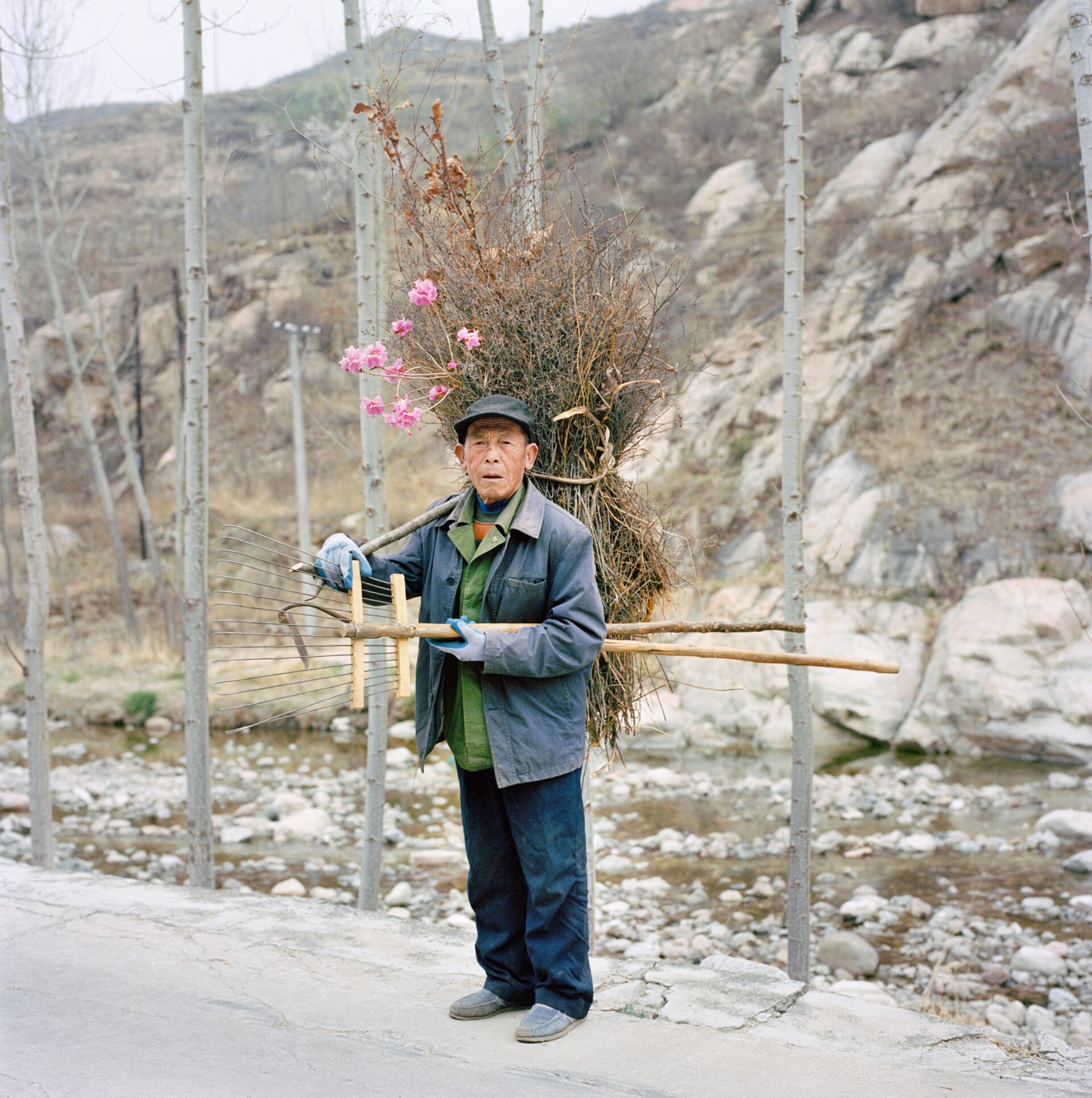
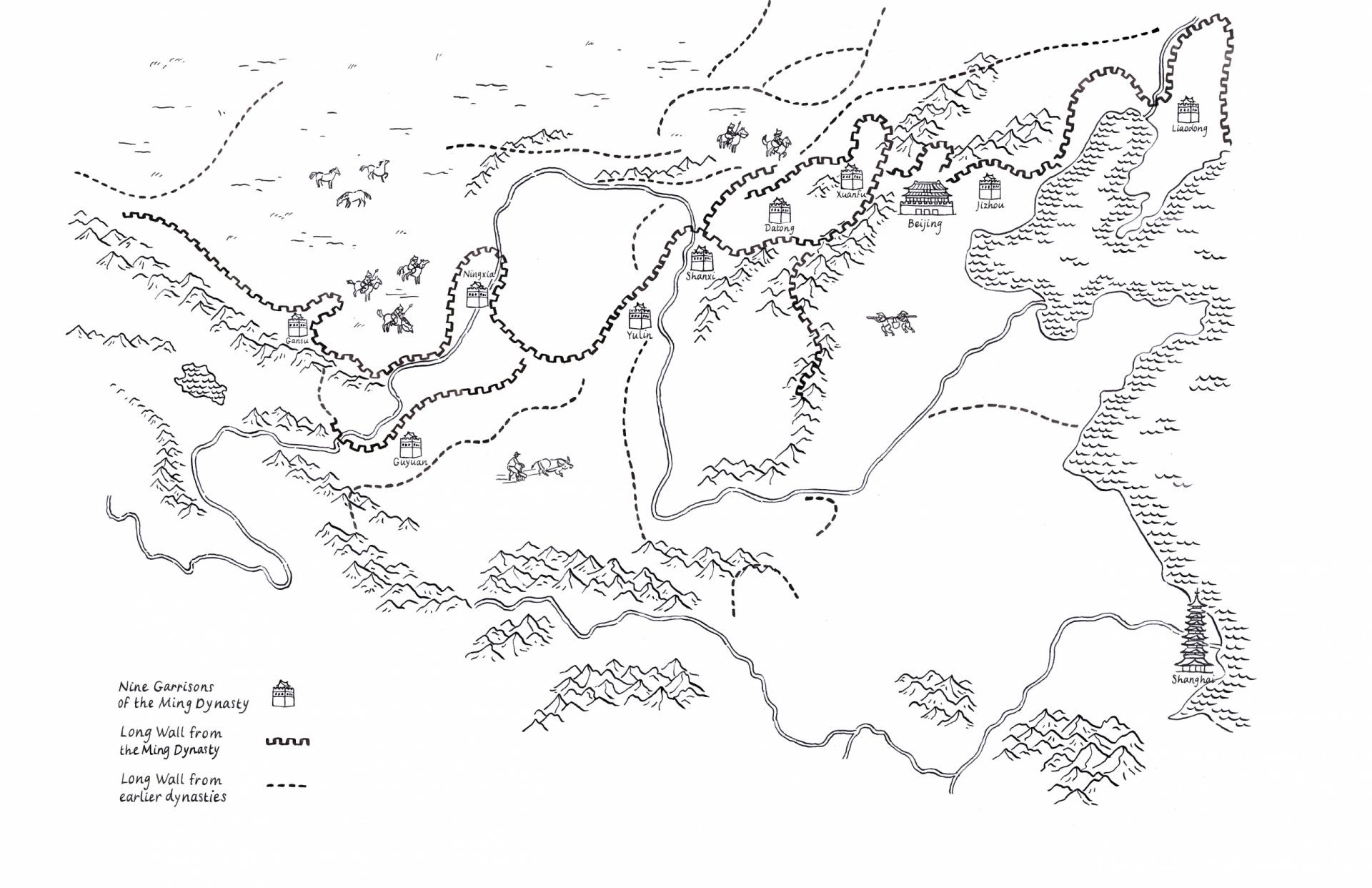
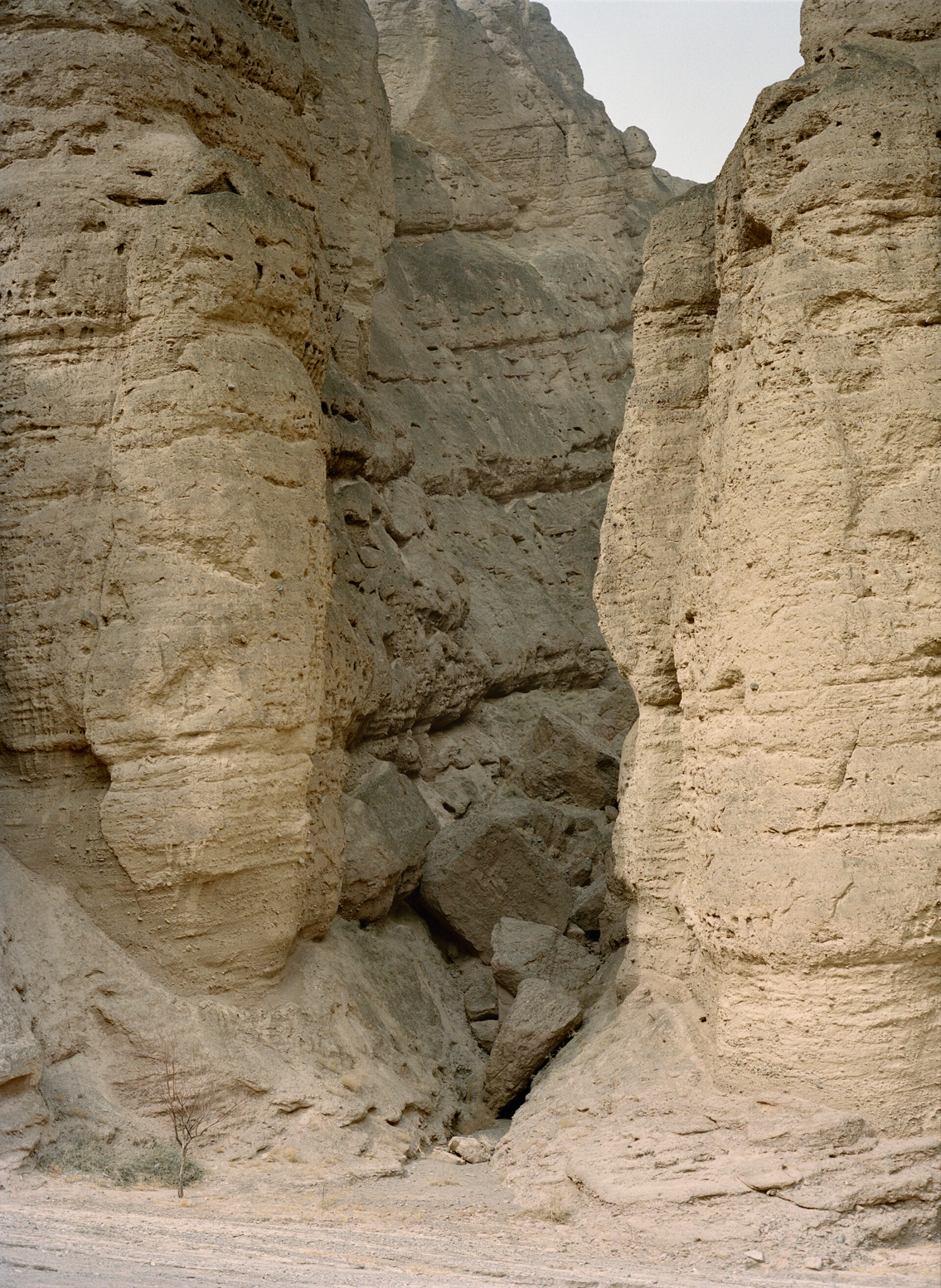
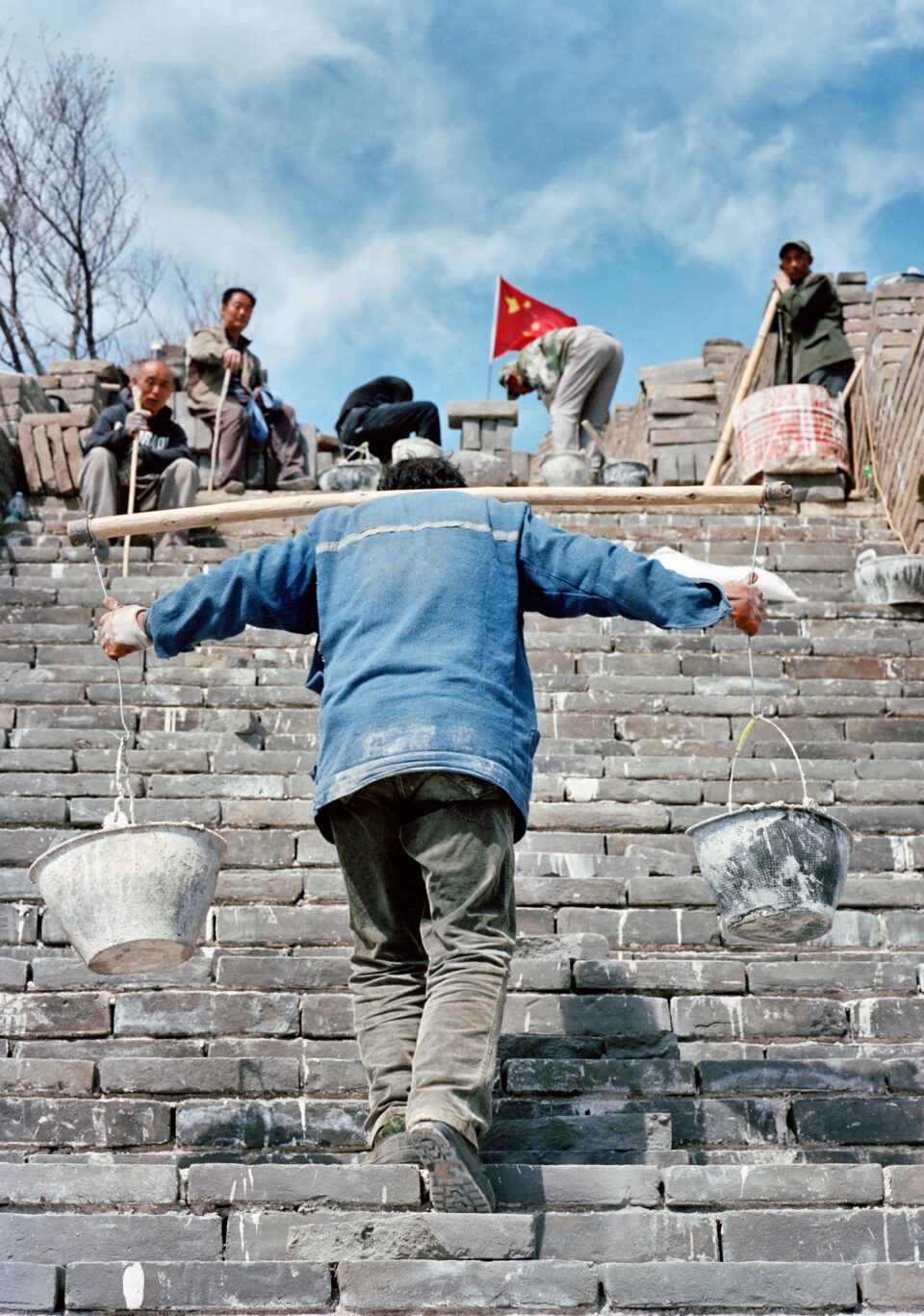
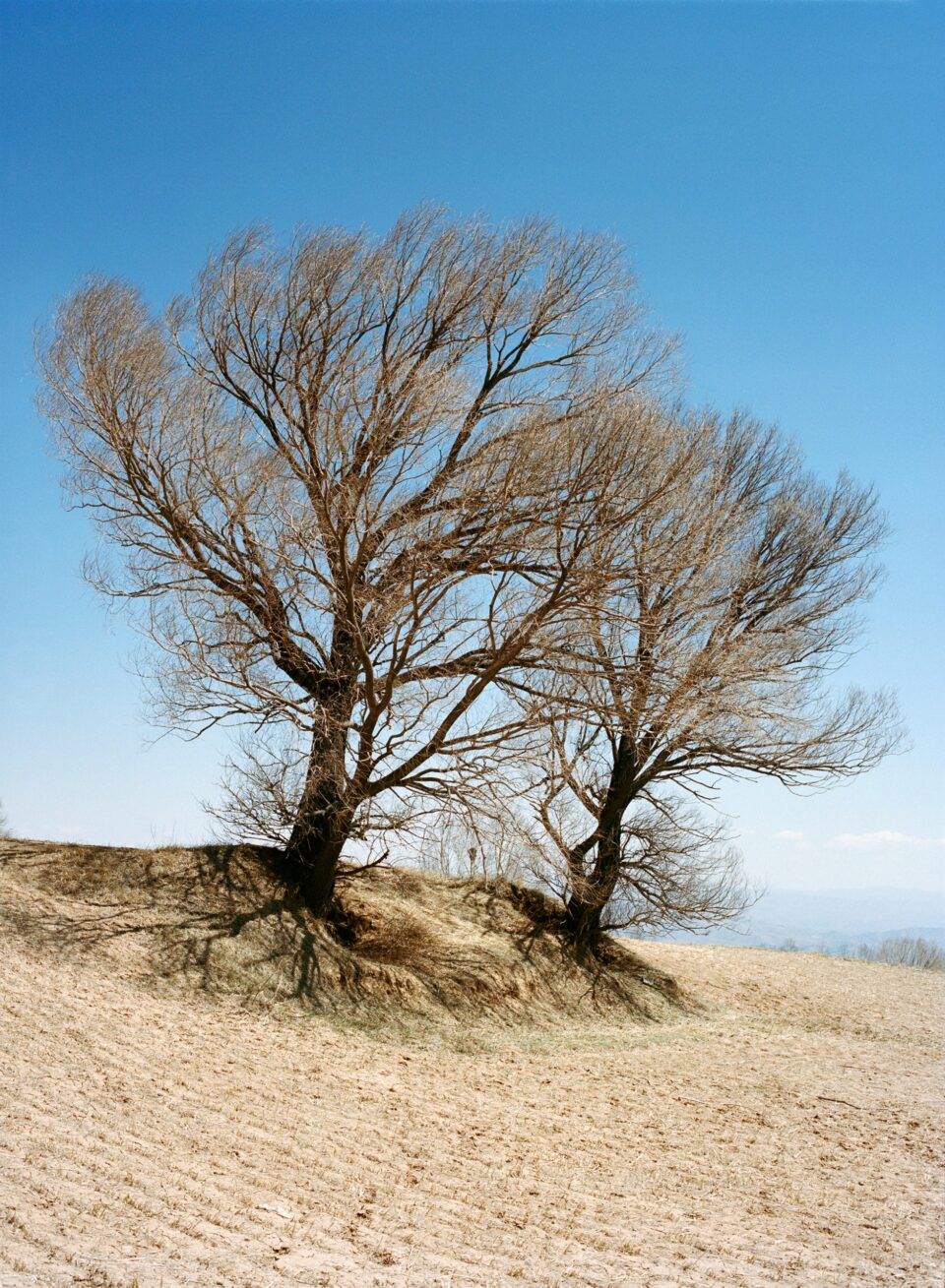
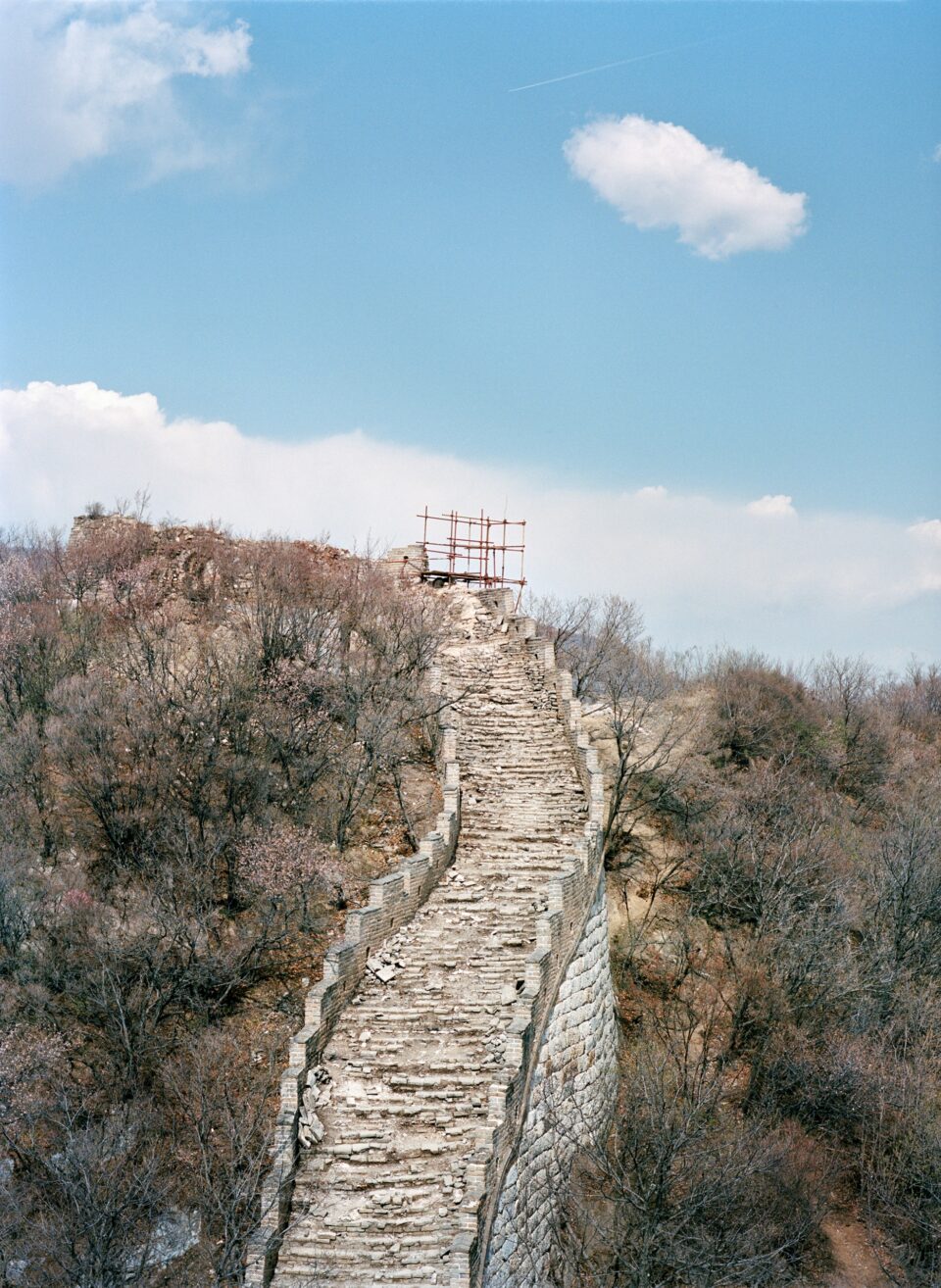
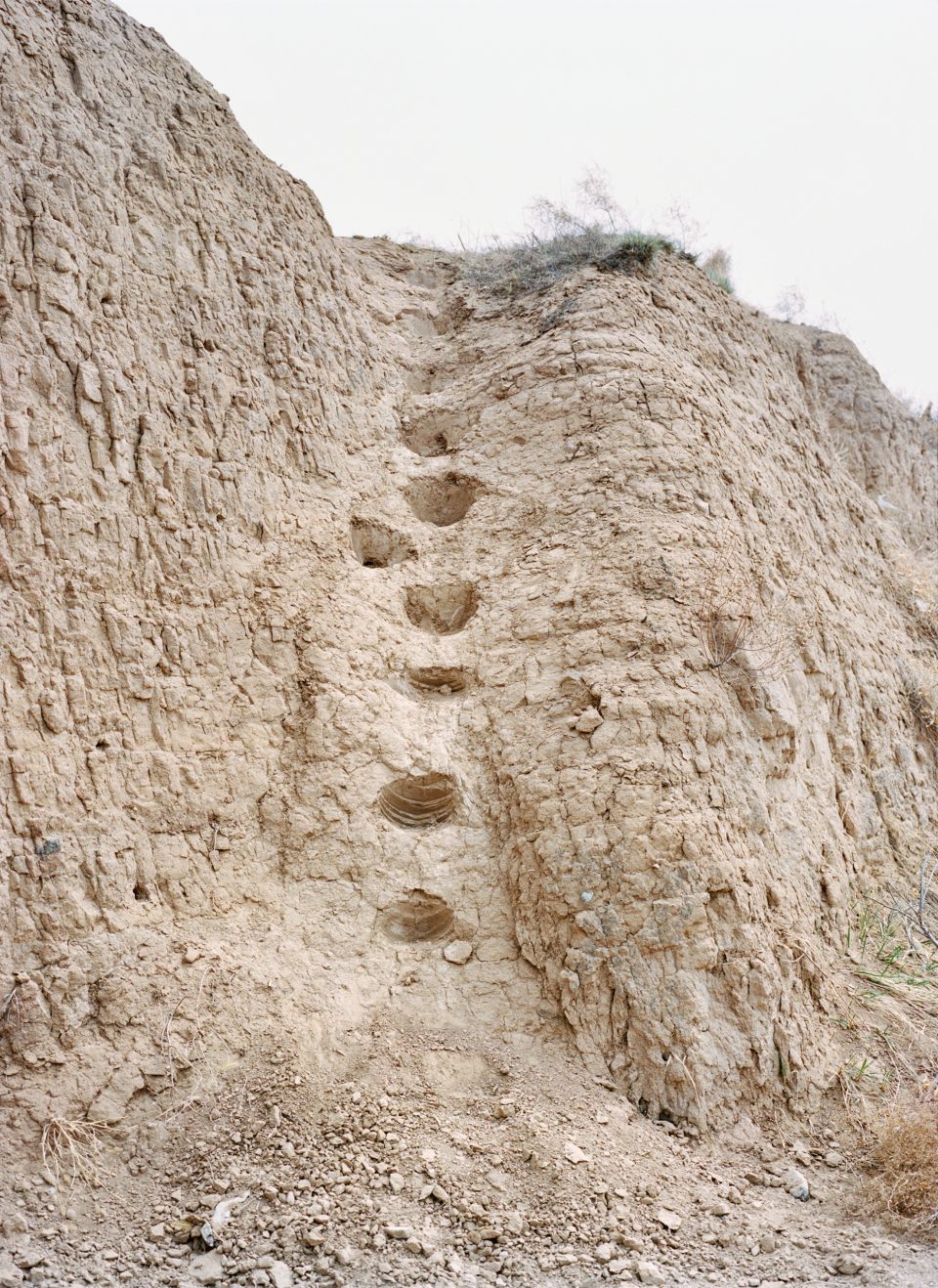
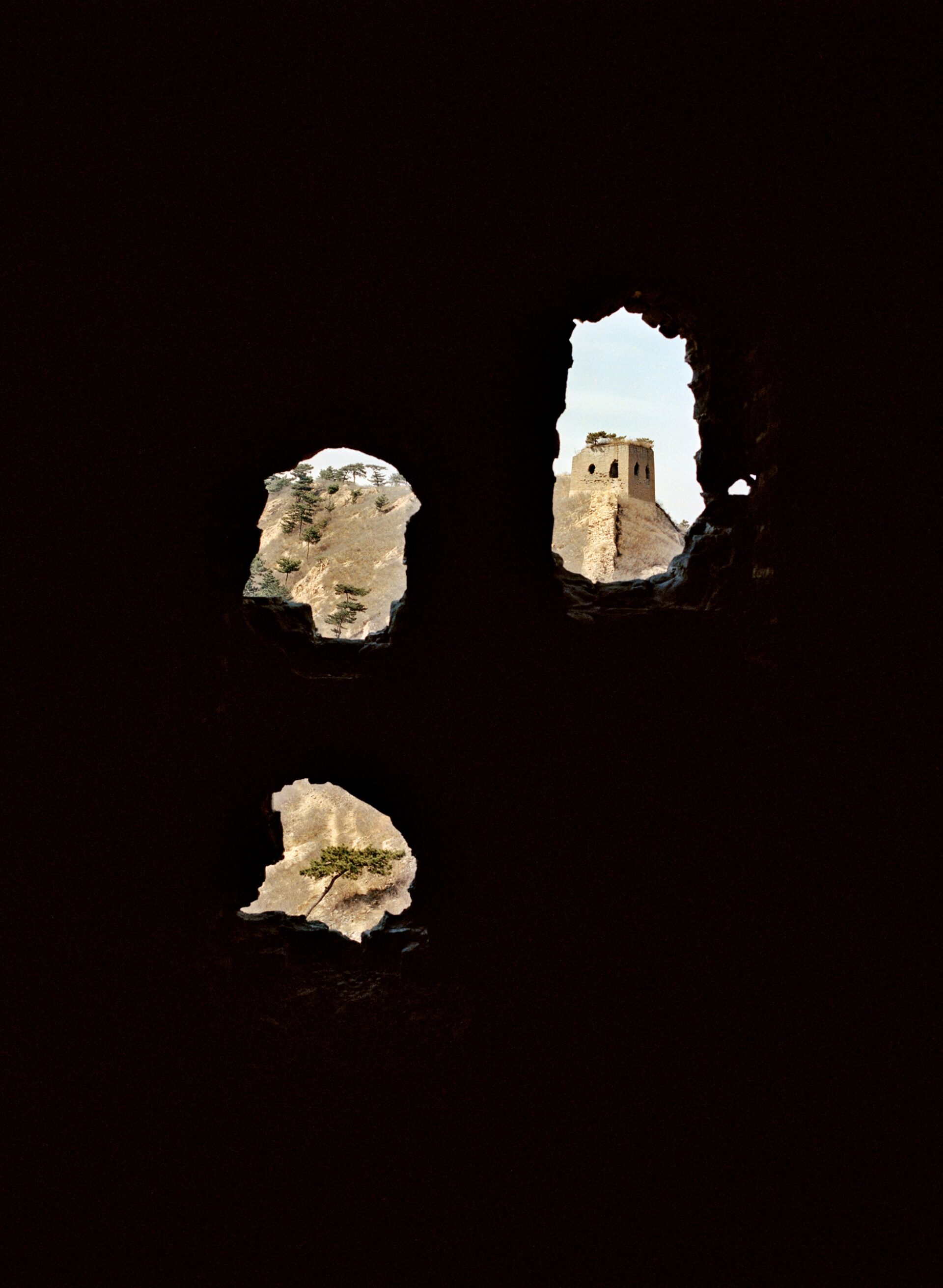
Watering My Horse by a Spring at the Foot of the Long Wall follows life along lesser-known sections of the Great Wall of China. Over a 25,000-kilometre journey, I travelled westward from Shanhaiguan Pass on the Bohai coast to Jiayuguan Pass at the edge of the Gobi, crossing the steep mountains around Beijing and Hebei, the Loess Plateau and increasingly arid landscapes farther west. The Wall changed with the terrain: from the monumental stone fortifications around Beijing to stretches of rammed earth in Ningxia and Gansu that almost disappear into the surrounding landscape.
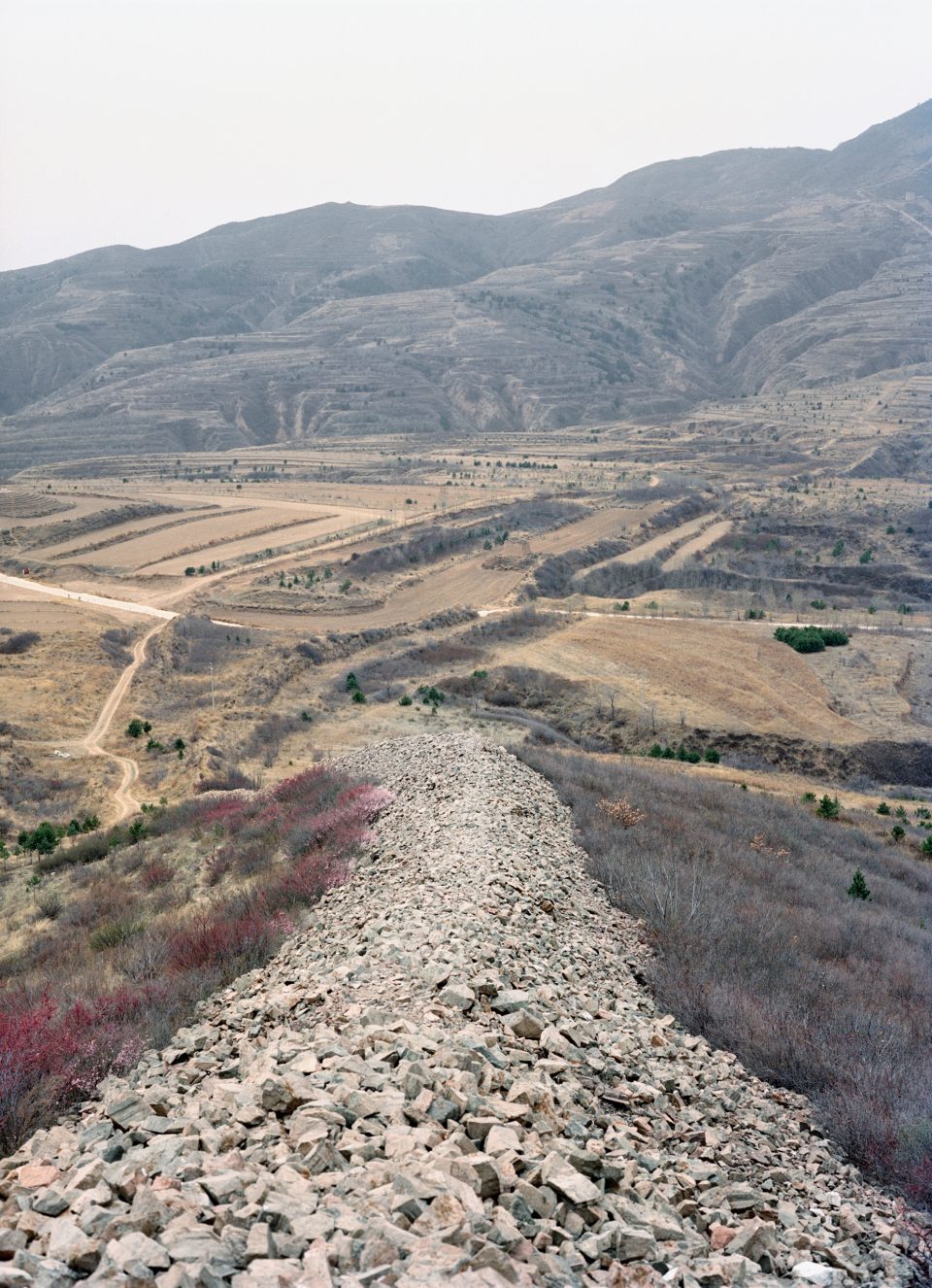
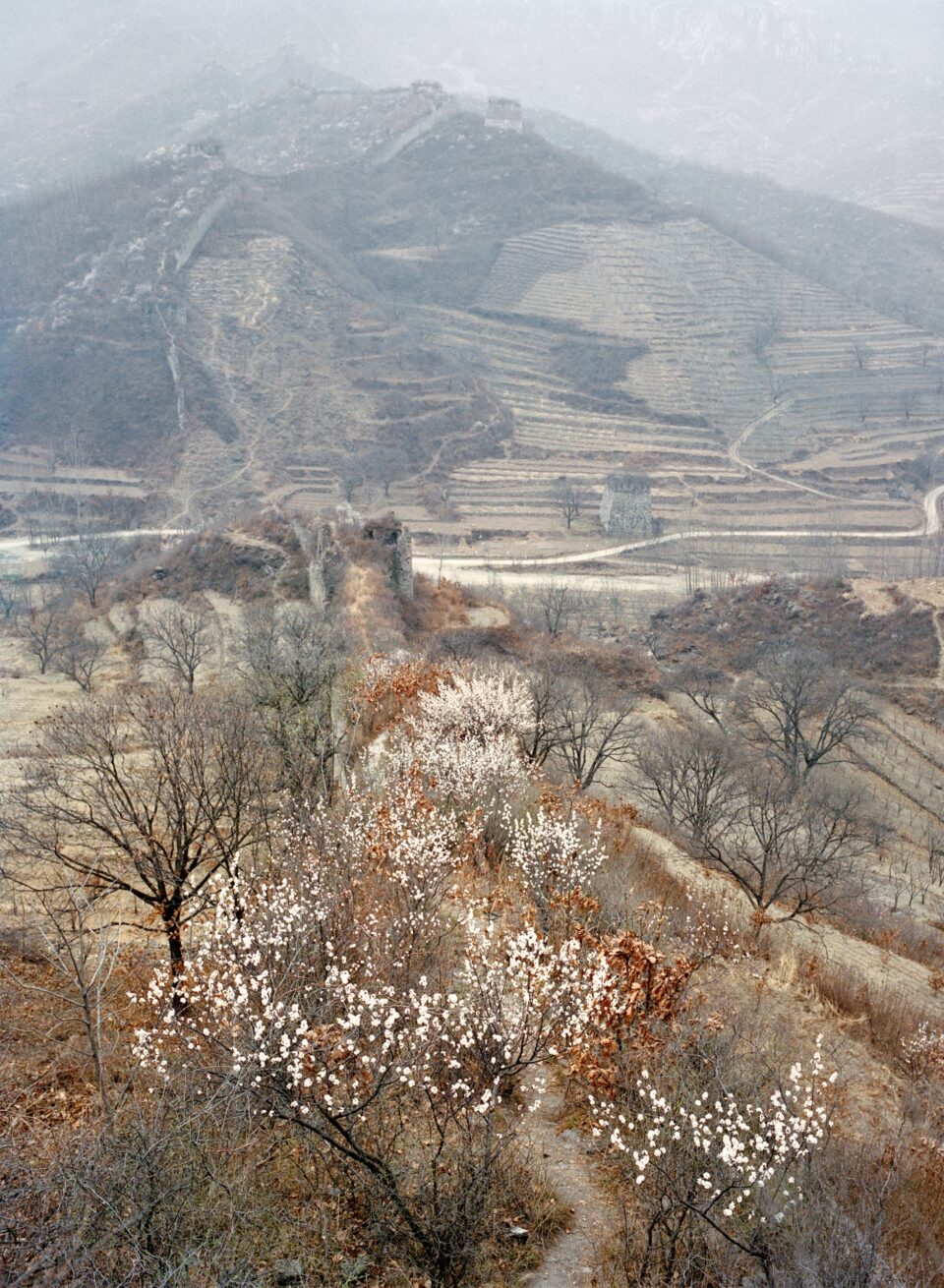
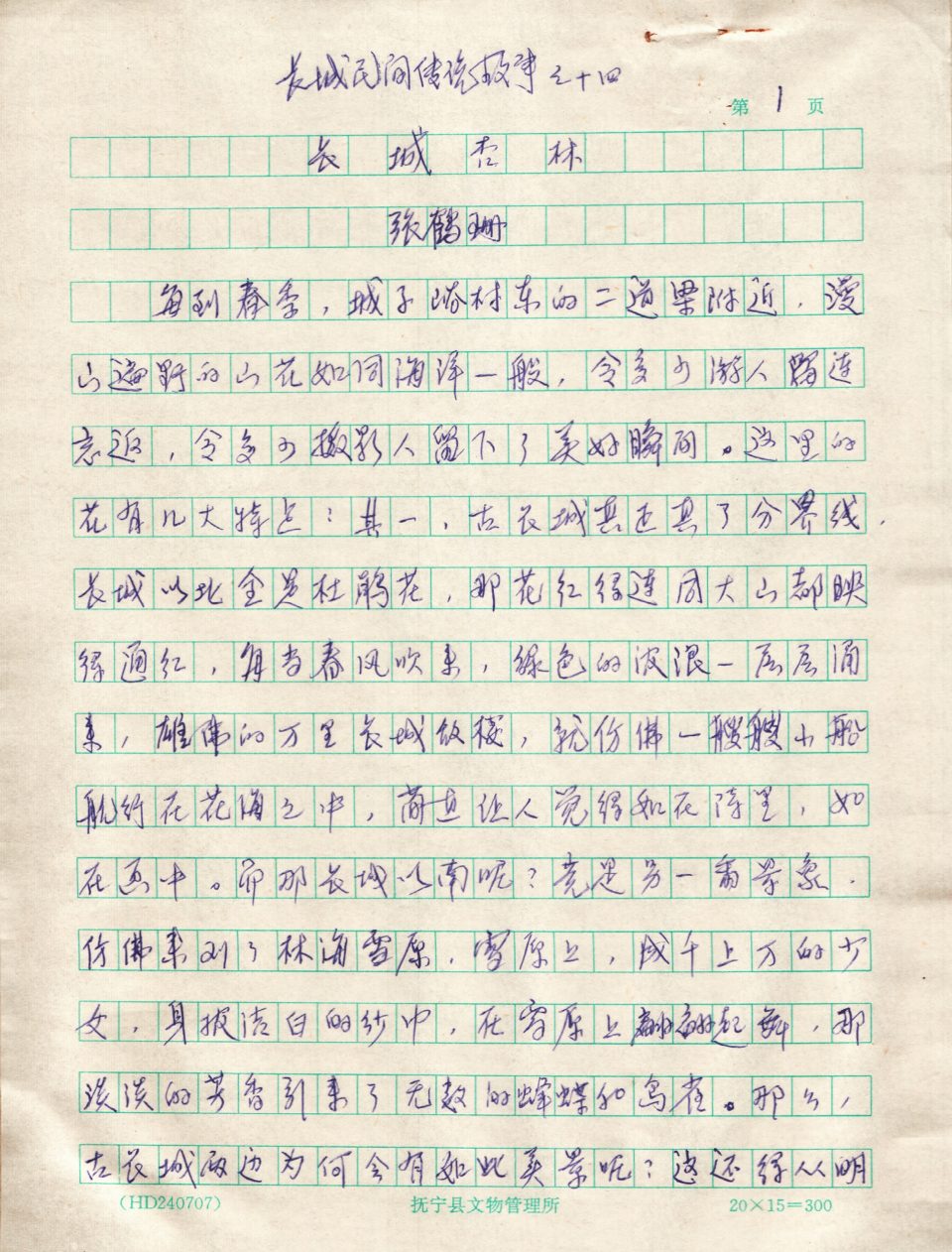
THE TRADITIONAL FOLK TALE OF THE LONG WALL 14
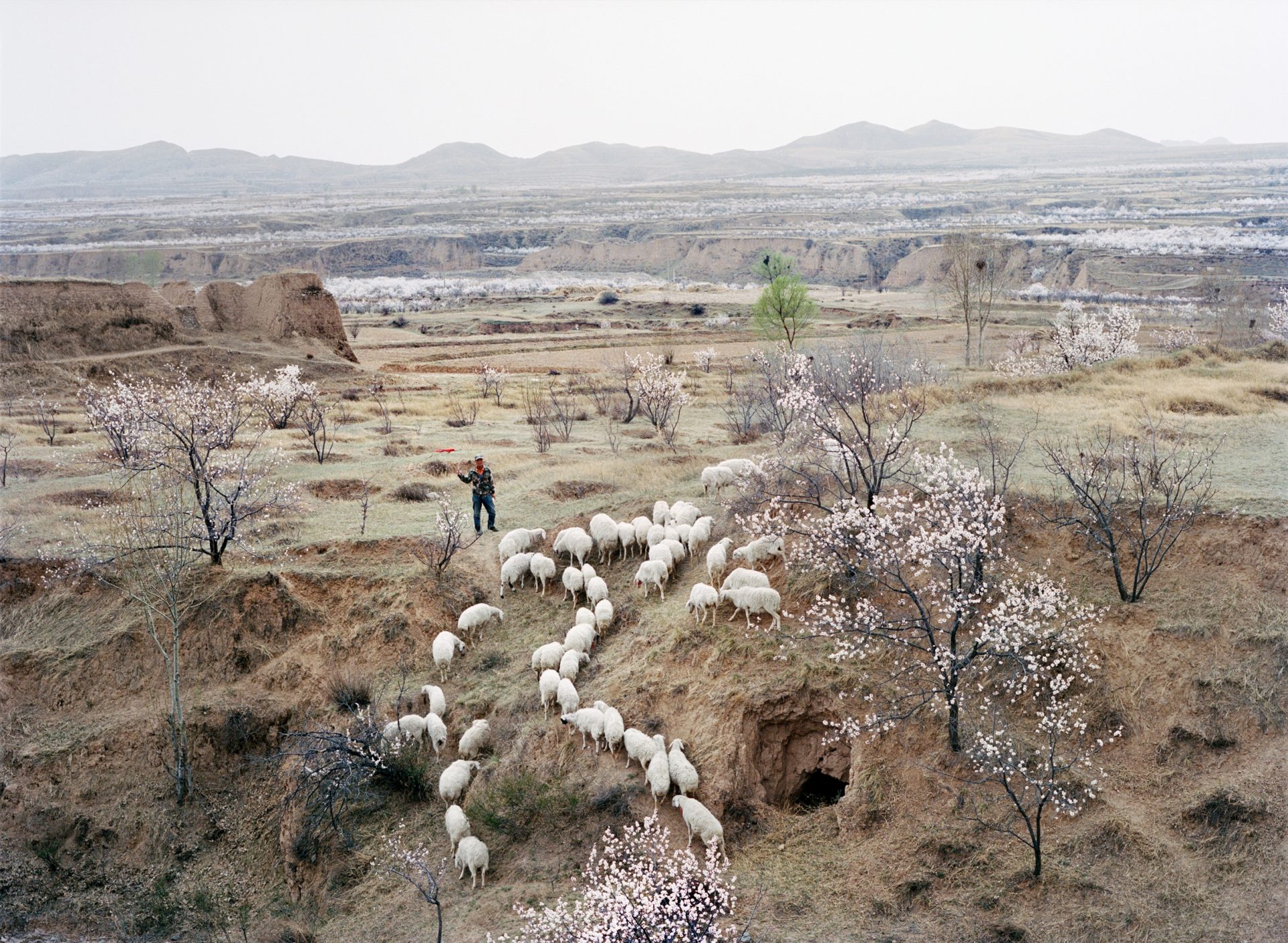
The Apricot Grove of the Long Wall
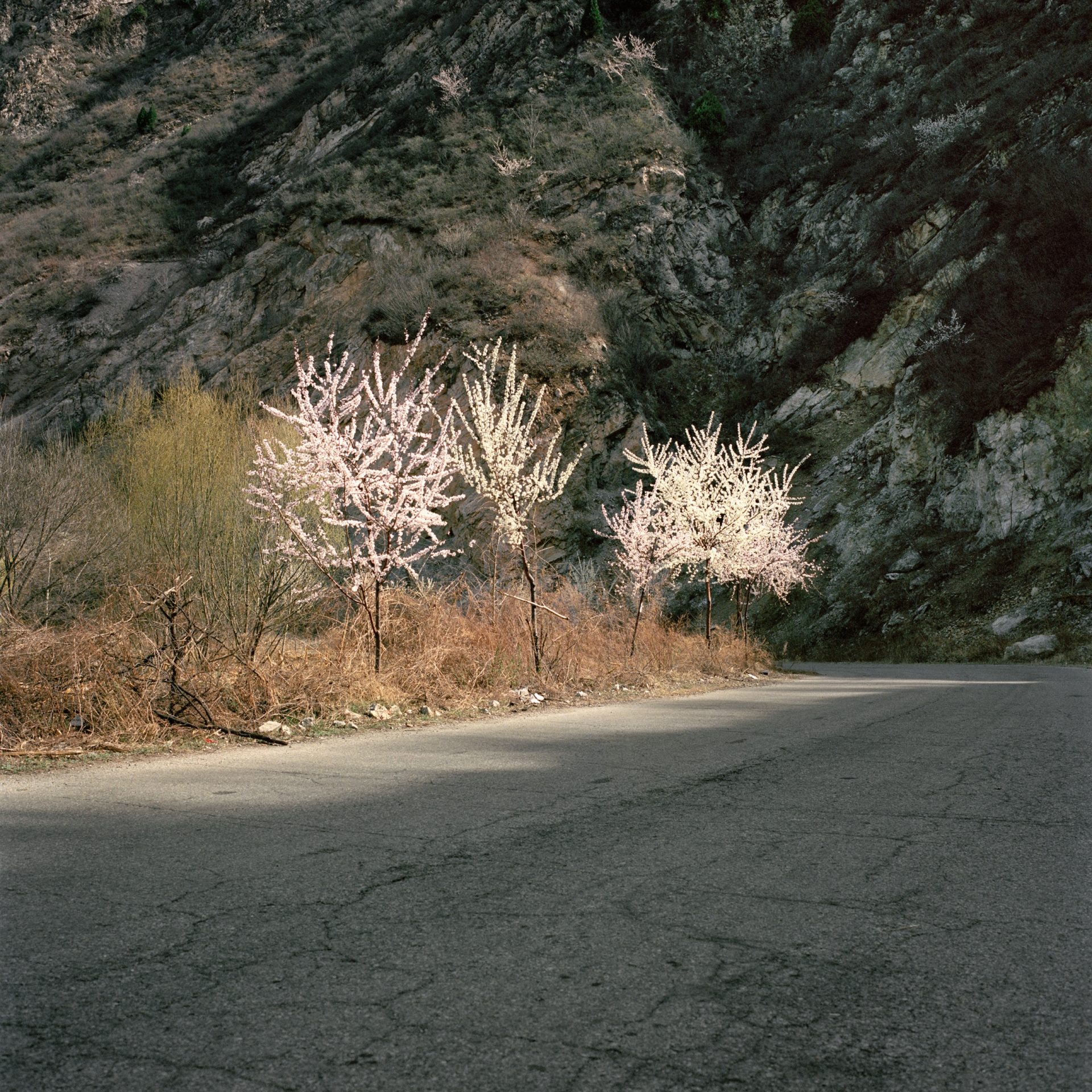
Every spring, near Erdaoliang to the east of the Chengziyu village, flowers bloom all over the mountain, just like the ocean, which attracts numerous visitors and inspires so many masterpieces by great photographers. There are several features that stand out in the flowers here. First, the ancient Long Wall creates a natural divide in the ocean of flowers. To the north of the Long Wall, azaleas are as red as flame, seeming to set fire to the mountain. When the spring breeze comes, green waves ripple across the mountainside view in layers. The magnificent towers of the Long Wall are like ships navigating the flower ocean, as if you were living in a poem or a painting. And the scenery to the south of the Long Wall? It is totally different, like a snowfield with immense forests. This expanse of white blossoms looks like thousands of girls in white scarves dancing and twirling. A faint fragrance of flowers attracts various butterflies, bees and birds. So why does such extraordinary scenery exist on both sides of the Long Wall? The tale is told in a story from the Yiwu garrison in the Ming Dynasty…
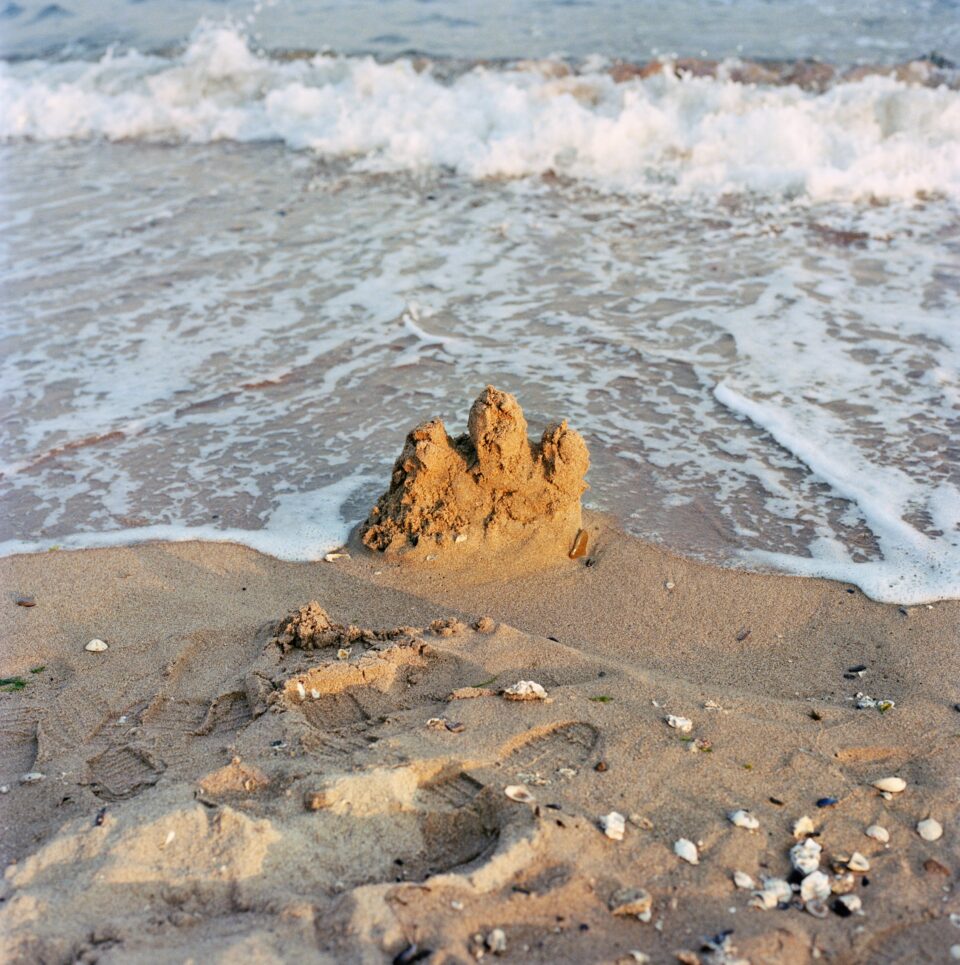
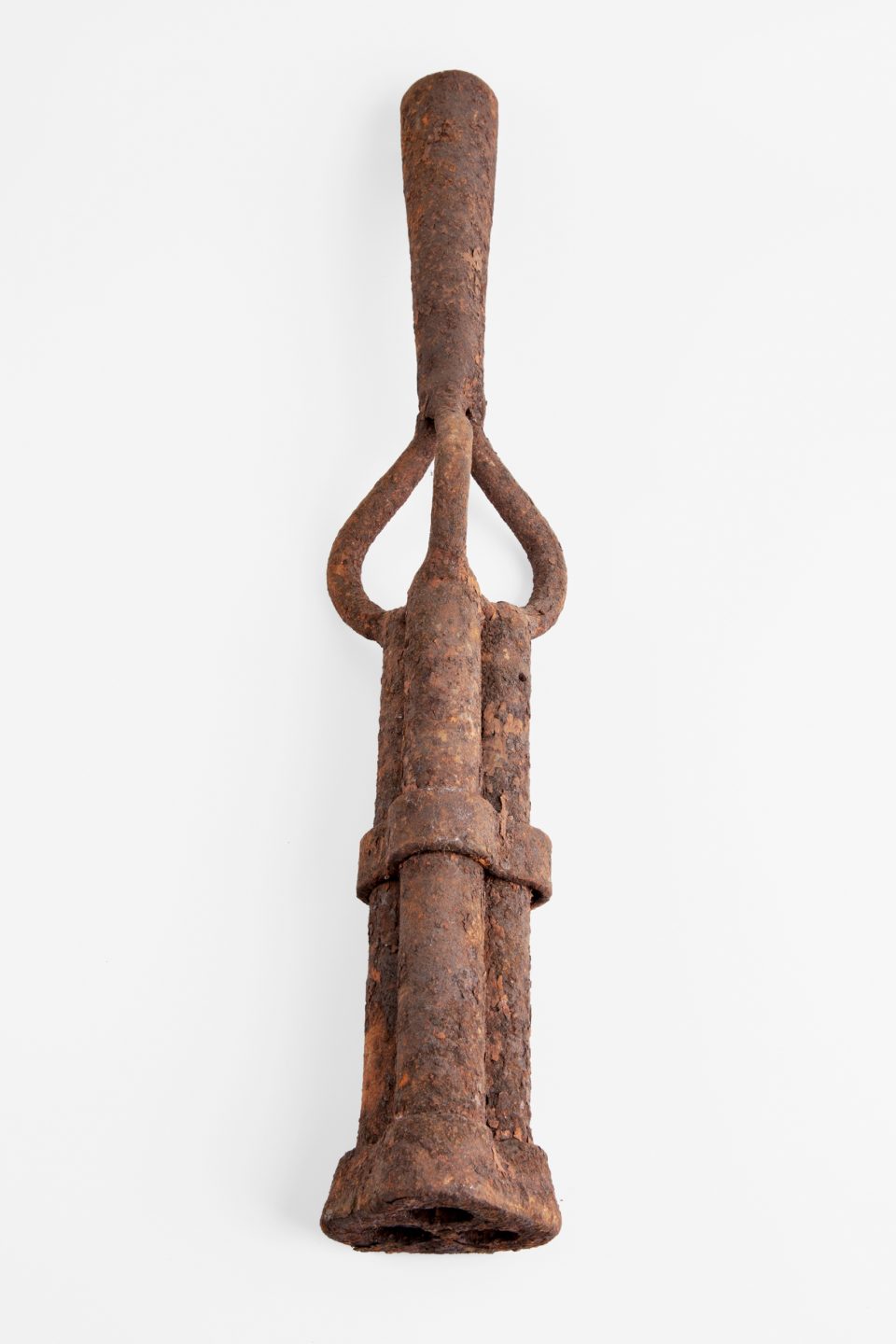
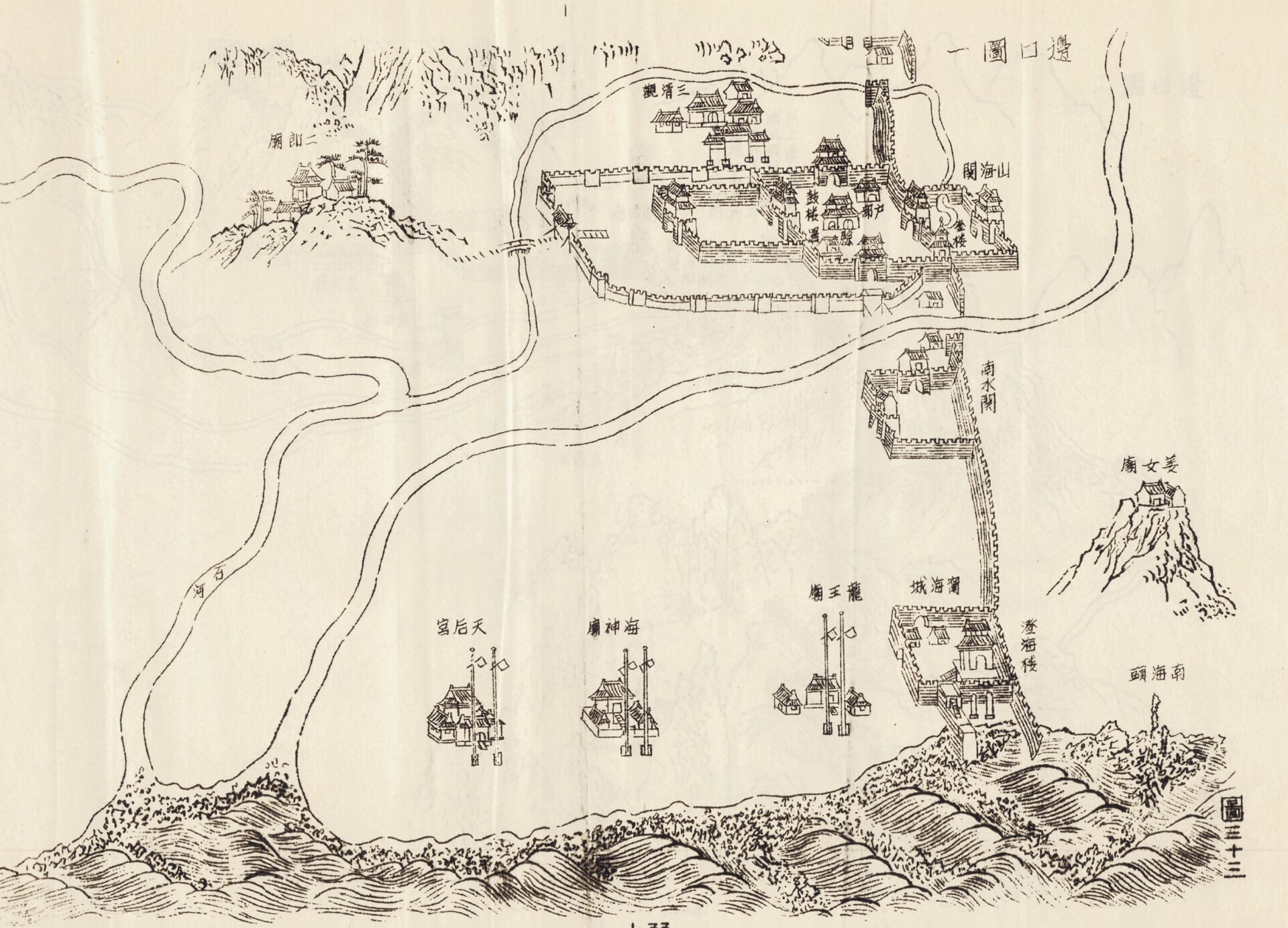
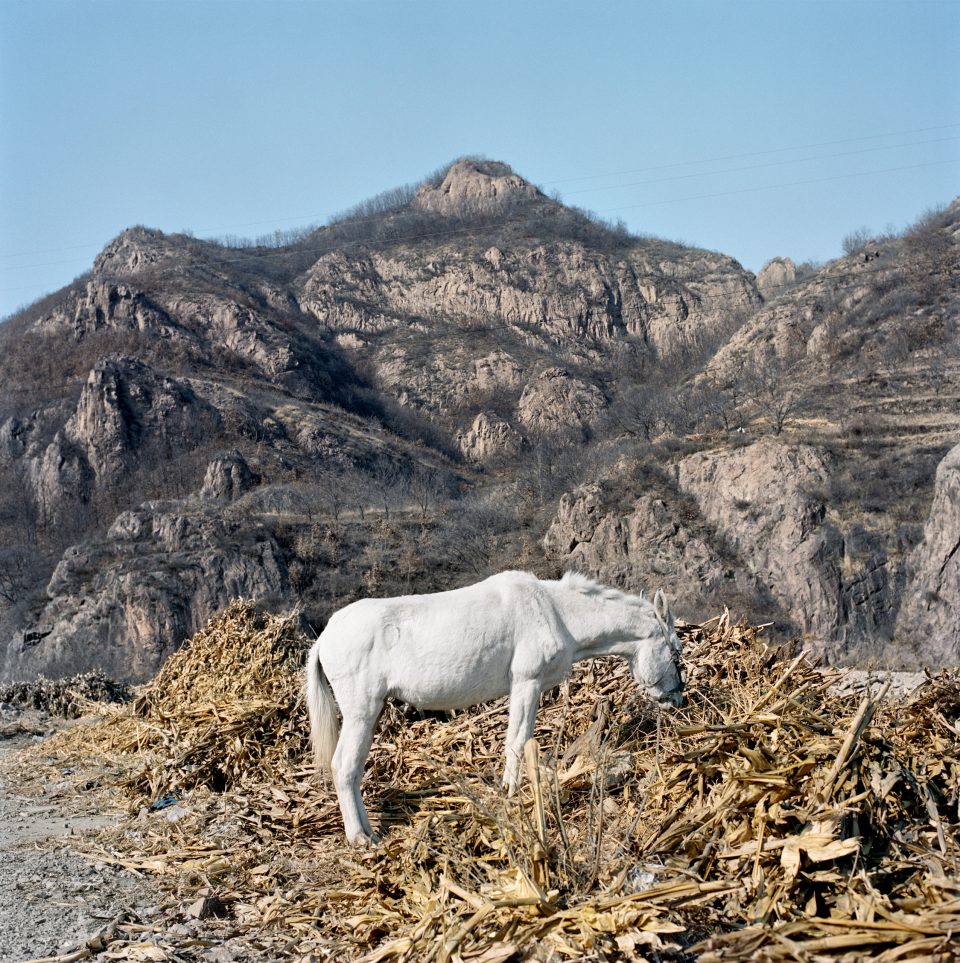
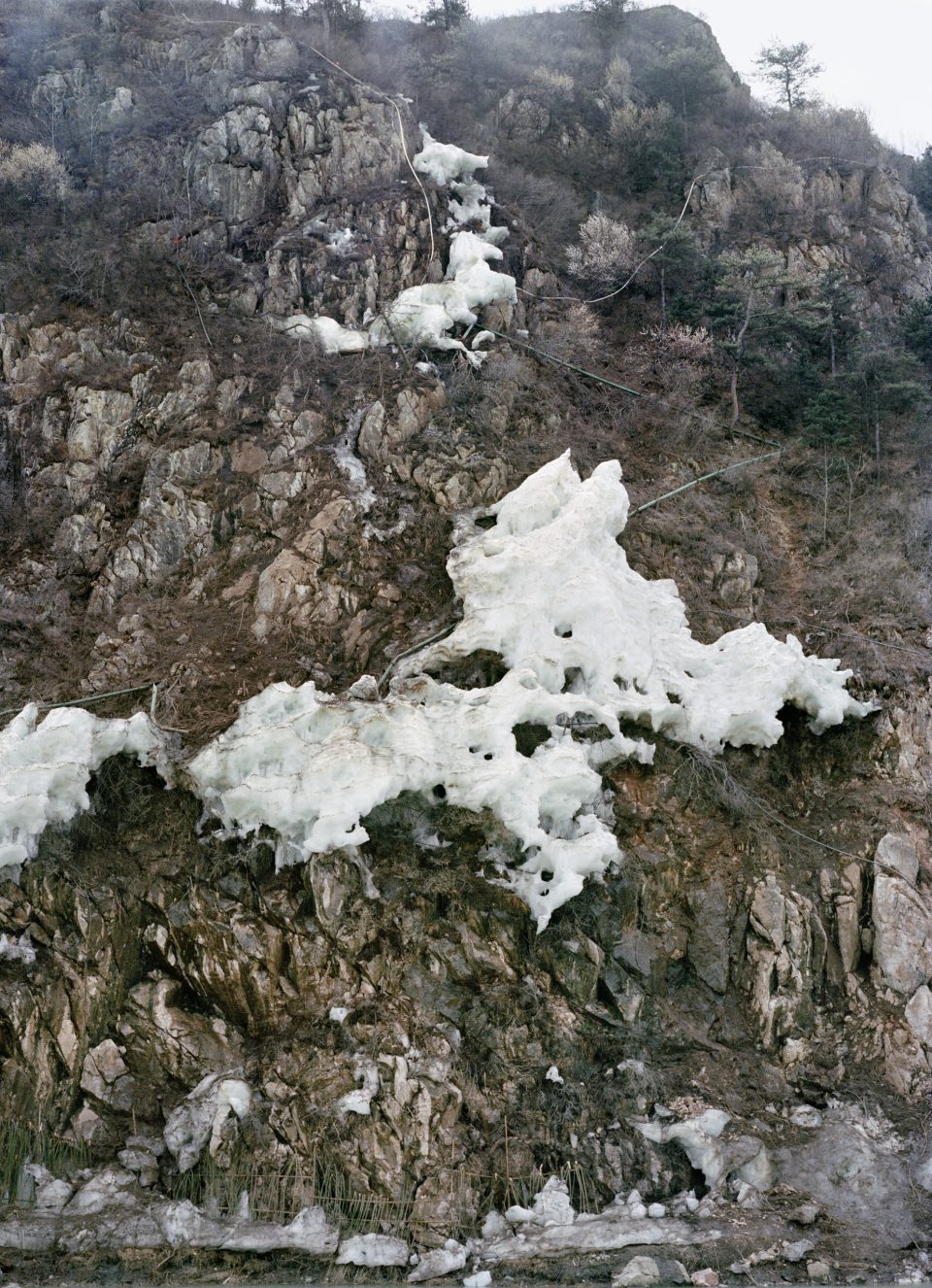
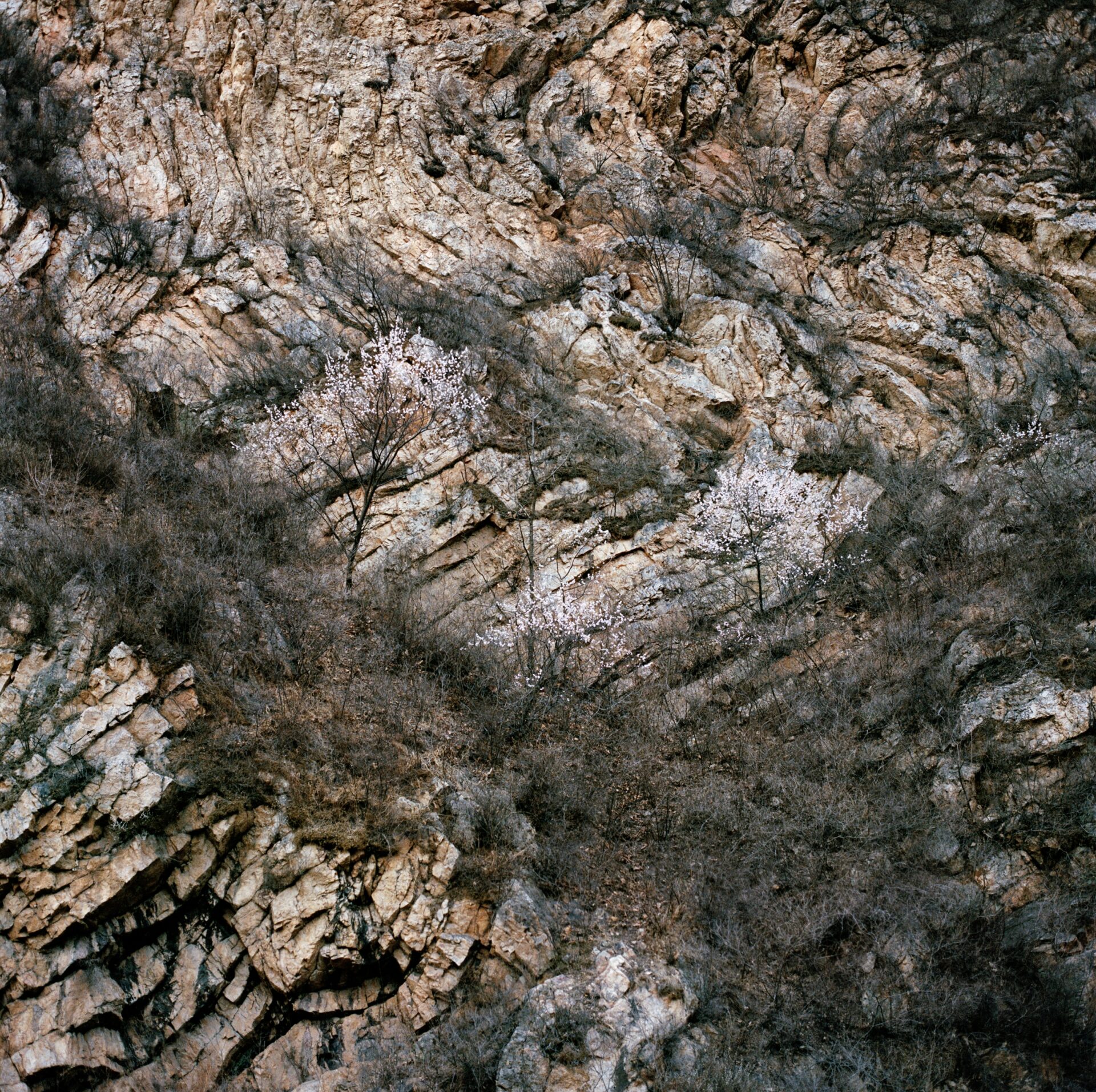
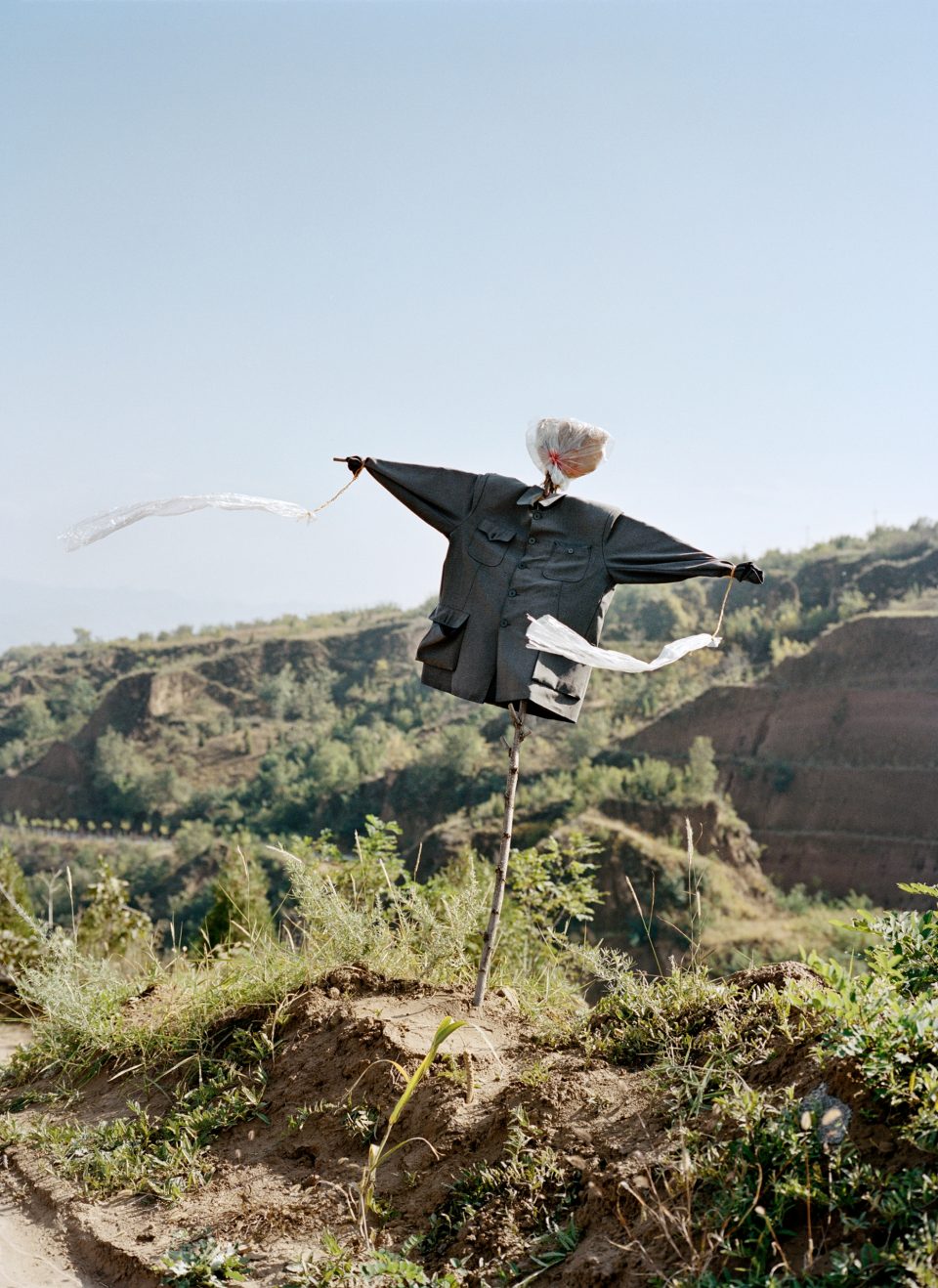
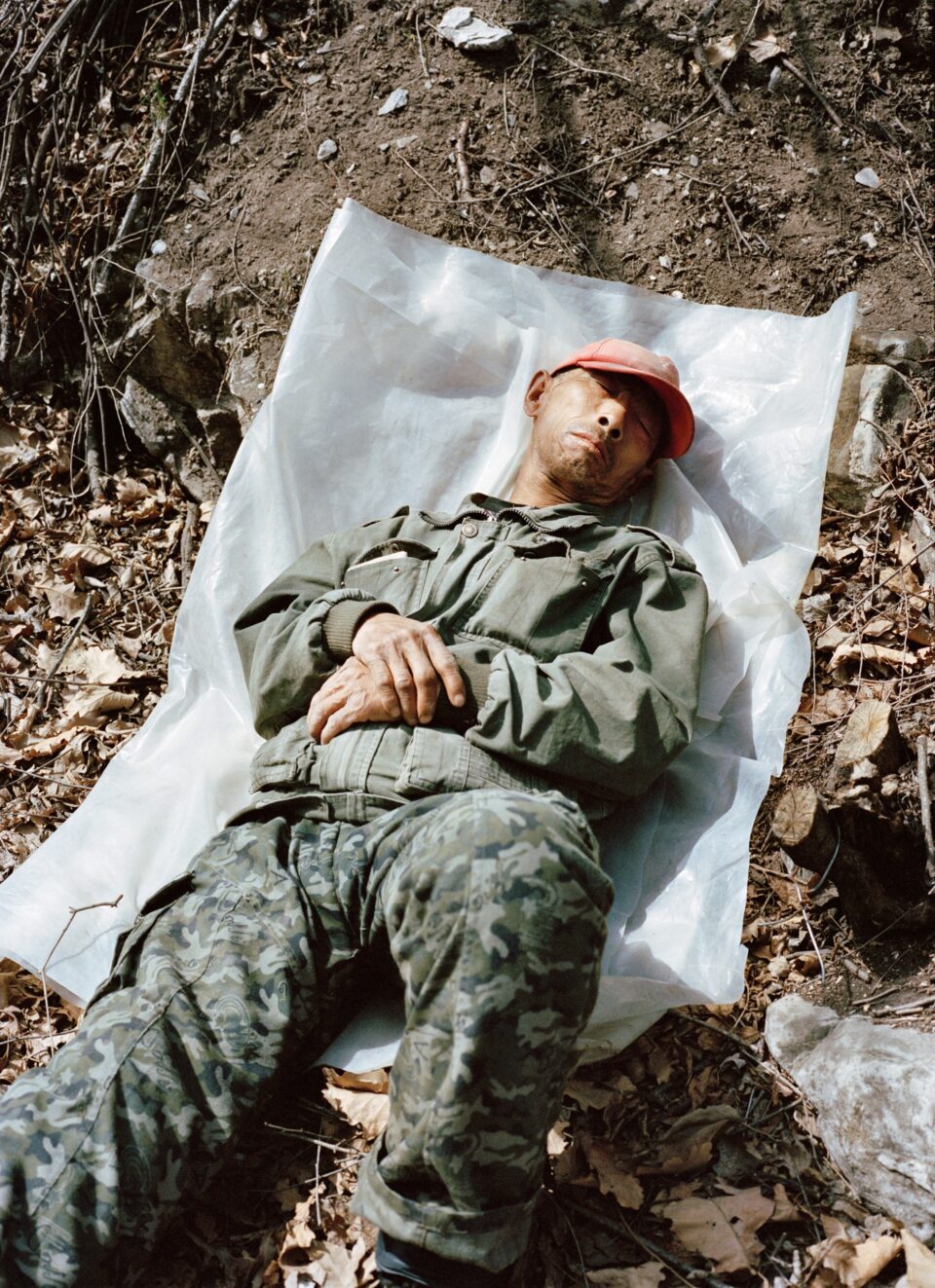
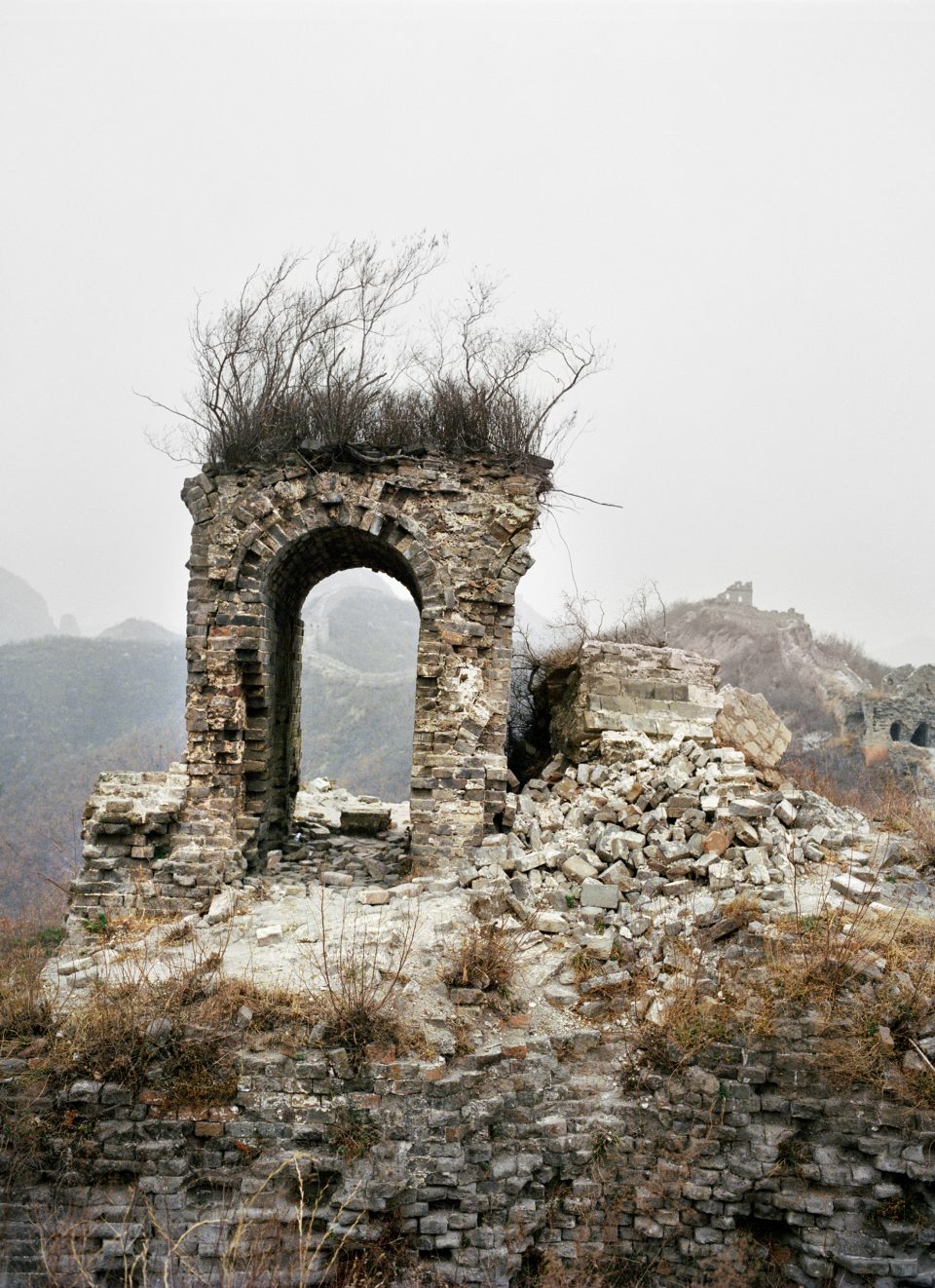
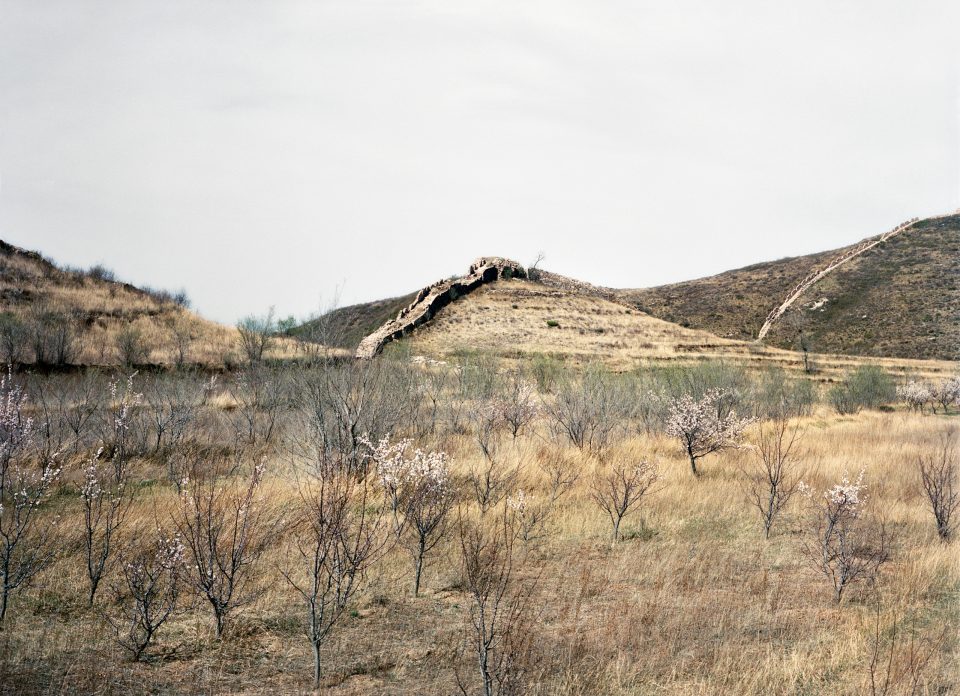
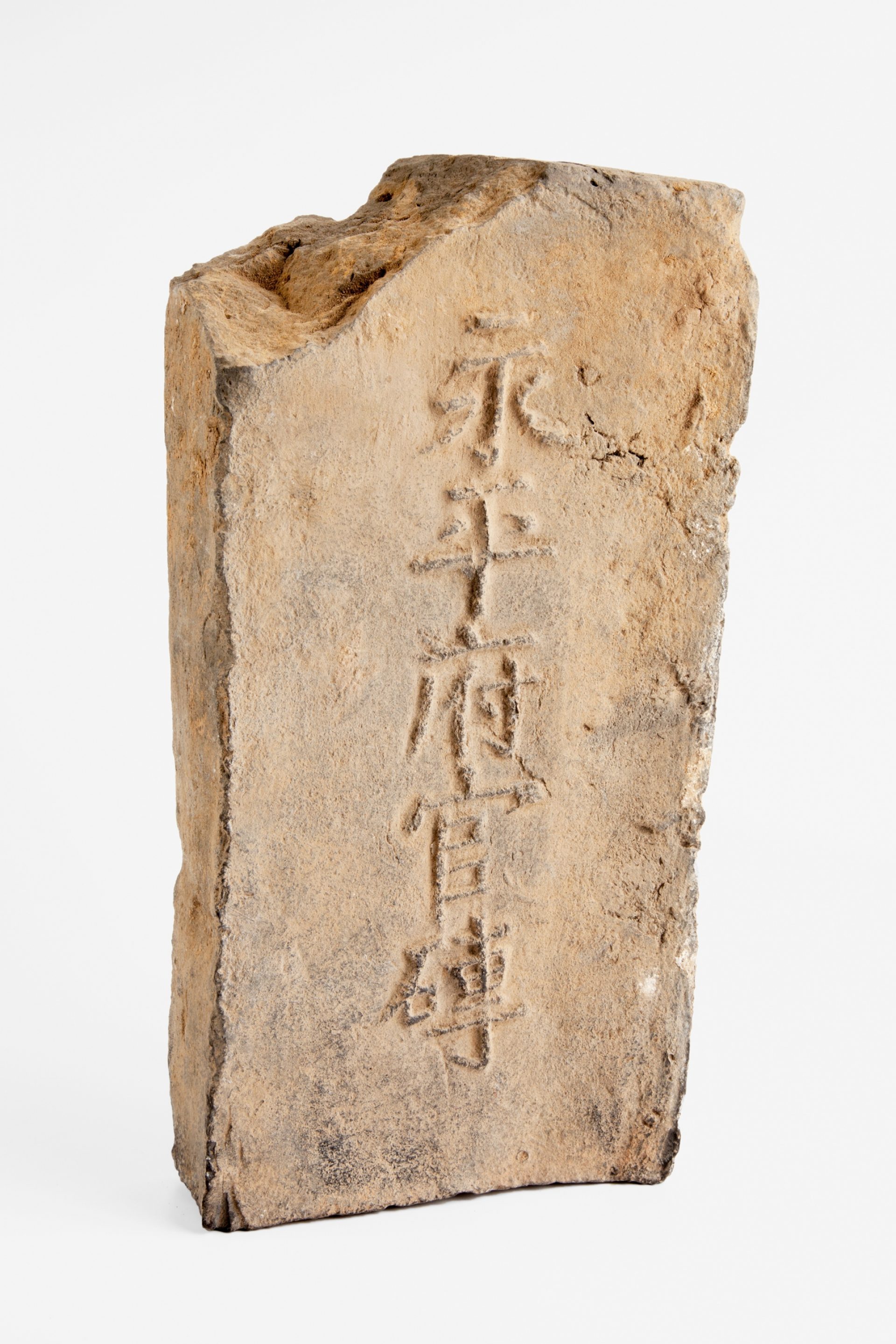
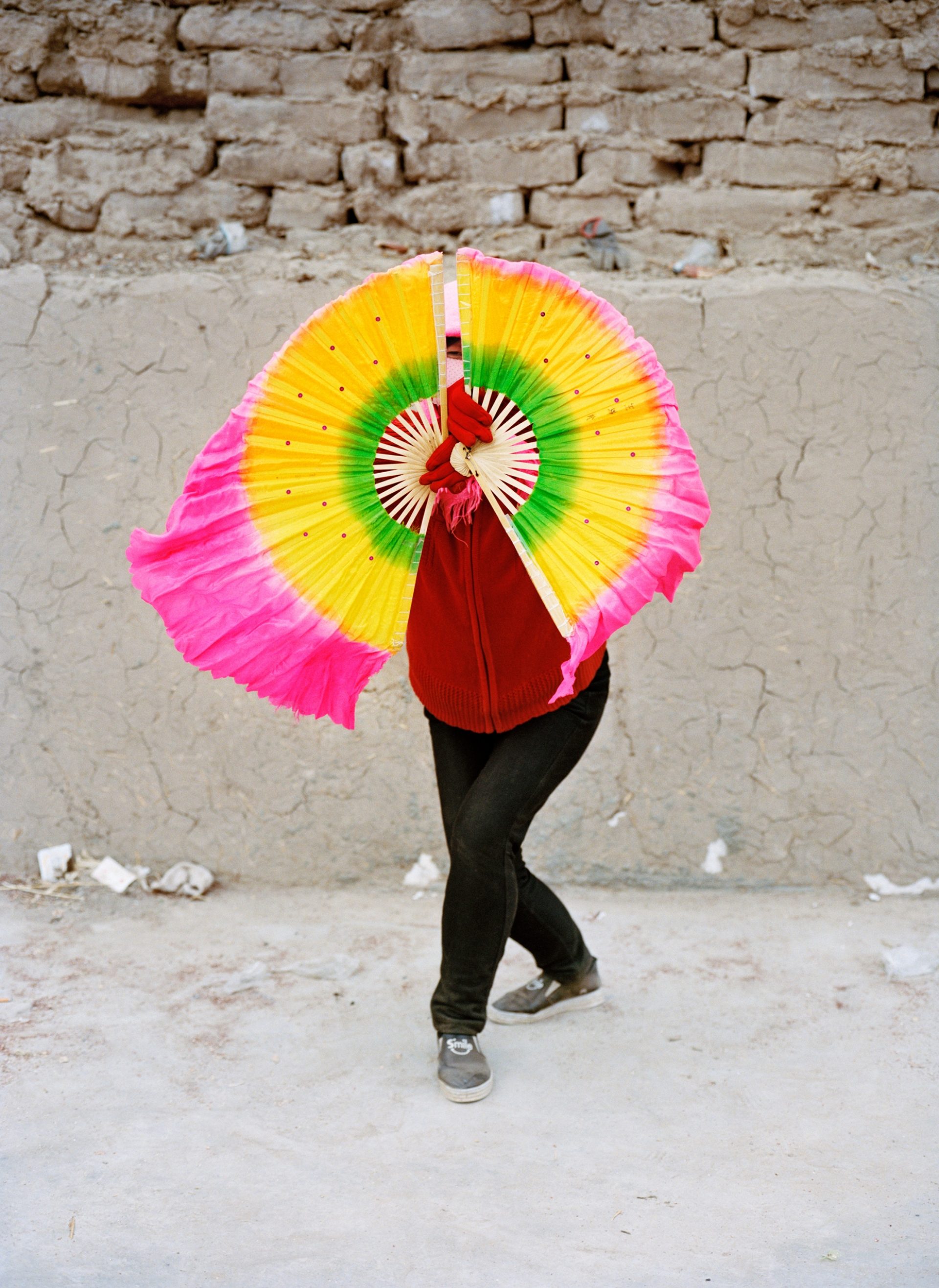
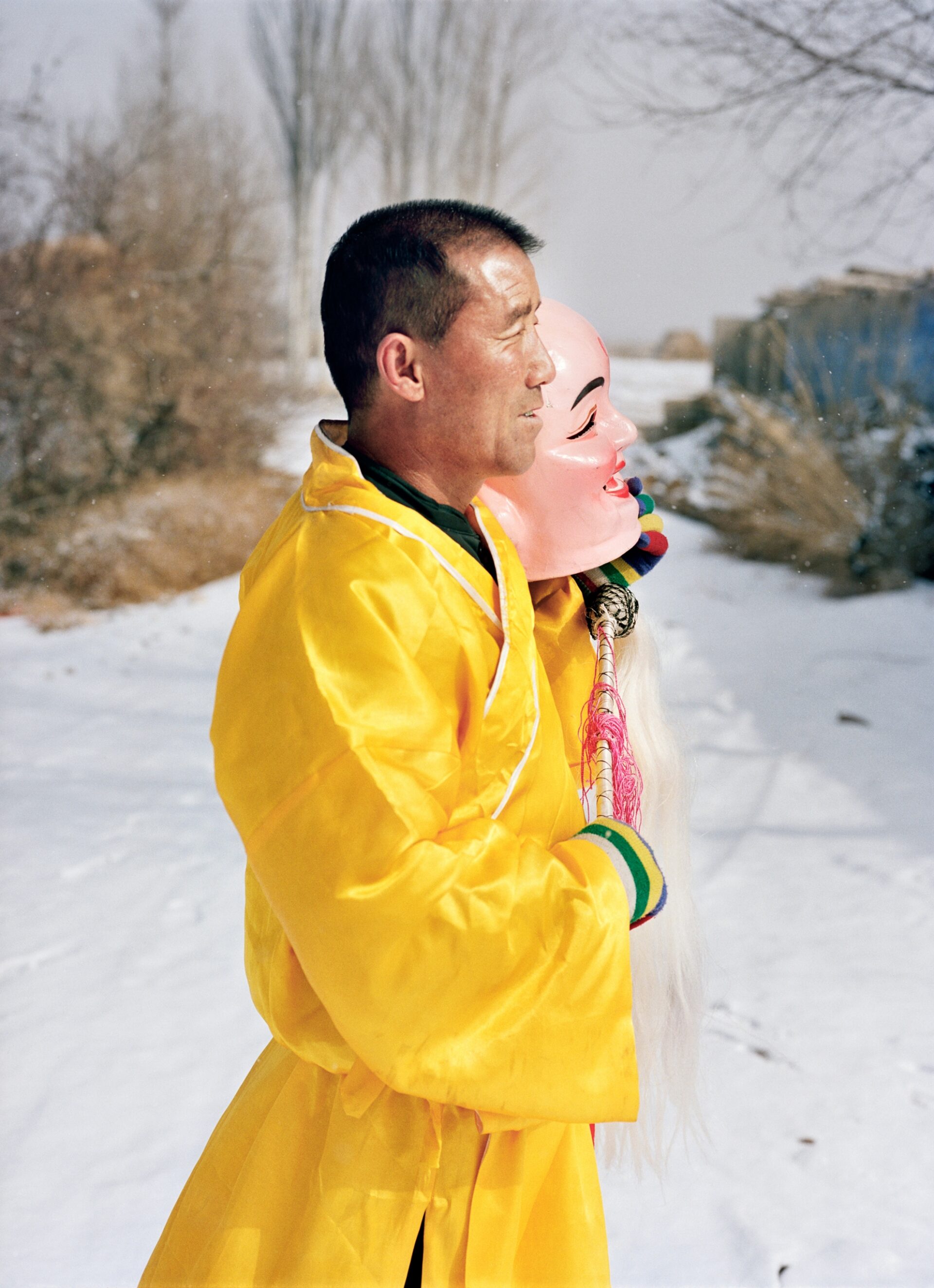
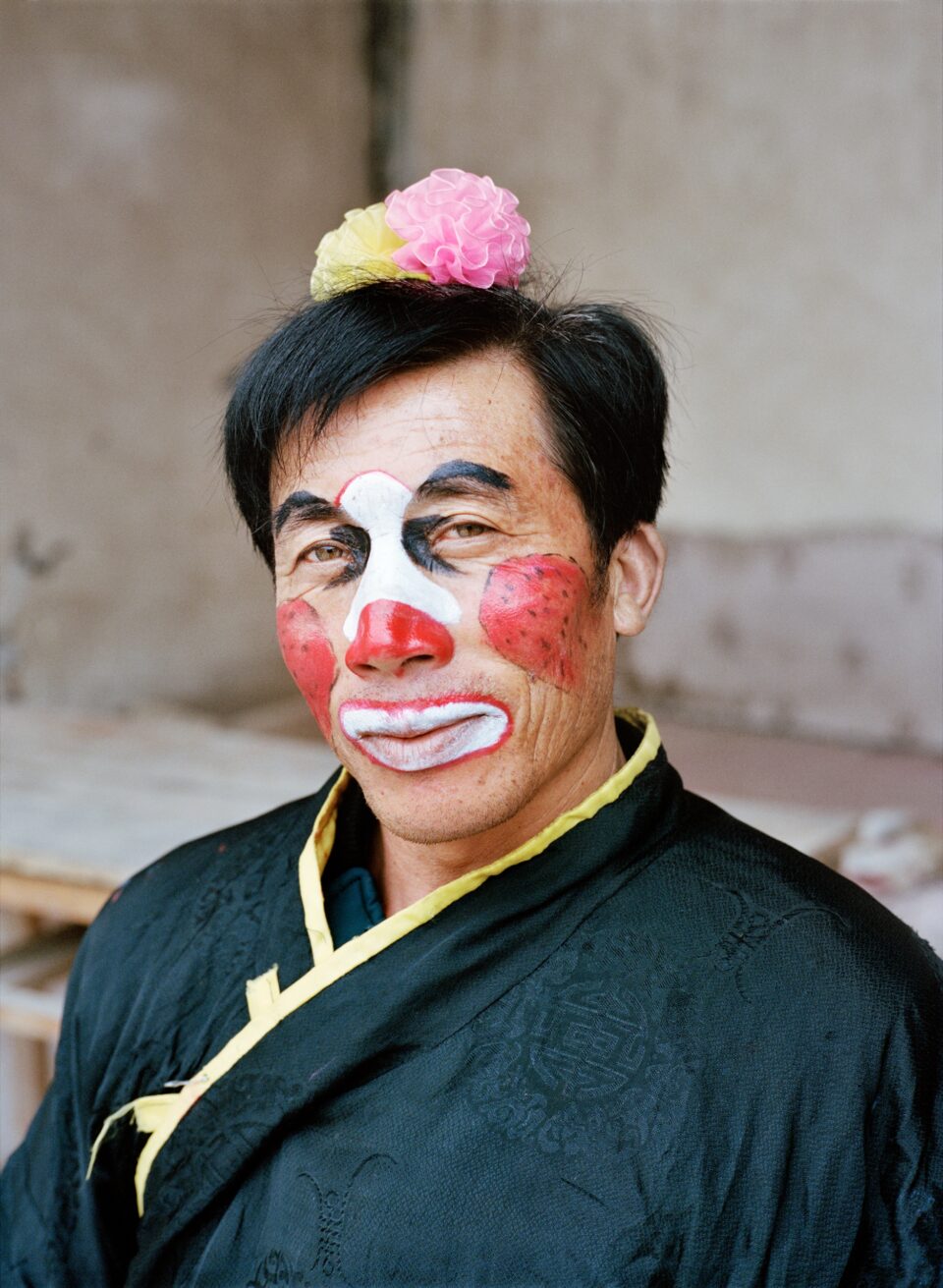
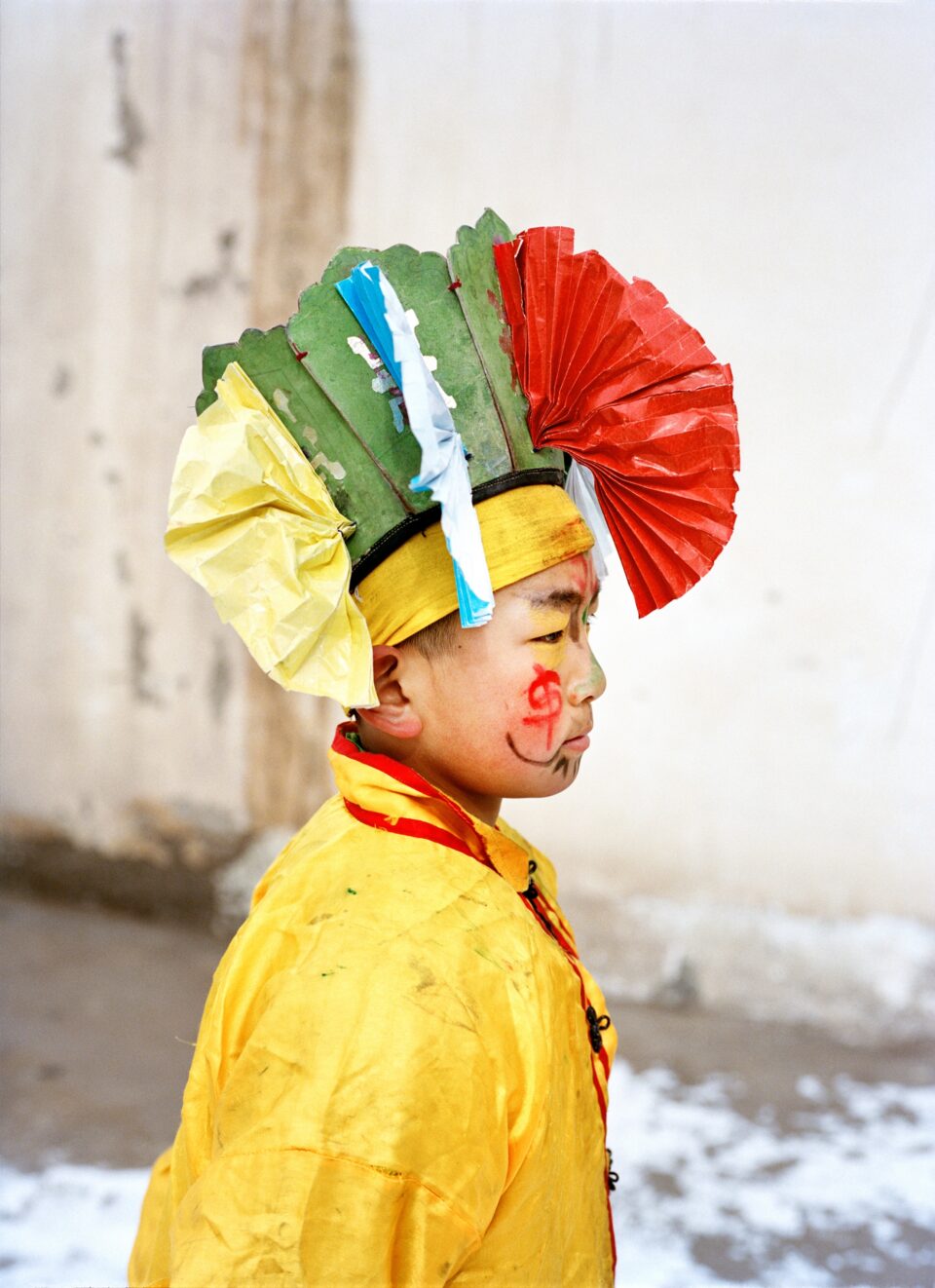
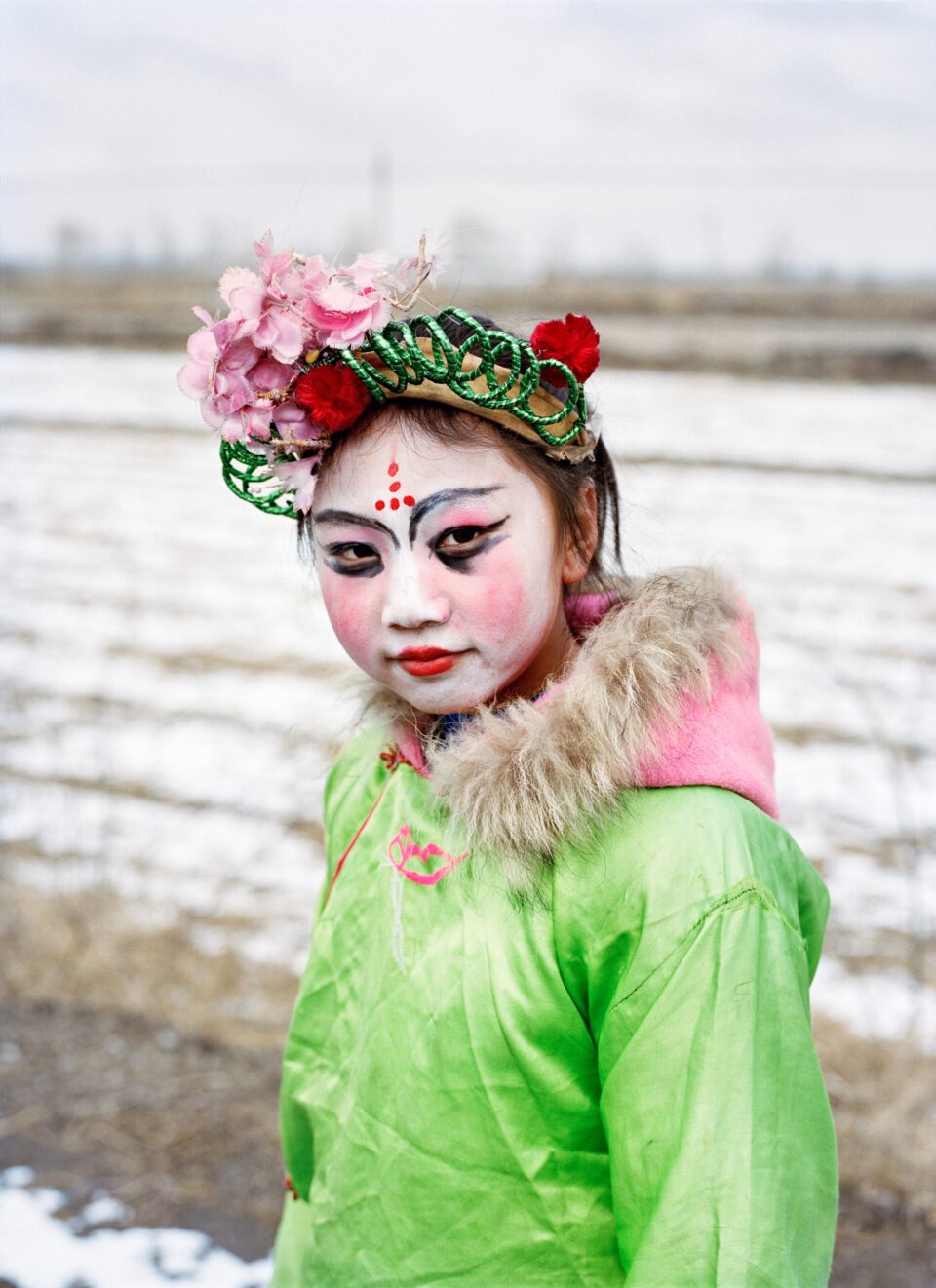
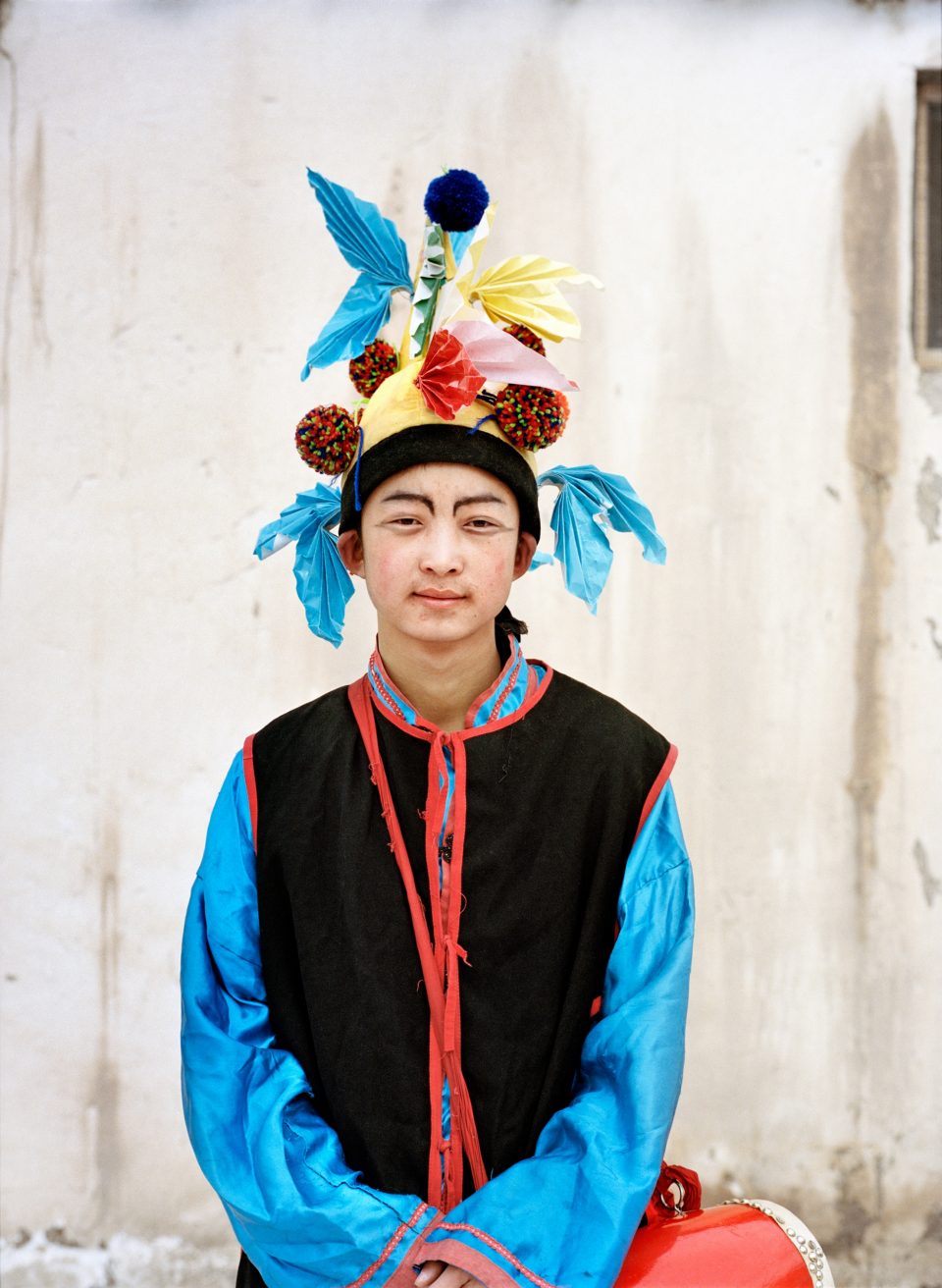
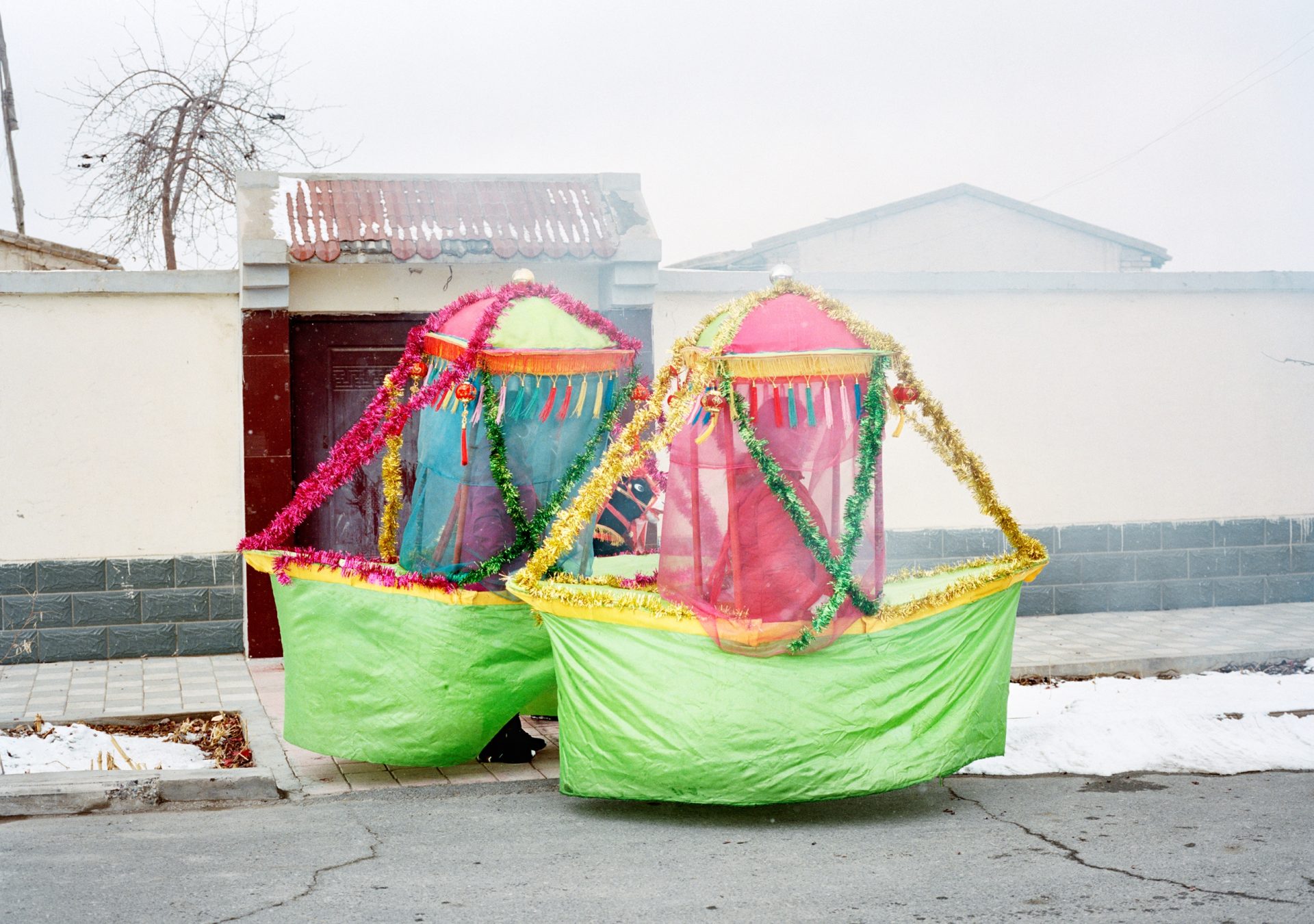
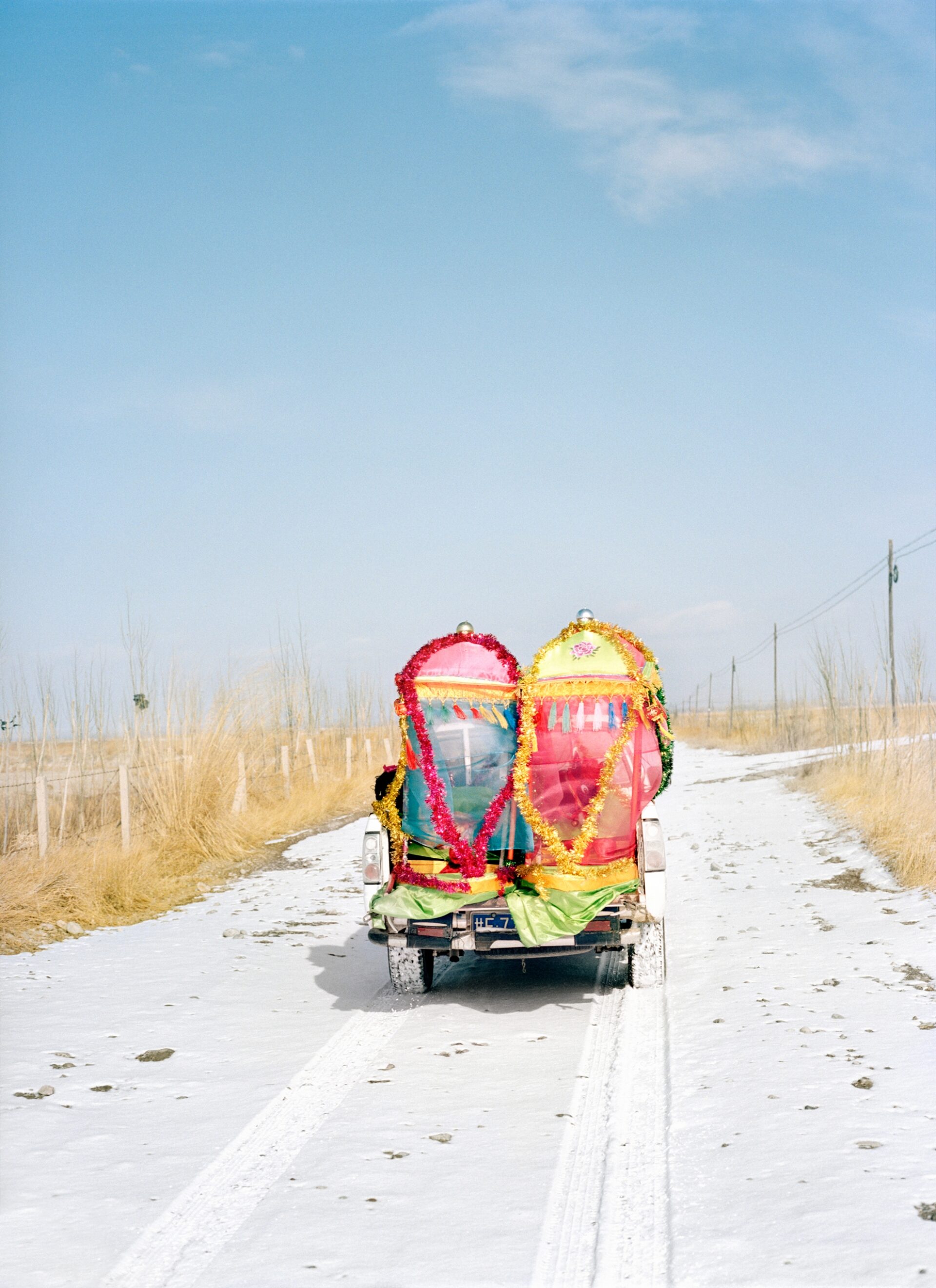
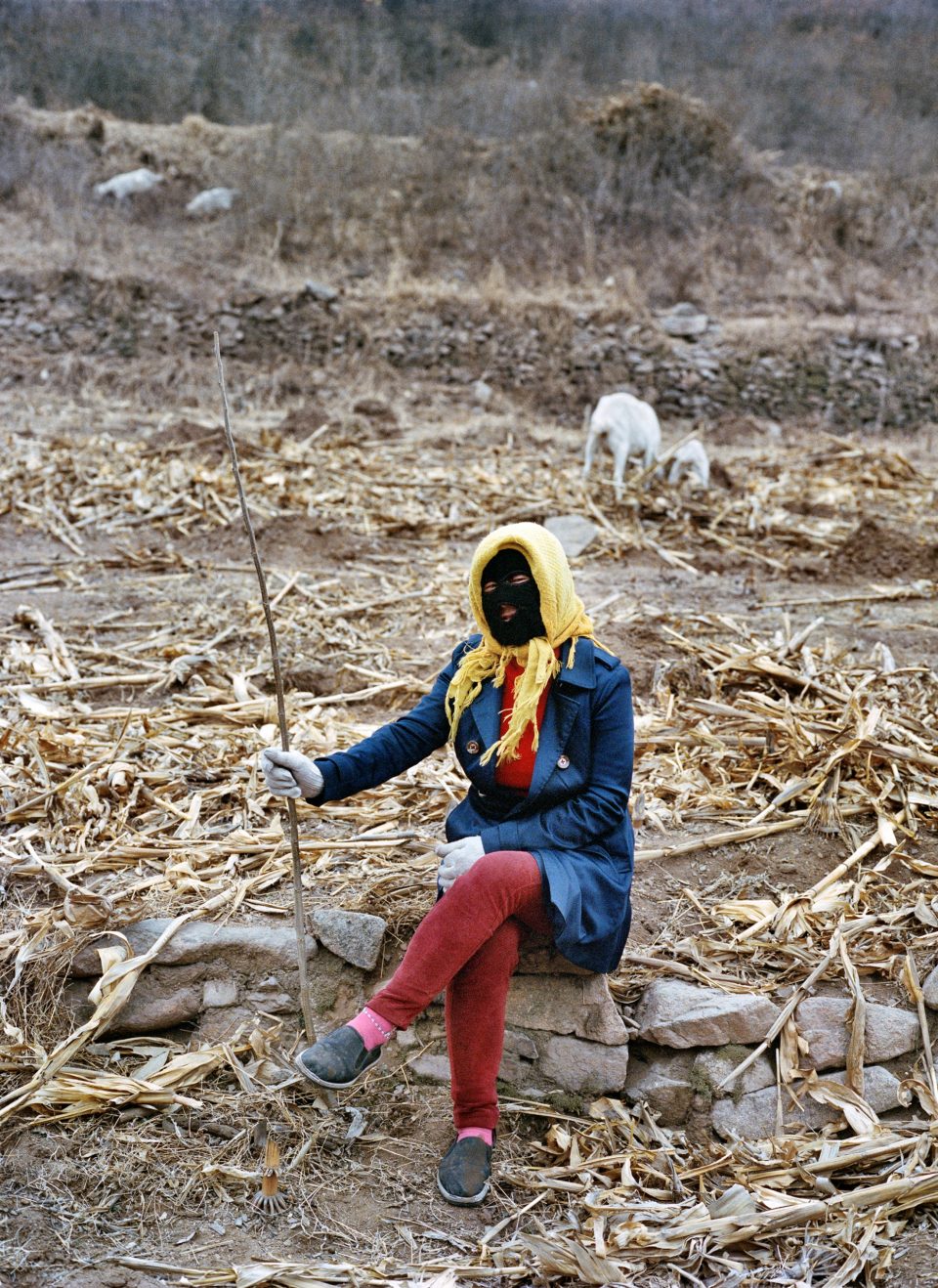
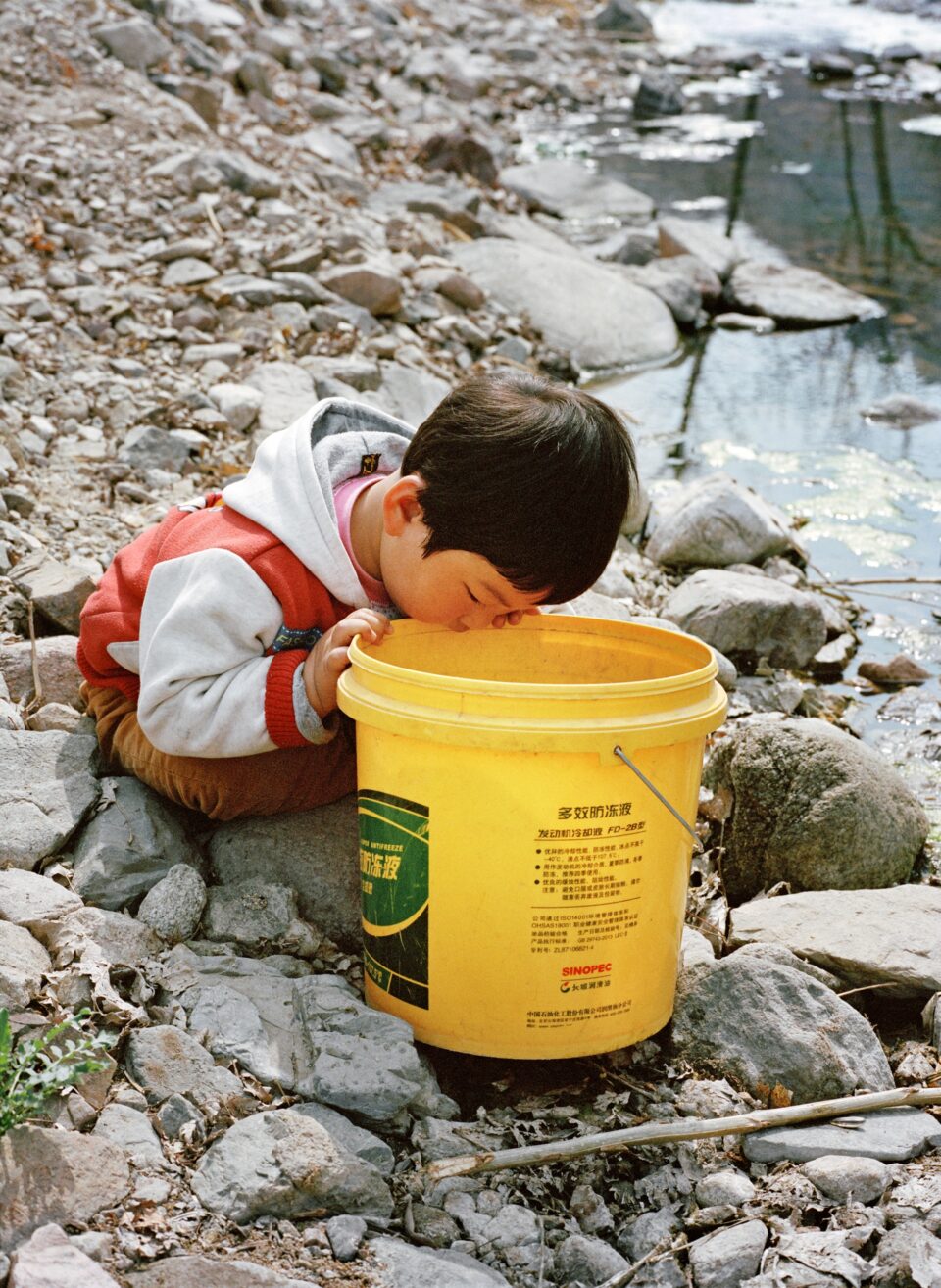
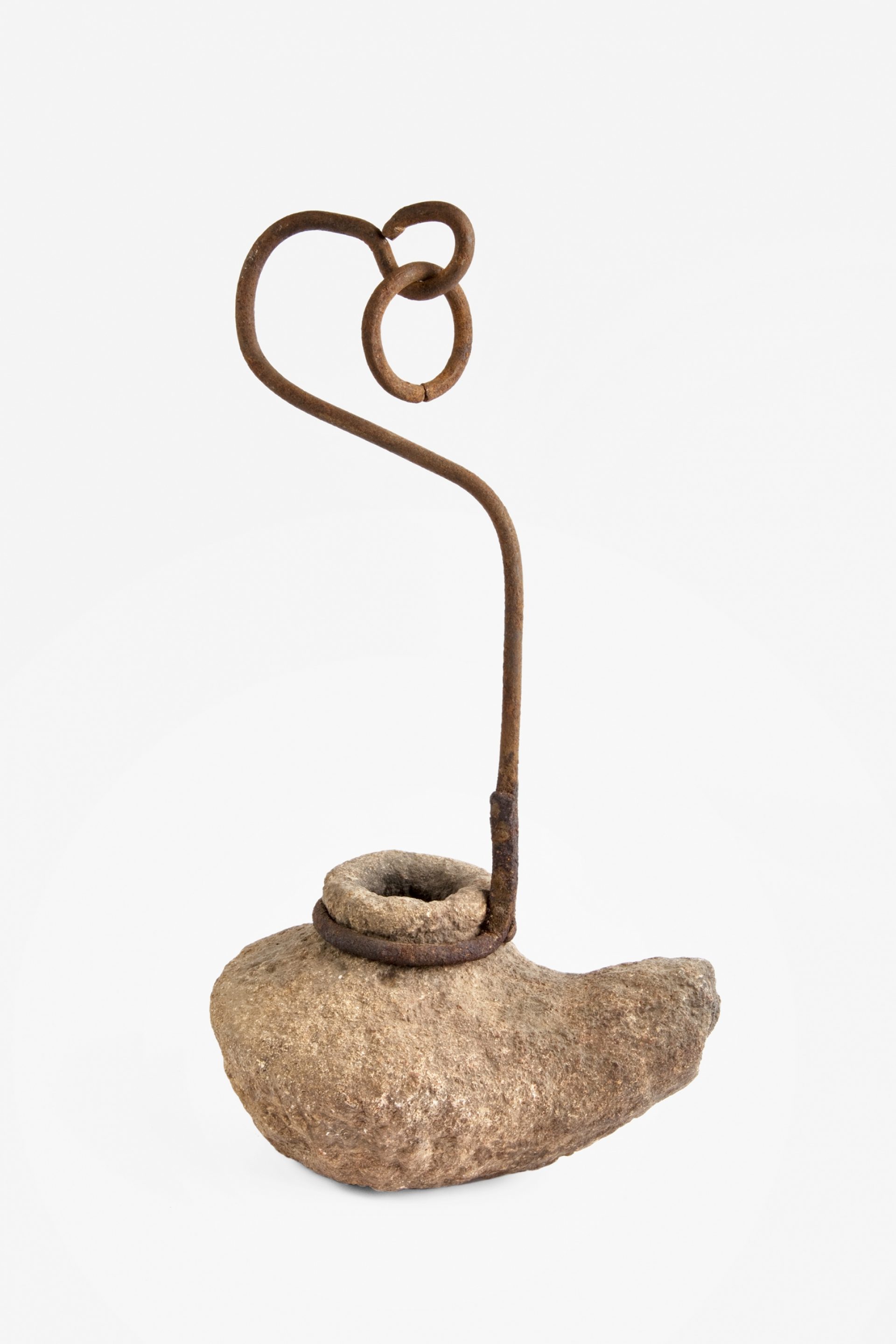
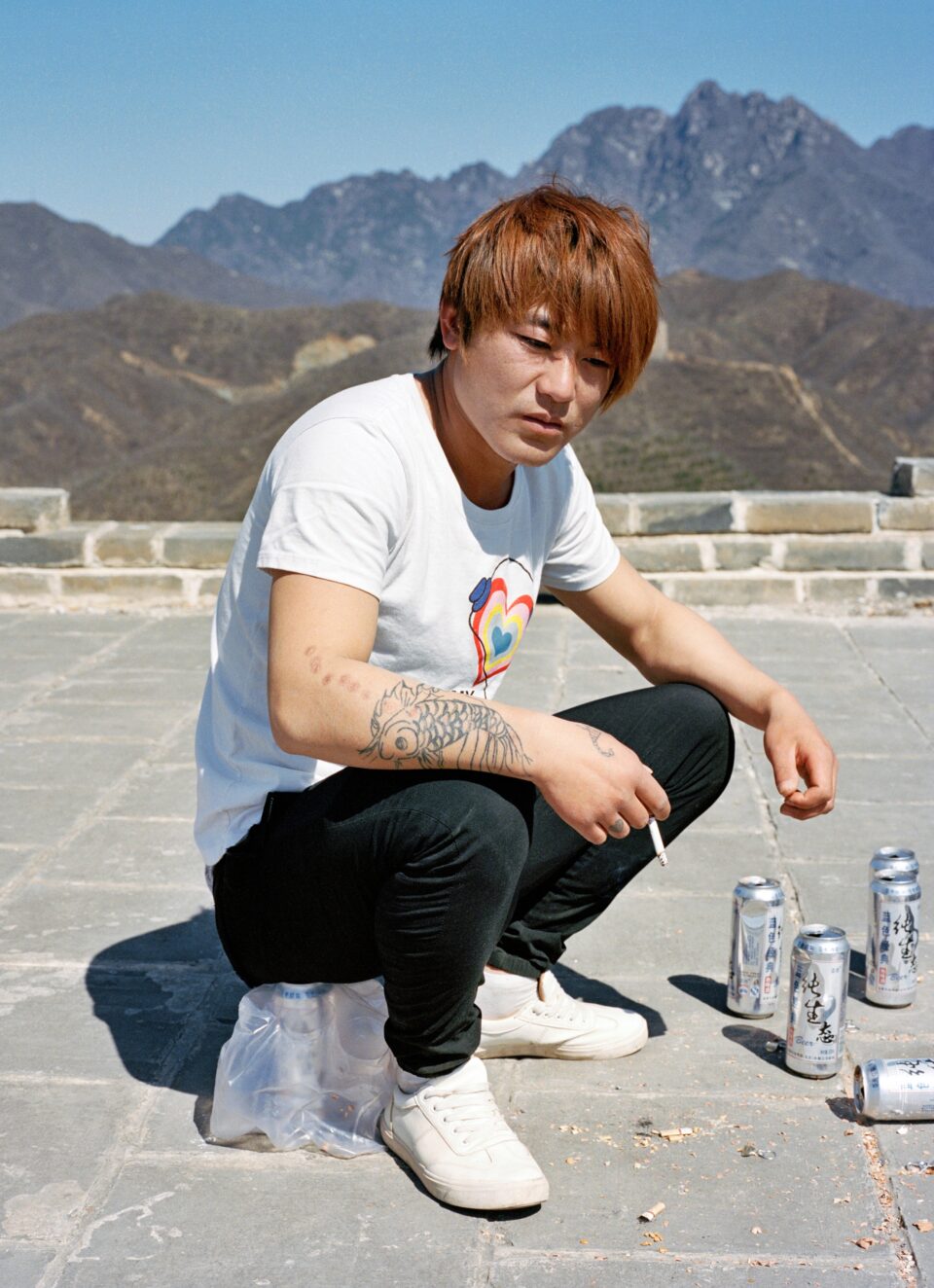
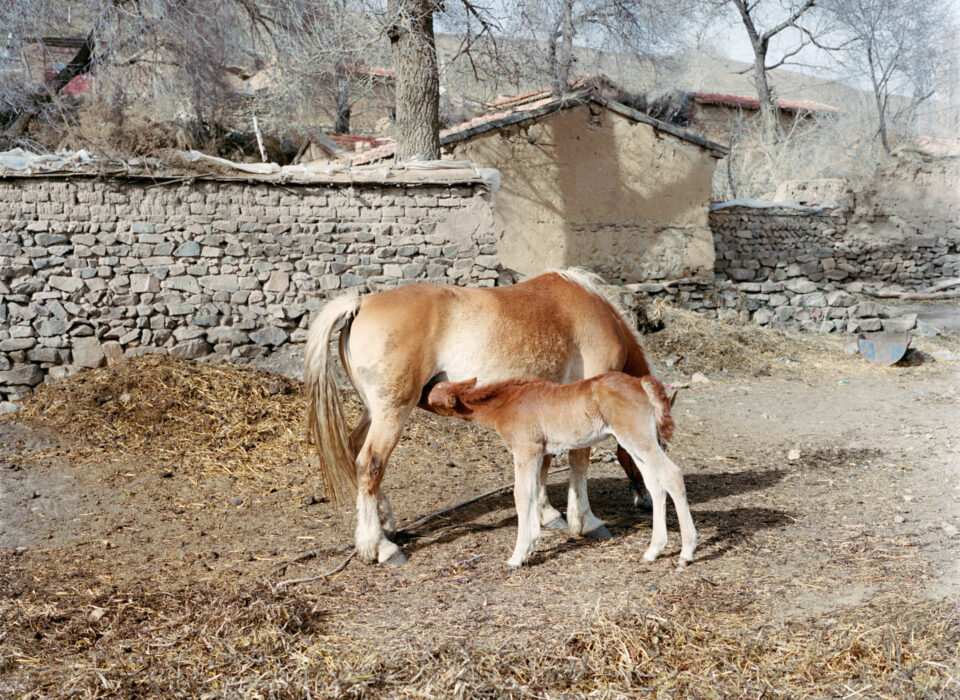
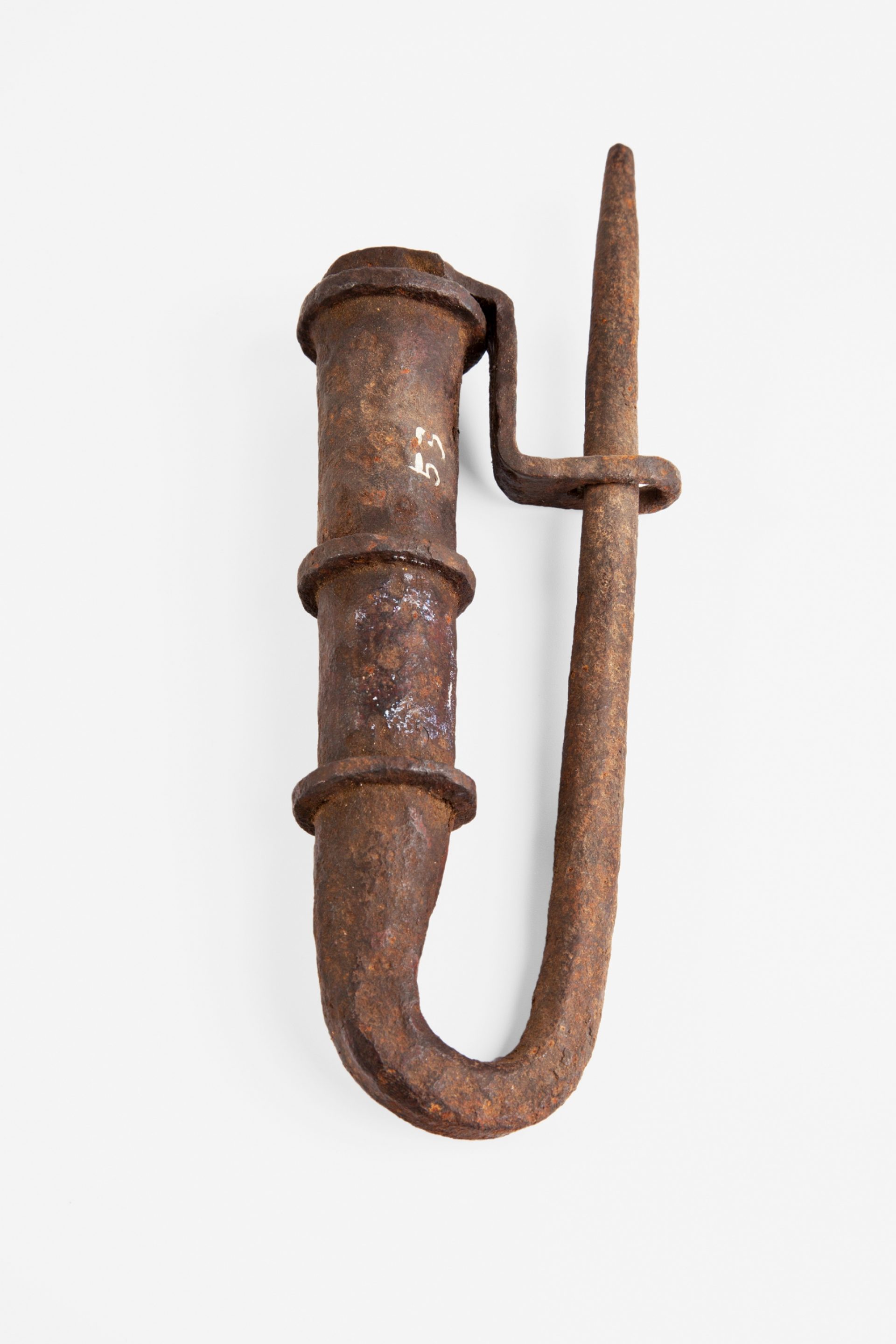
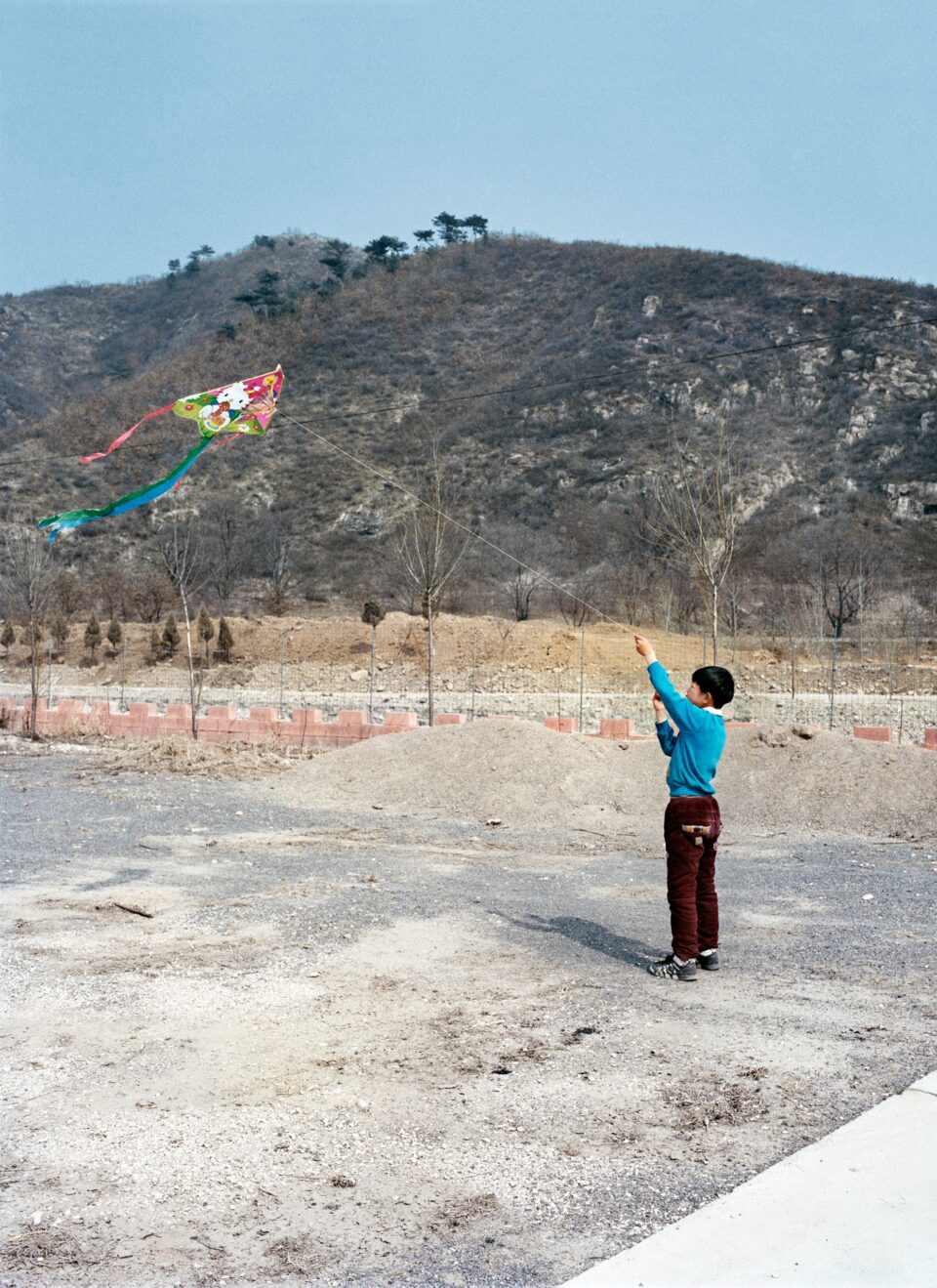
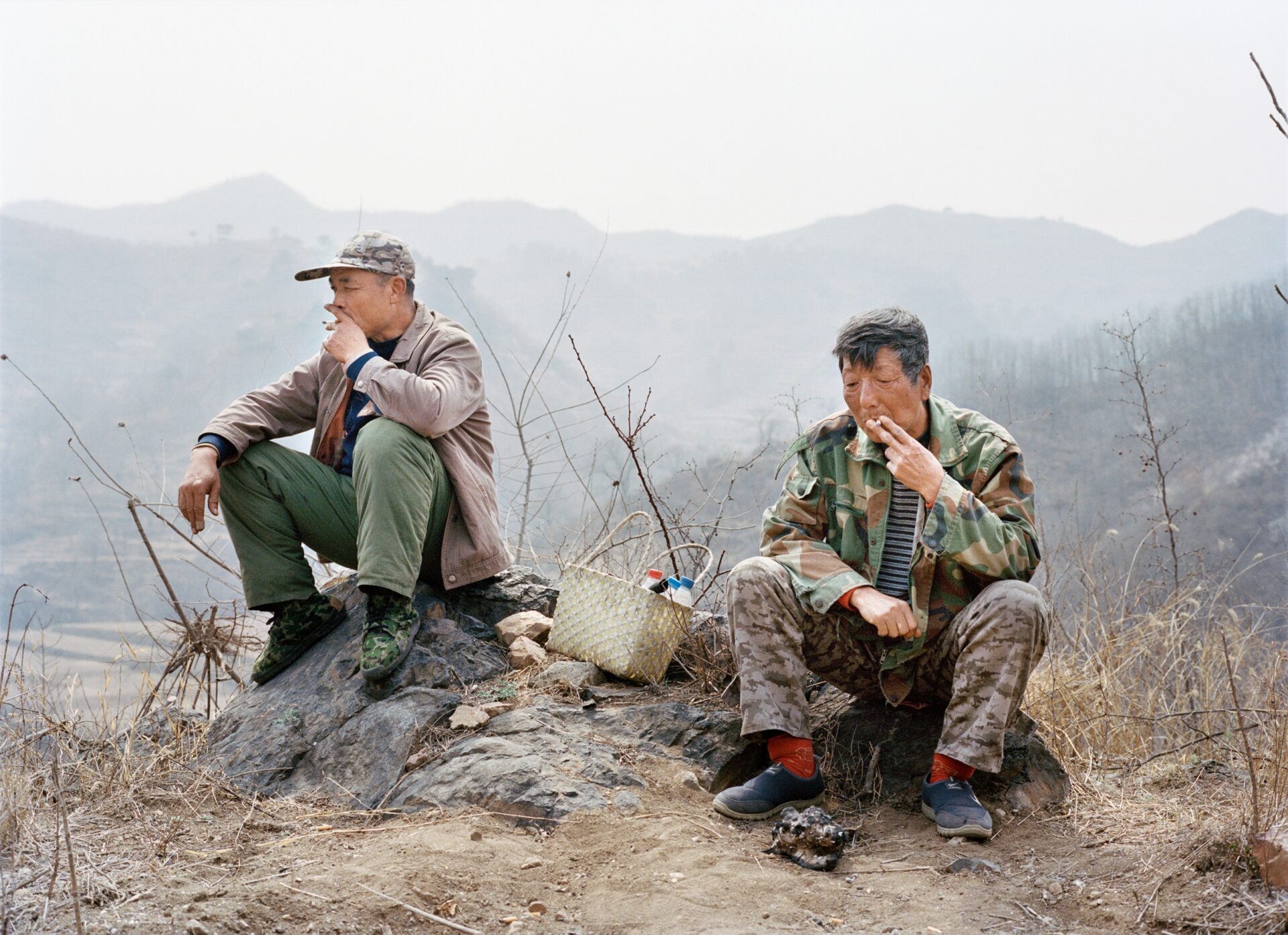
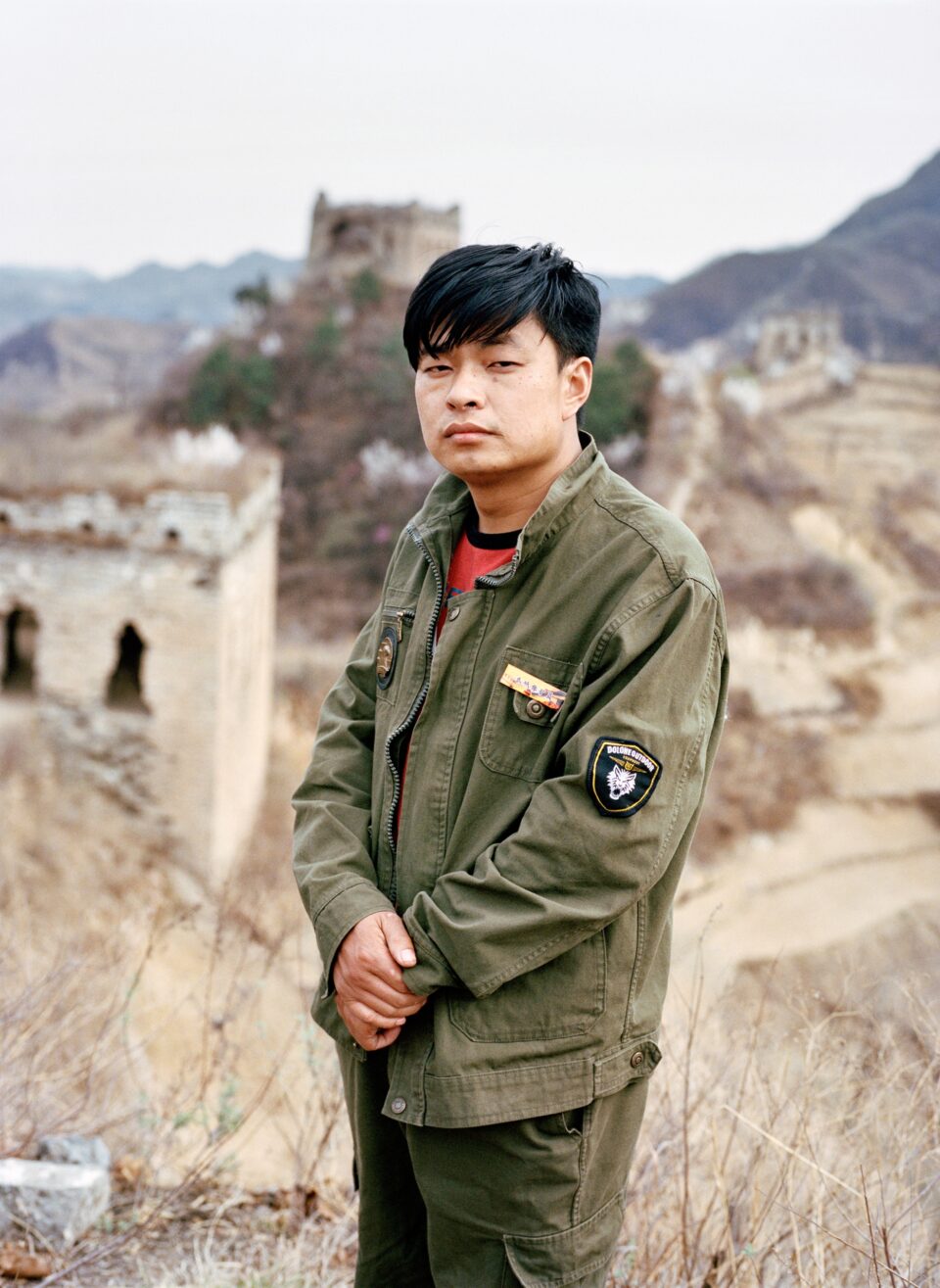
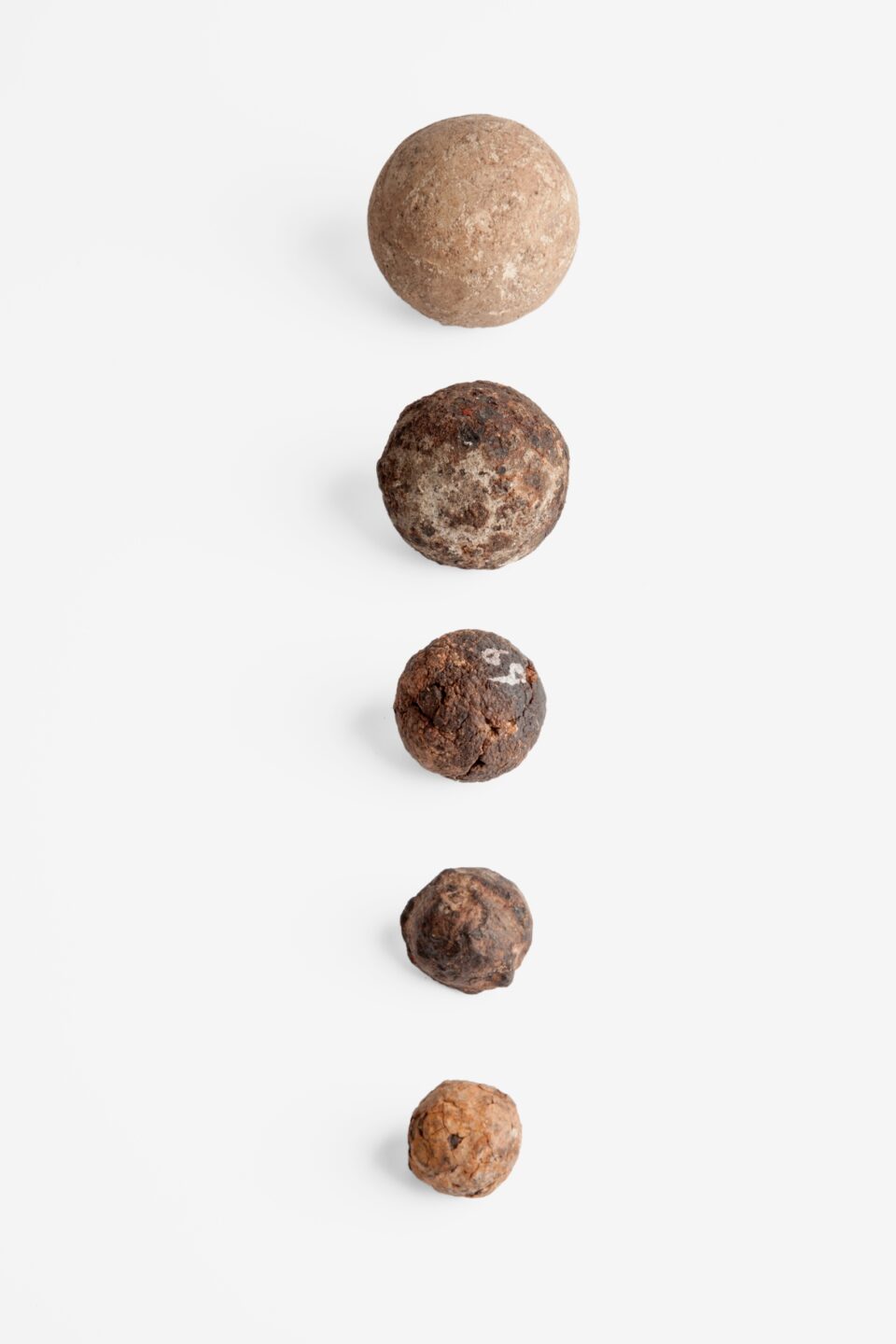
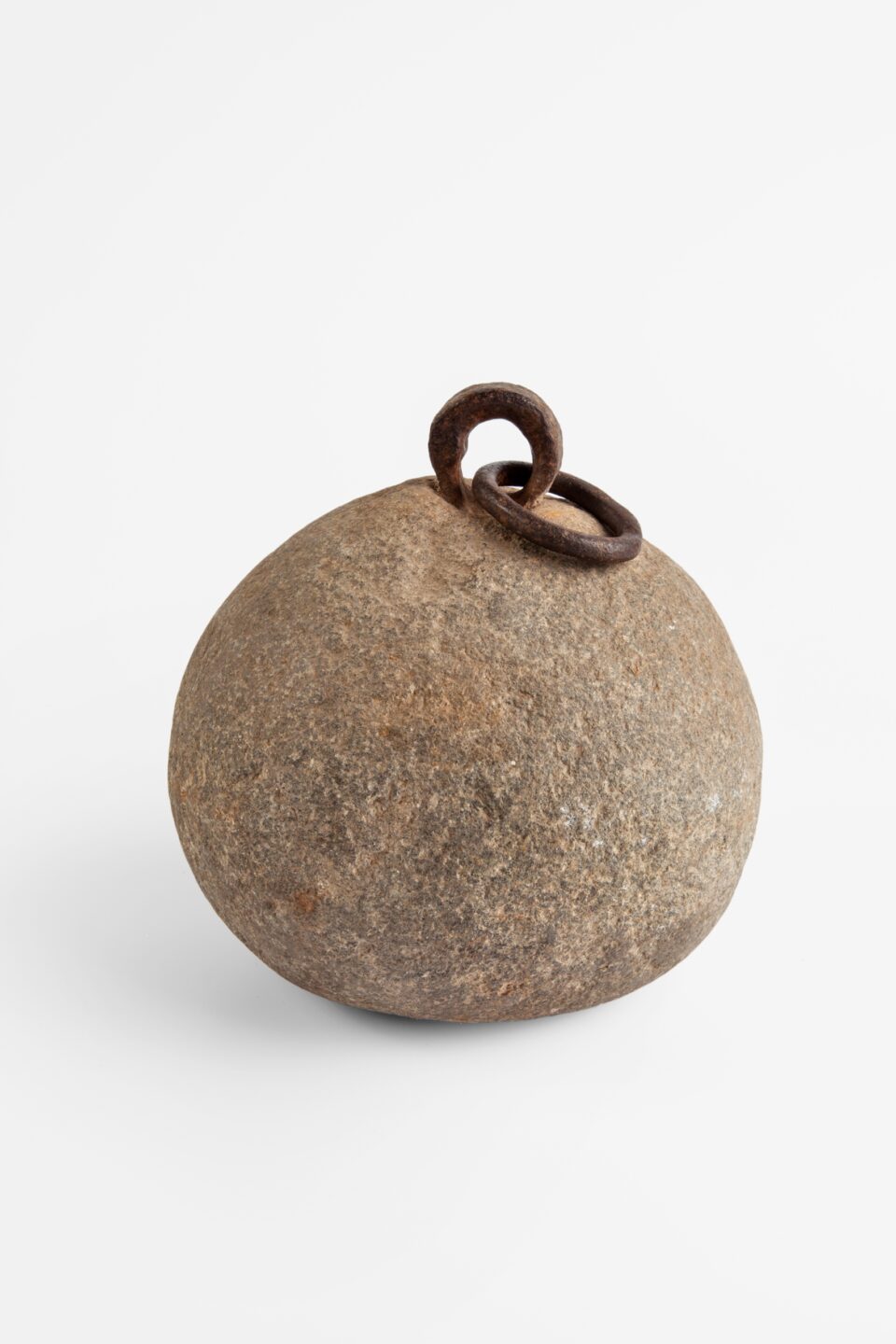
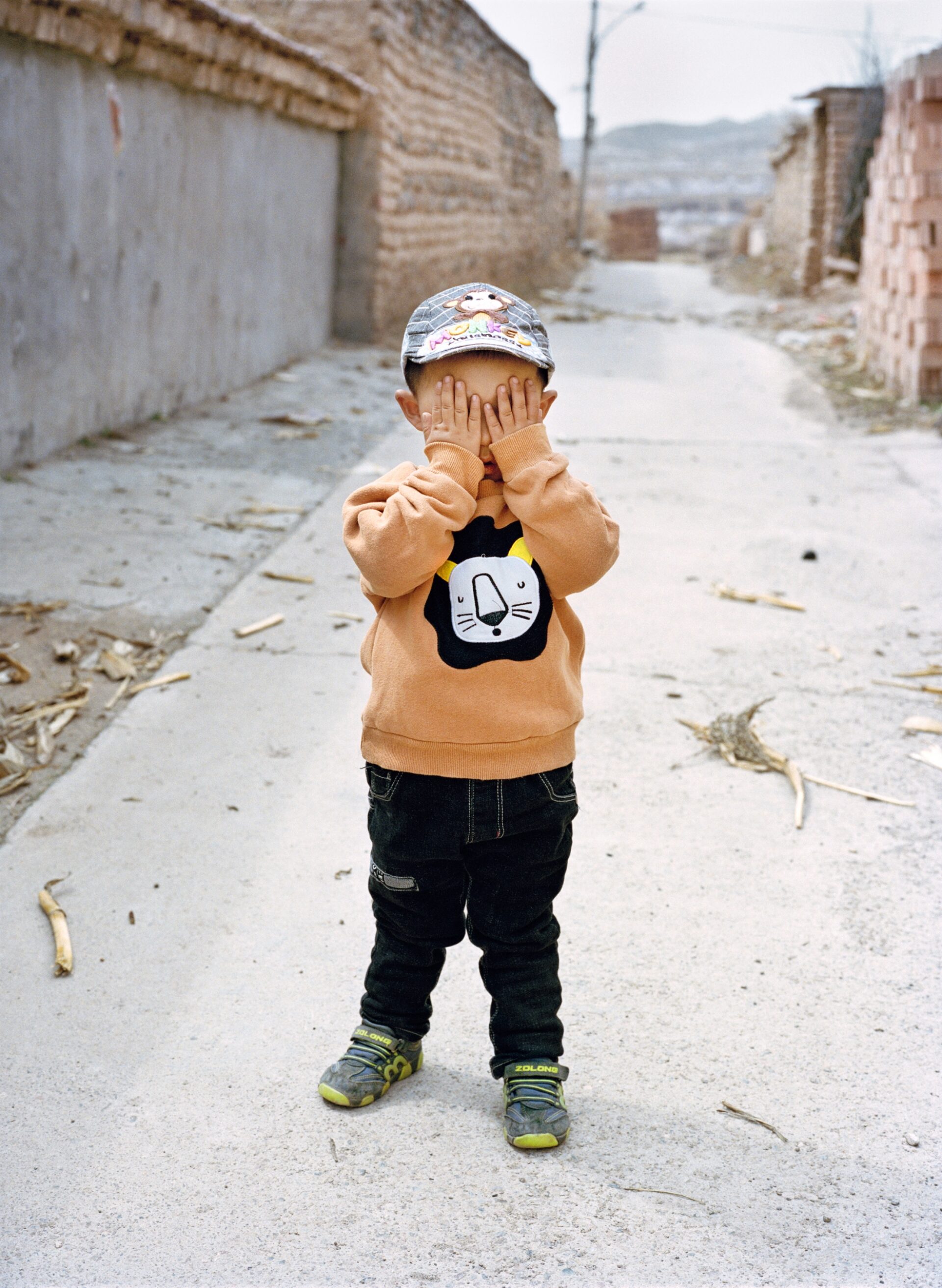
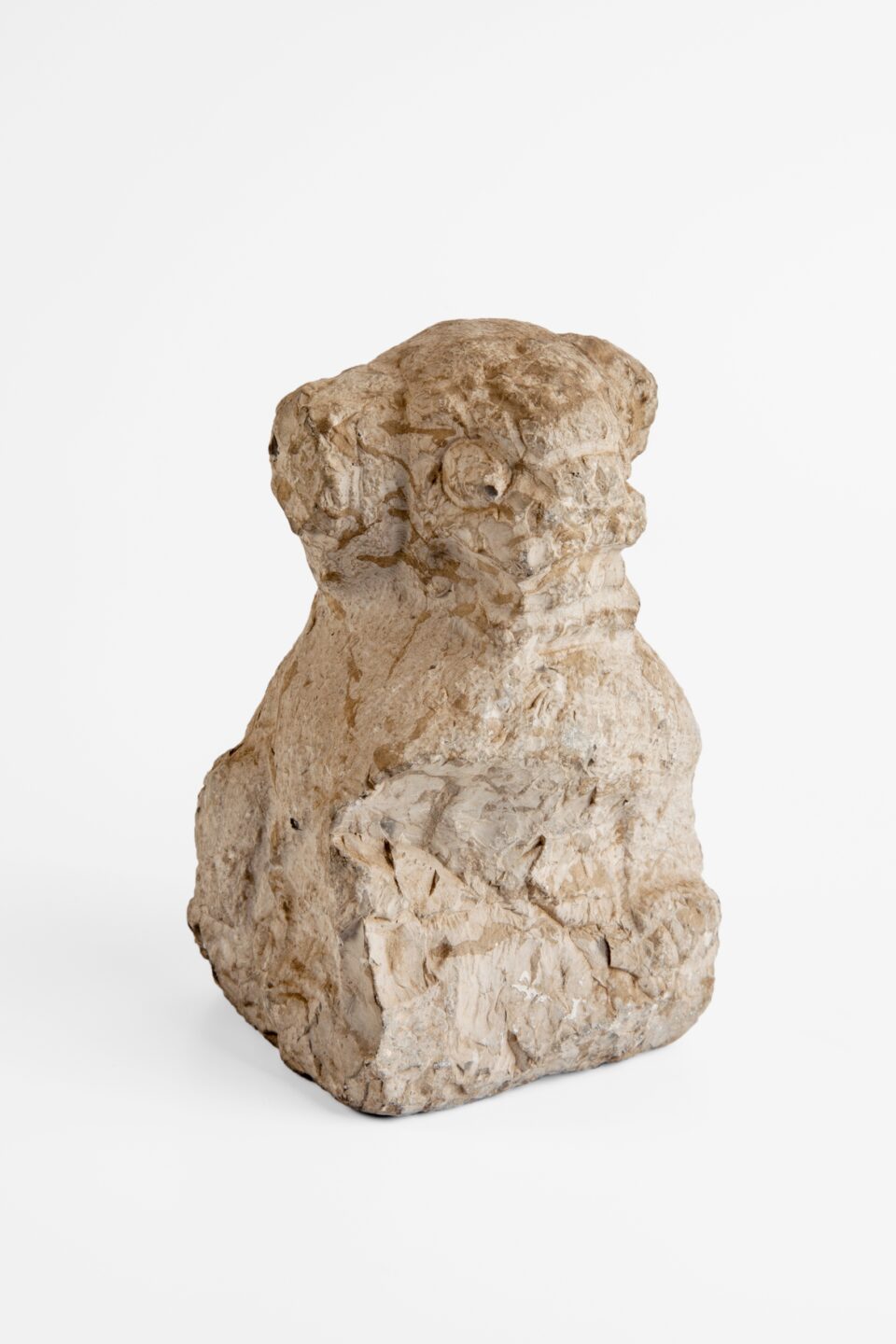
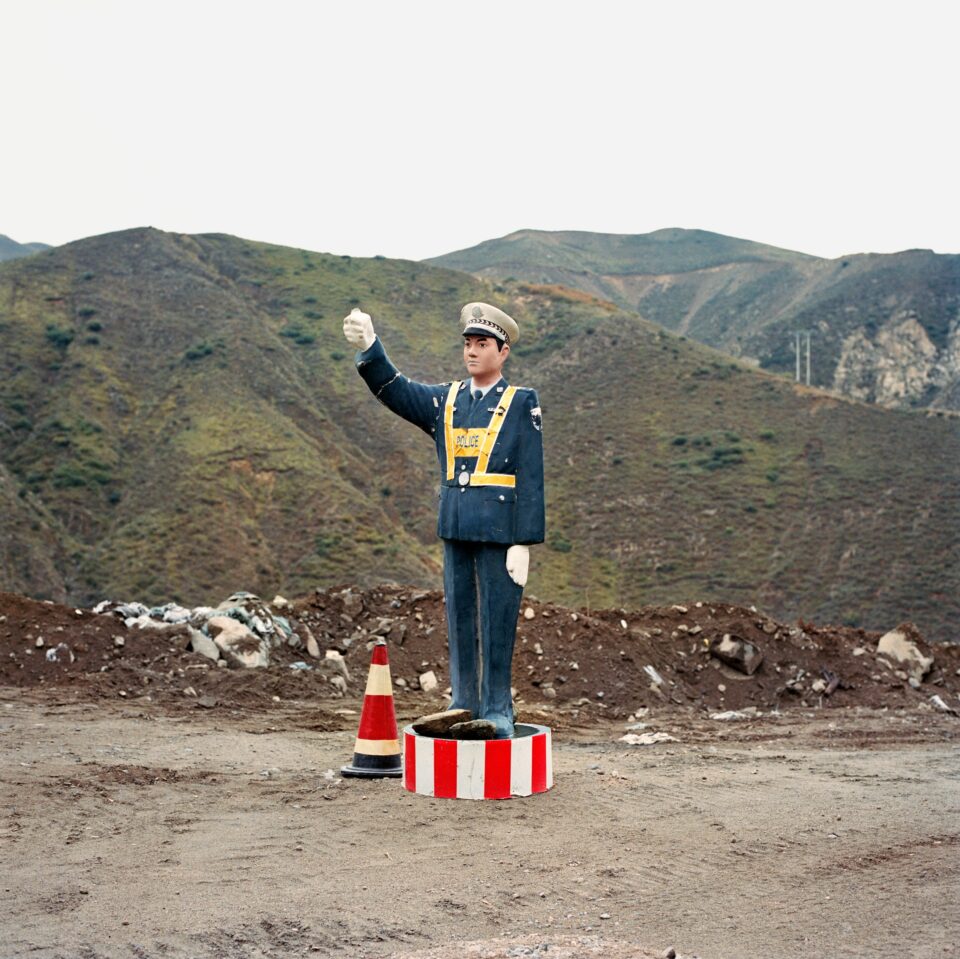
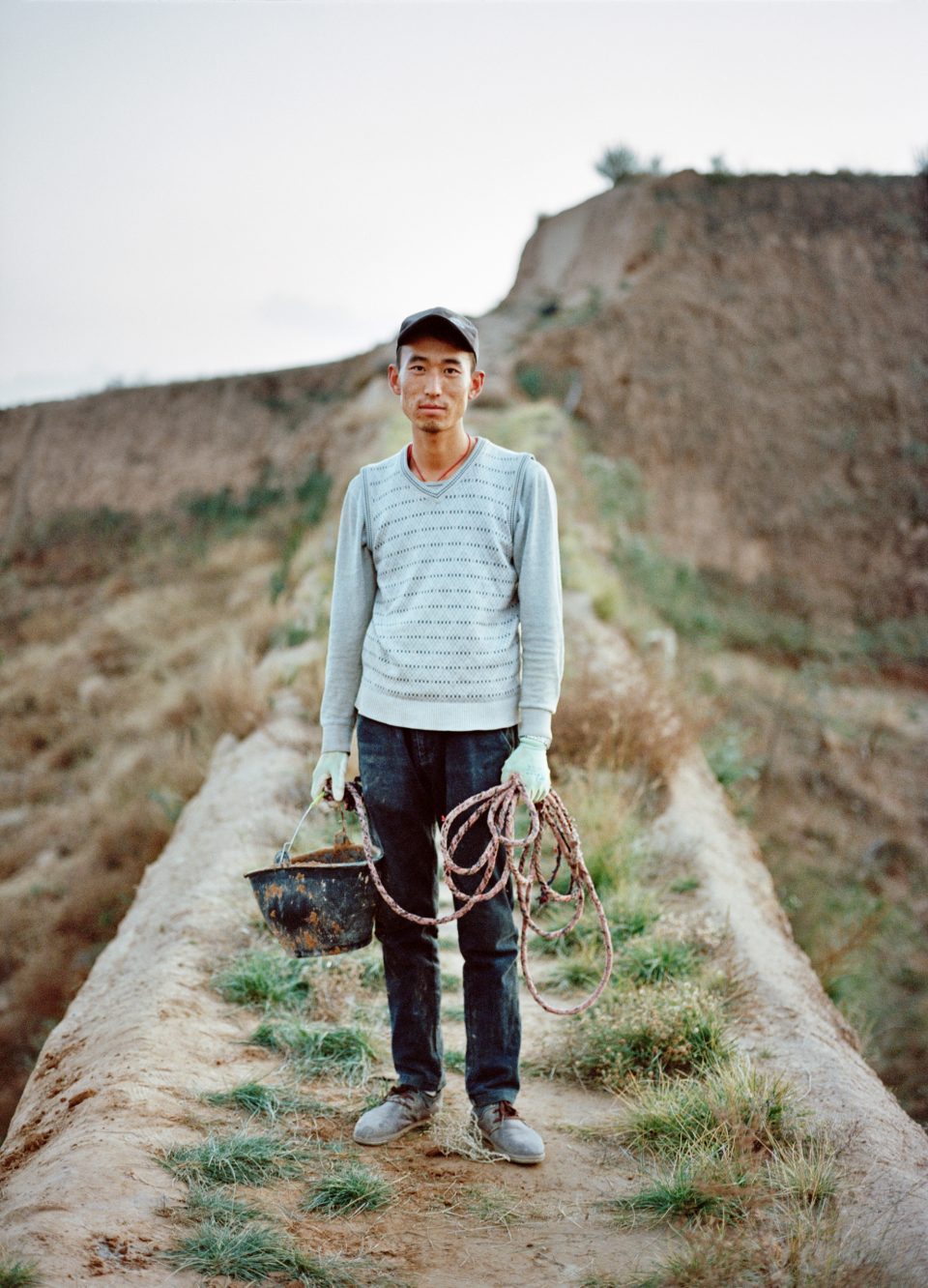
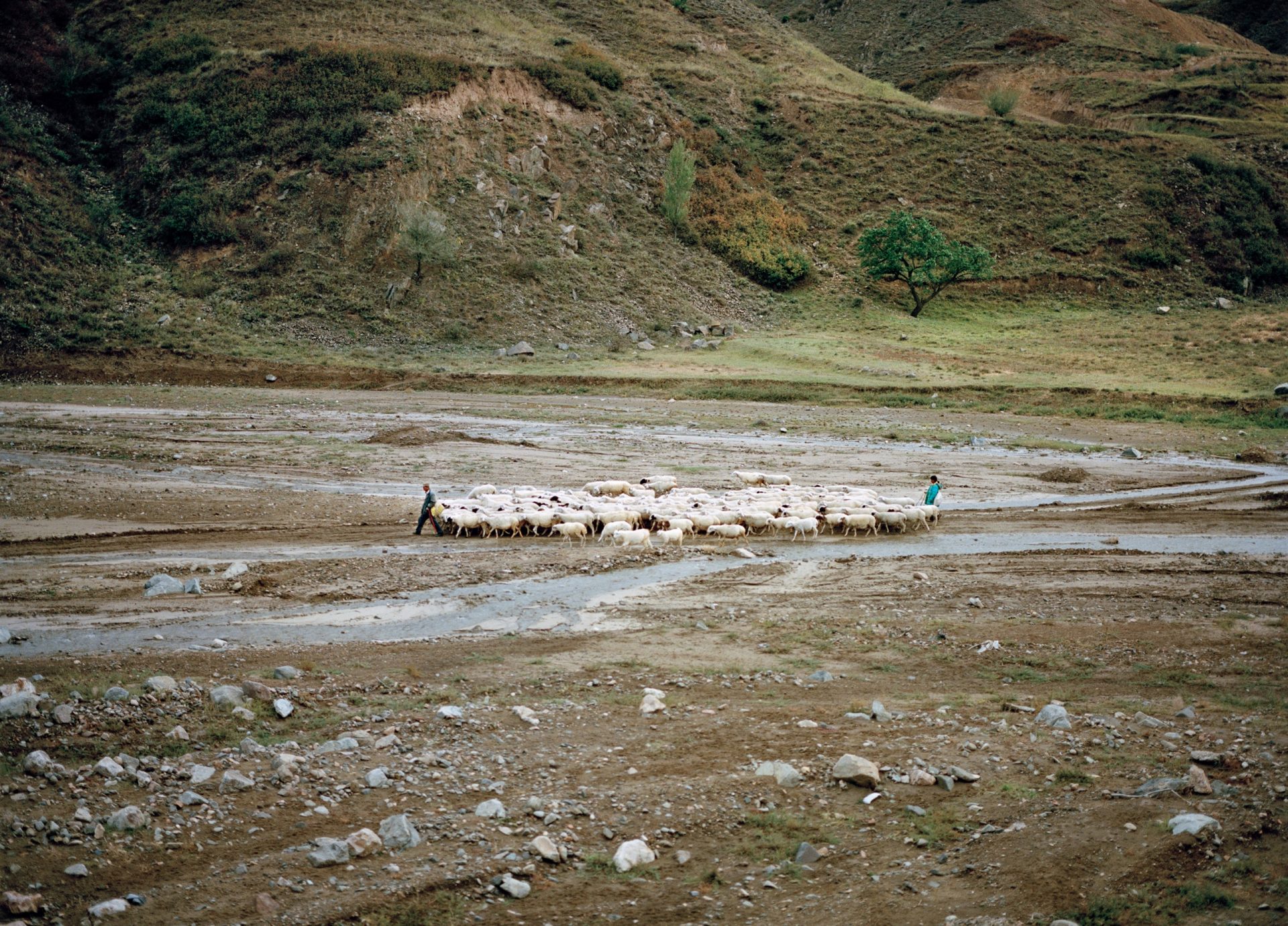
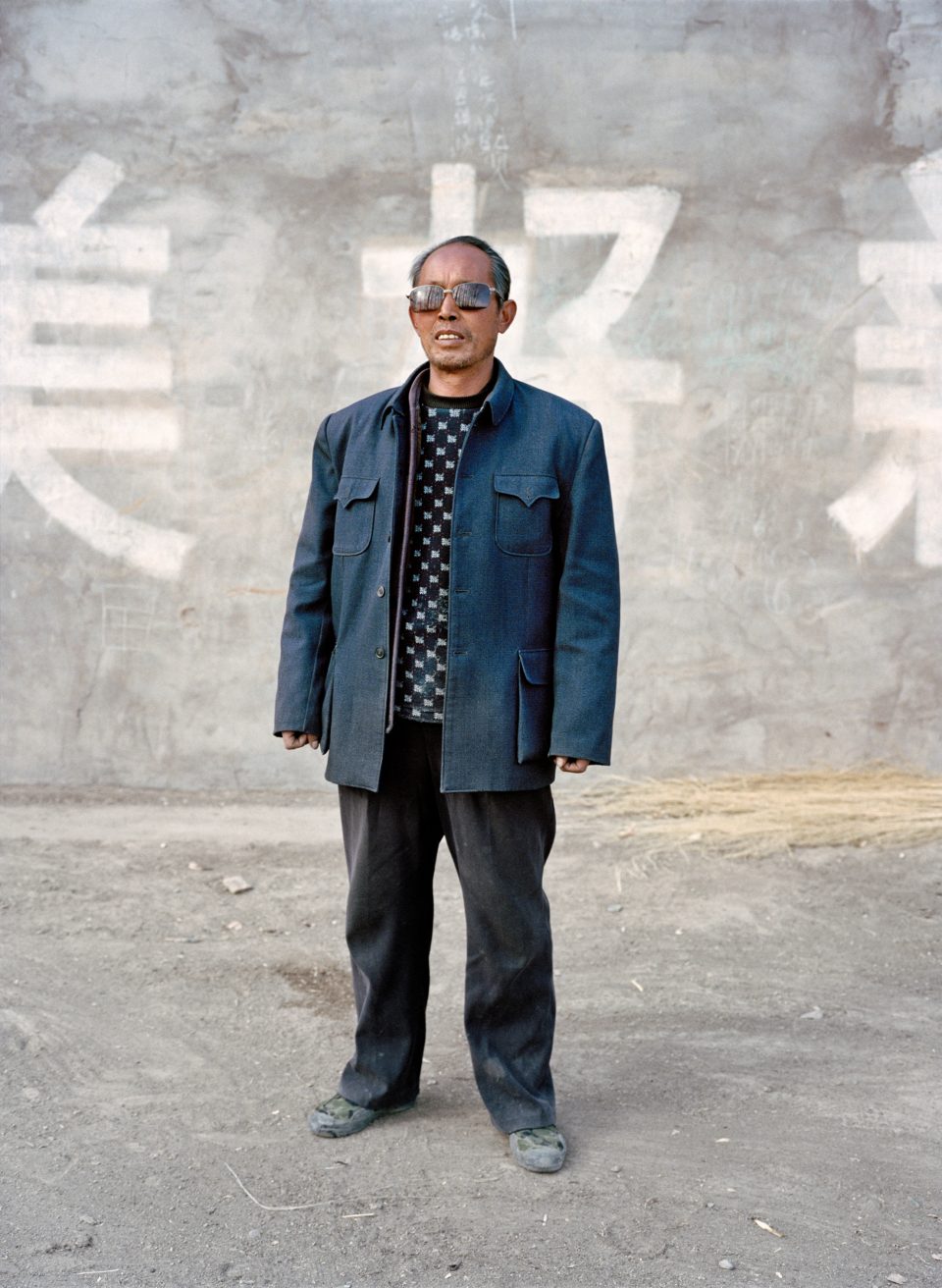
Rather than approaching the Great Wall only as a monument, border or national symbol, I became interested in the relationship people still have with it. Along the way I met elderly residents, children, shepherds and local Wall protectors. The Wall is guarded and repaired, walked alongside, used as part of the landscape and woven into everyday routines. Children play beside its ruins, shepherds move through the surrounding hills, Wall protectors collect objects found during their patrols, and local festivals and rituals continue nearby.
THE TRADITIONAL FOLK TALE OF THE LONG WALL 26
New Year’s Bobo
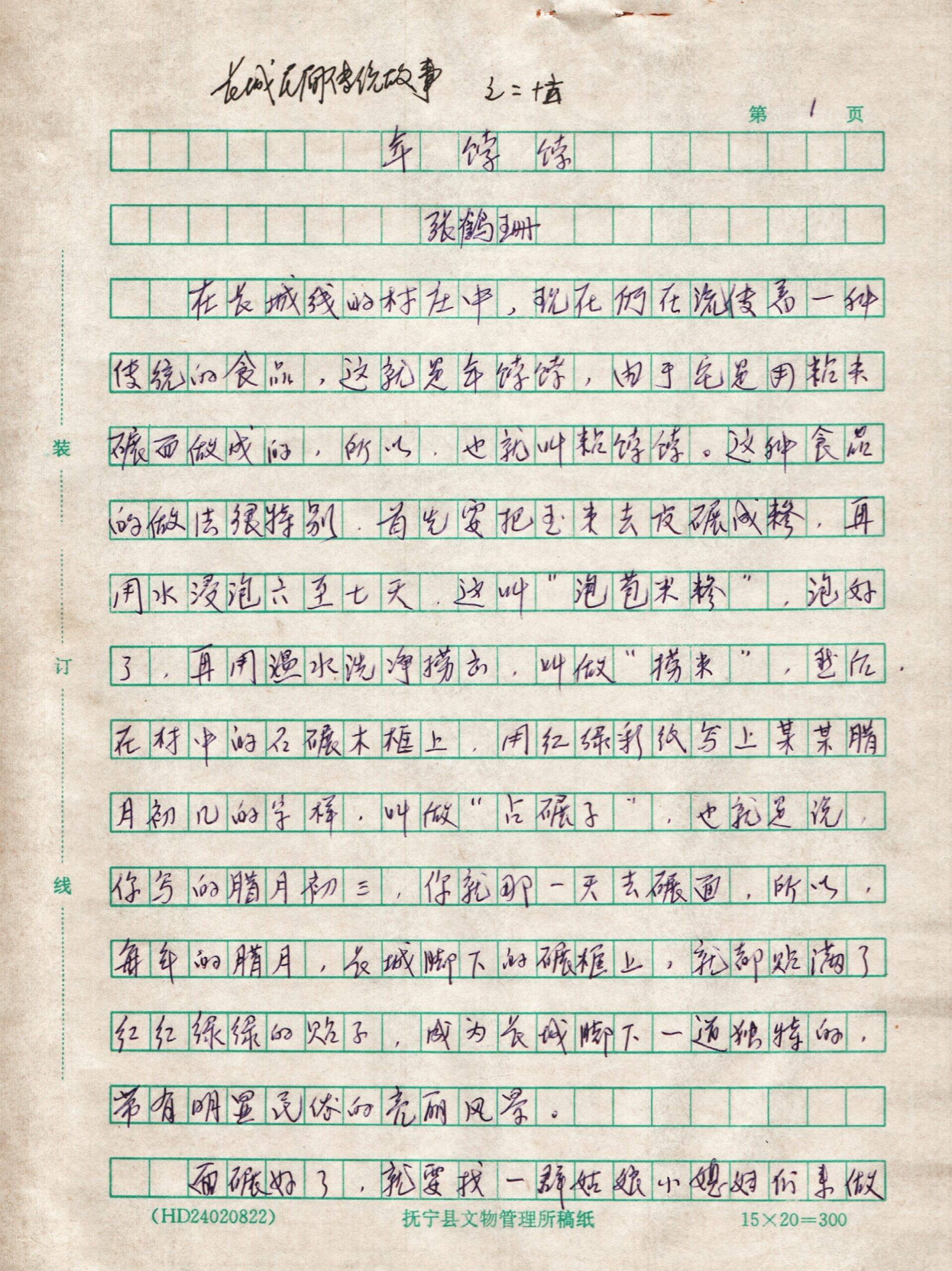
In the villages alongside the Long Wall, there is a kind of traditional Chinese food which is still popular now: New Year’s bobo, a kind of steamed bun. Since it is made of glutinous rice mixed with flour, it is also called sticky bobo’. (Sticky and year have the same pronunciation in Chinese.) This food is made according to a special process.
First, grind the husked kernels of corn into grits, and then soak them into water for six or seven days. This step is called paobaomishen (soaking grits). When it
is done, rinse them with warm water and then pick out the grits. This step is called laomi (fishing out the grains). Then write the date of the lunar month on red or green paper and stick it on the wood frame of a stone roller. This step is called zhannianzi (taking up the roller). It means you should grind the kernels on the day you write down the date. At the Lunar New Year, every twelve lunar months, you can see a lot of red and green stickers on the frames of rollers, a special and beautiful sight featuring traditional folk customs…
THE TRADITIONAL FOLK TALE OF THE LONG WALL 15
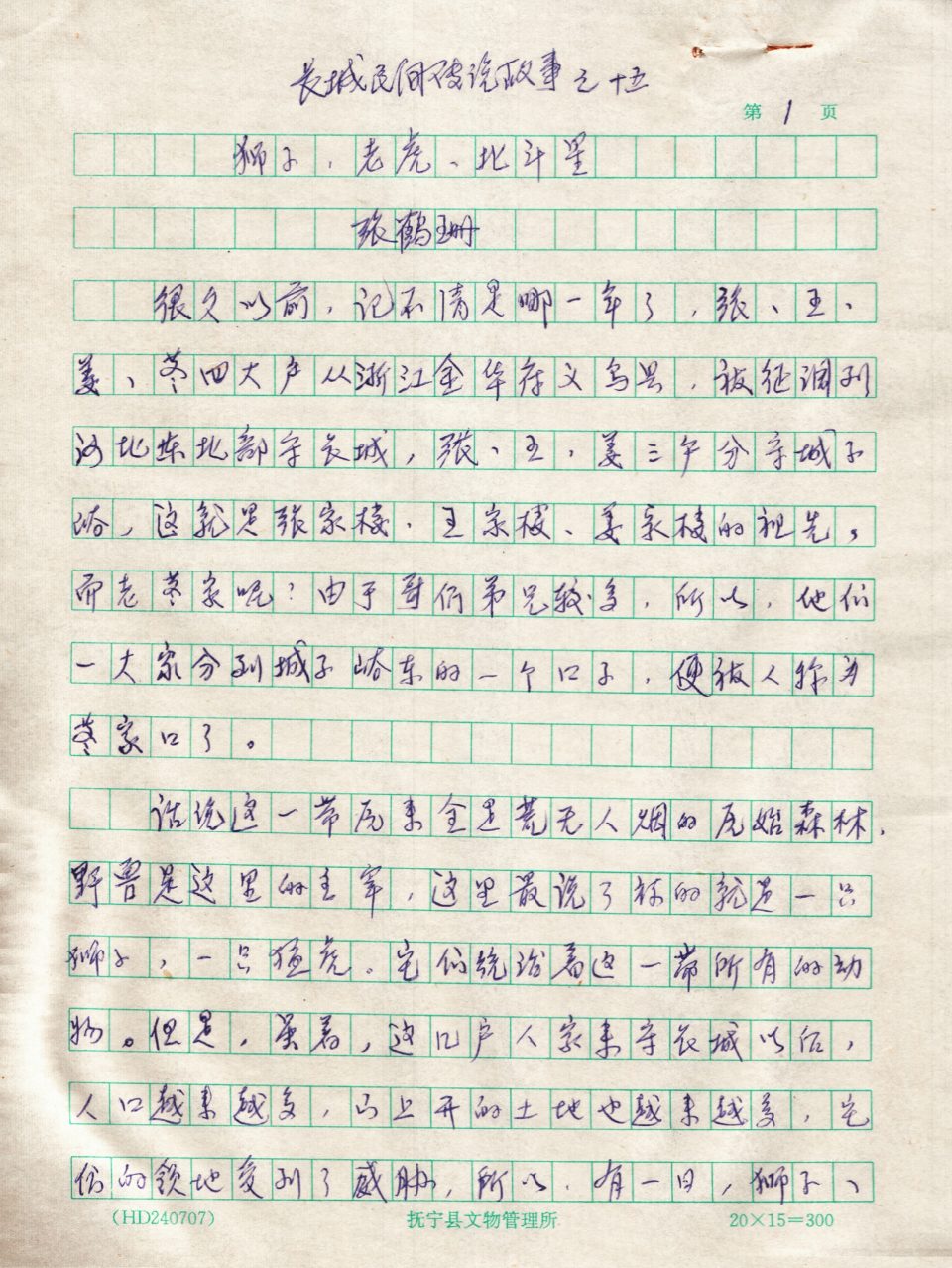
Lion,Tiger, Big Dipper
Once upon a time, which year I cannot remember exactly, four big families named Zhang, Wang, Jiang and Dong were recruited from Yiwu County, Jinhua City, Zhejiang Province to the northeast of Hebei Province to garrison the Long Wall. The Zhangs, Wangs and Jiangs were assigned to garrison the Chengziyu; these were the ancestors of the three families. What about the Dongs? Because there were so many brothers, they were assigned to a gateway east of the Chengziyu. Therefore, from then on, the gateway was named after the Dong family.
In those days, there were primordial forests without any human habitation in this region. At that time, beasts dominated this place, and a lion and a tiger ruled over all the animals here. However, when the four families came here, the number of people living in the area gradually increased, and the lands they ploughed expanded likewise. The habitats of the wild animals were threatened by human activities. One day, the tiger and the lion met to discuss how to teach people a lesson and let them know the serious consequence of clearing ancient forest to use as farmland…
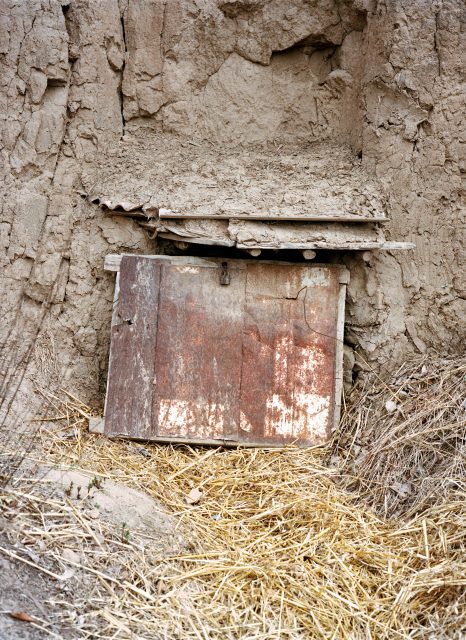
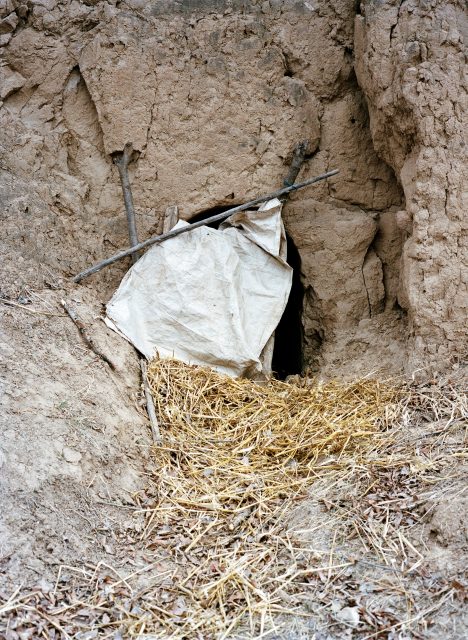
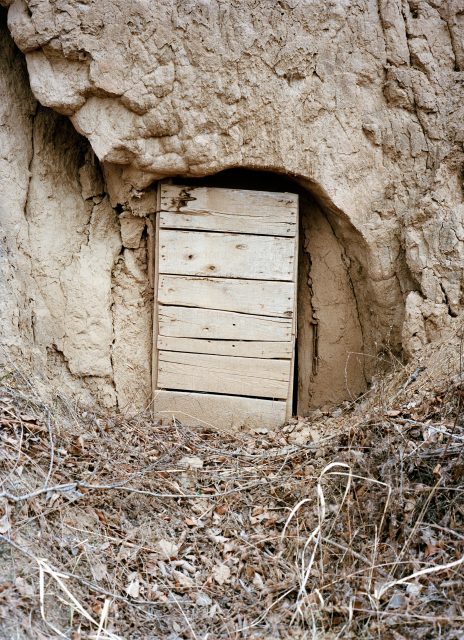
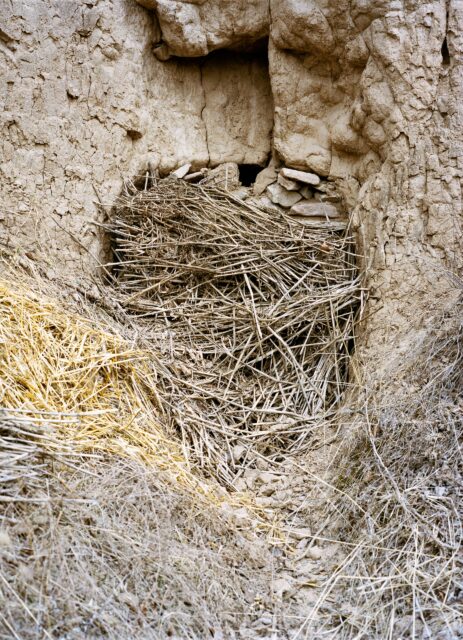
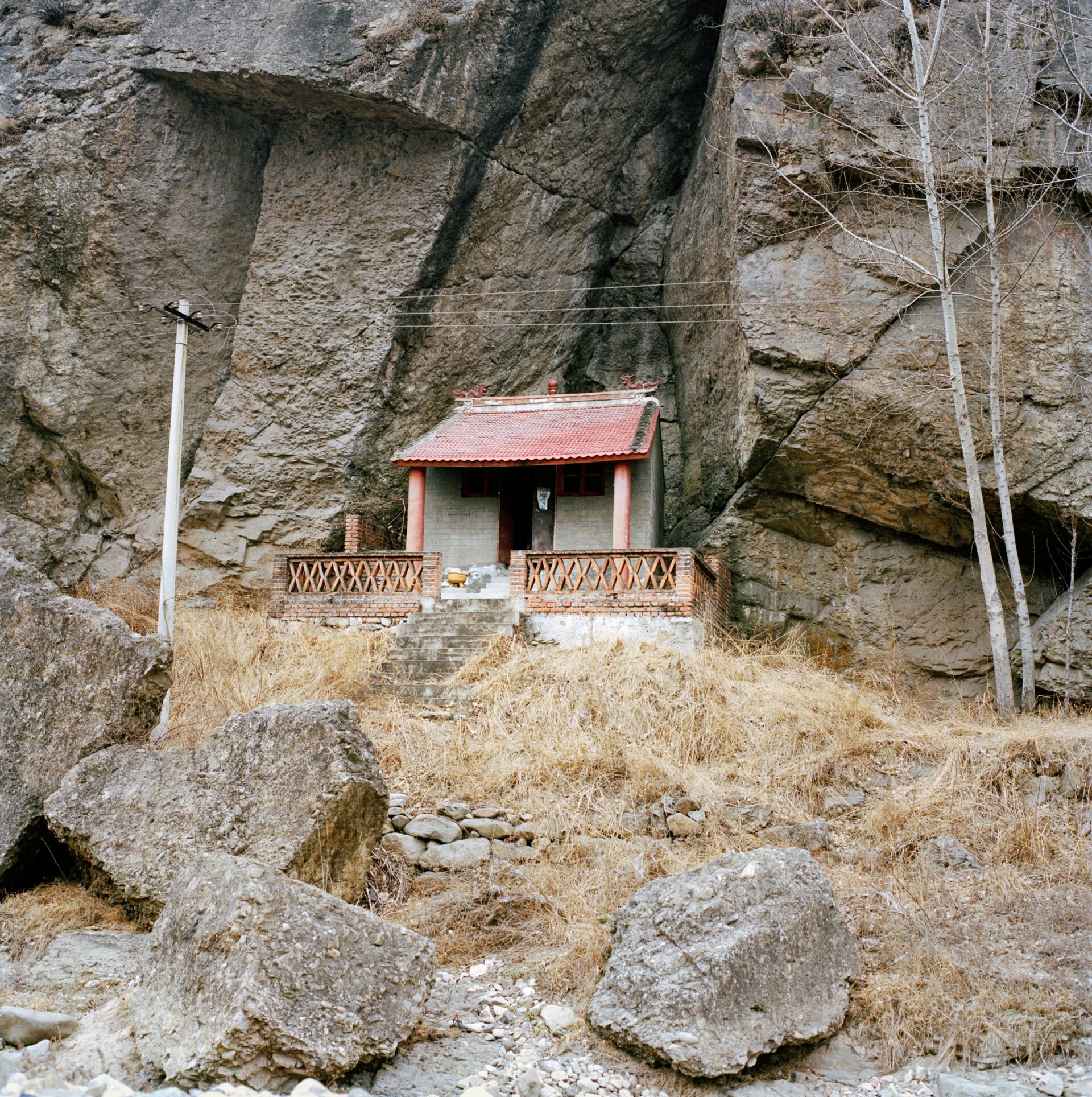
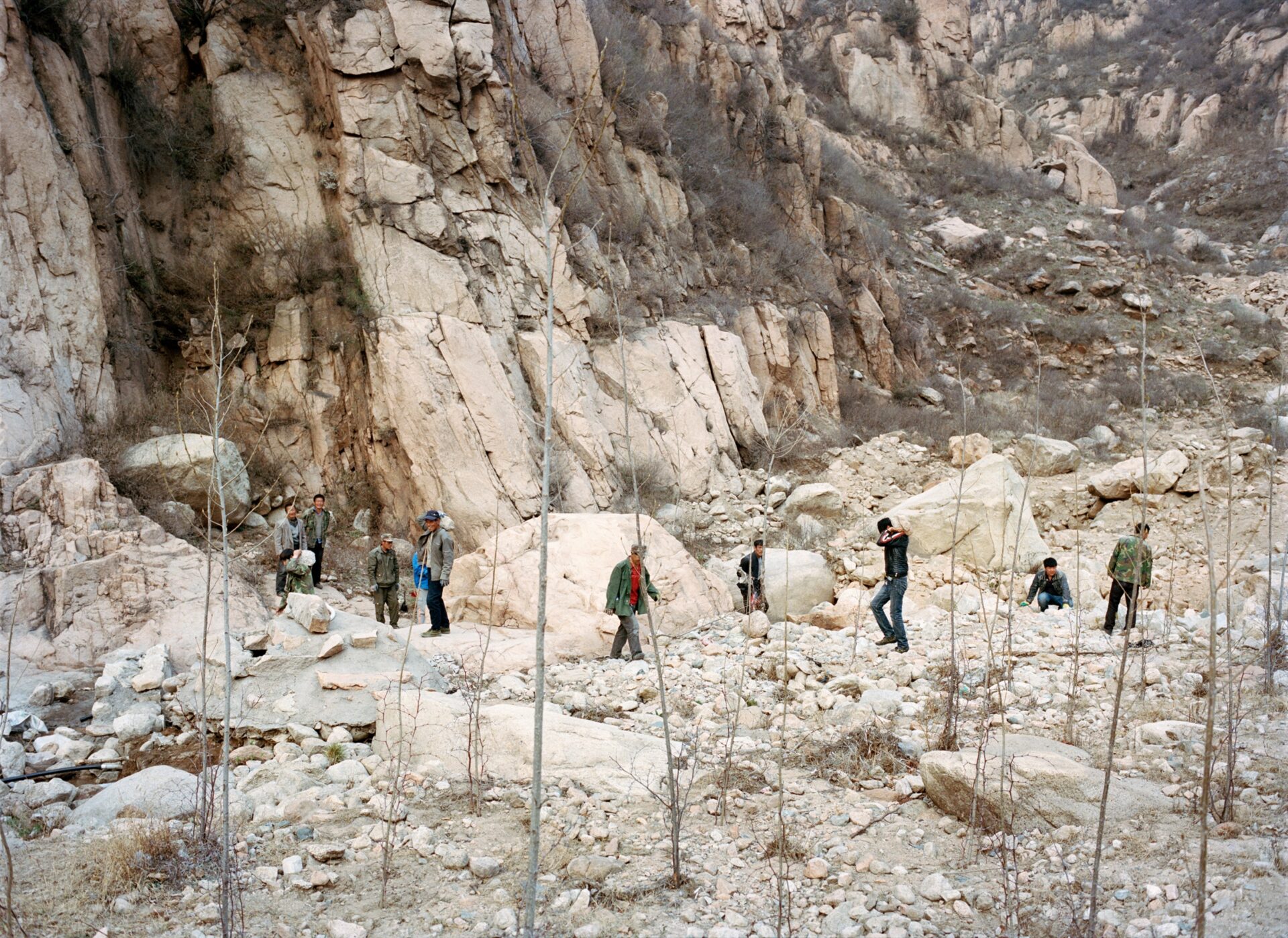
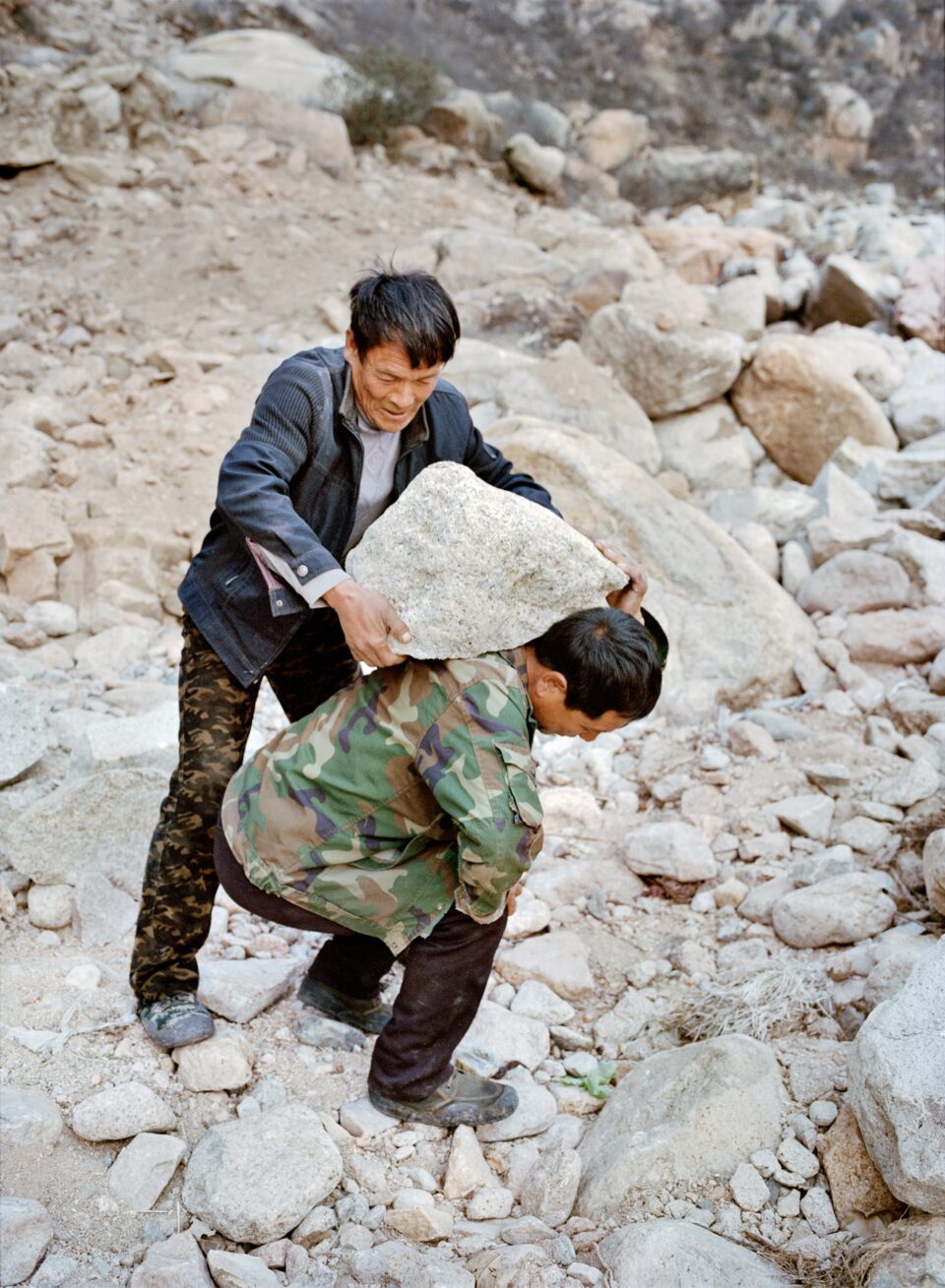
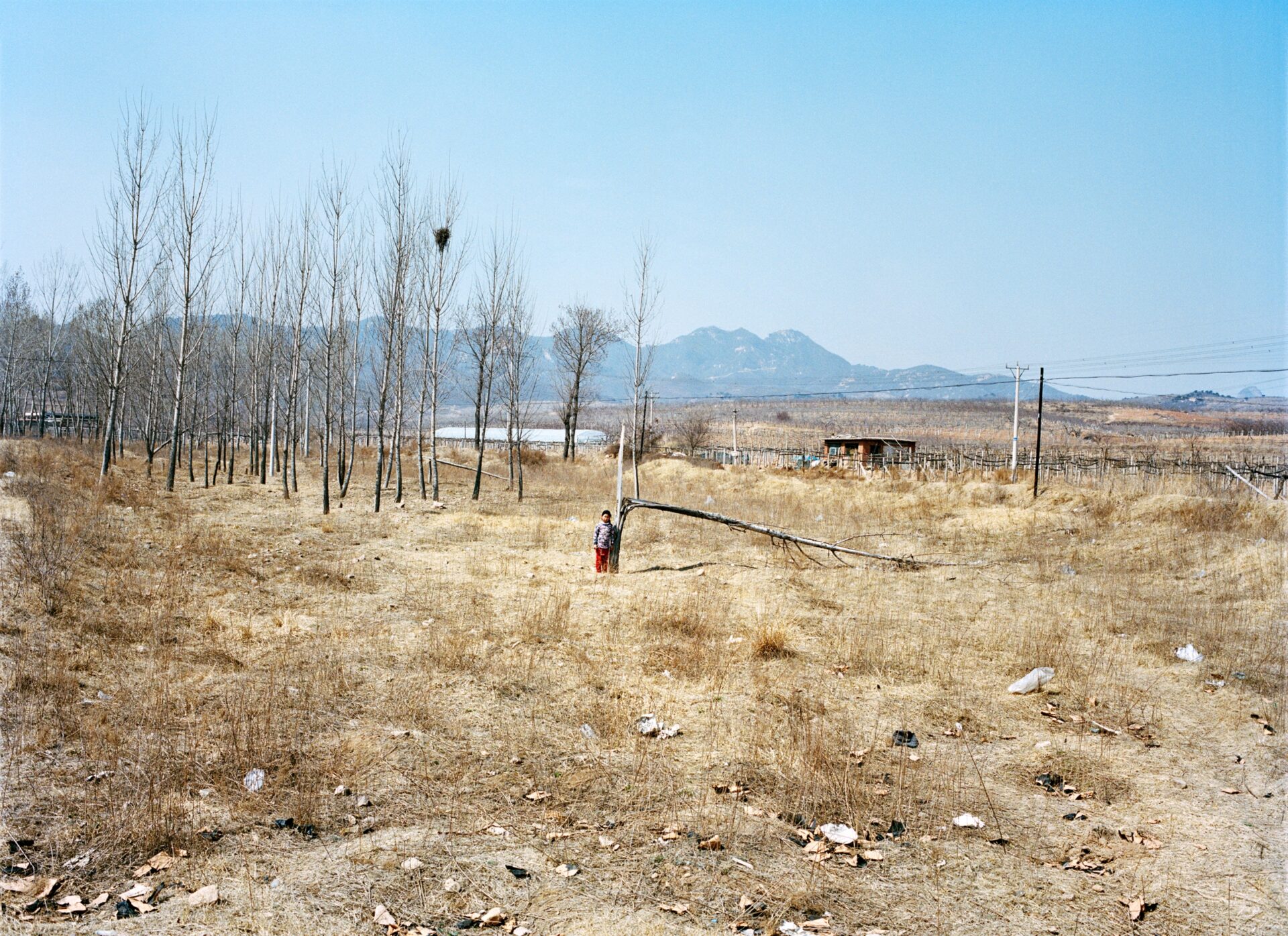
The project also looks at how rapid social and economic change is reshaping these places. Many younger people have left for towns and cities, while older residents and children remain. Traditions persist, but they are changing, just as the Wall itself shifts between preservation and decay. I was interested not only in what was disappearing, but in the forms of continuity that remained: habits, memories, relationships and ways of living that connect people to the landscape and to one another.
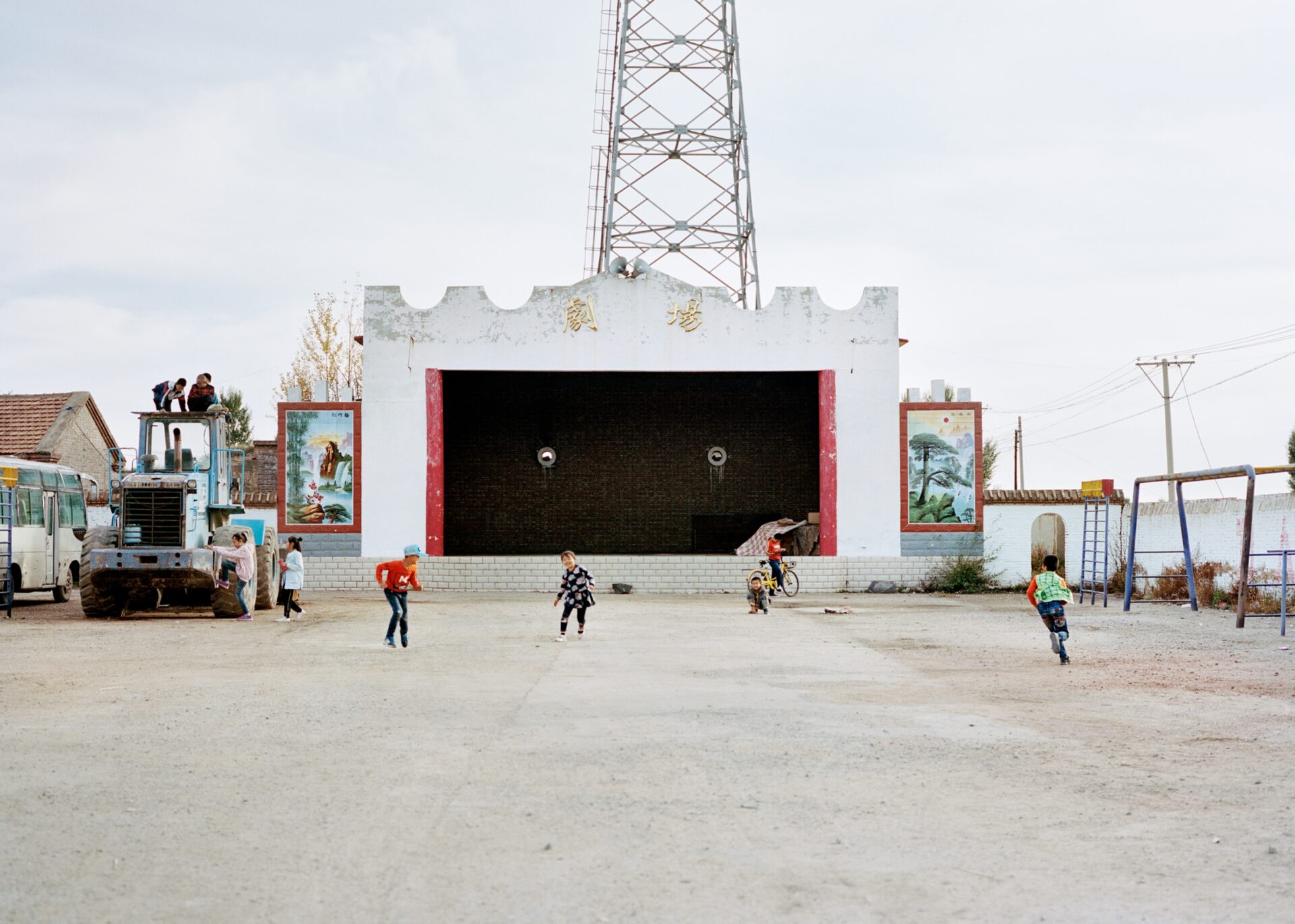
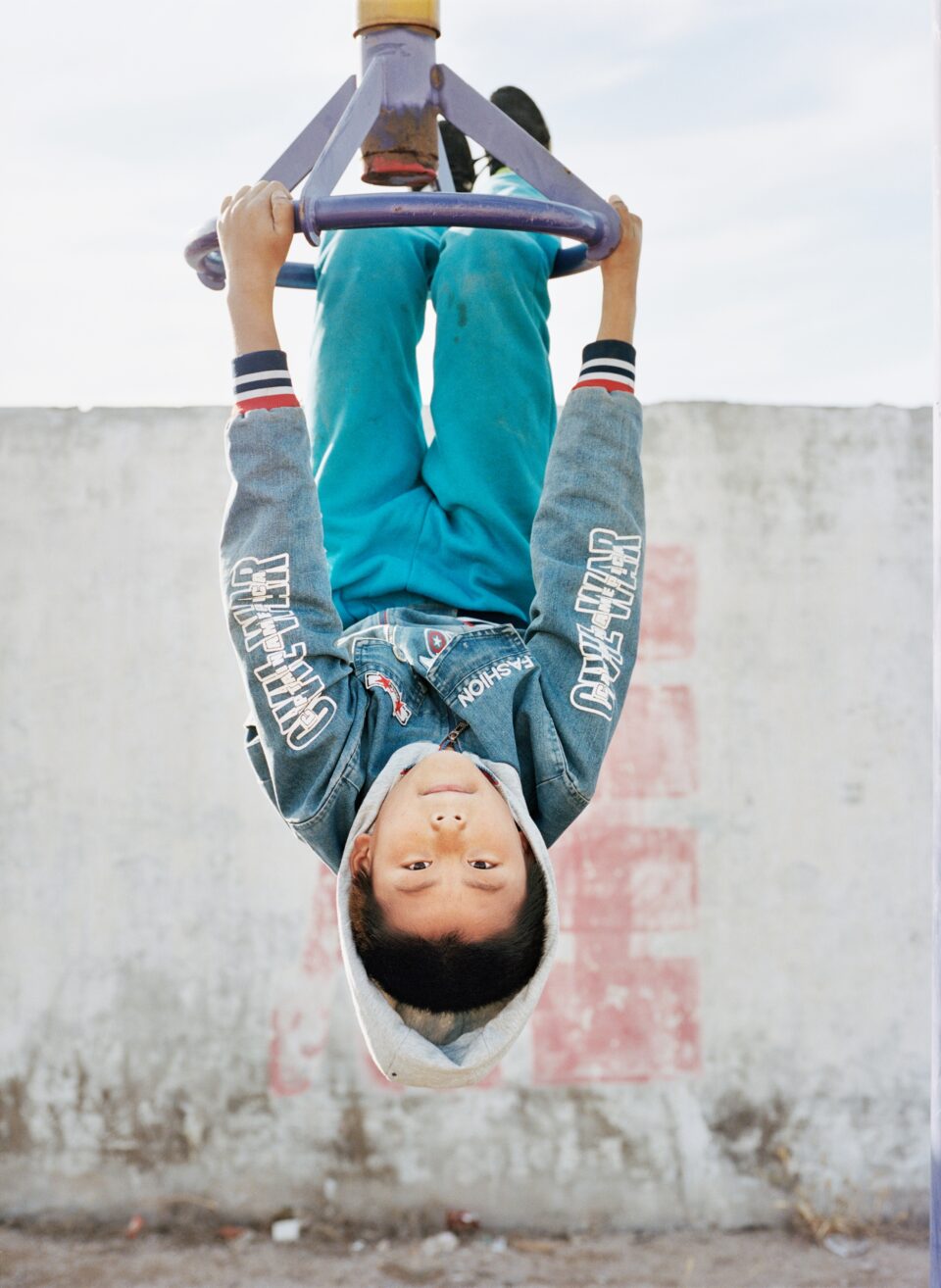
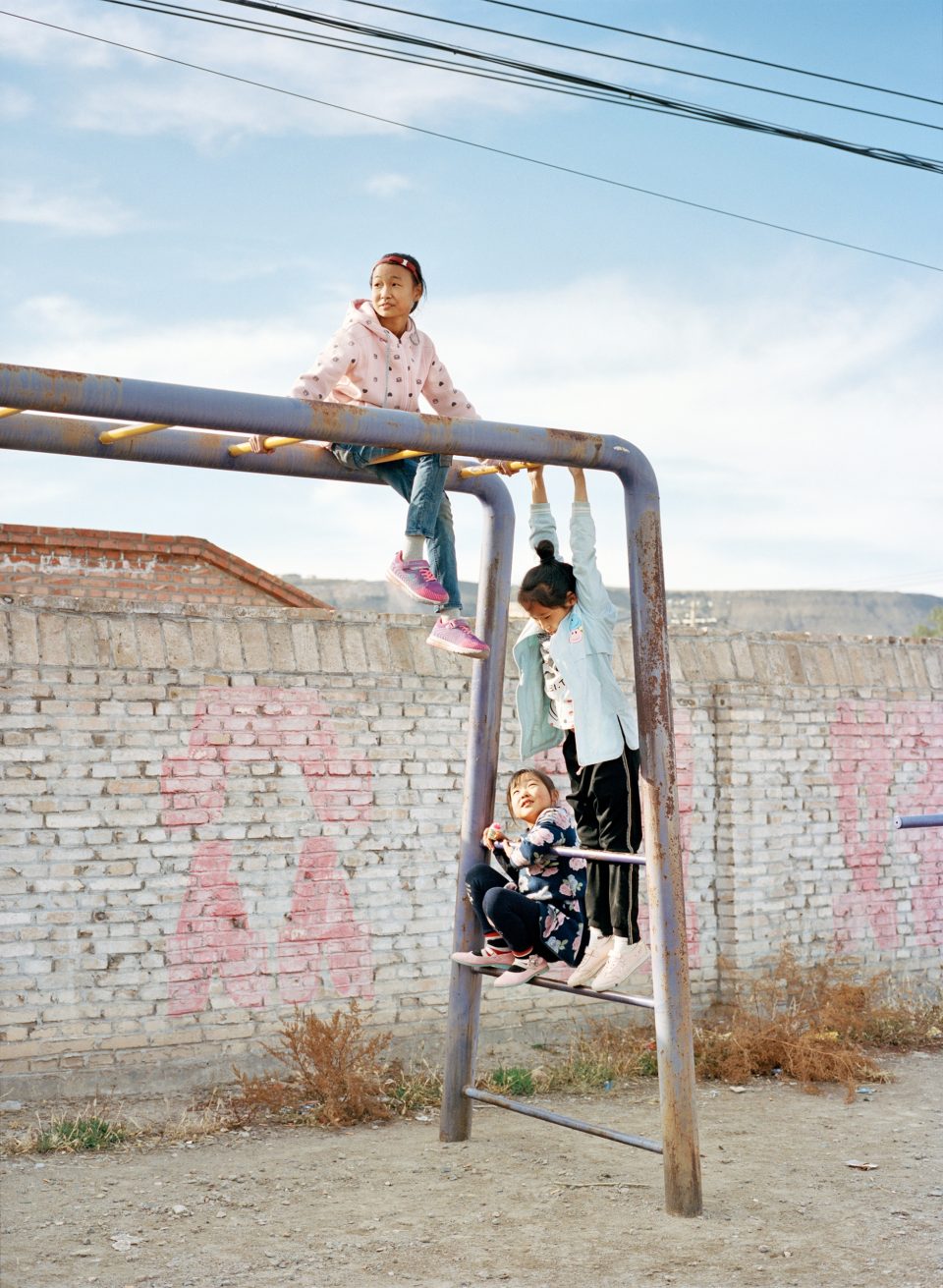
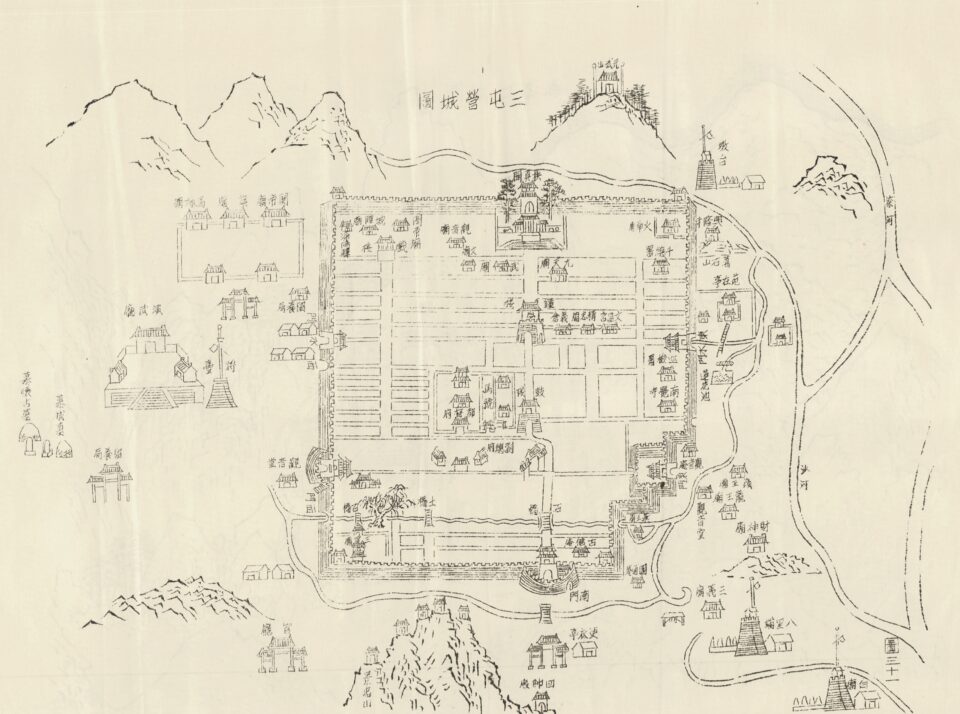
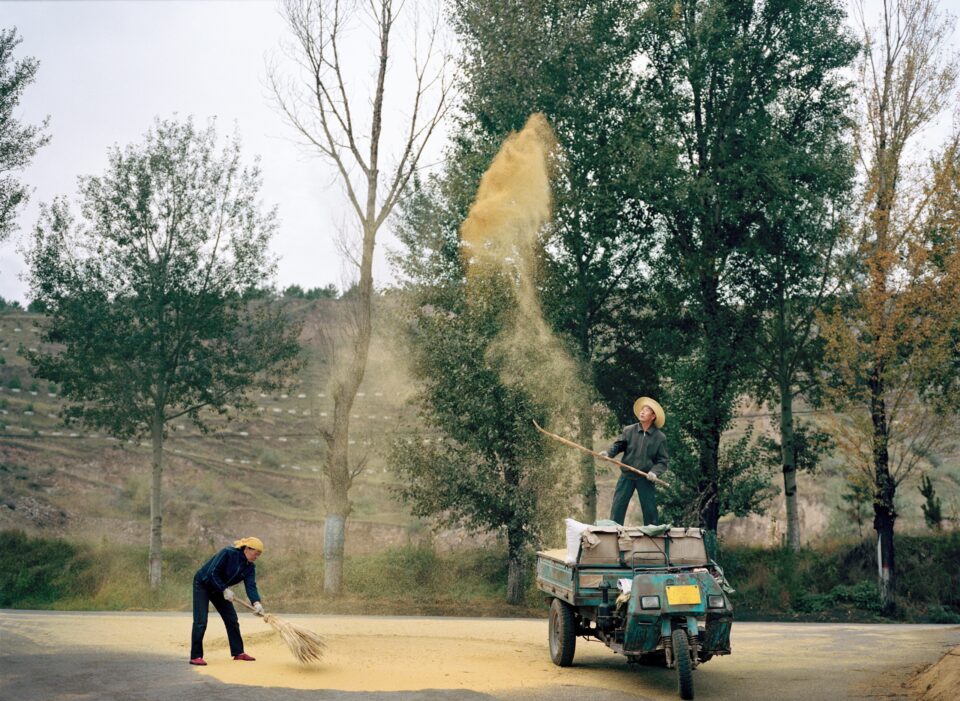
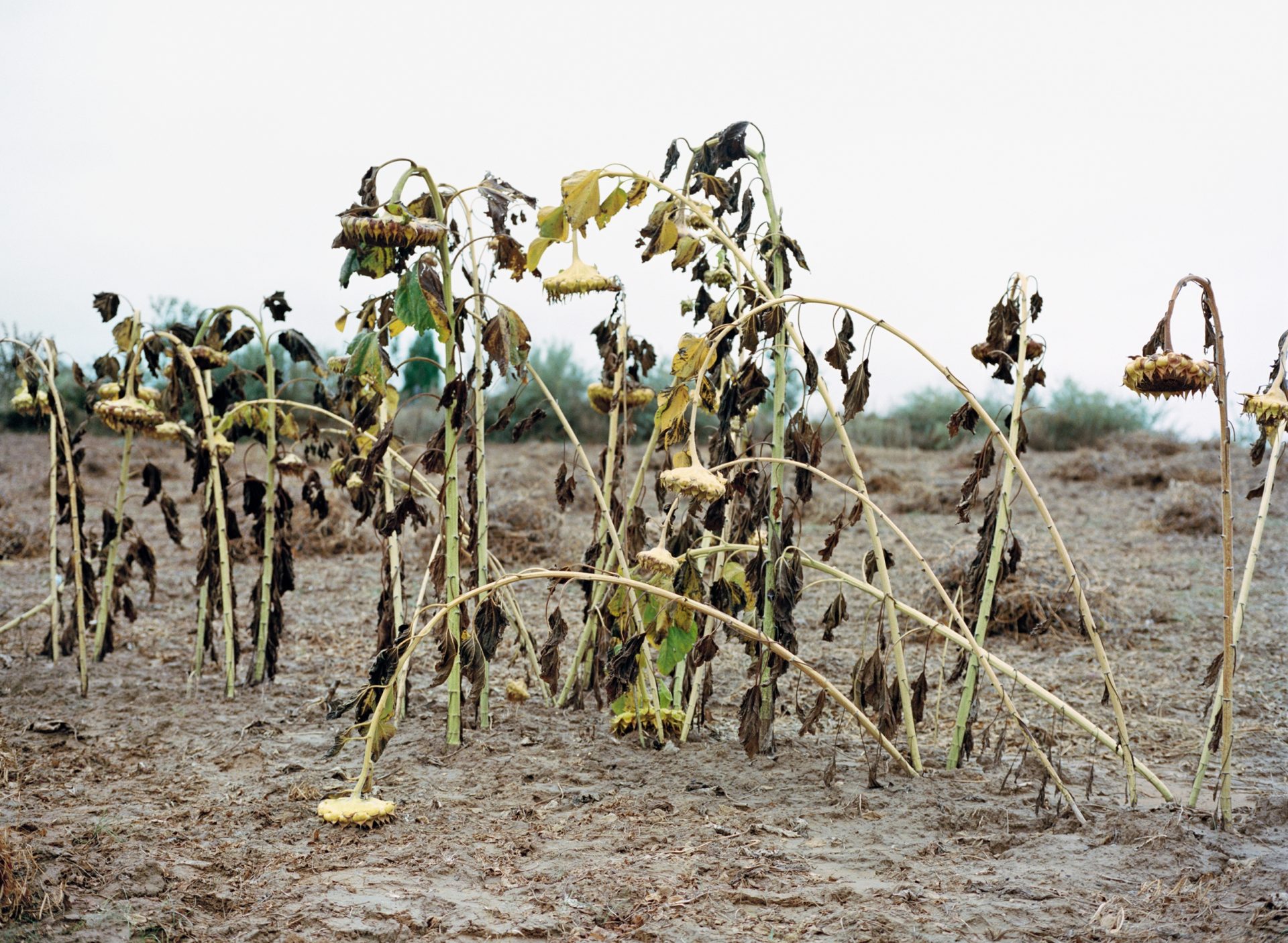
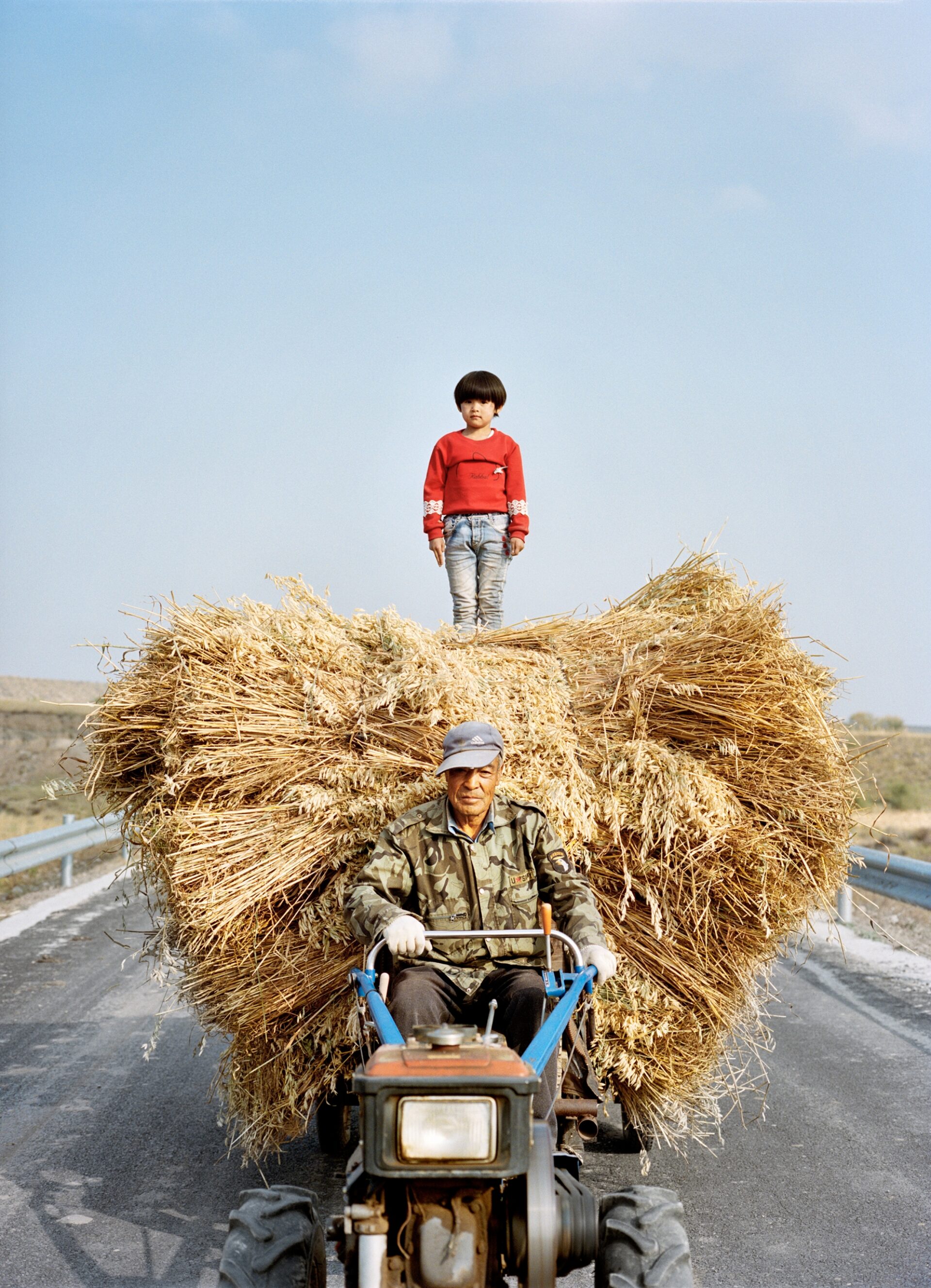
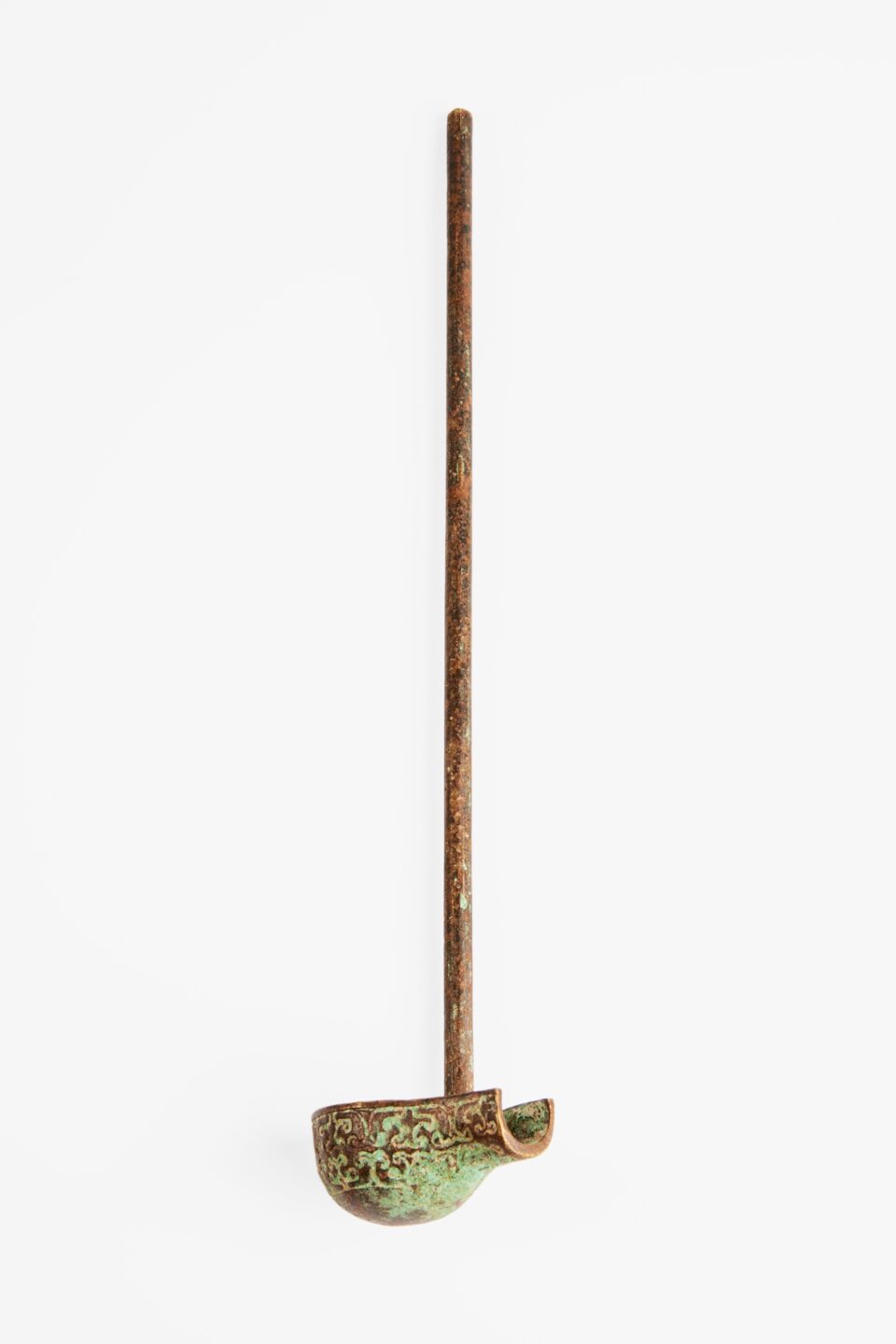
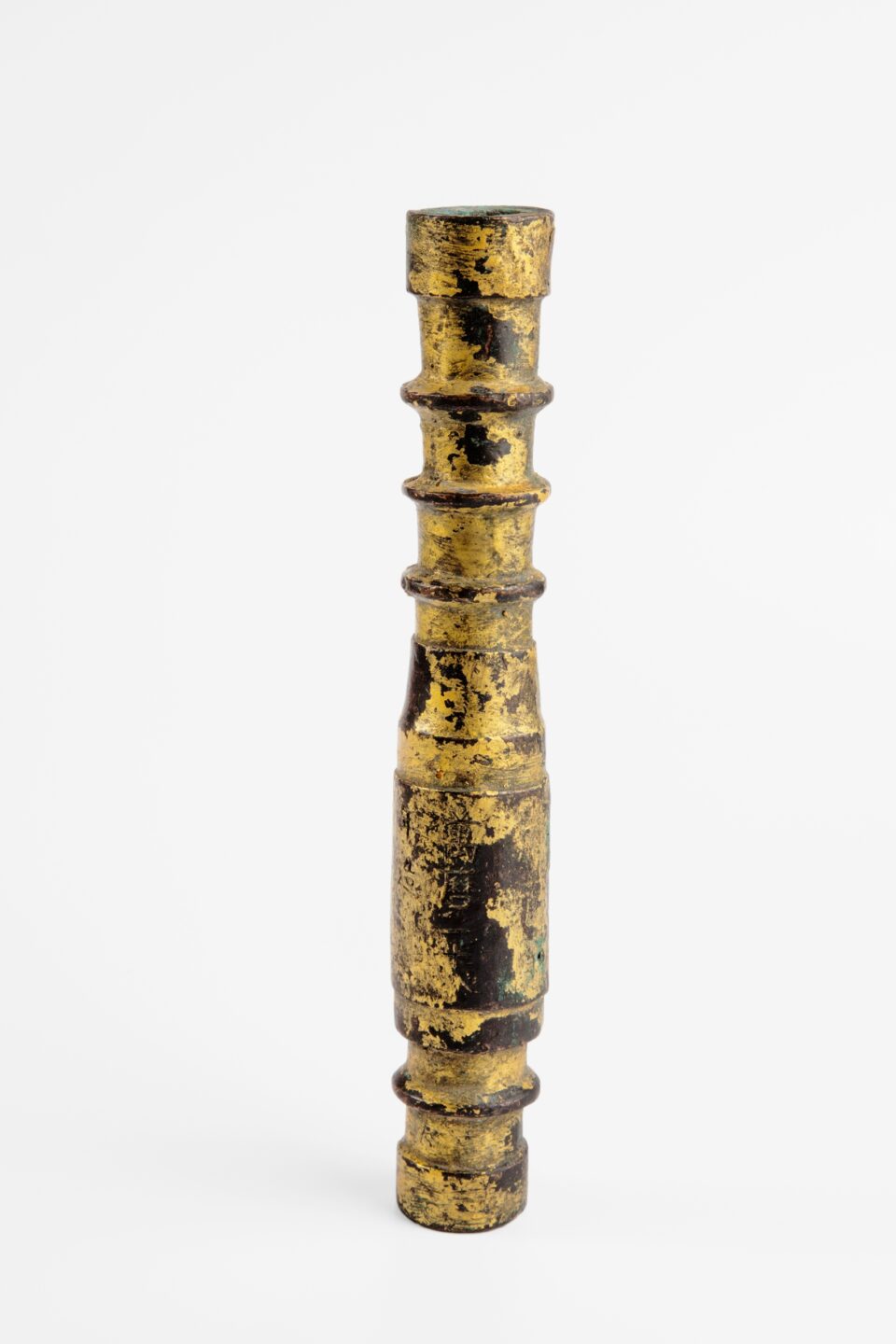
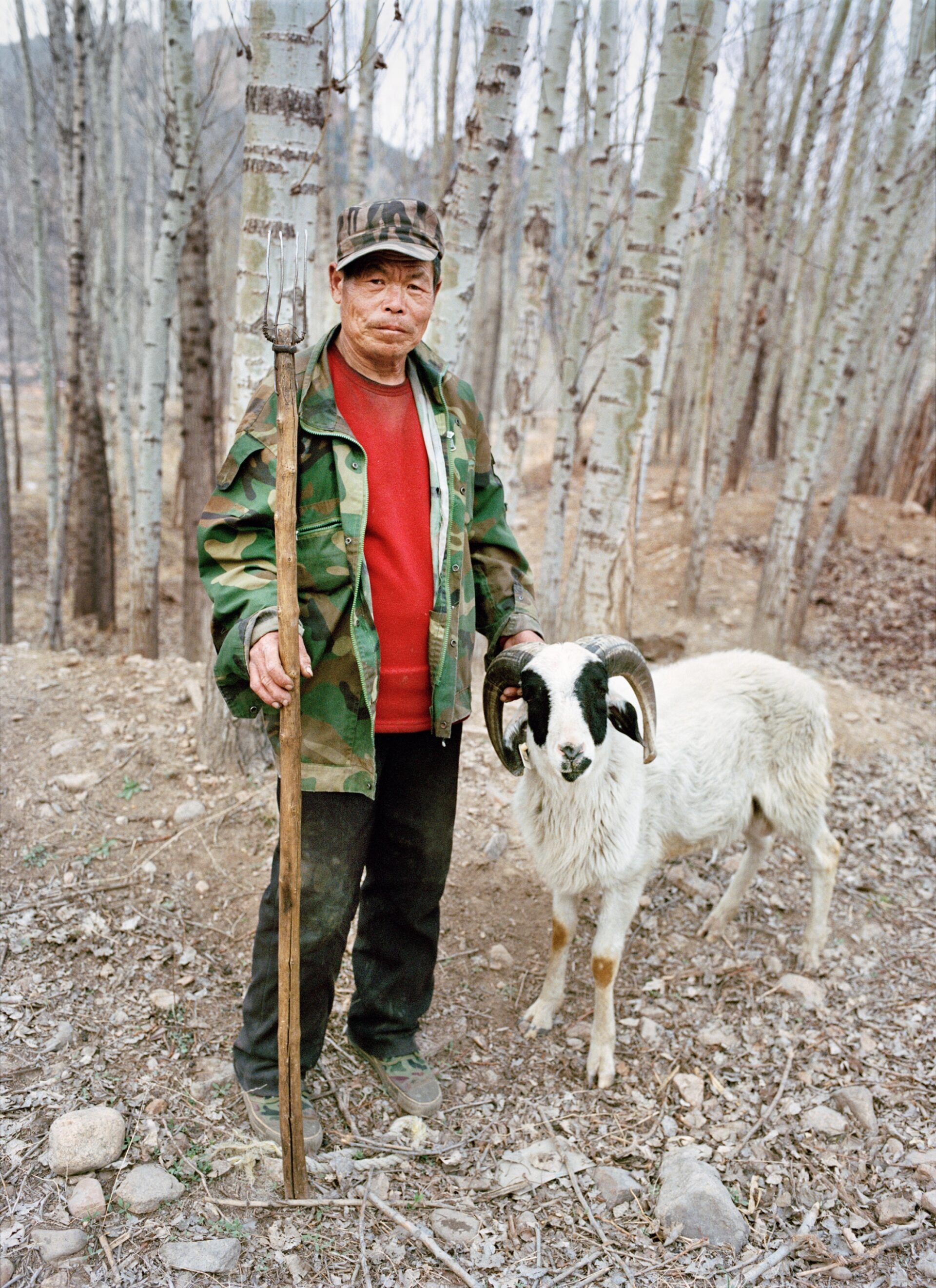
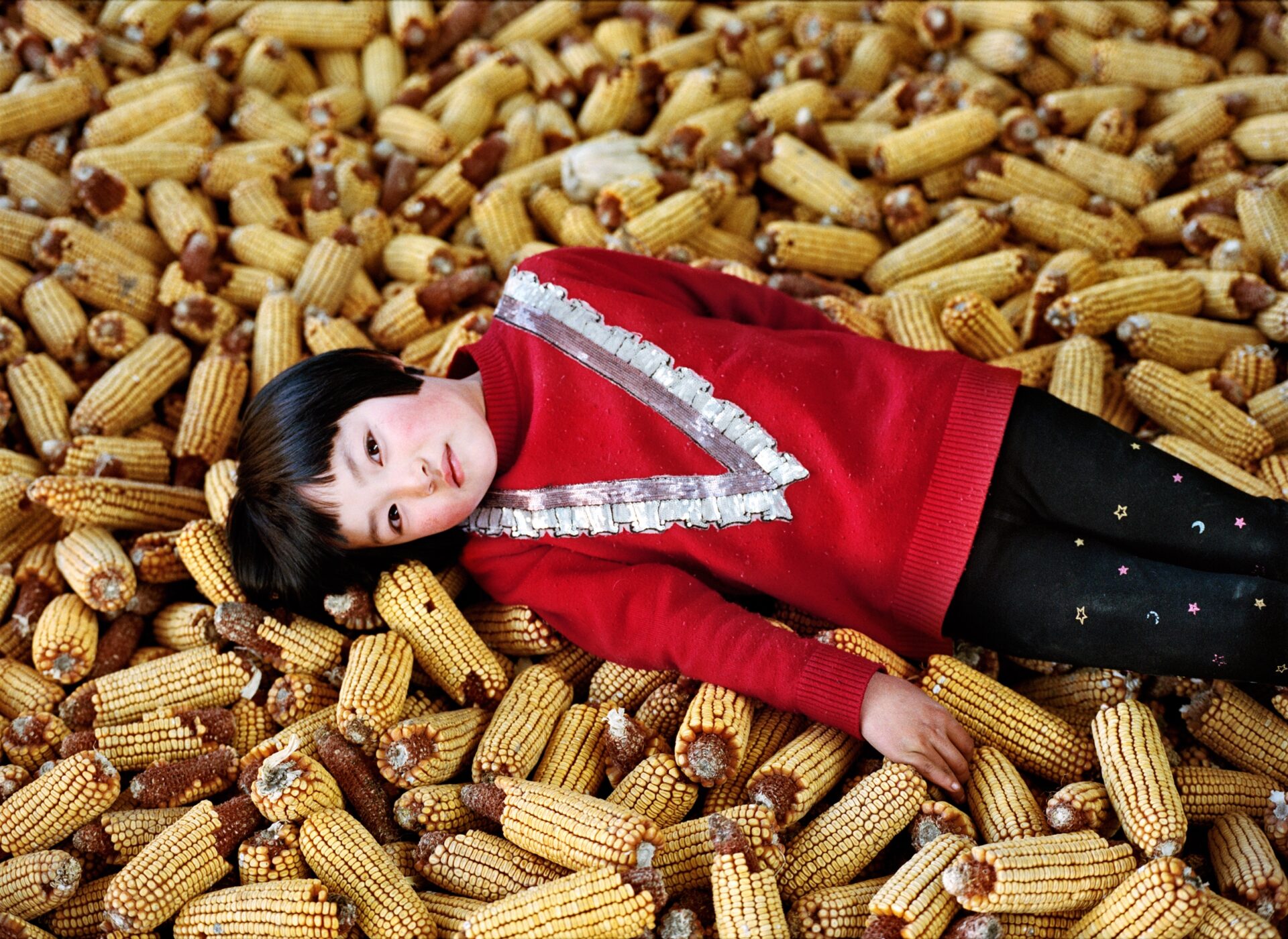
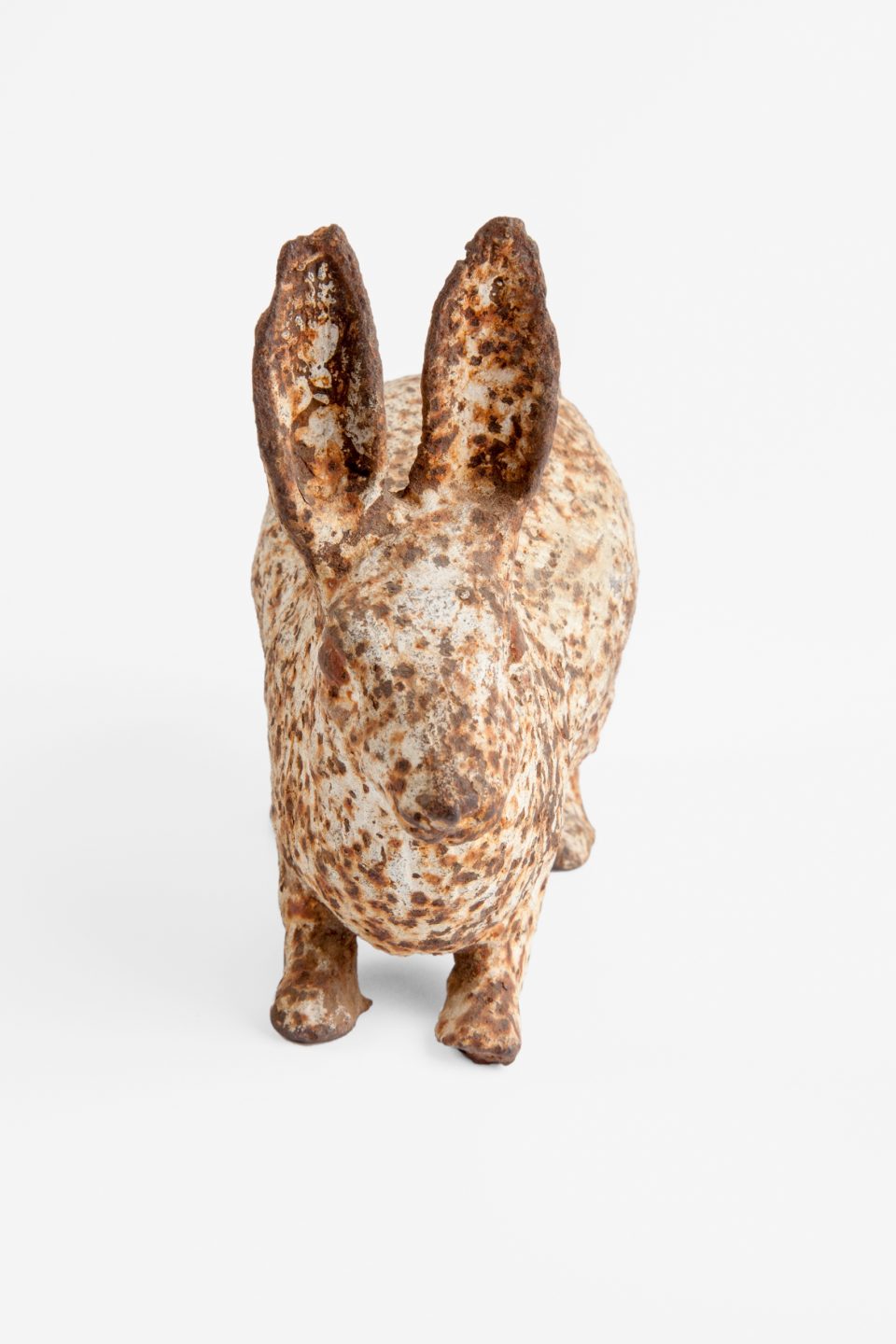
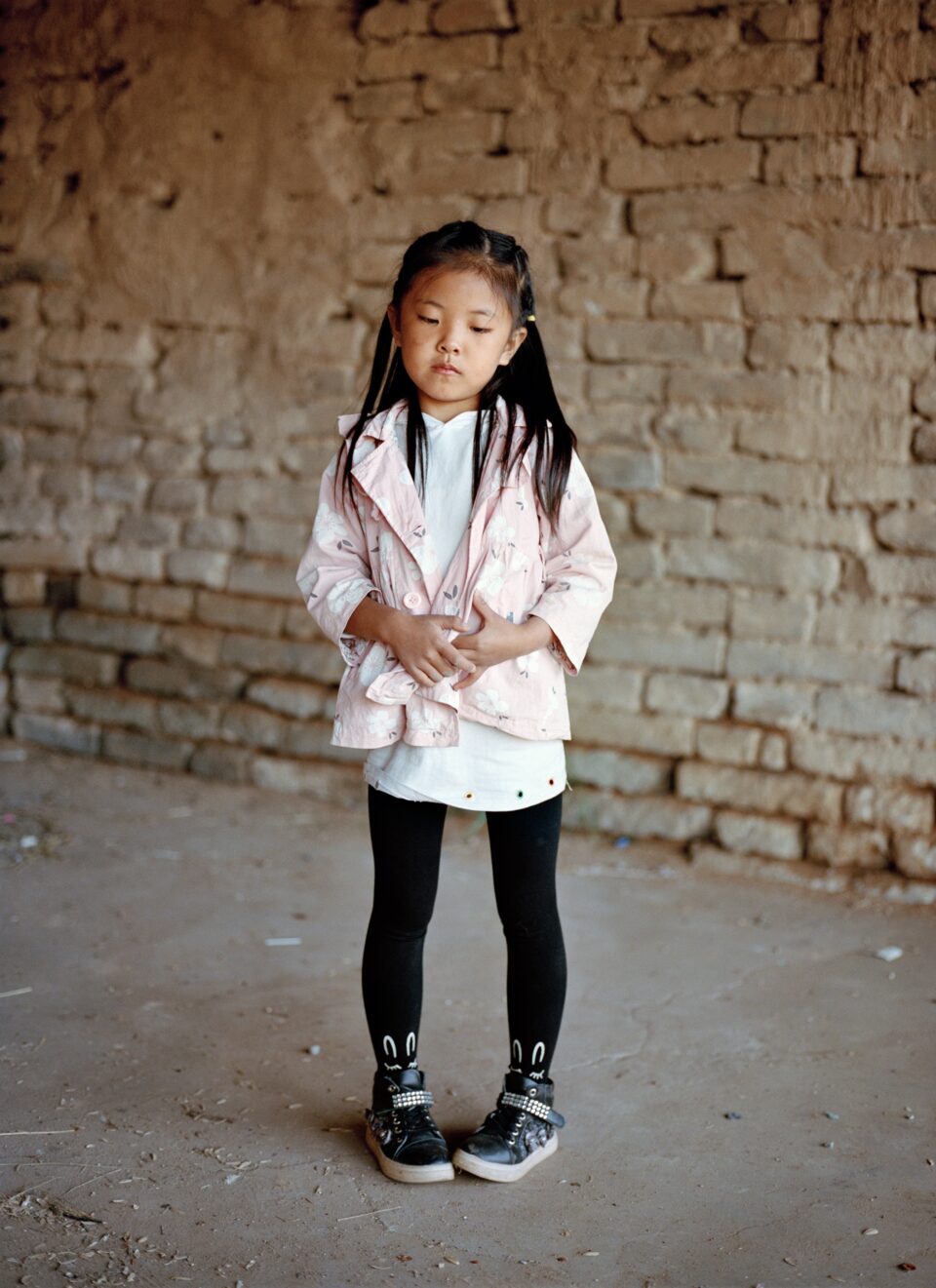
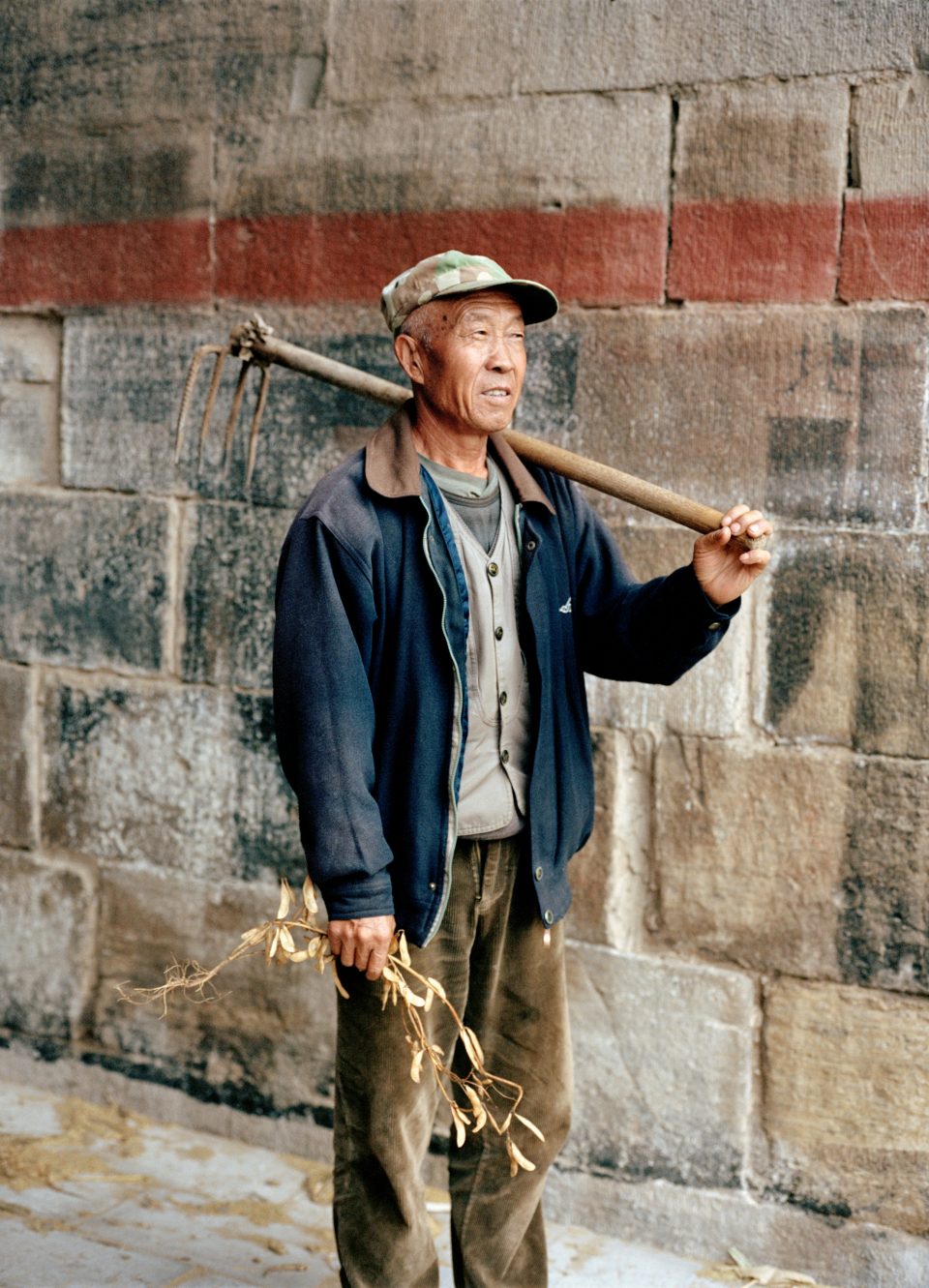
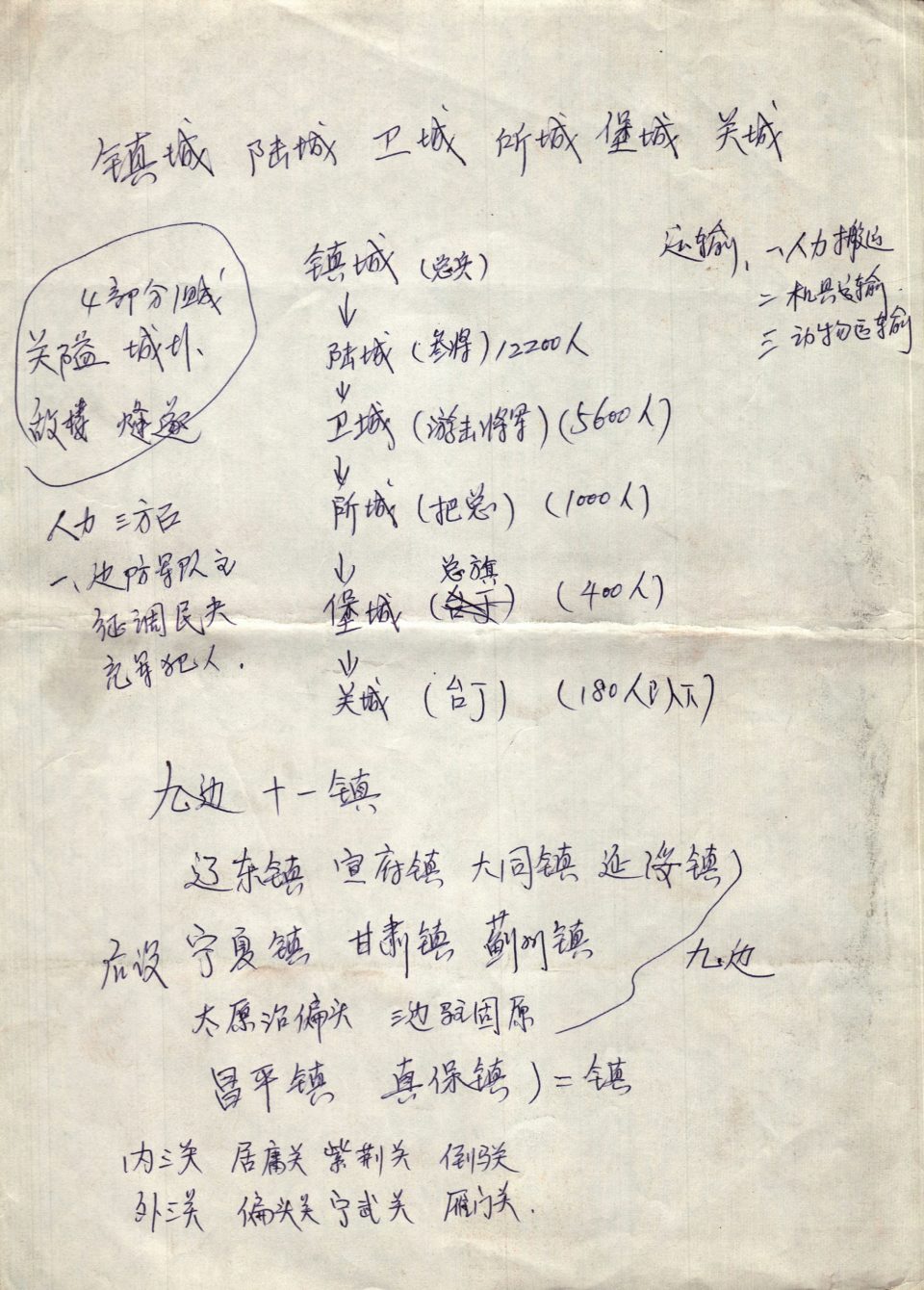
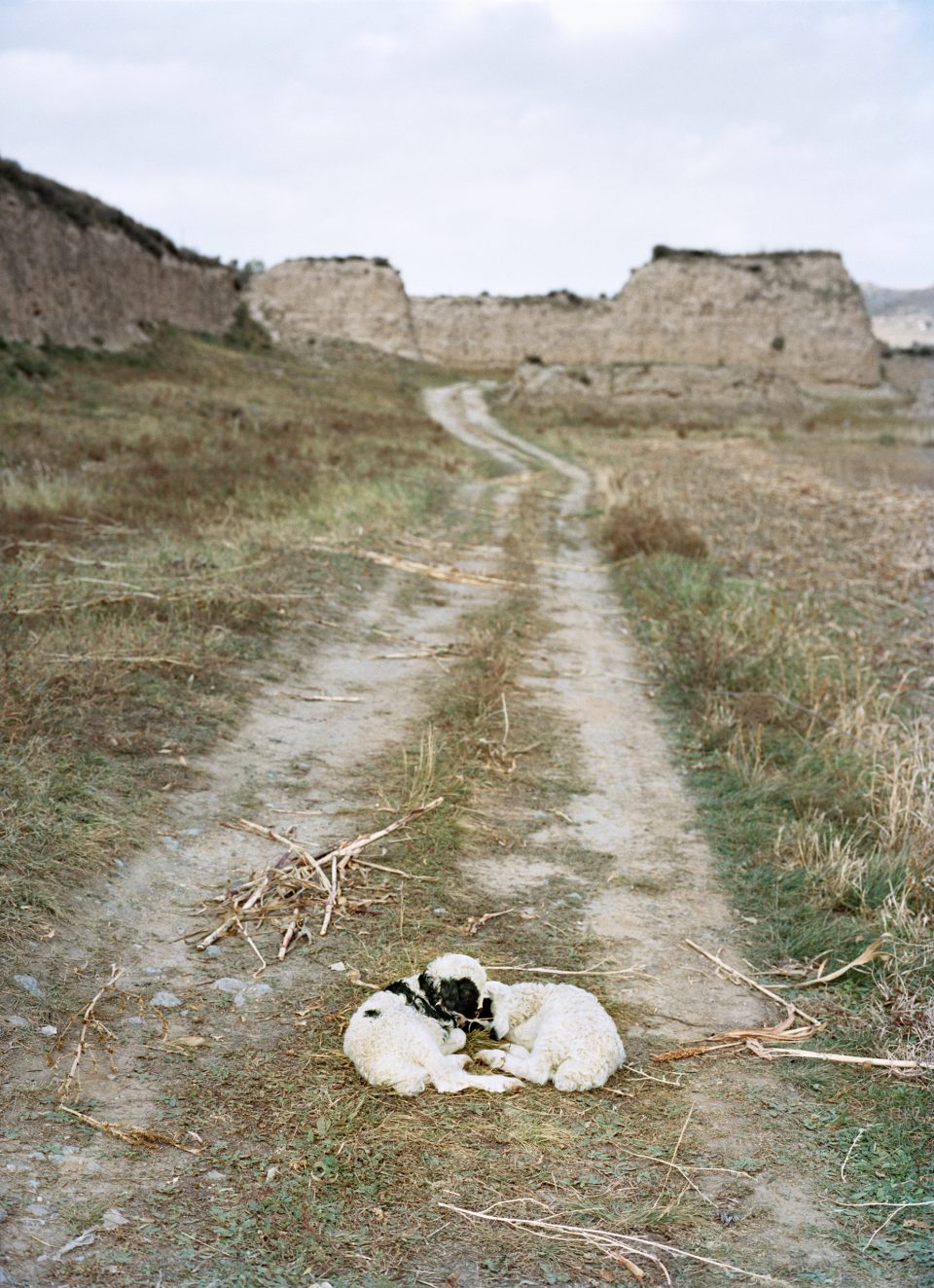
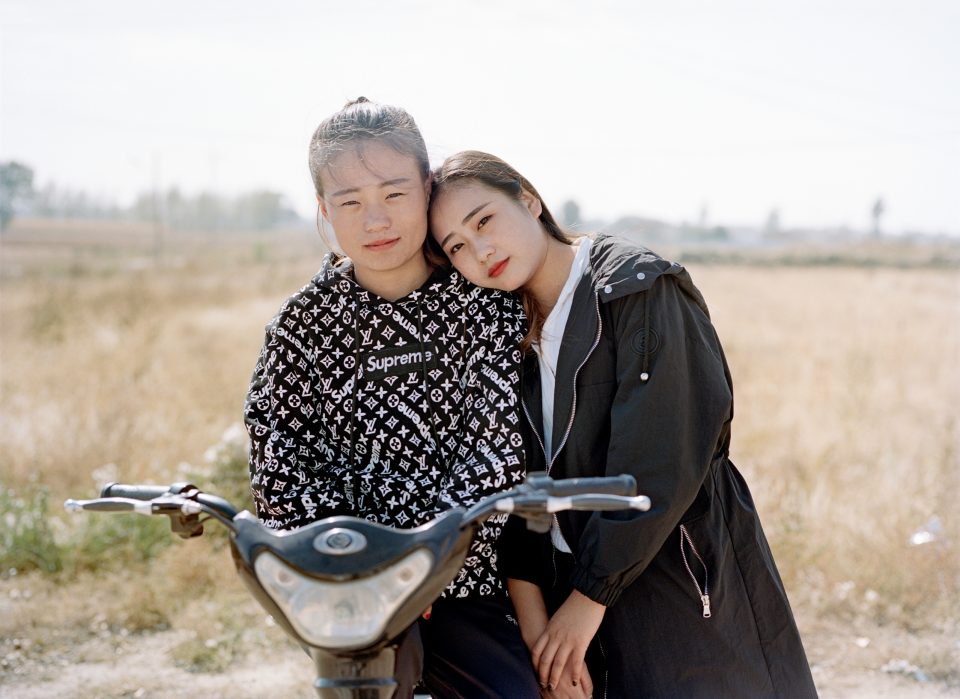
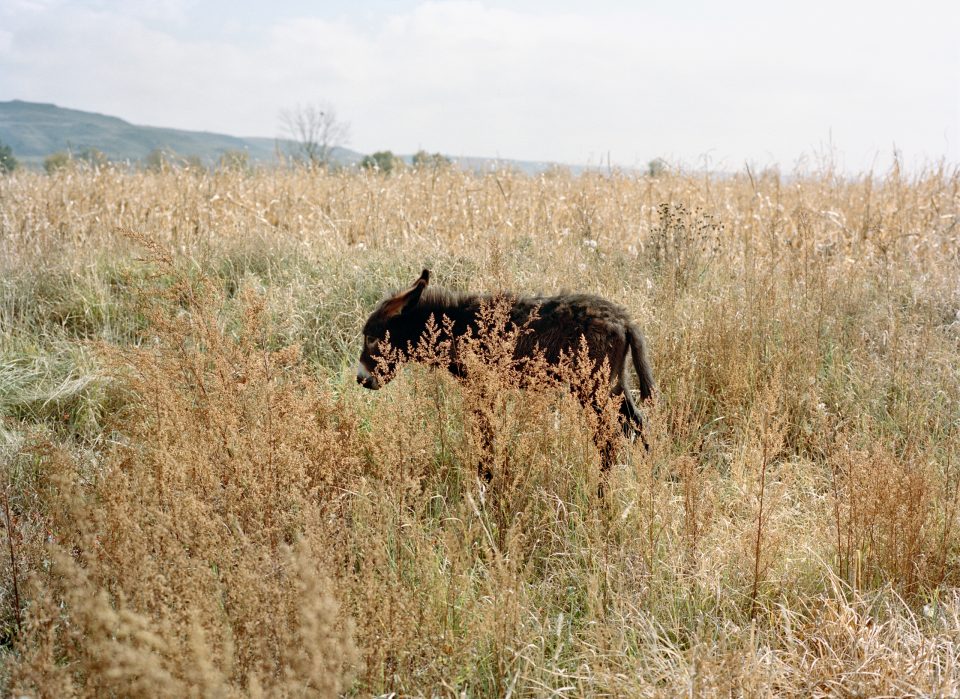
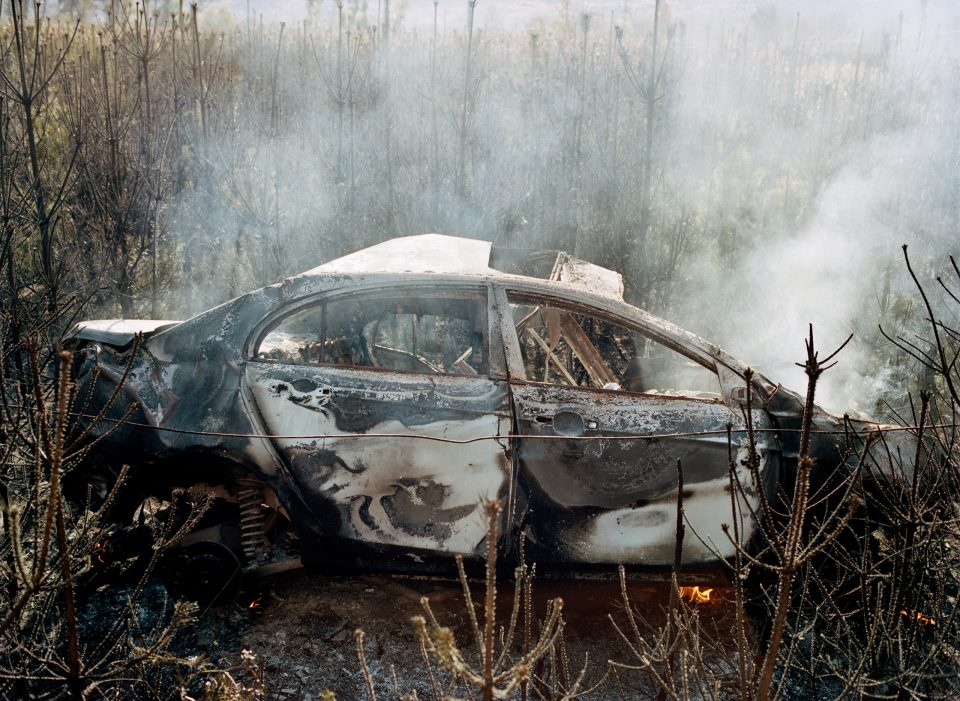
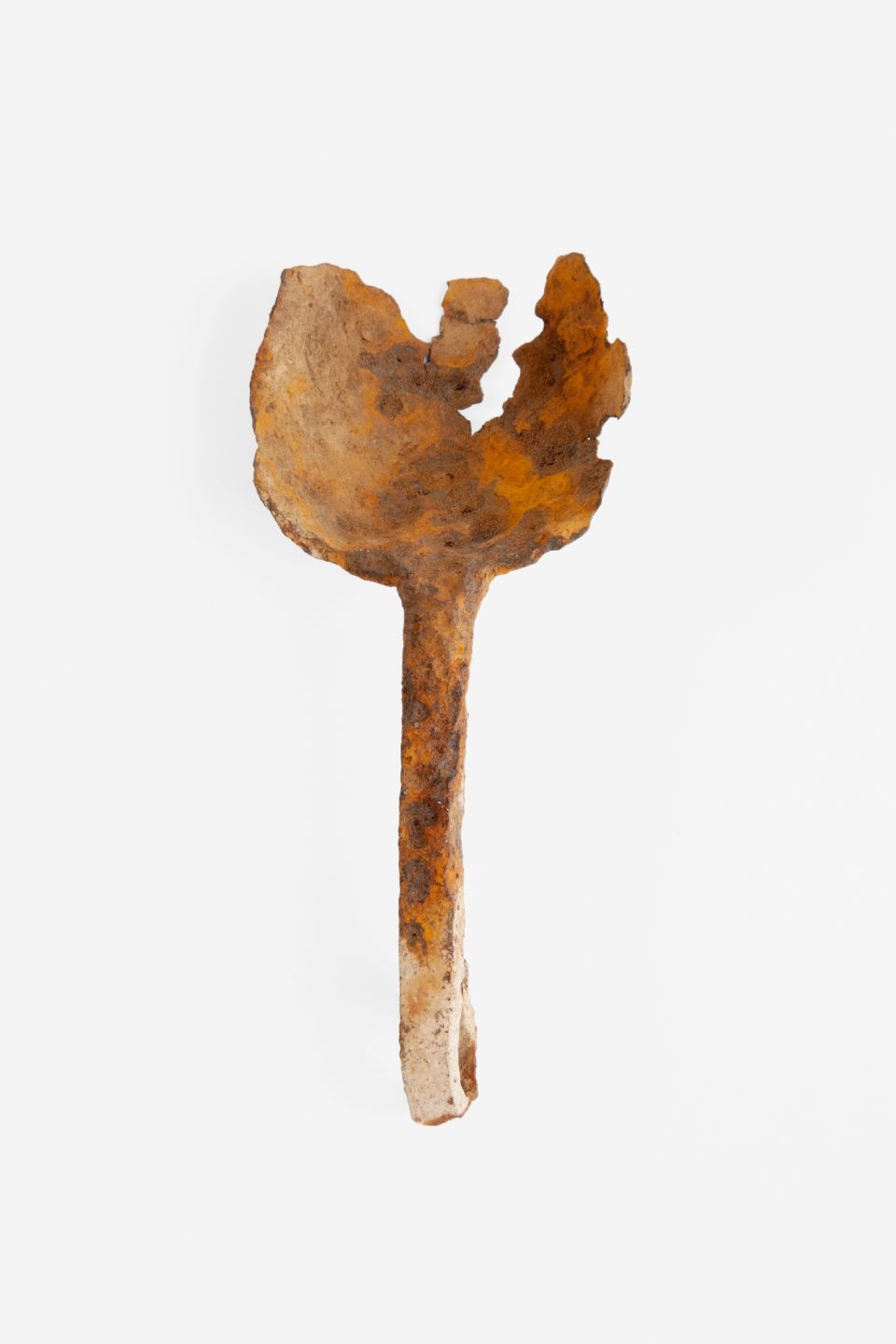
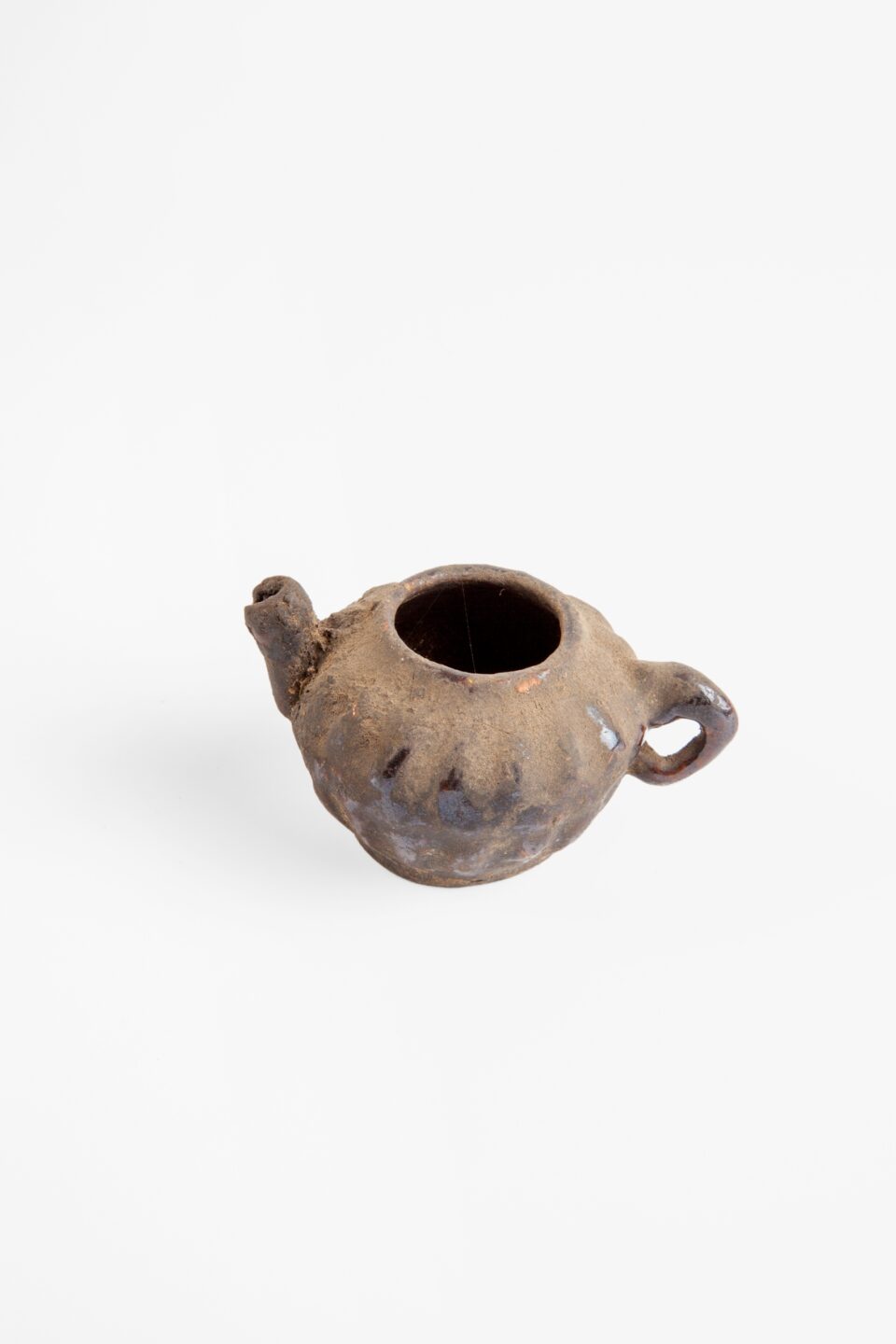
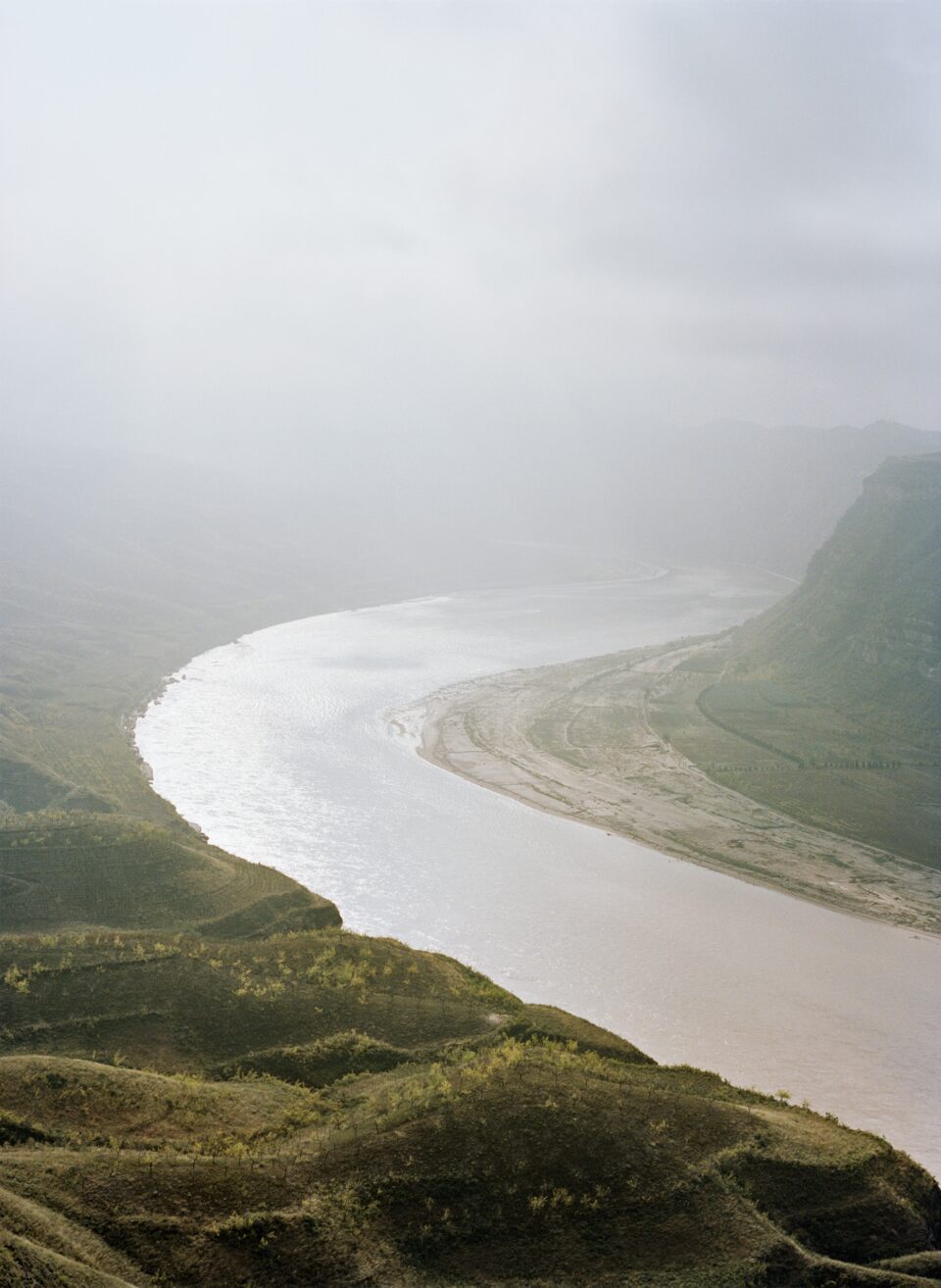
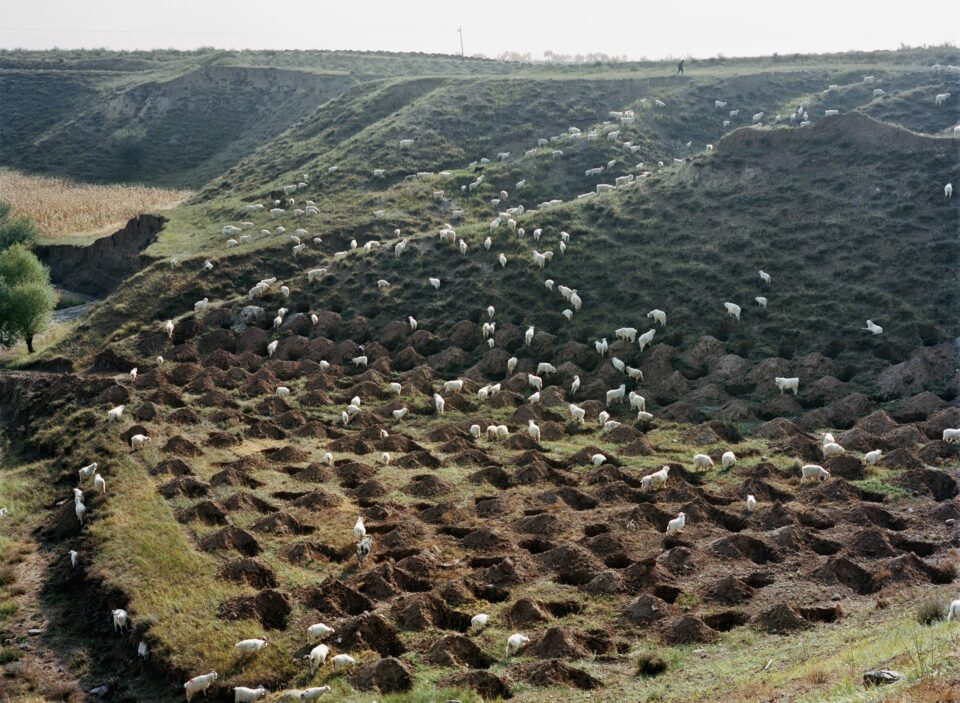
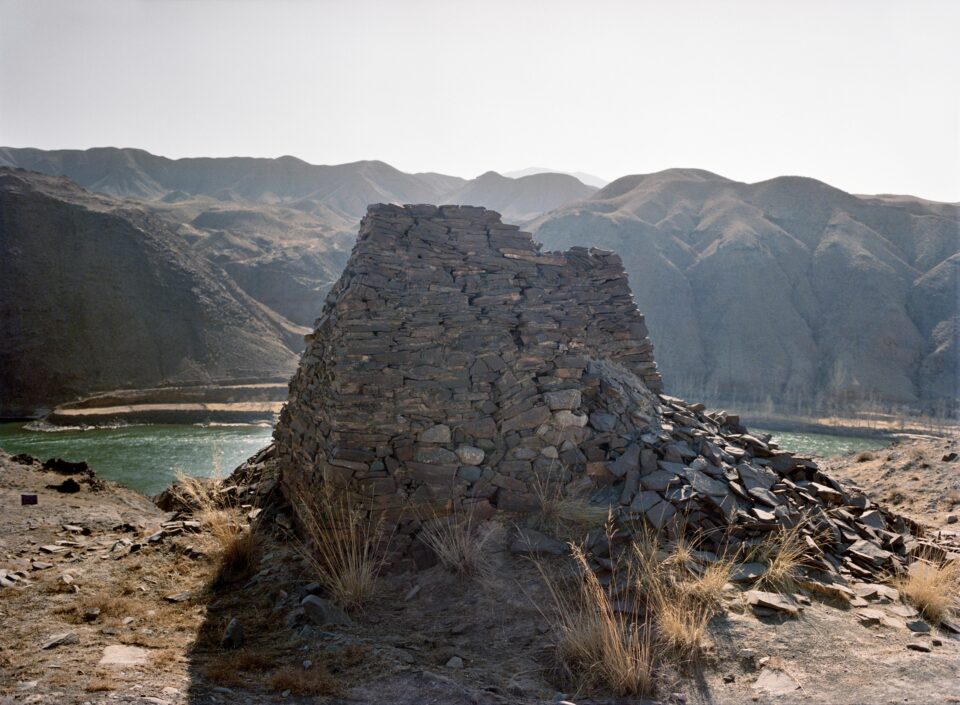
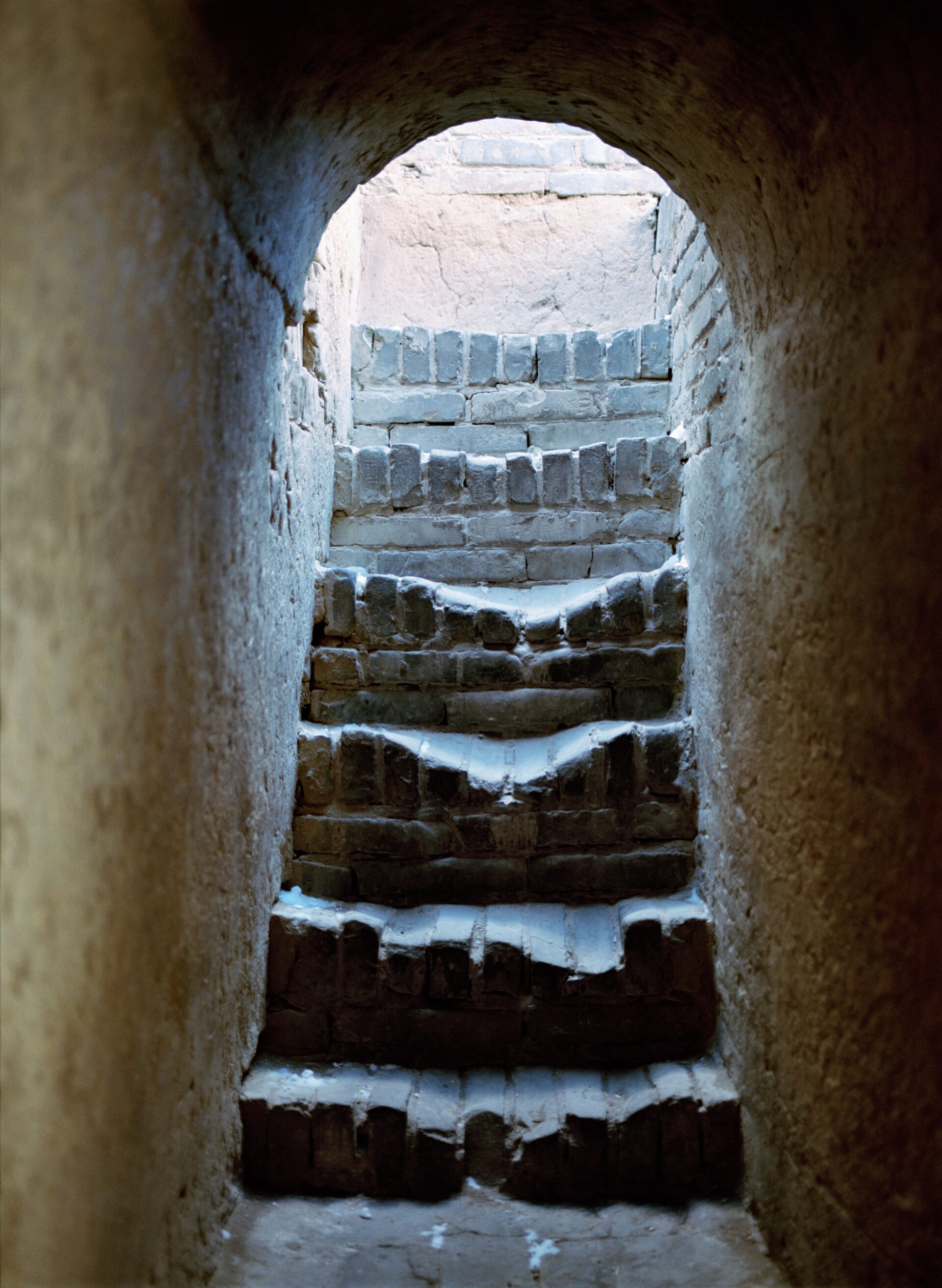
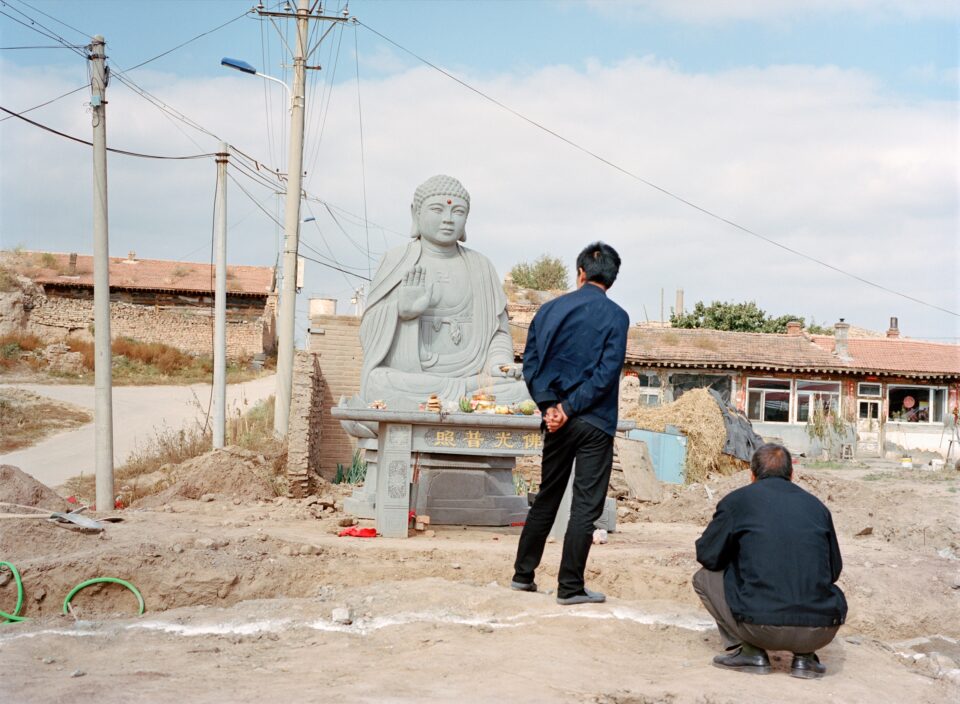
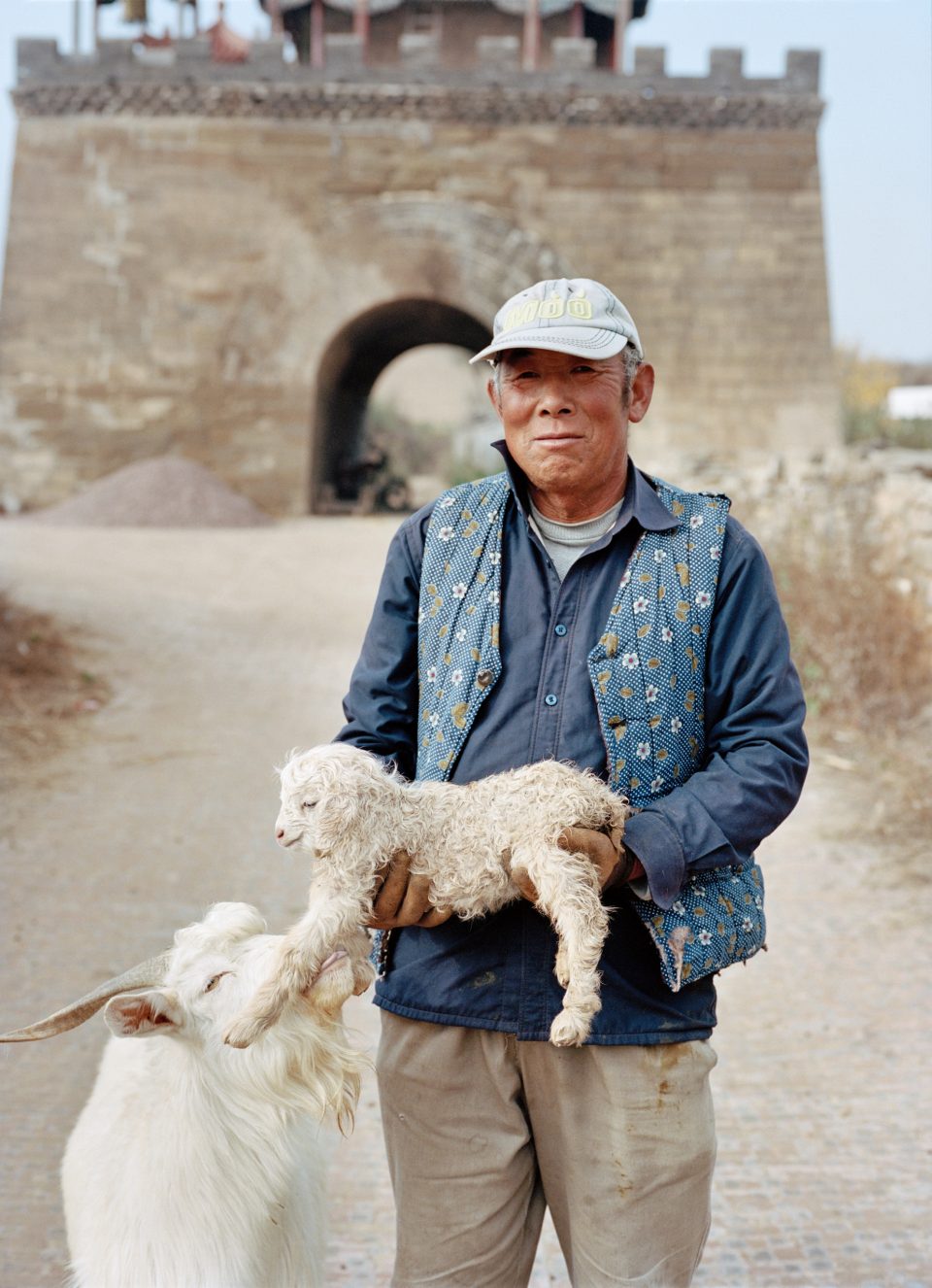
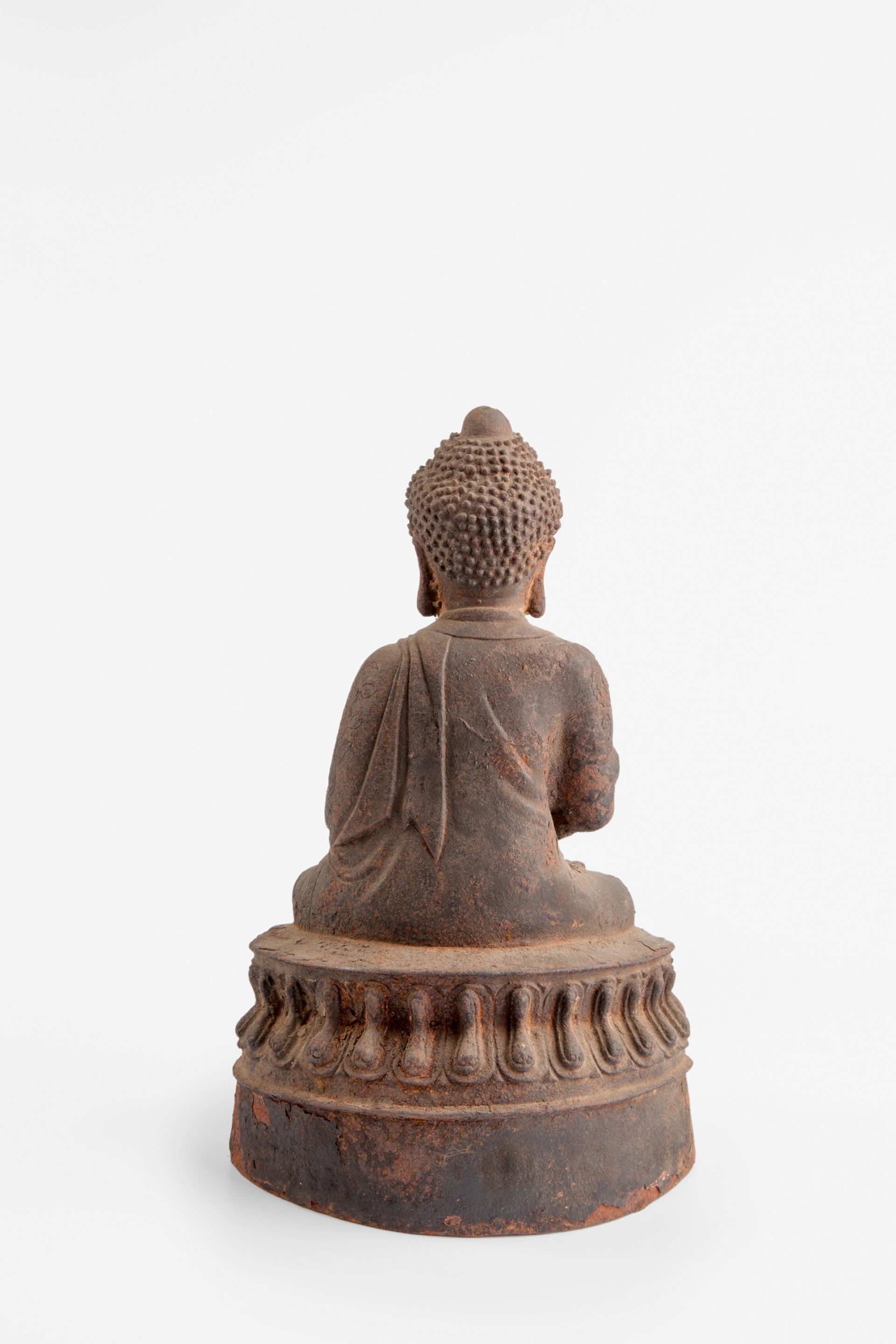
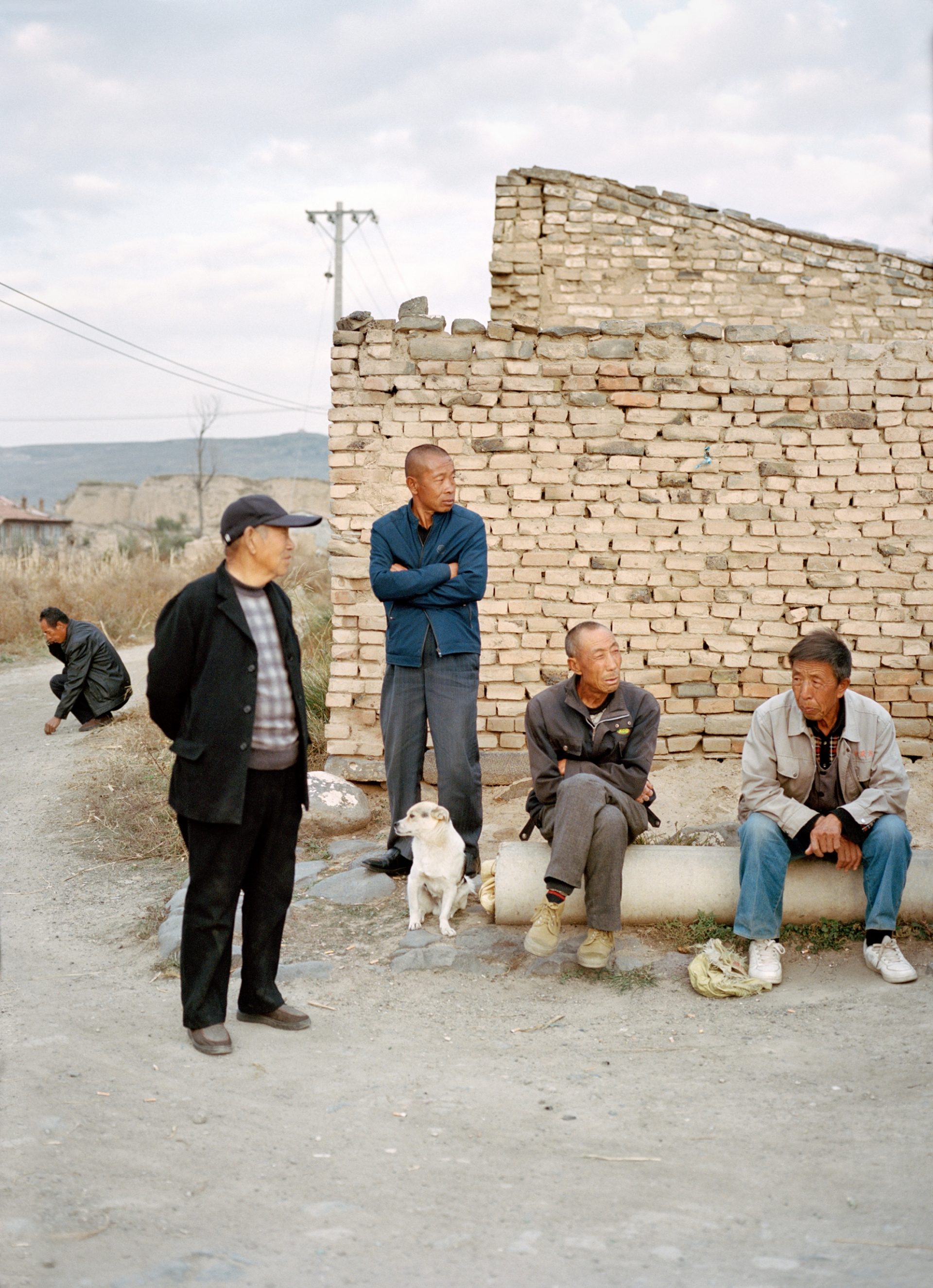
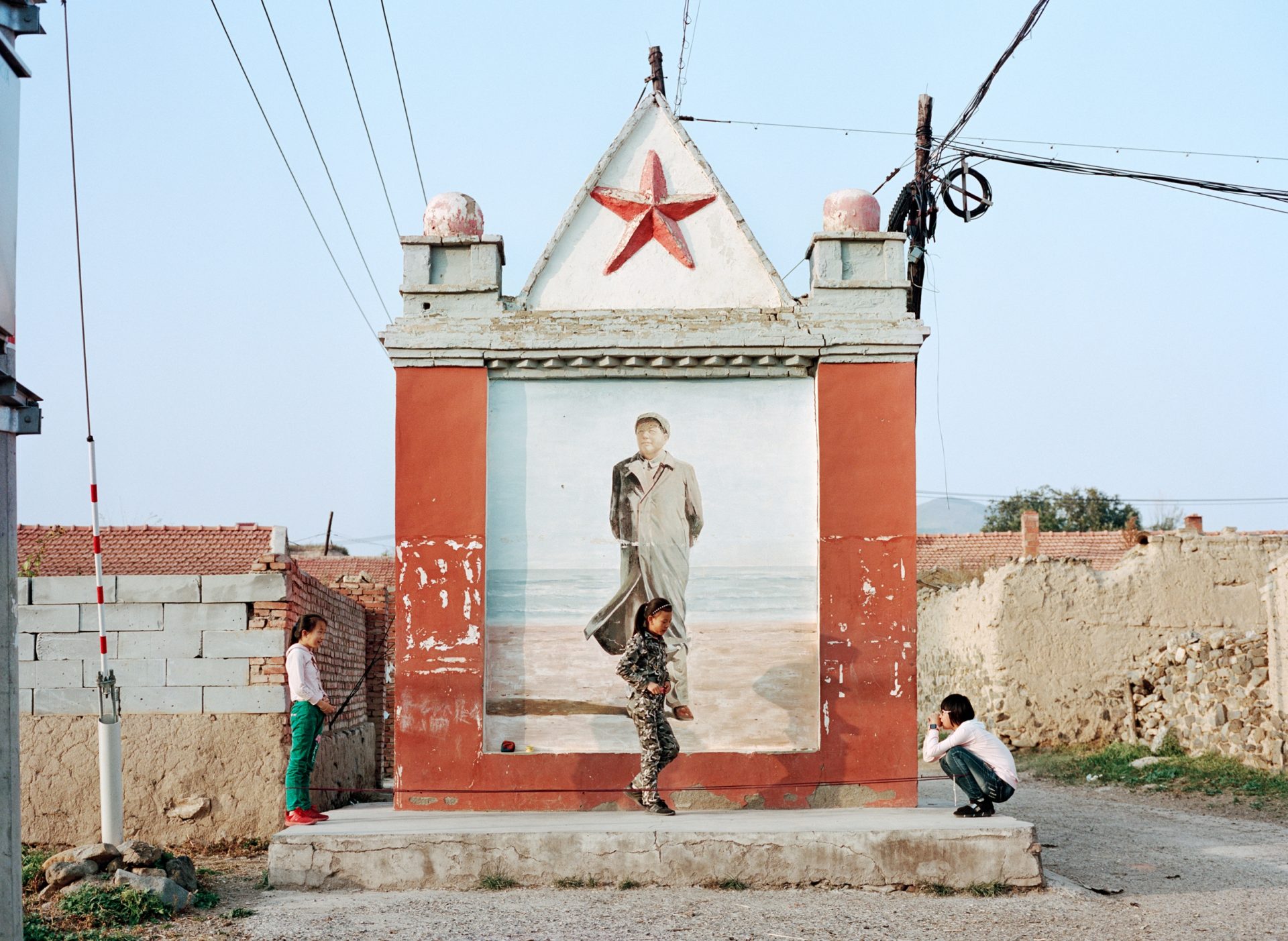
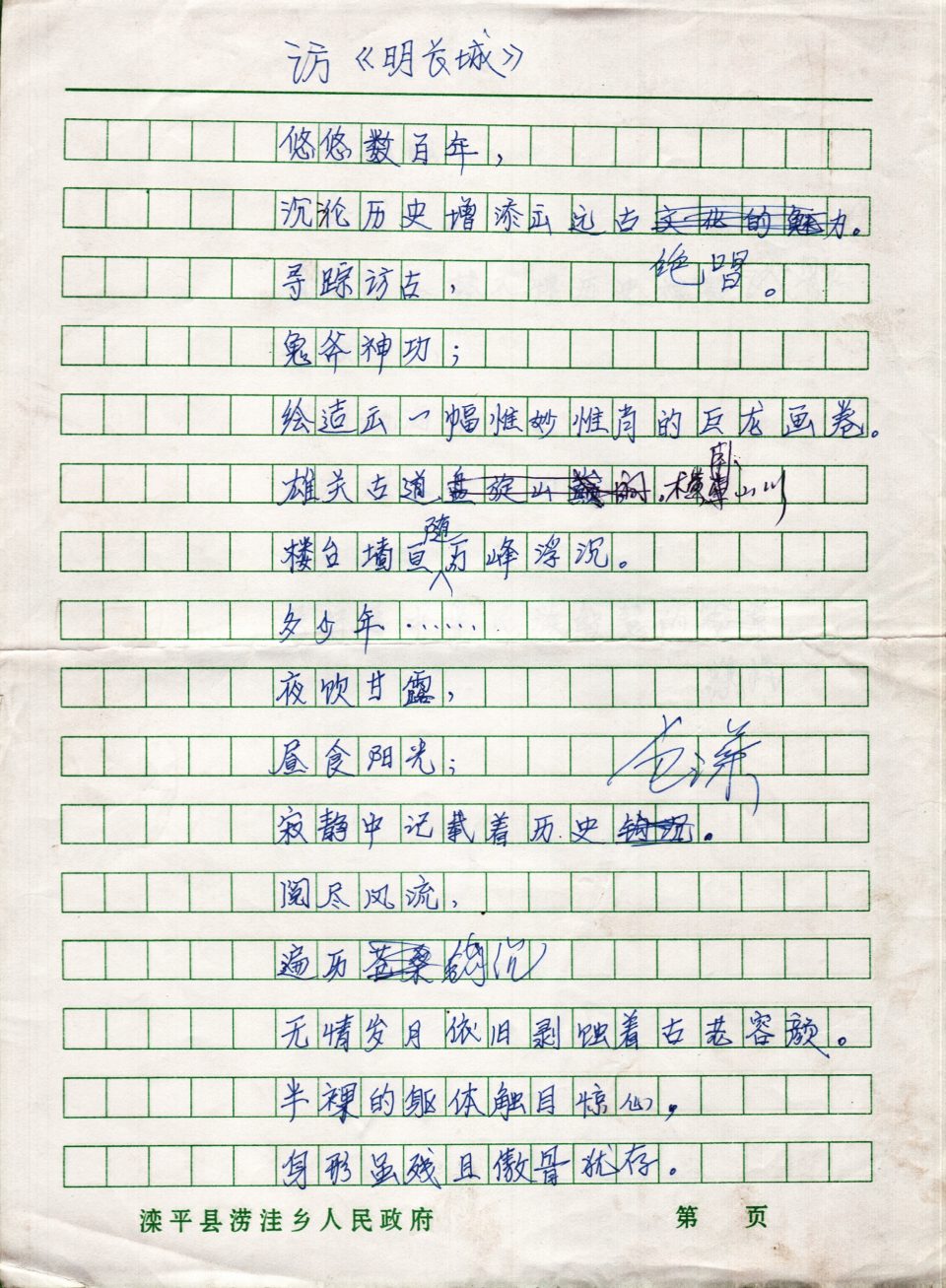
The title comes from a poem by Chen Lin, written during the Eastern Han dynasty about the hardship, separation and deaths of labourers sent north to build the Wall. Along the way, I also collected handwritten folk tales and stories from local Wall protectors. These accounts offered another way of seeing the Wall: not only as a historical or political structure, but as a place shaped by memory, myth and imagination.
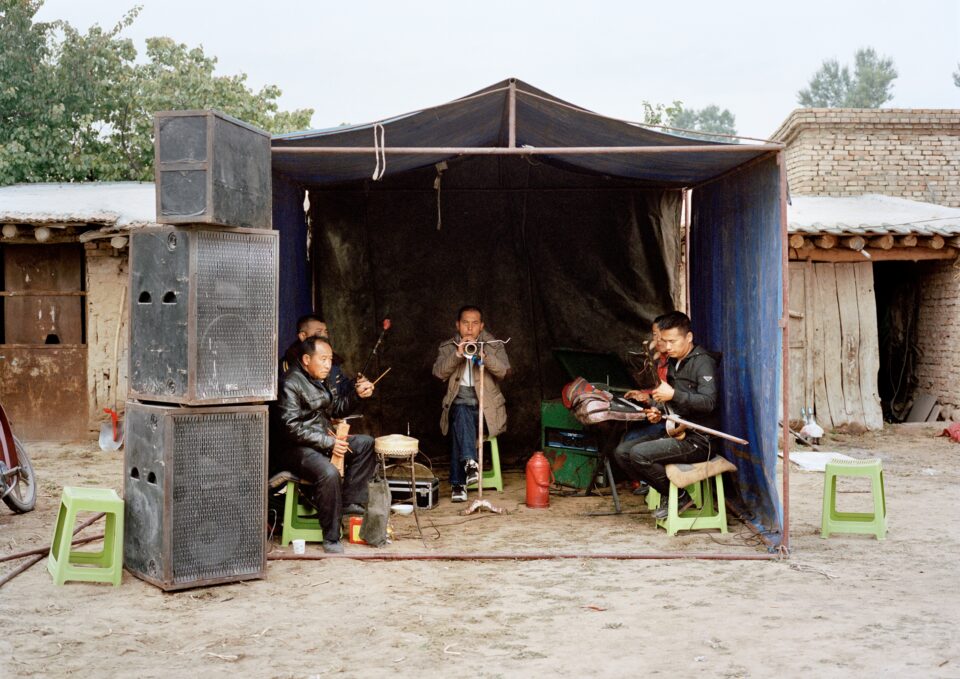
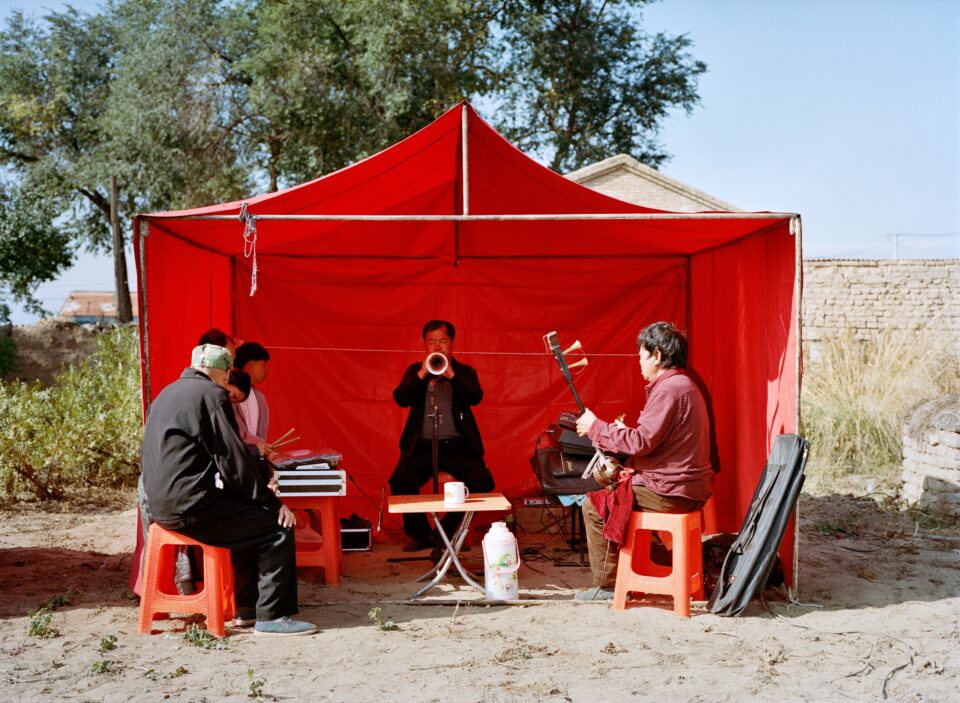
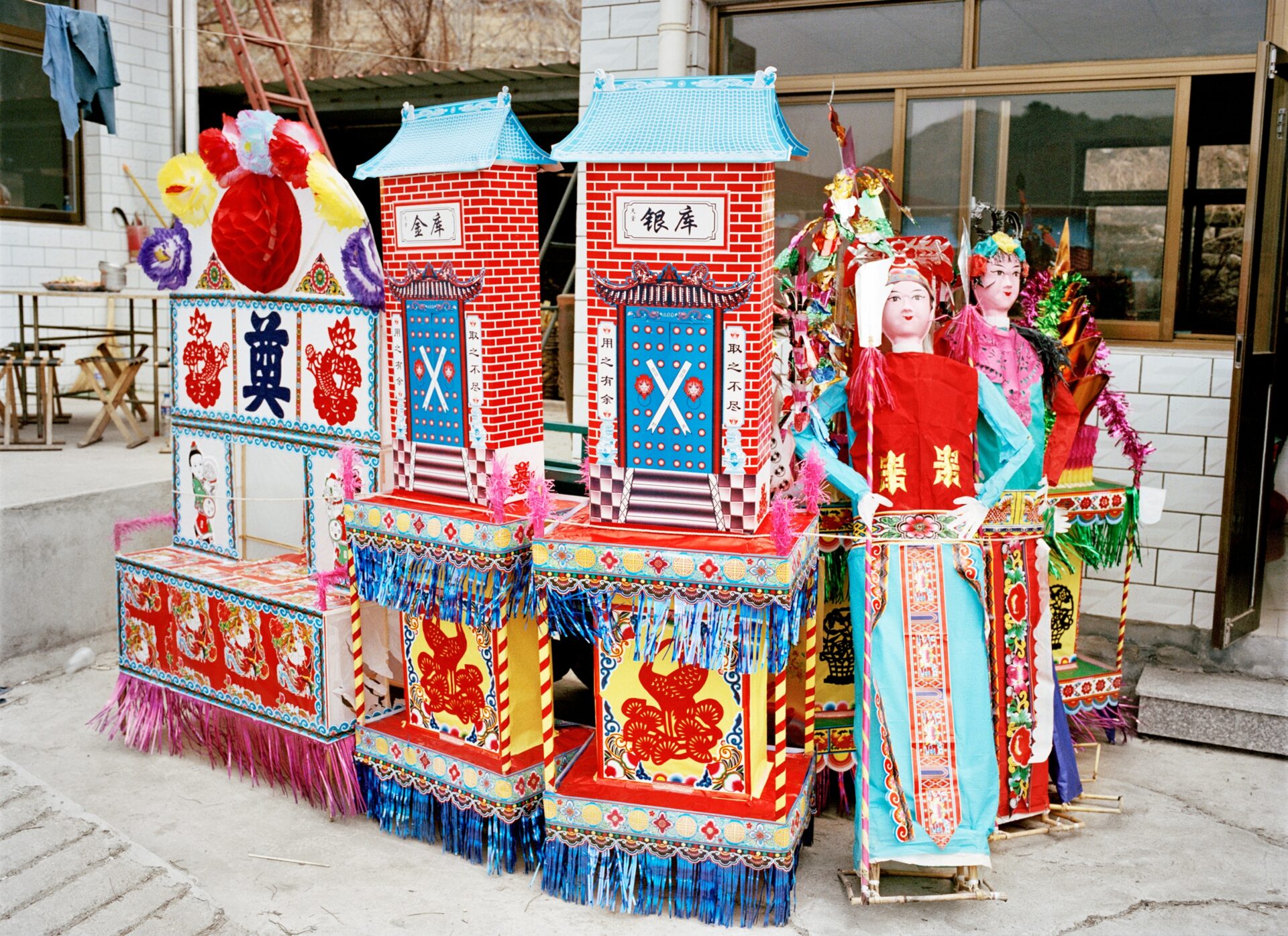
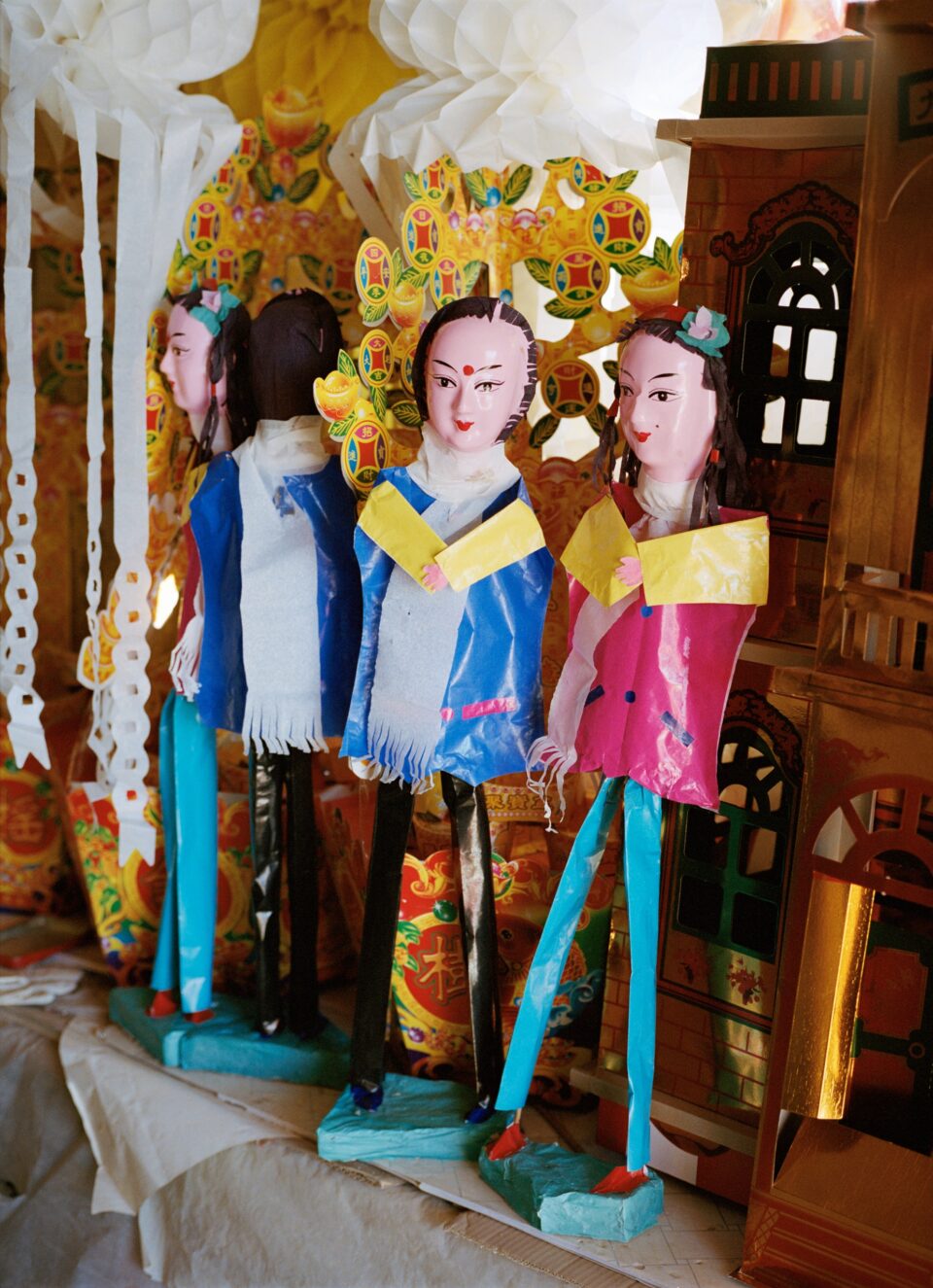
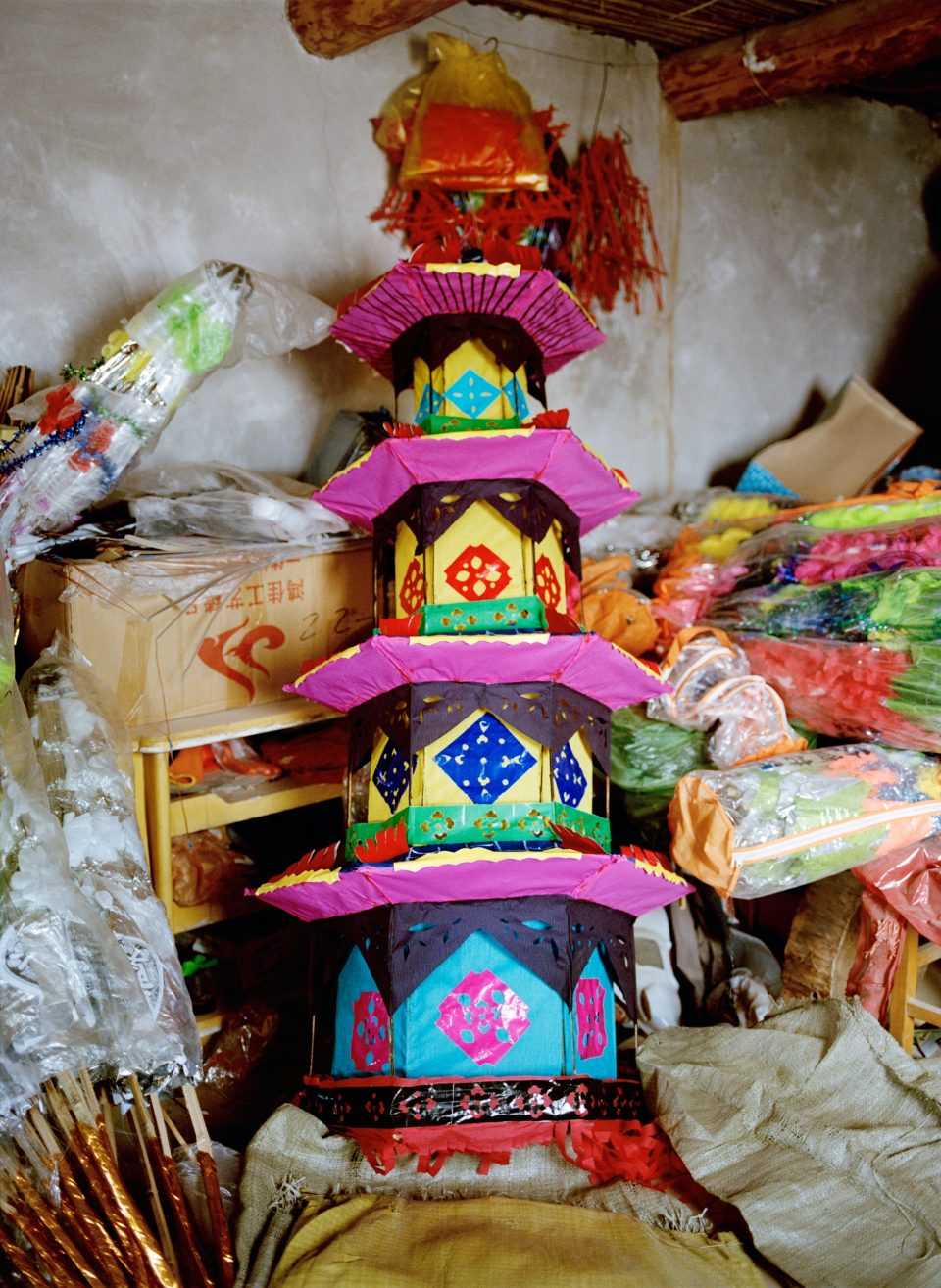
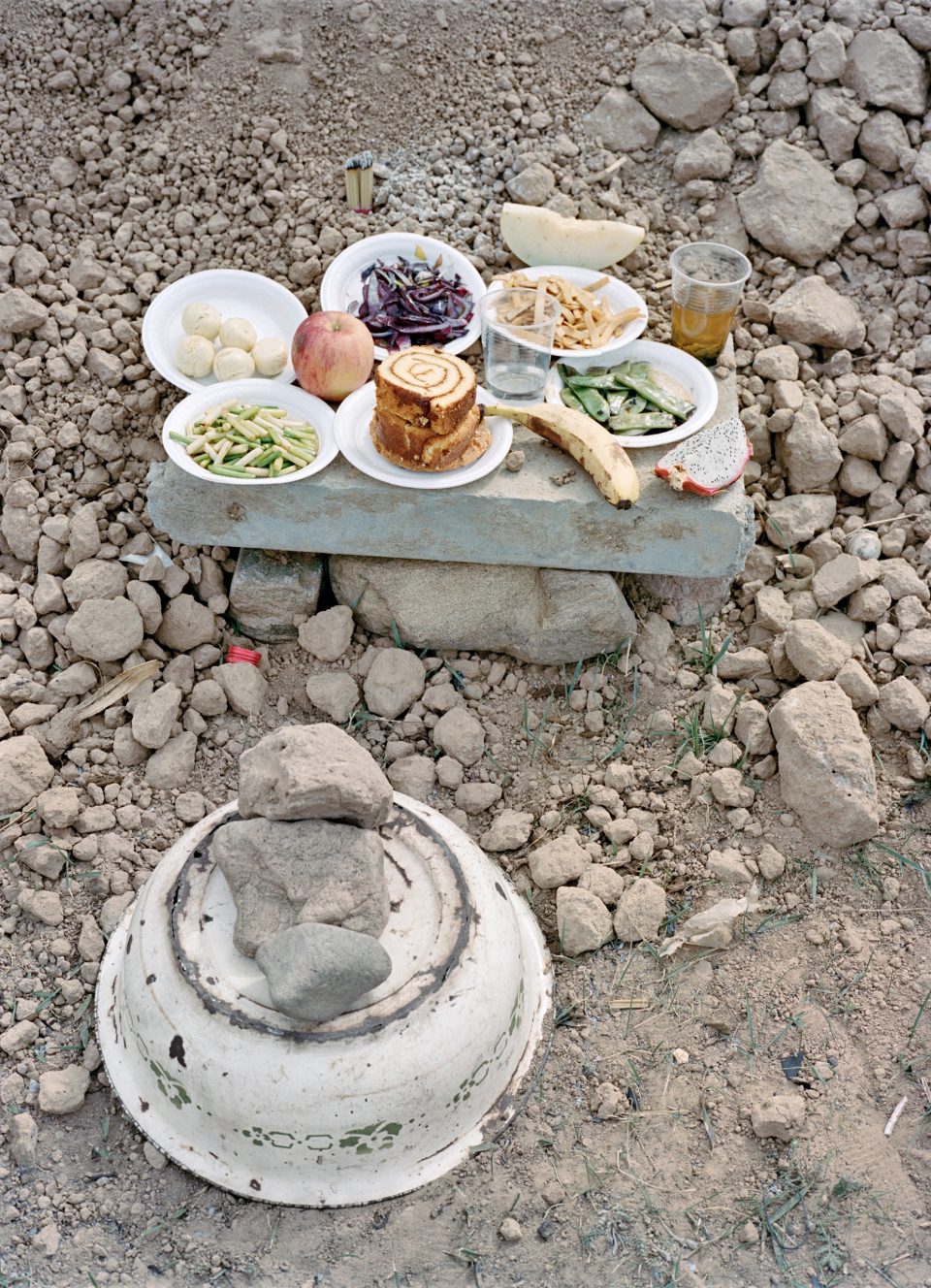
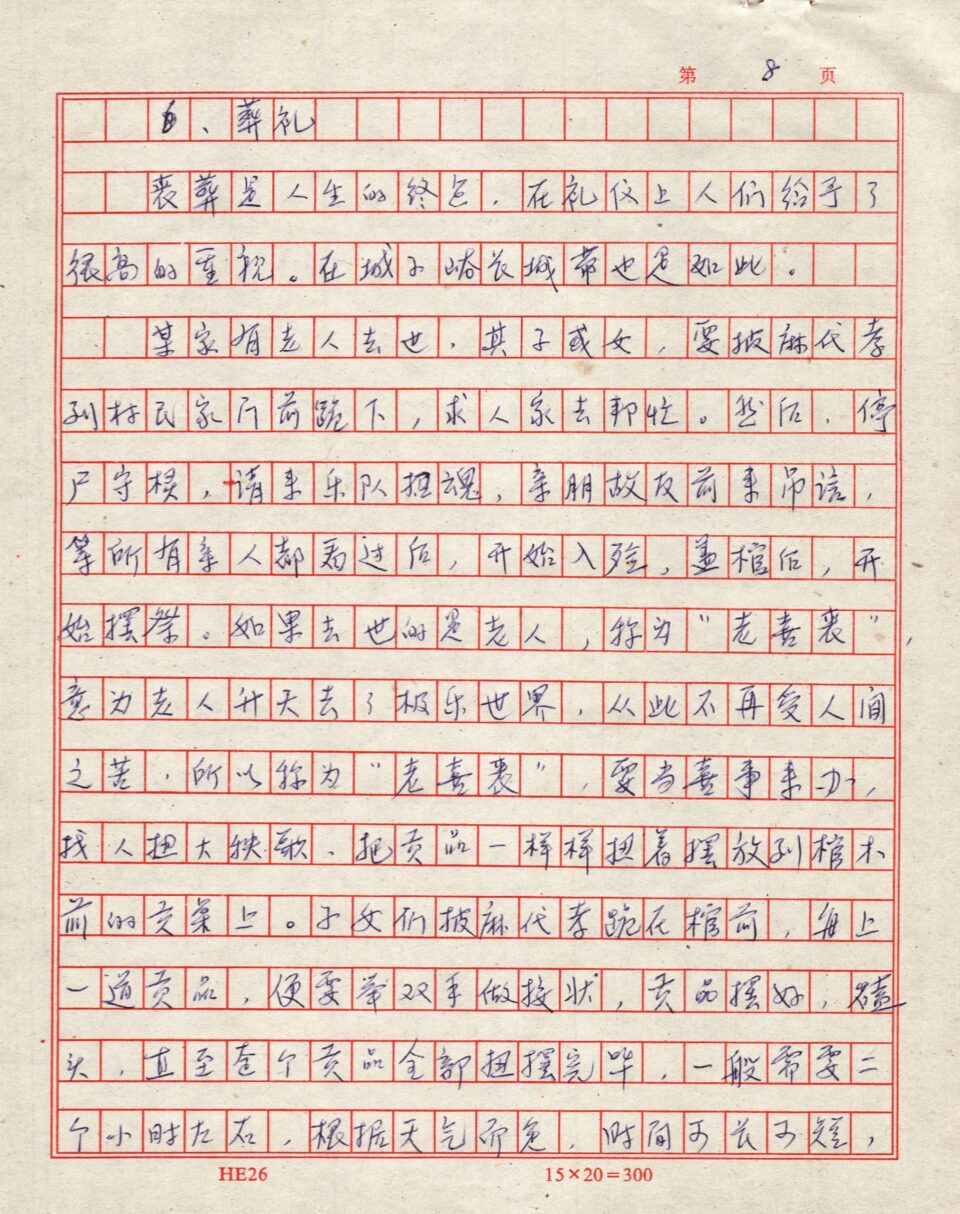
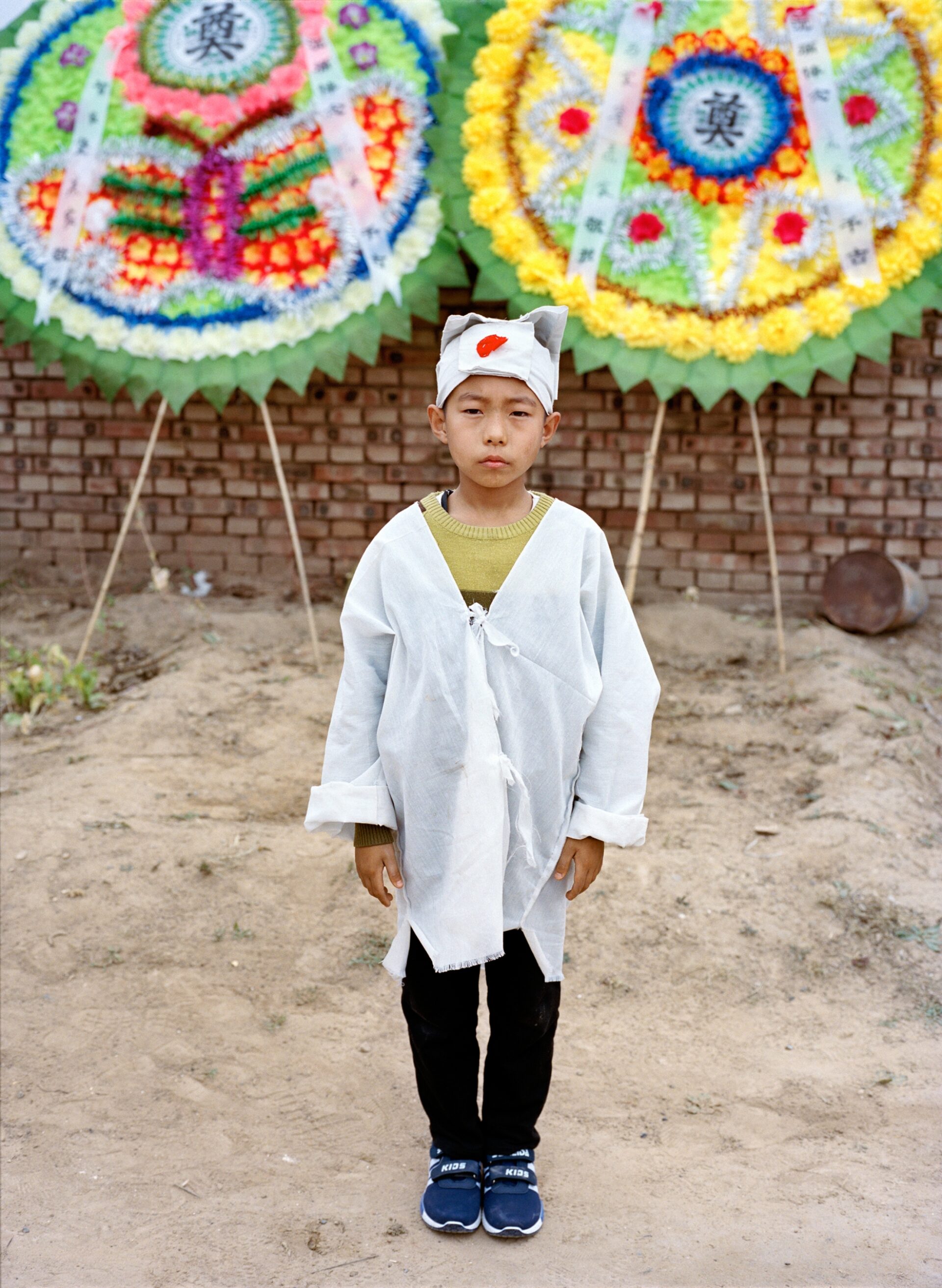
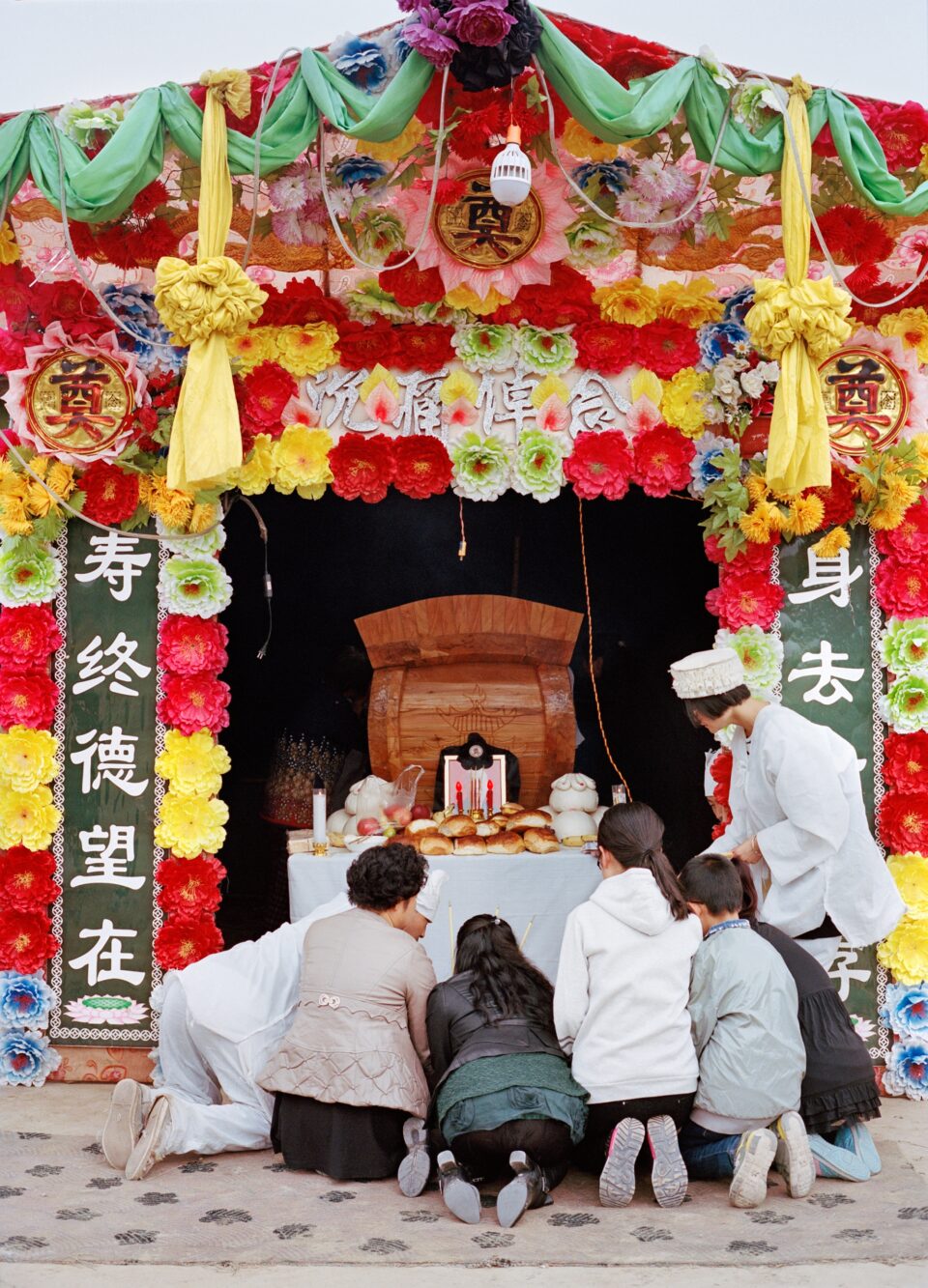
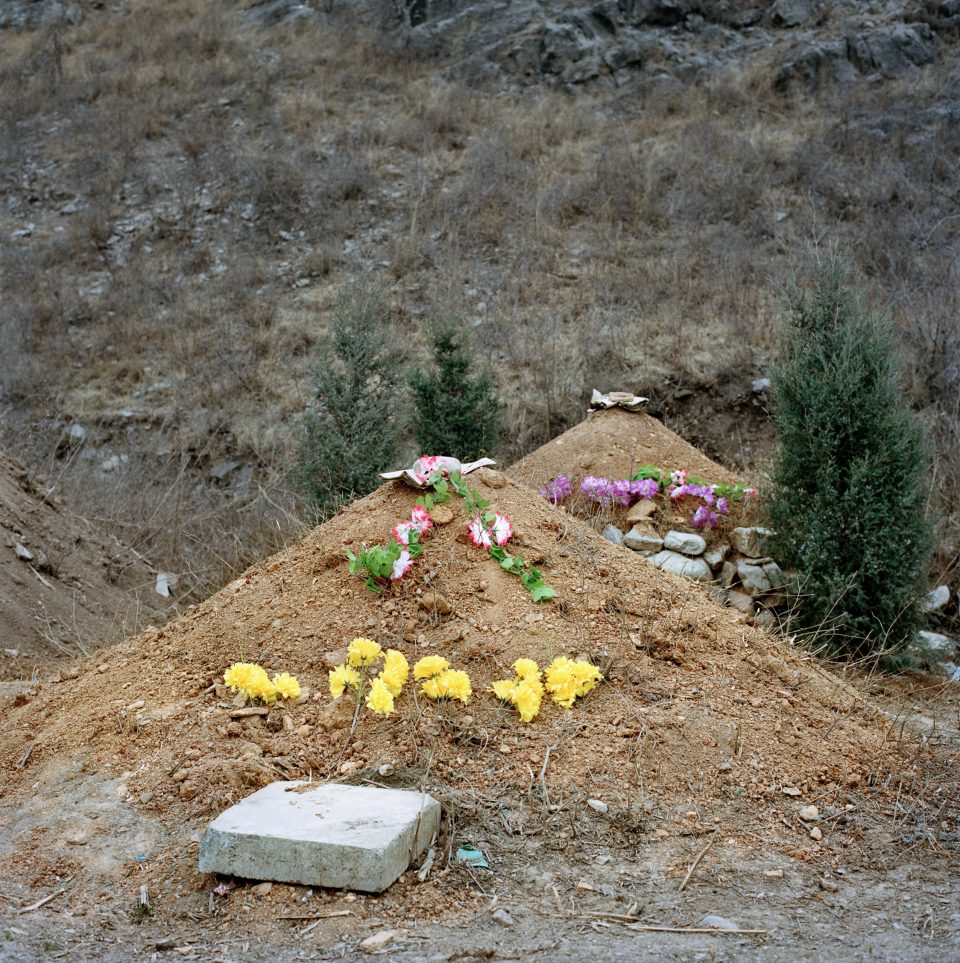
Funeral
The funeral symbolizes the final destination in life for everyone.The rite is very impor– tant to many people, including villagers in Chengziyu region along the Long Wall.
When an old man passes away, his sons and/or daughters wear mourning attire (traditionally in white) and kneel down in front of other villagers’ doors to ask for help.They keep the body of the deceased in the home and invite a musical ensemble to call back the spirit of the dead. After the viewing, once all the relatives and friends have seen the remains, the body is put in a coffin and the offerings are arranged around it. If the person who passed away was a very old man, it is called laoxisang (funeral of an old man with happiness).This means that the old man is going to a place without having experienced misery in the human world, so the funeral should be held as a happy event; in that case, mourners may wear pink instead of white. Dancers are always invited to dance the yangko(a popular Chinese rural folk dance) and place offerings on the table especially for the deceased, in front of the coffin. When each offering is presented, the mourning sons and daughters of the deceased kneel down and use both hands to make
a gesture, indicating they are receiving these offerings. When all the offerings
are placed properly, the mourners kowtow in front of the coffin for the last farewell…
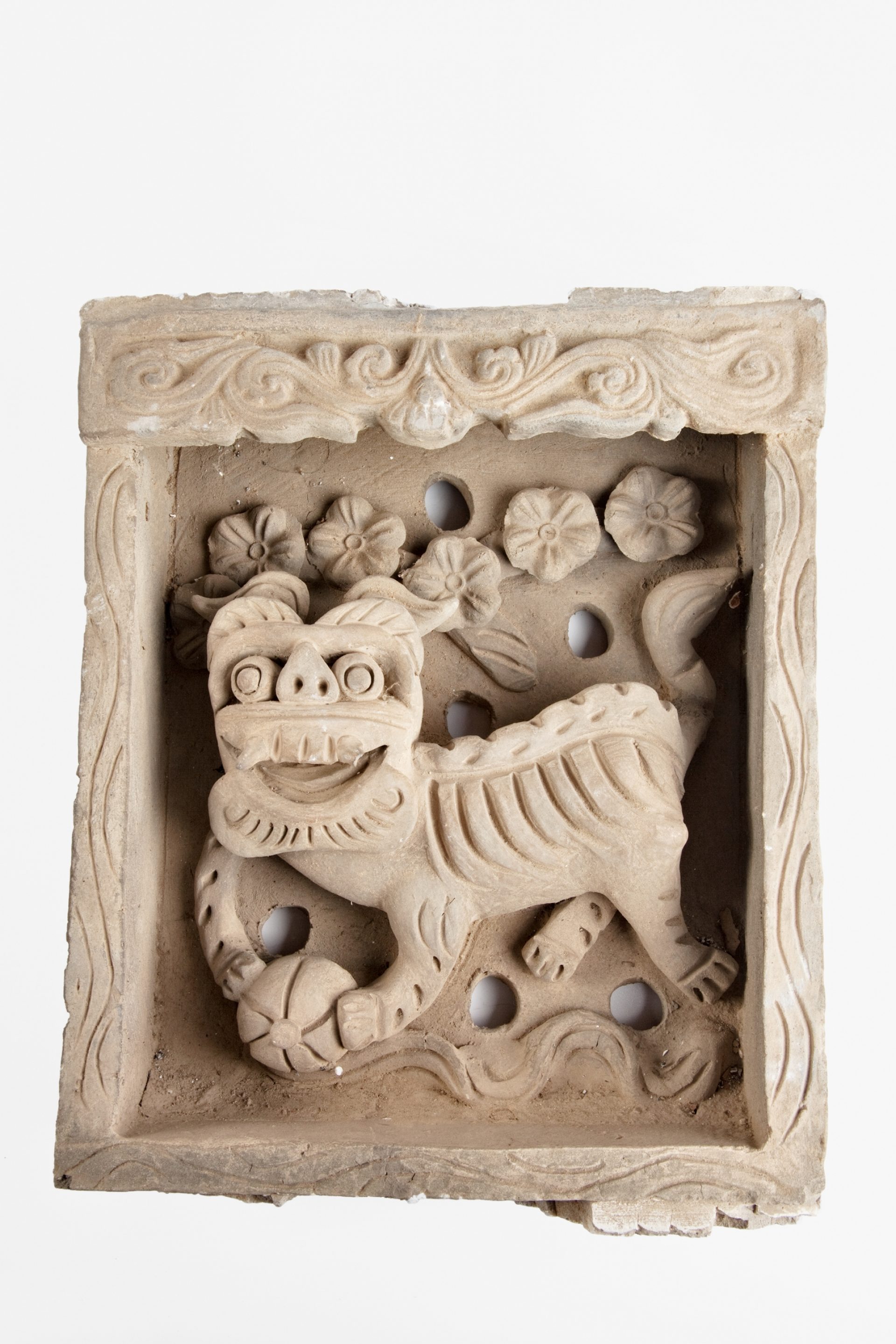
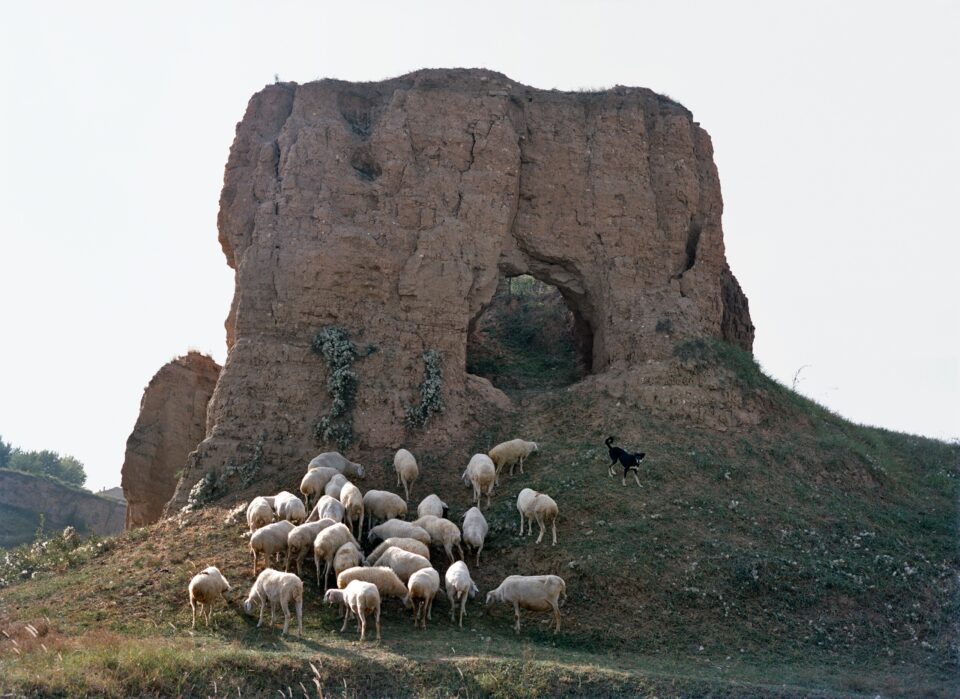
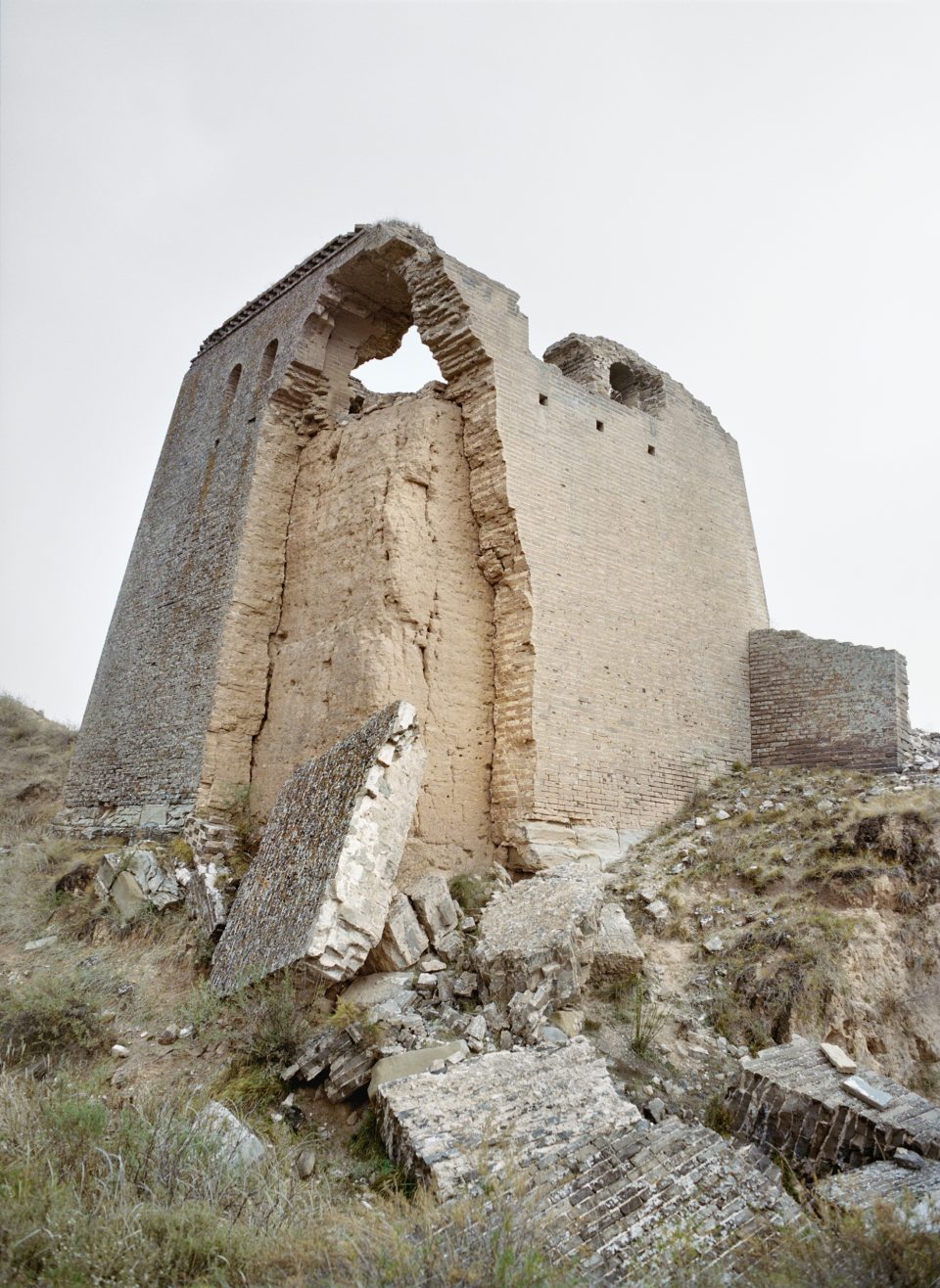
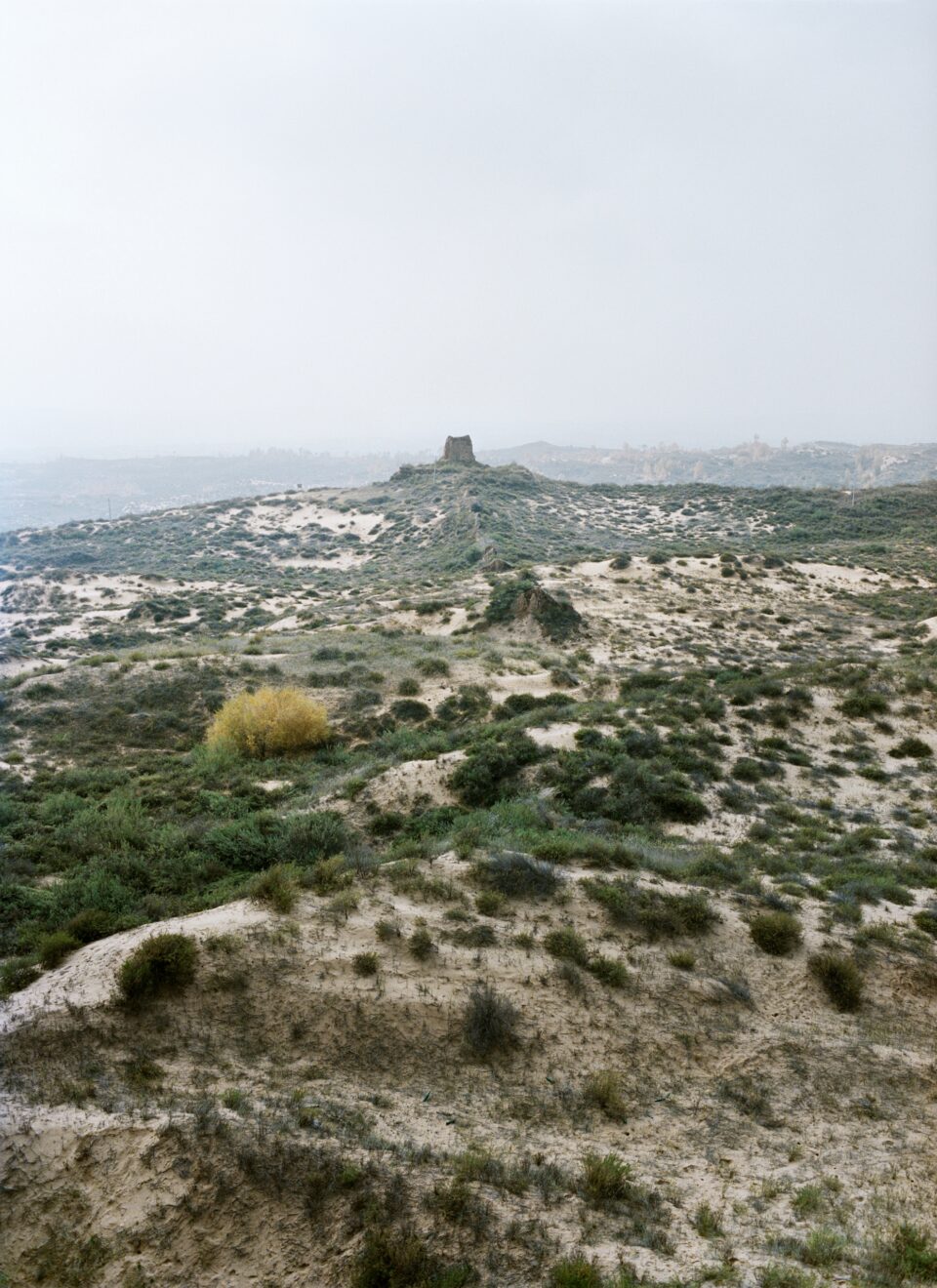
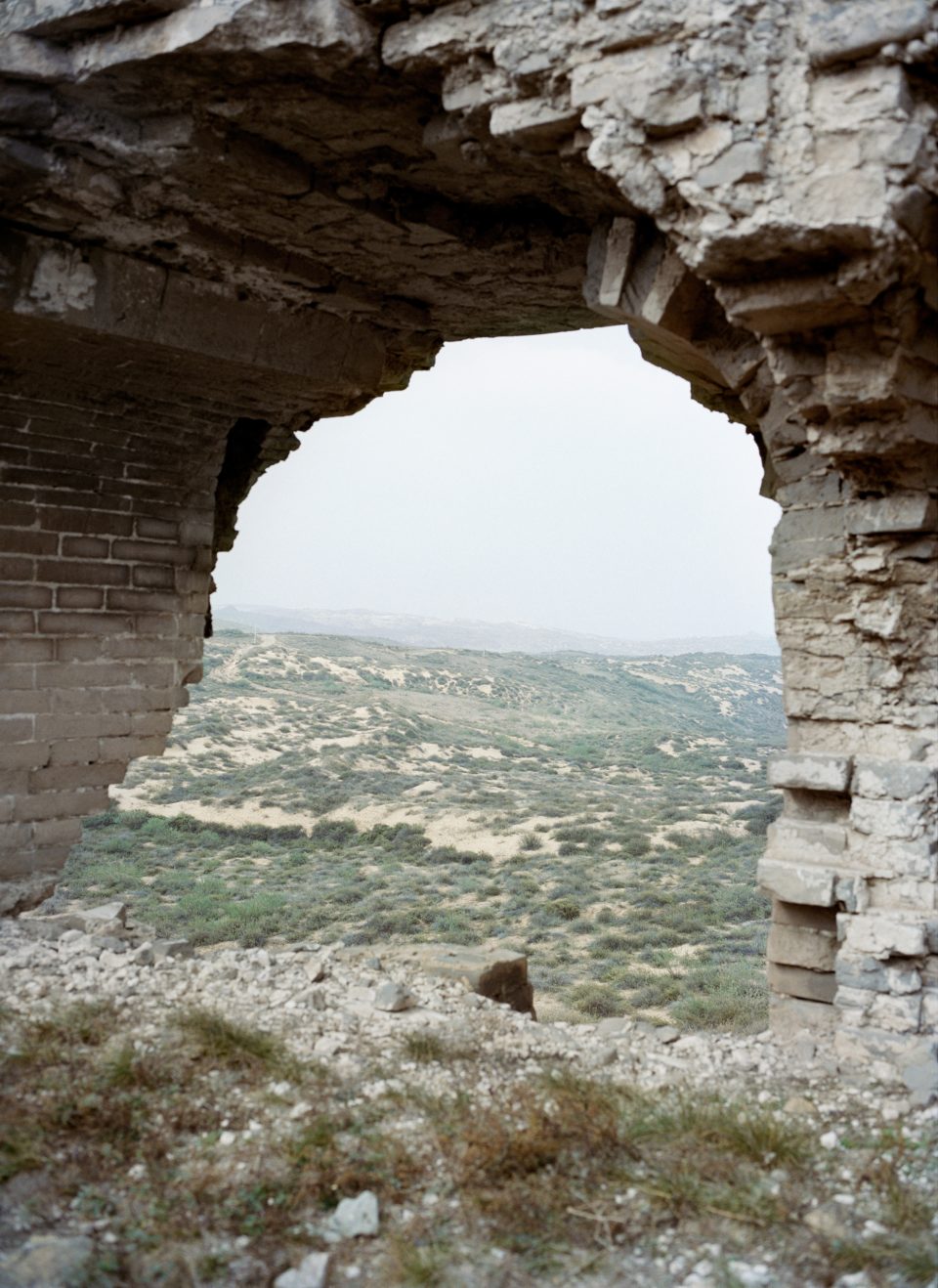
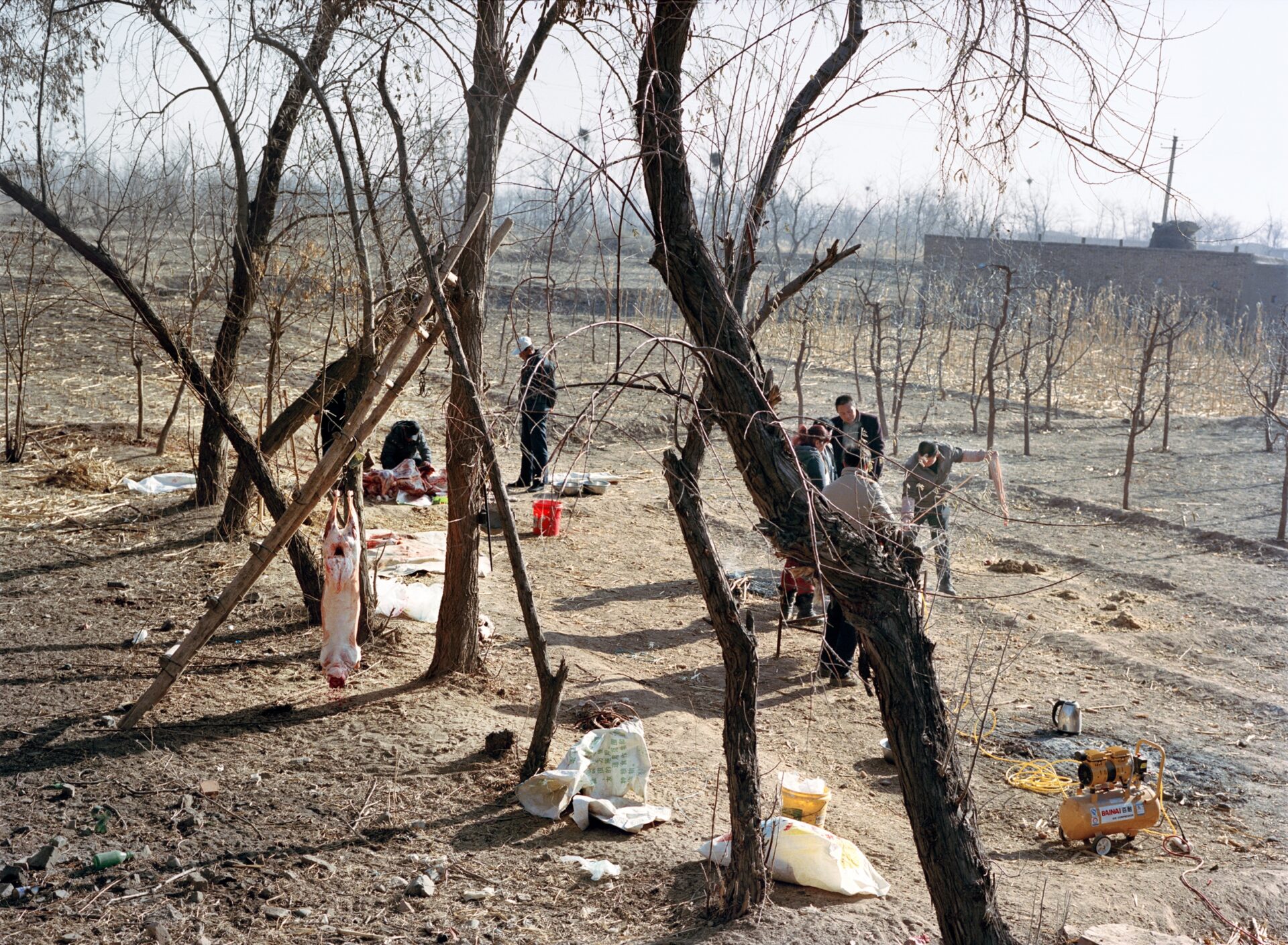
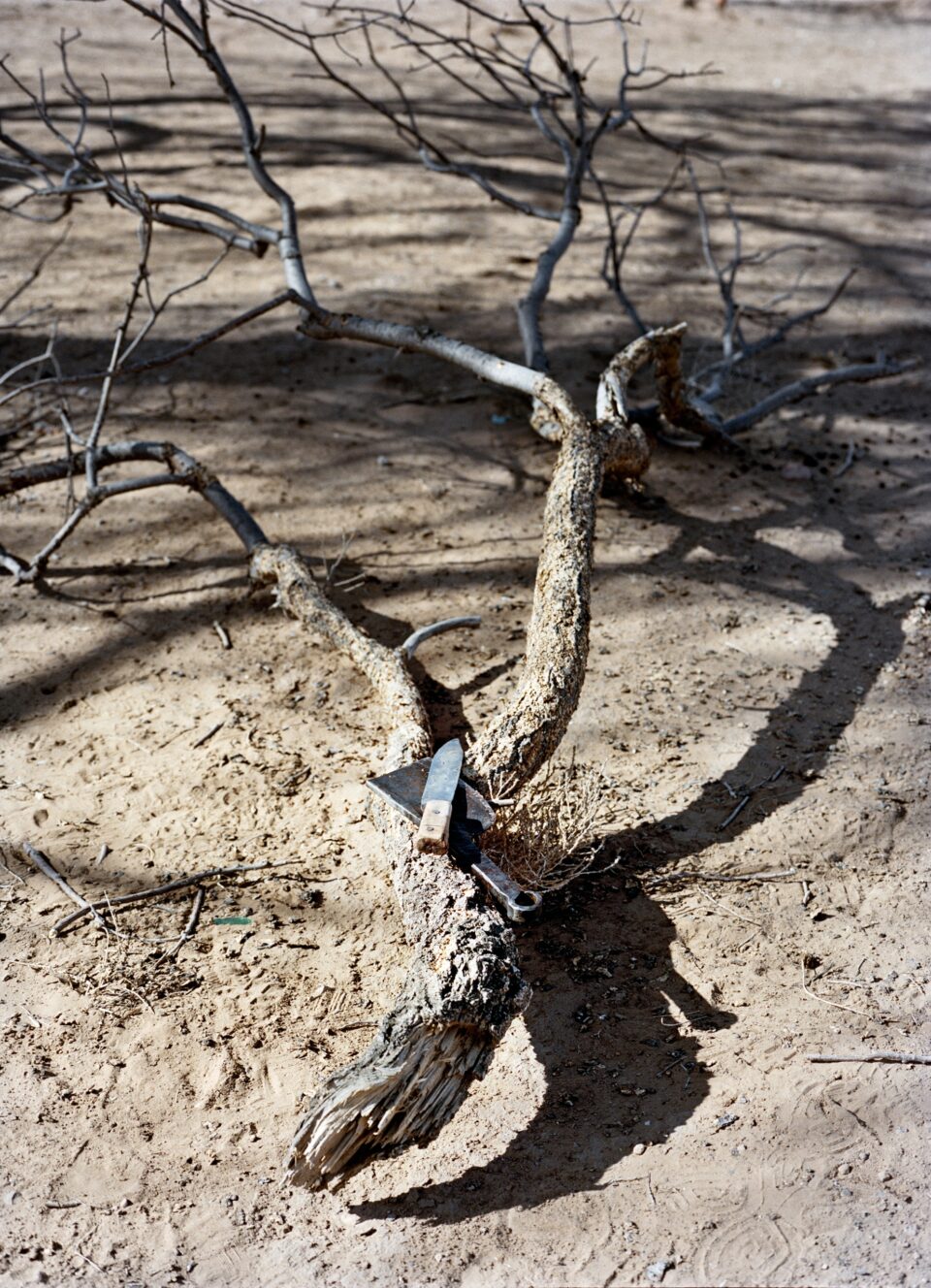
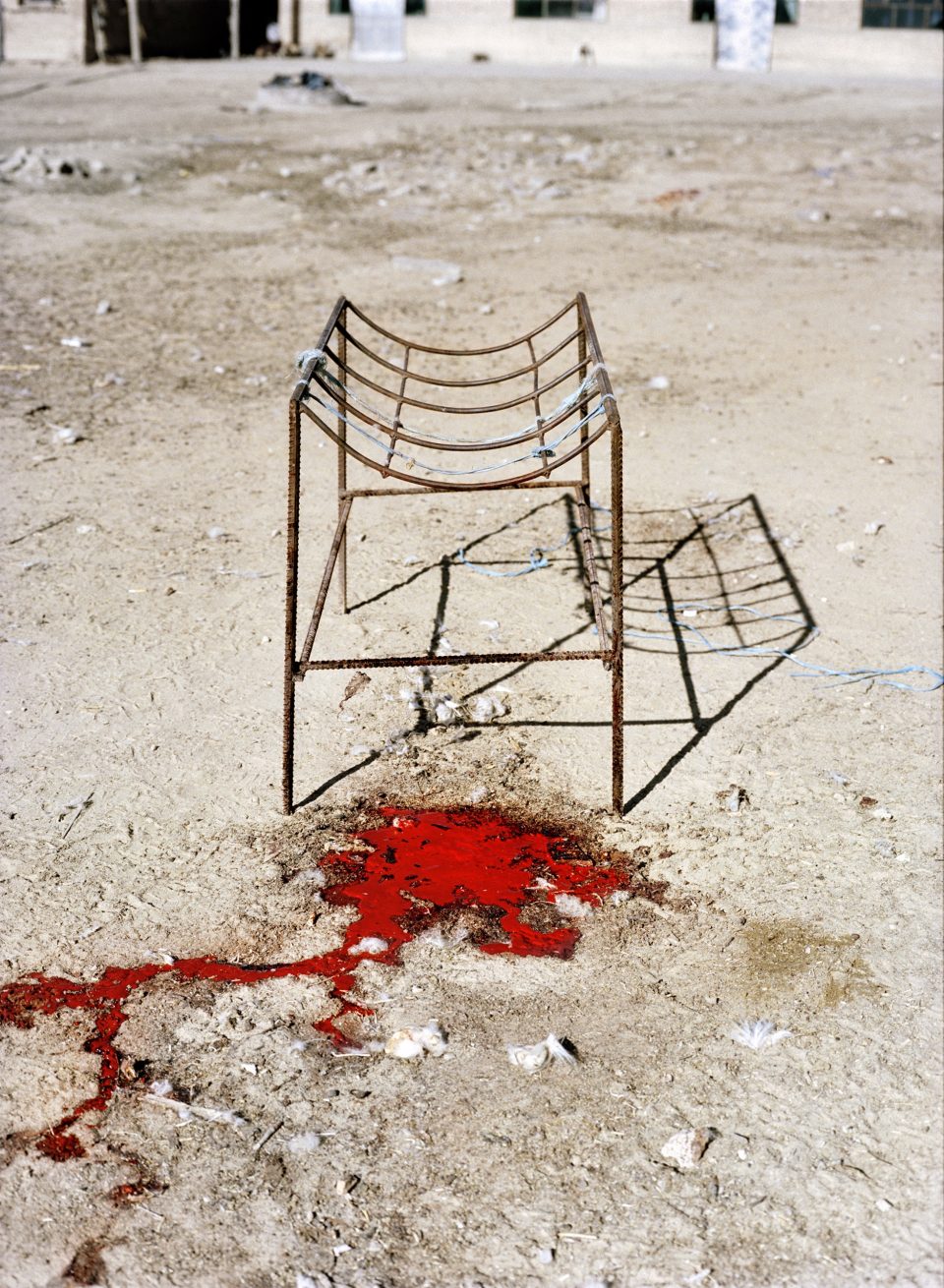
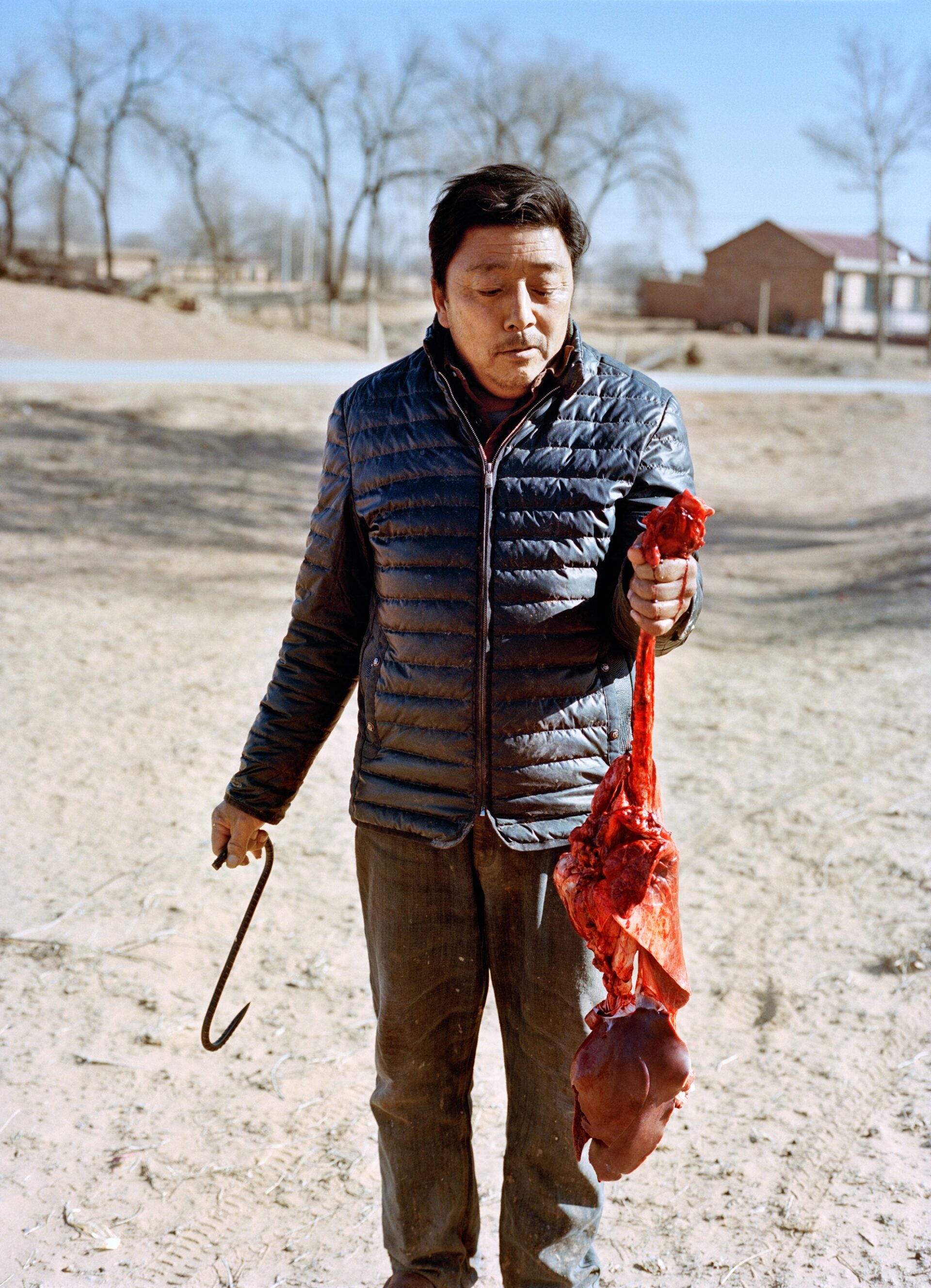
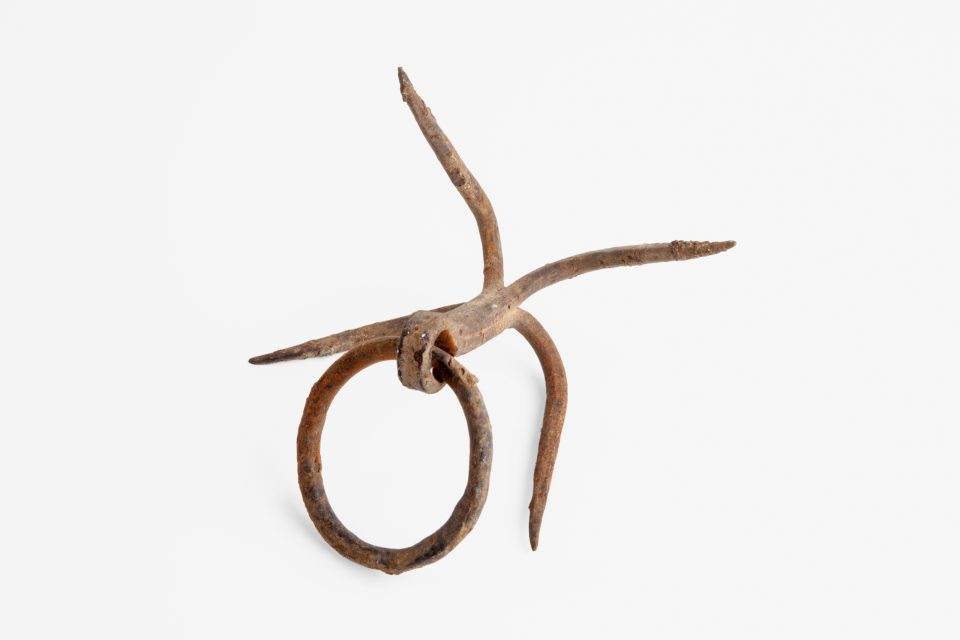
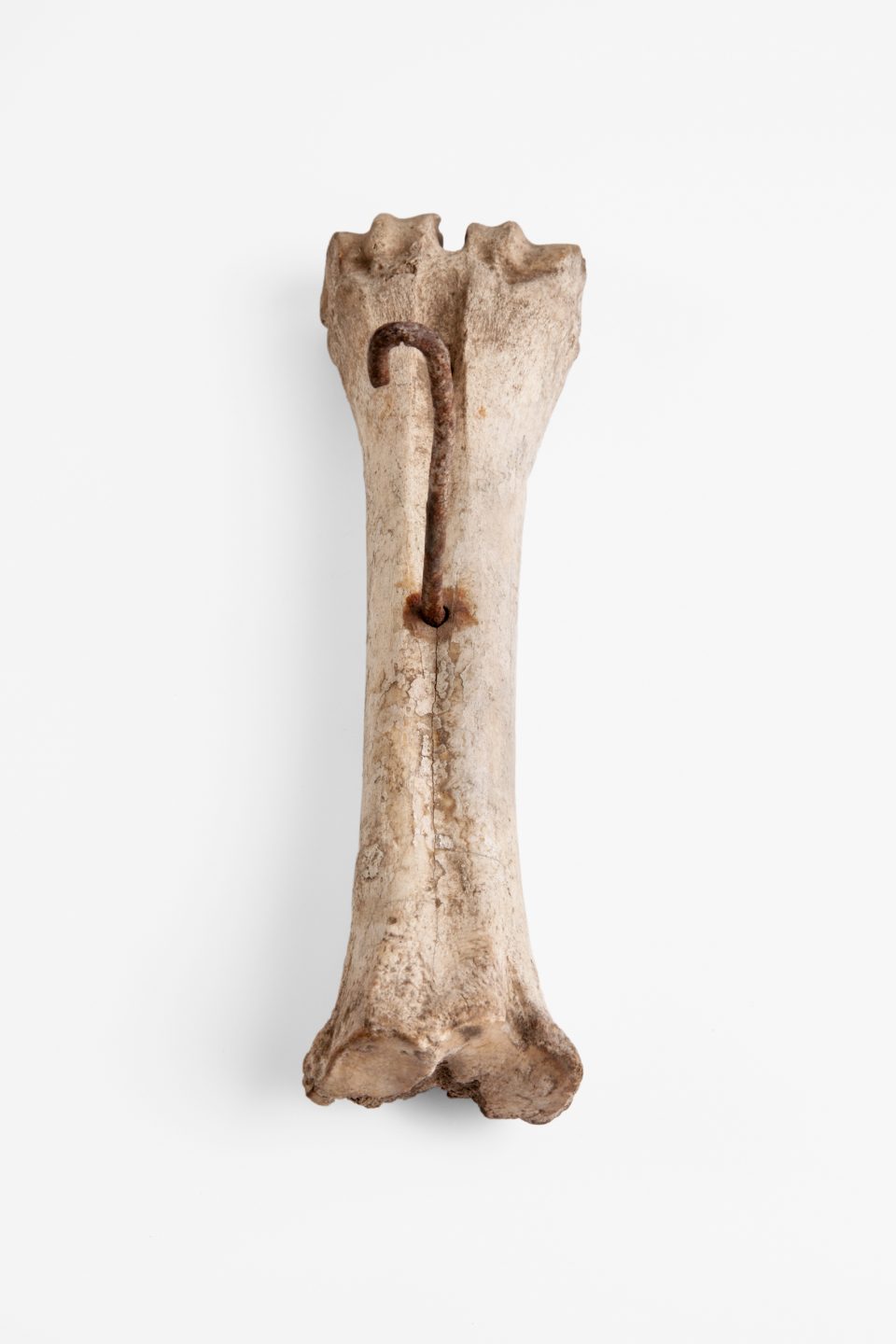
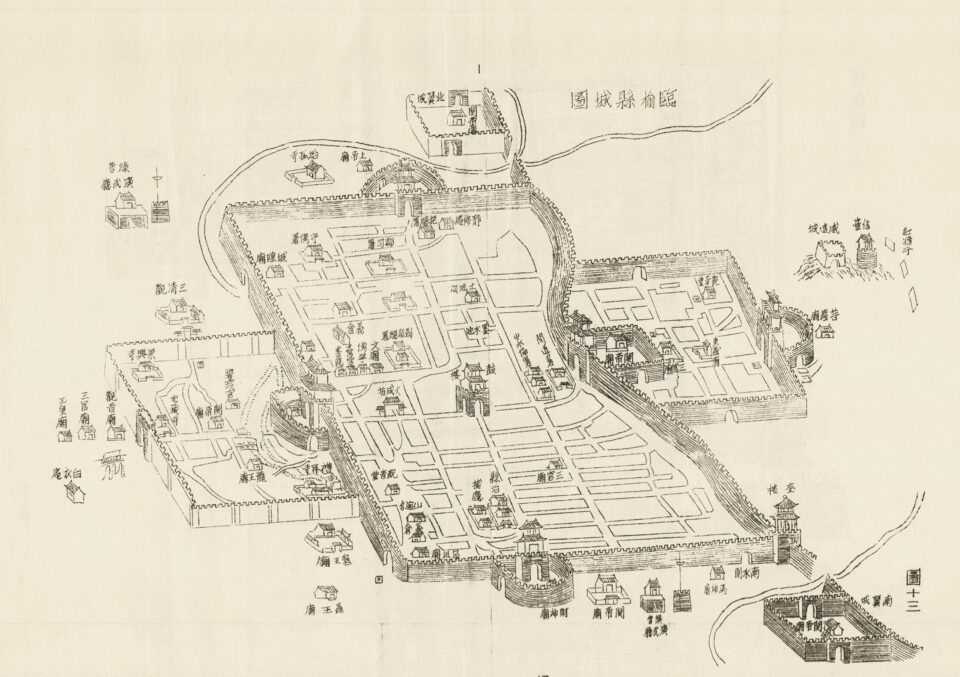
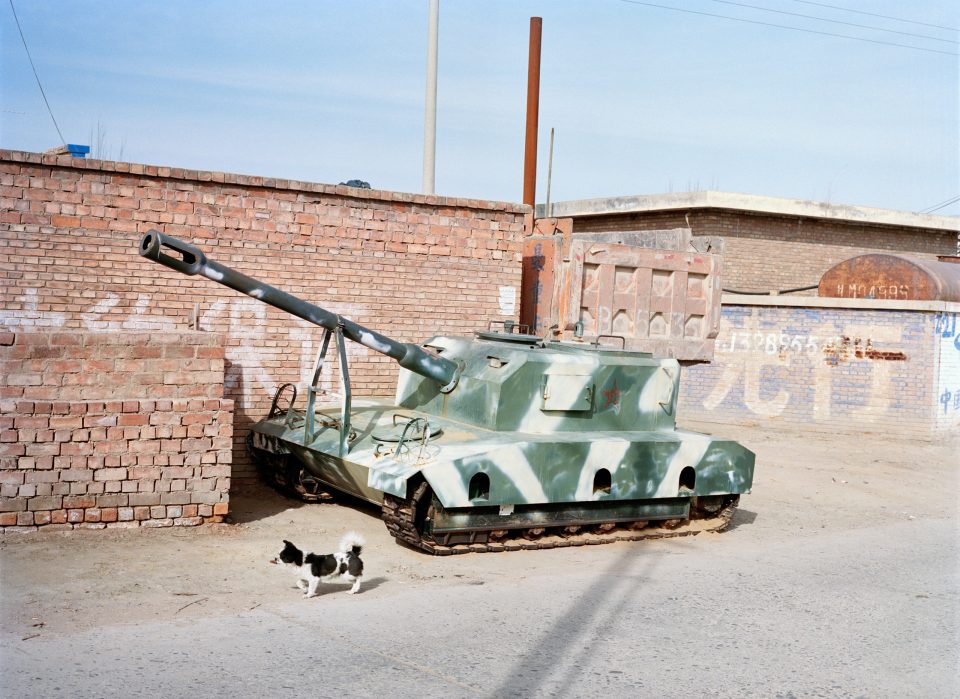
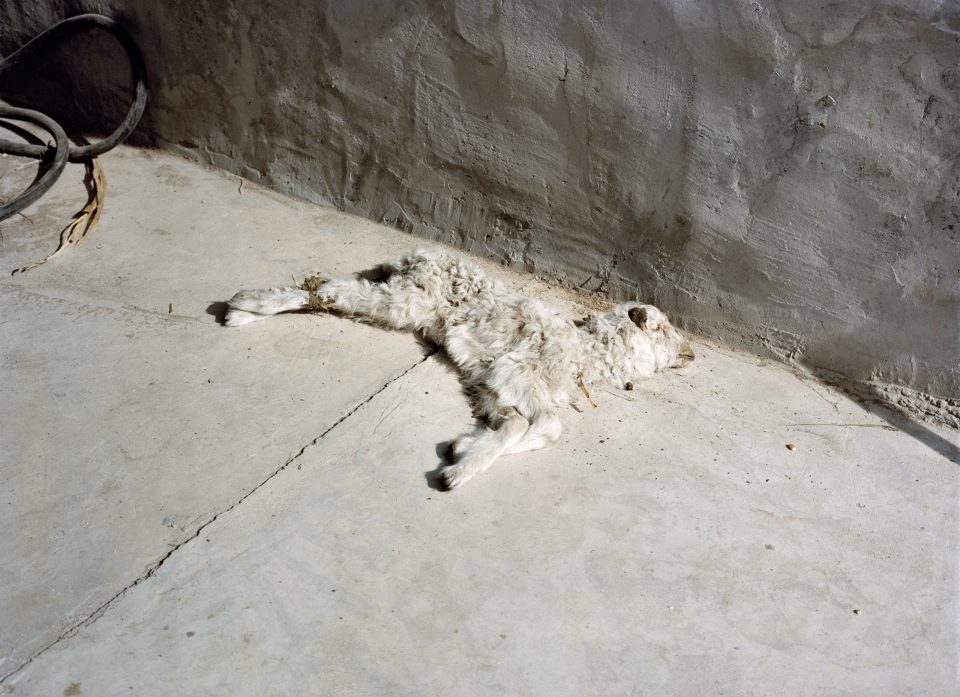
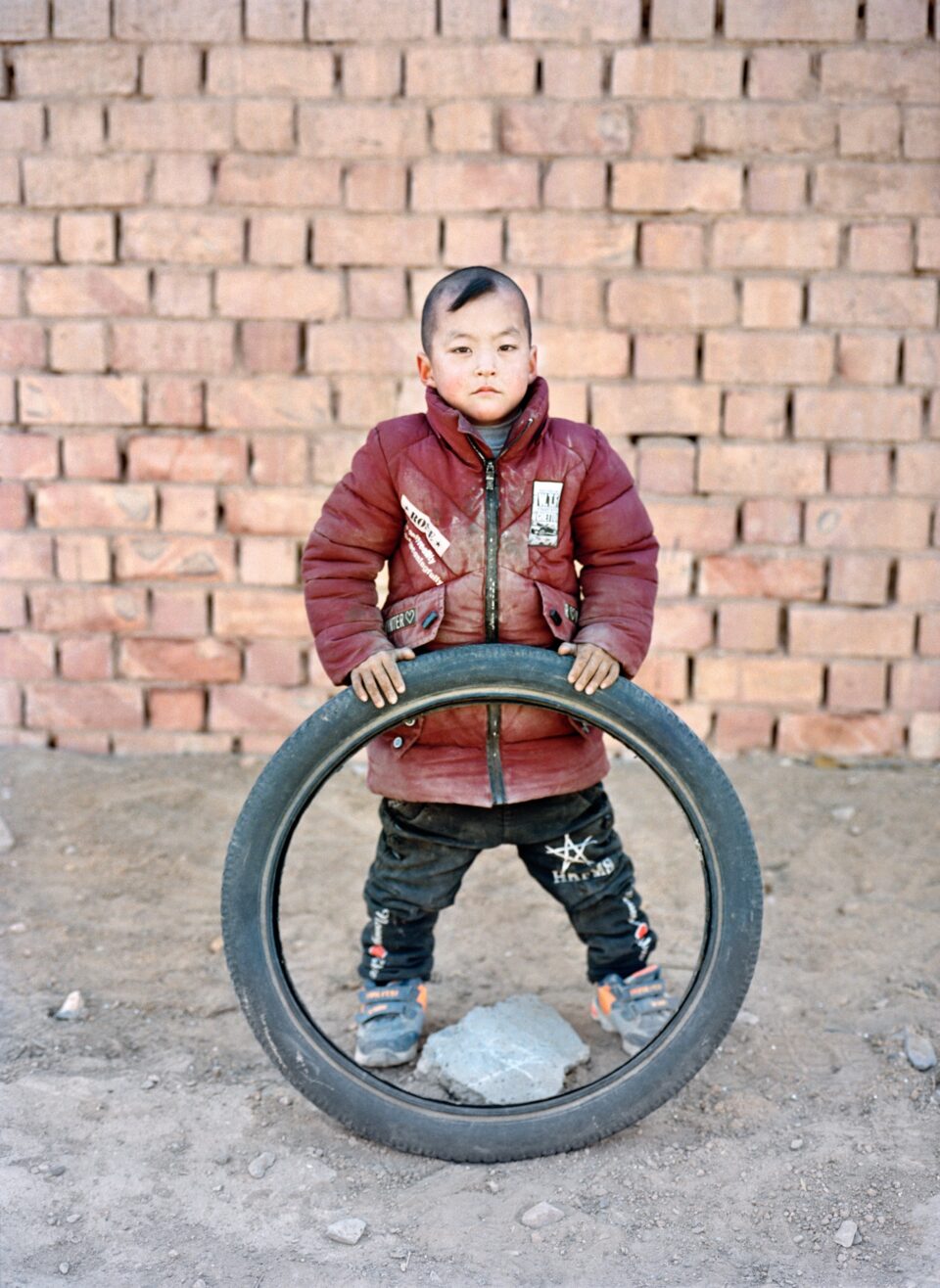
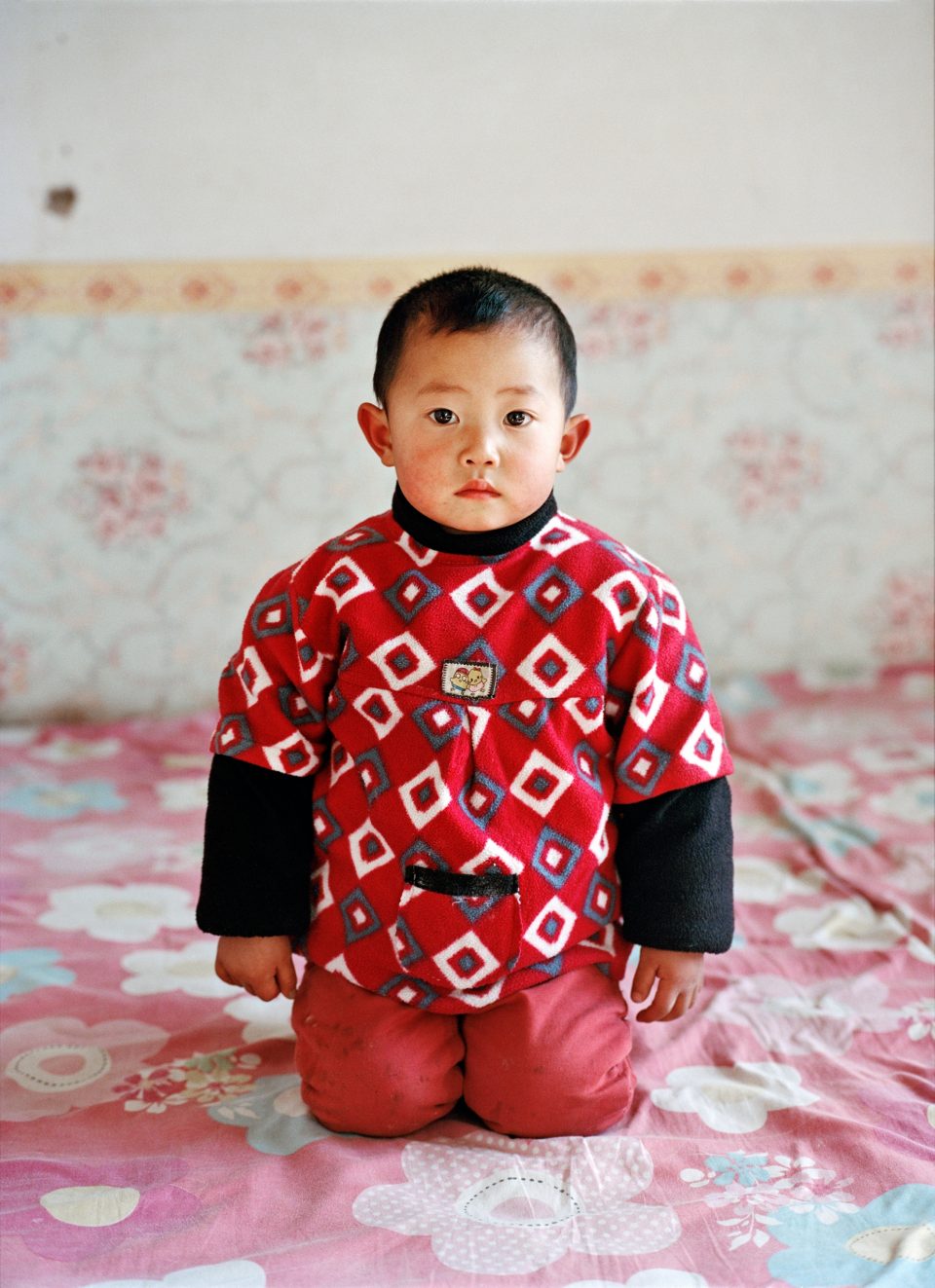
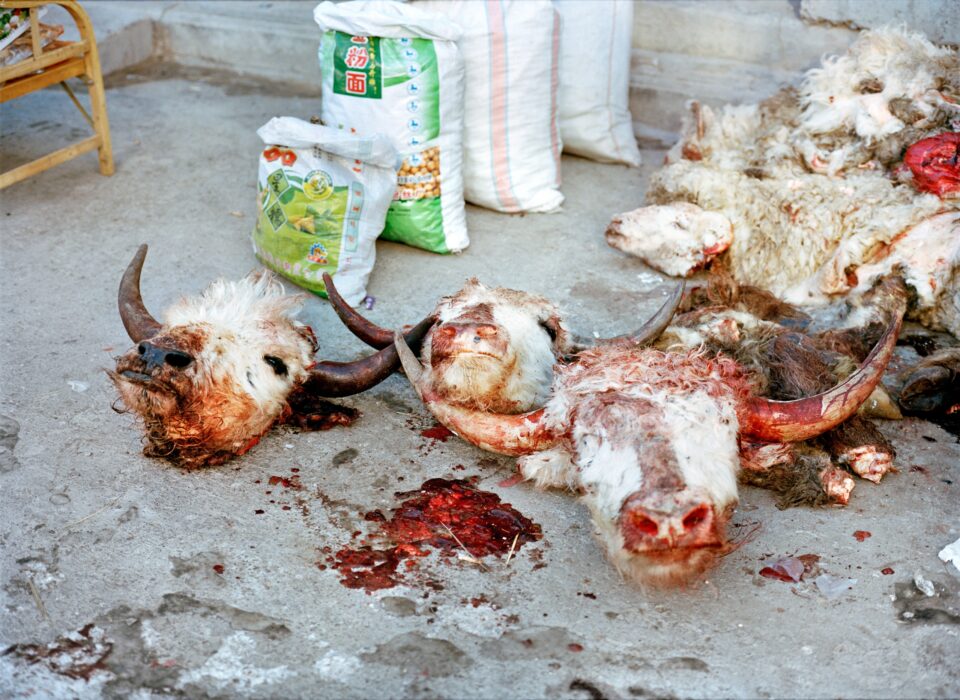
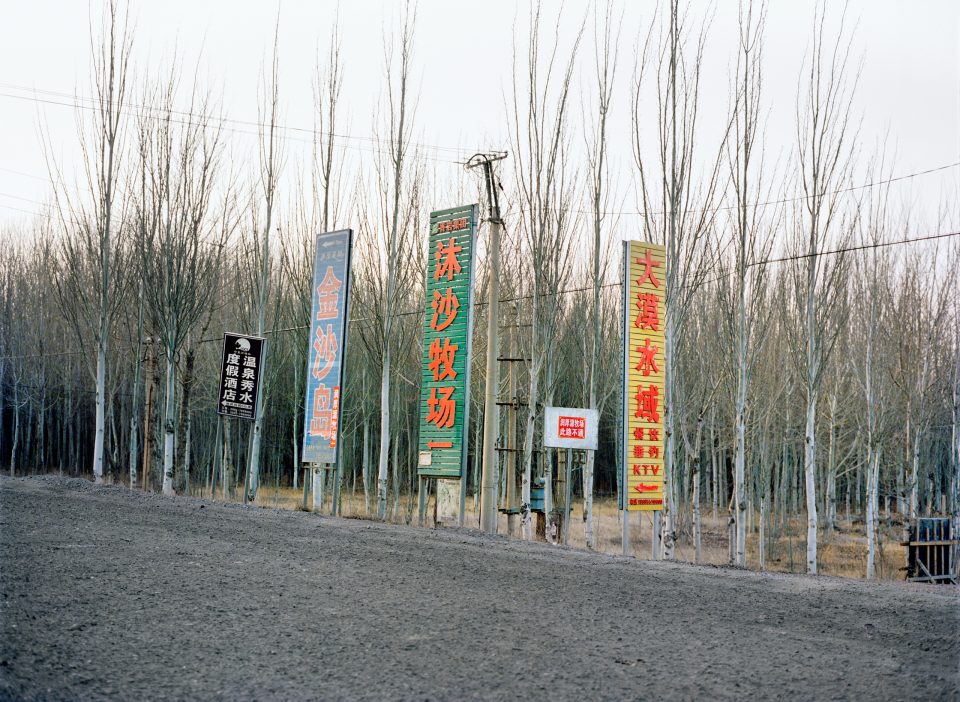
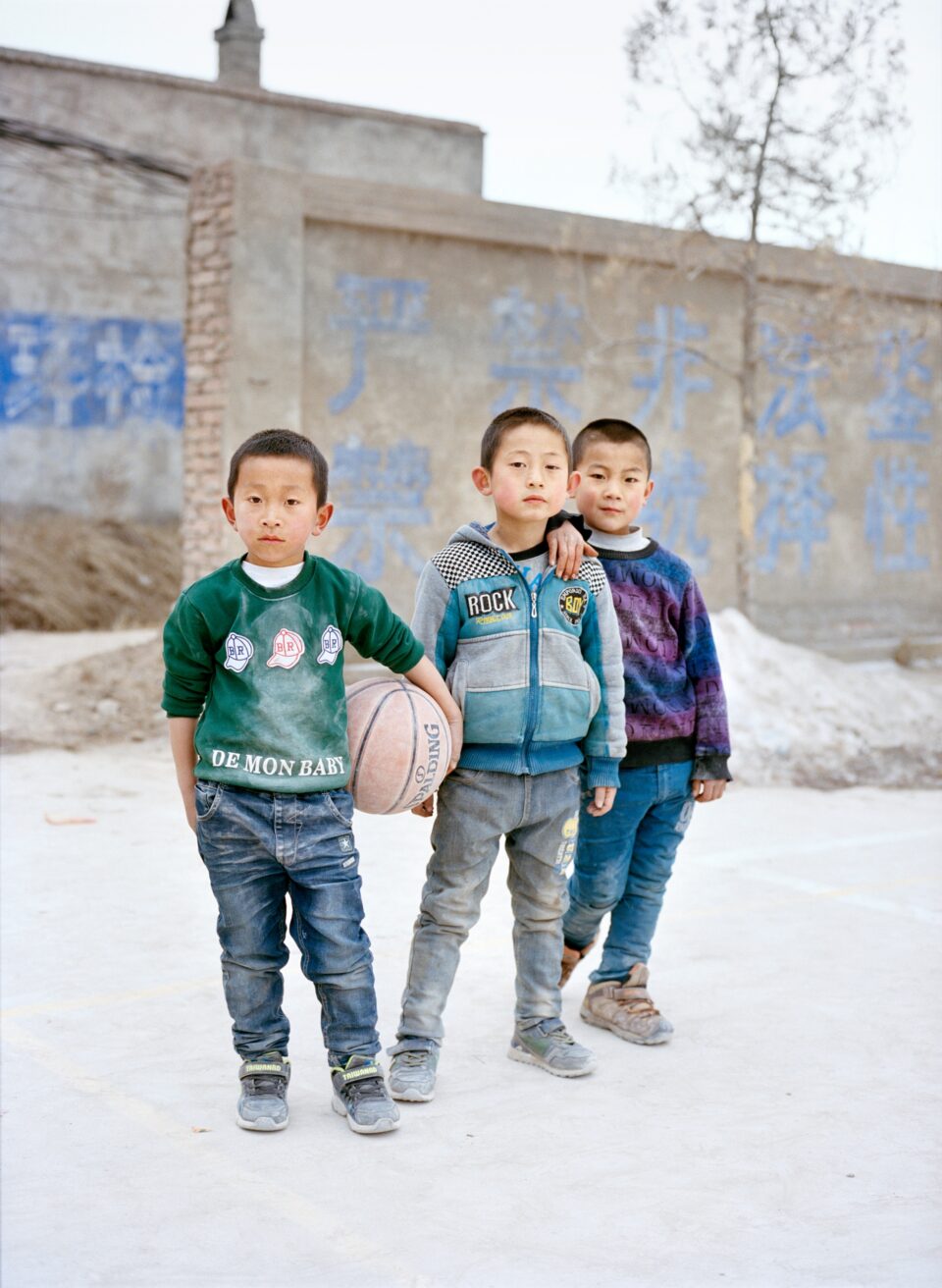
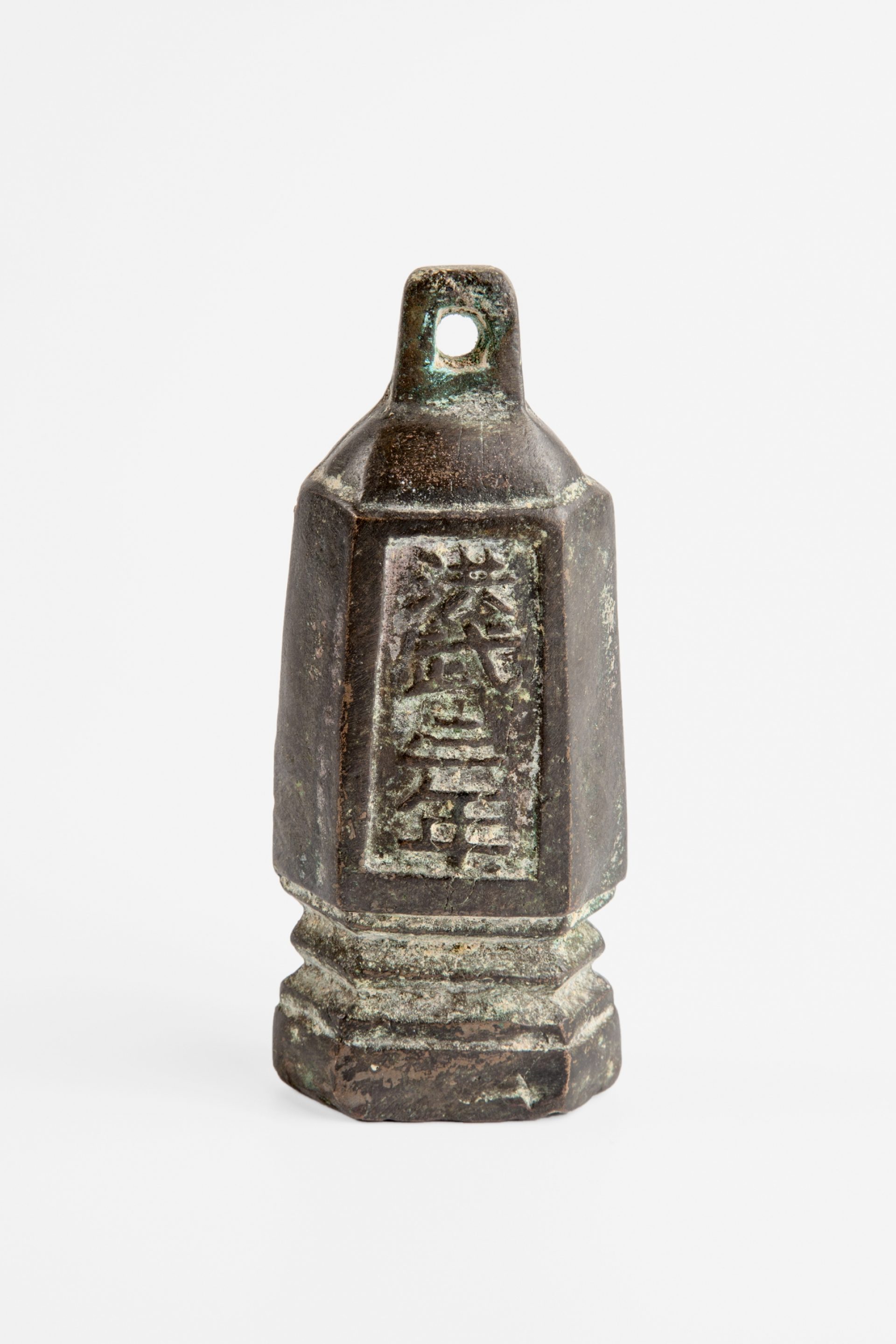
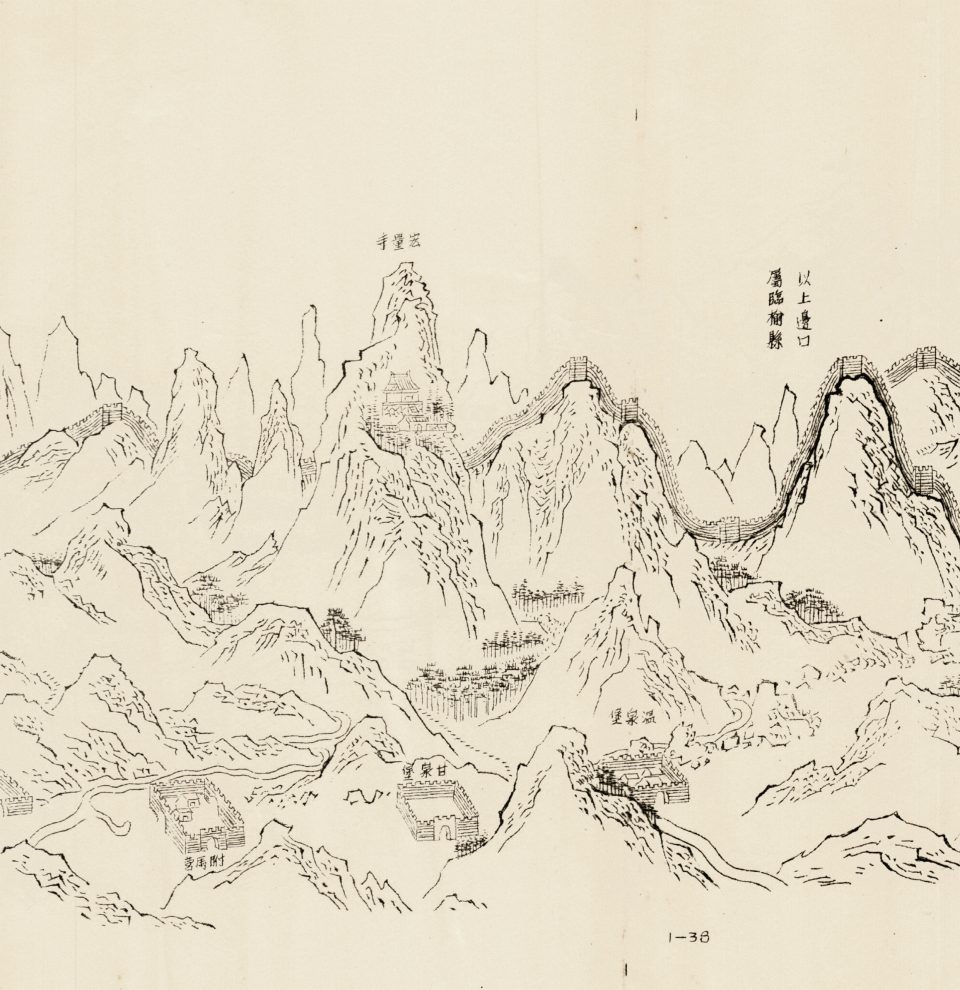
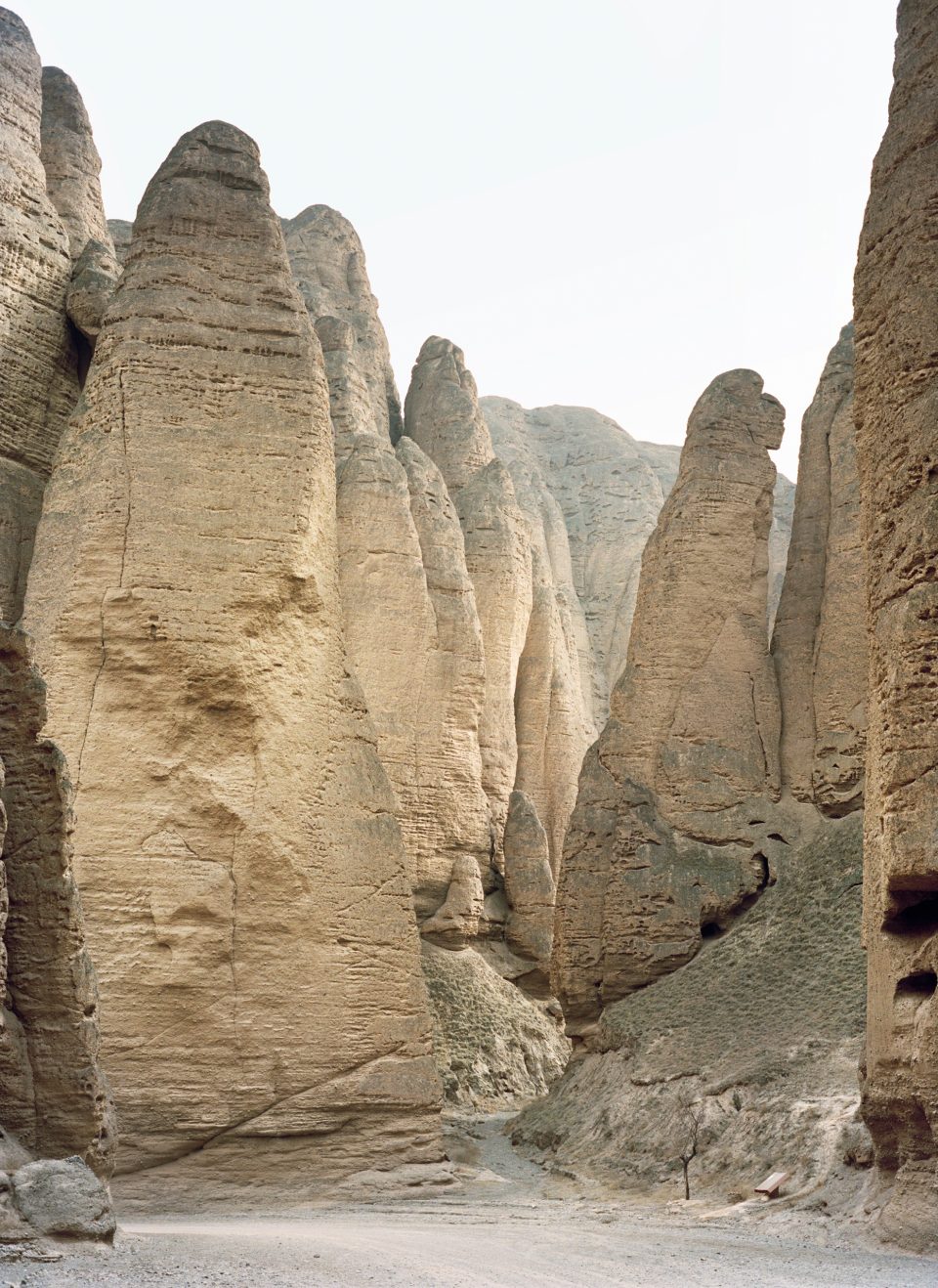
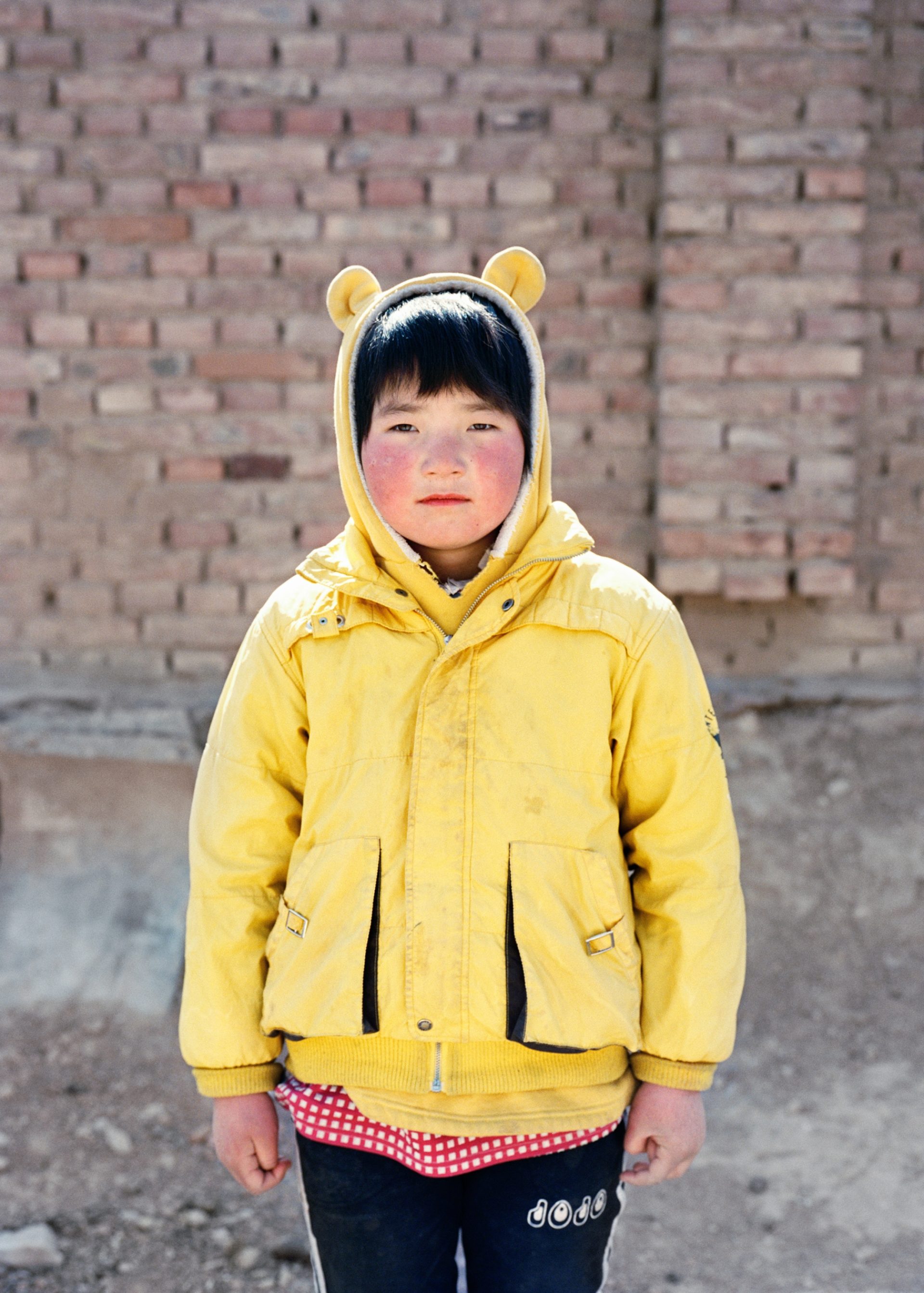
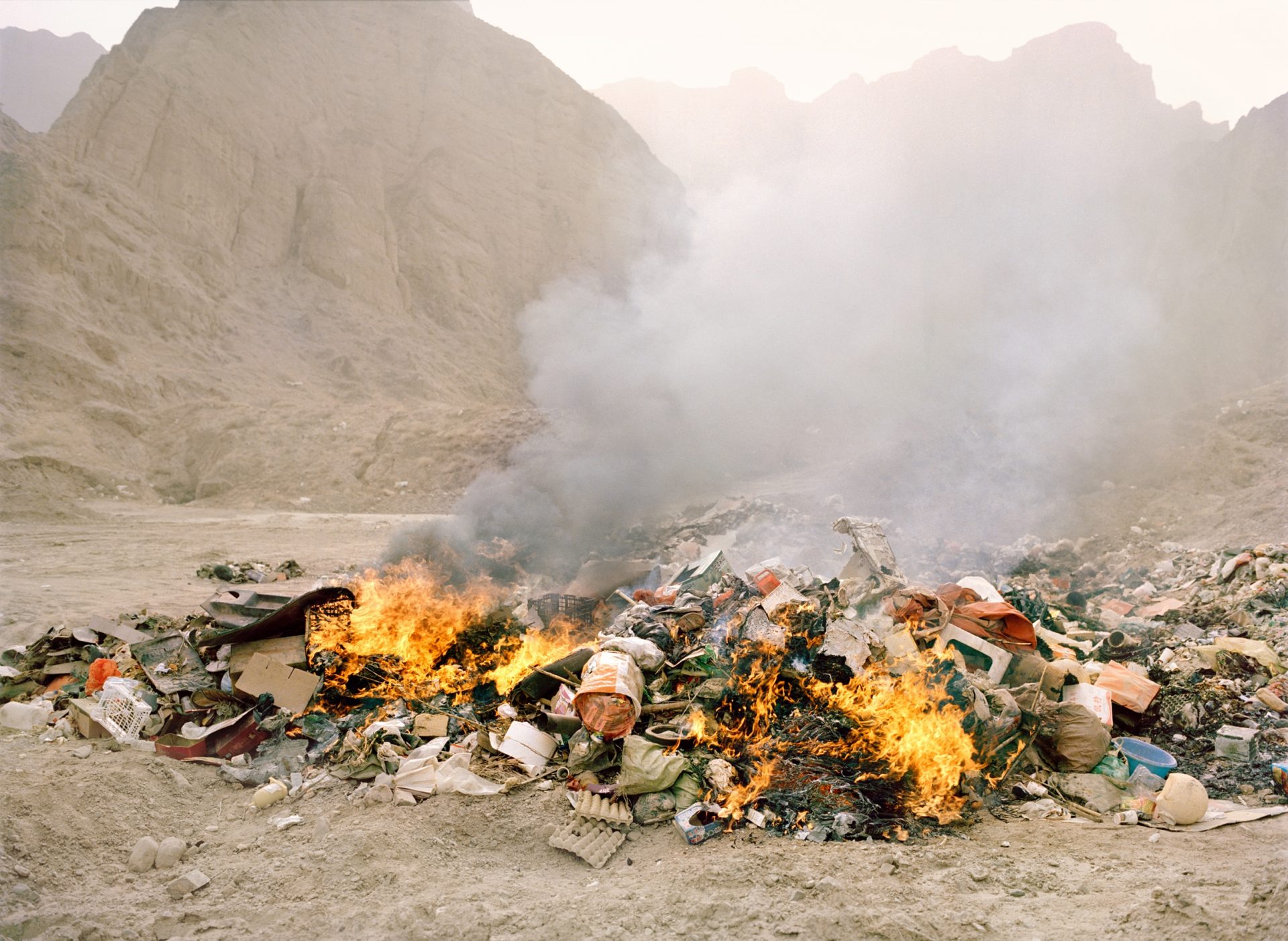
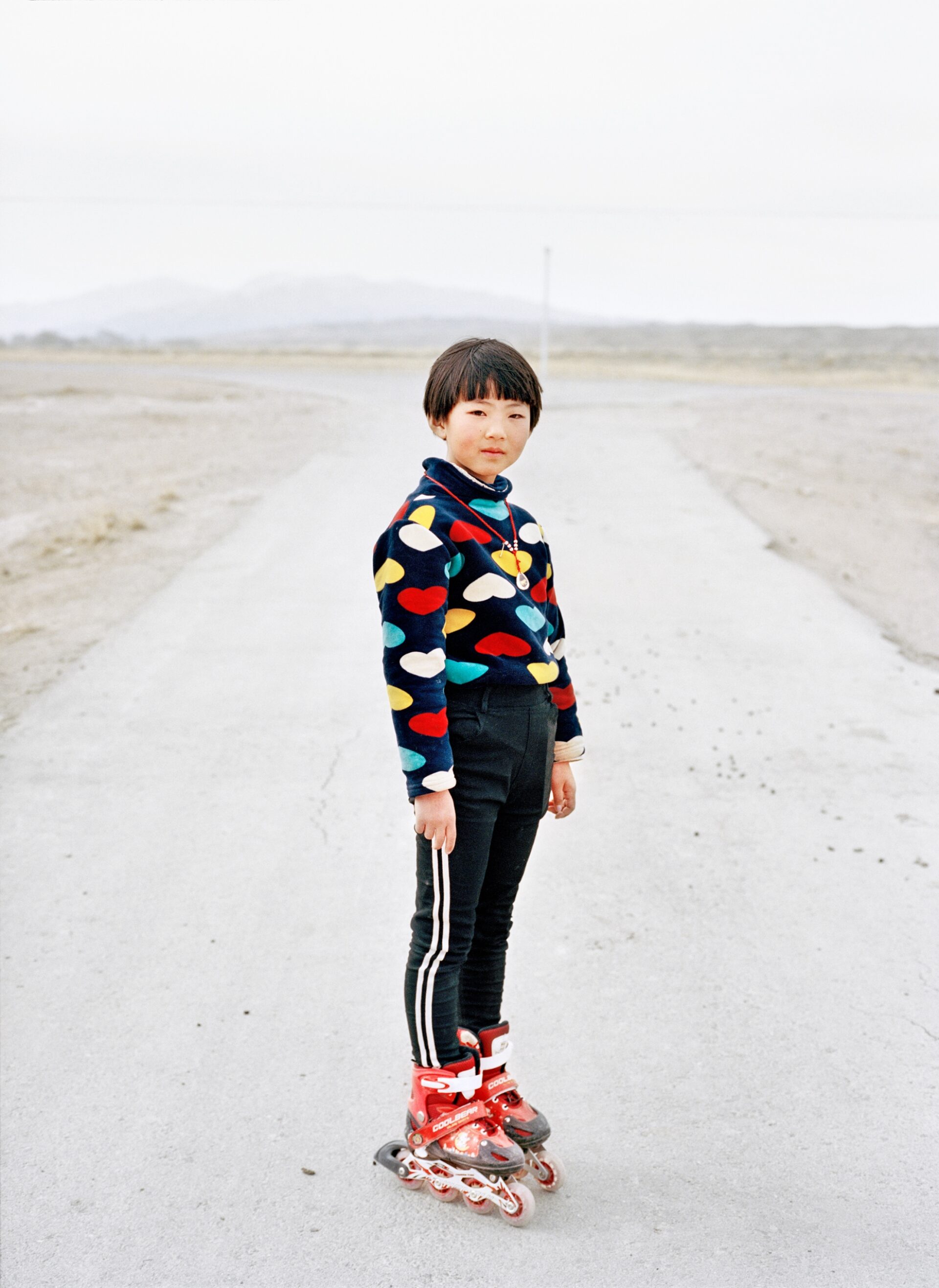
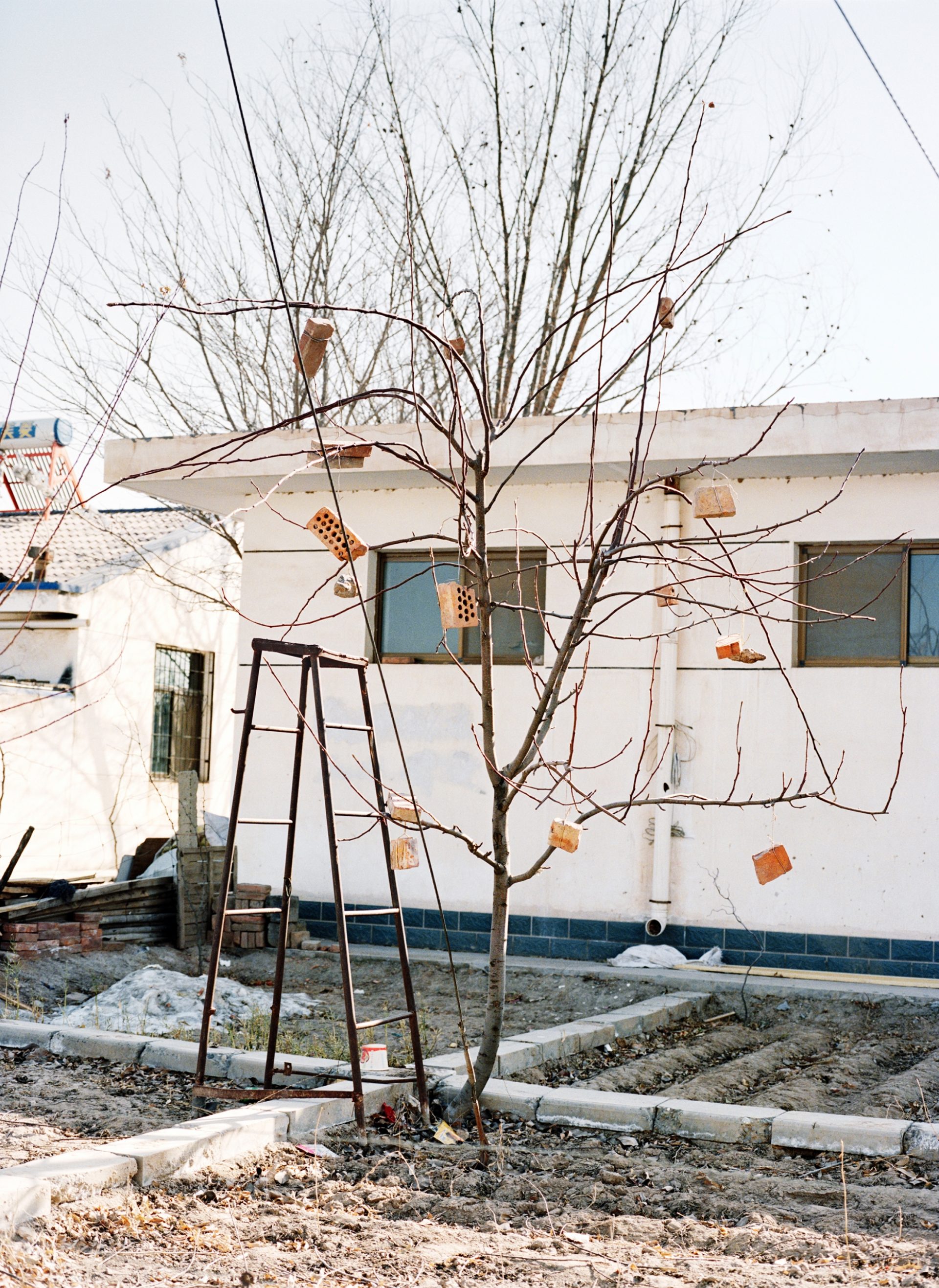
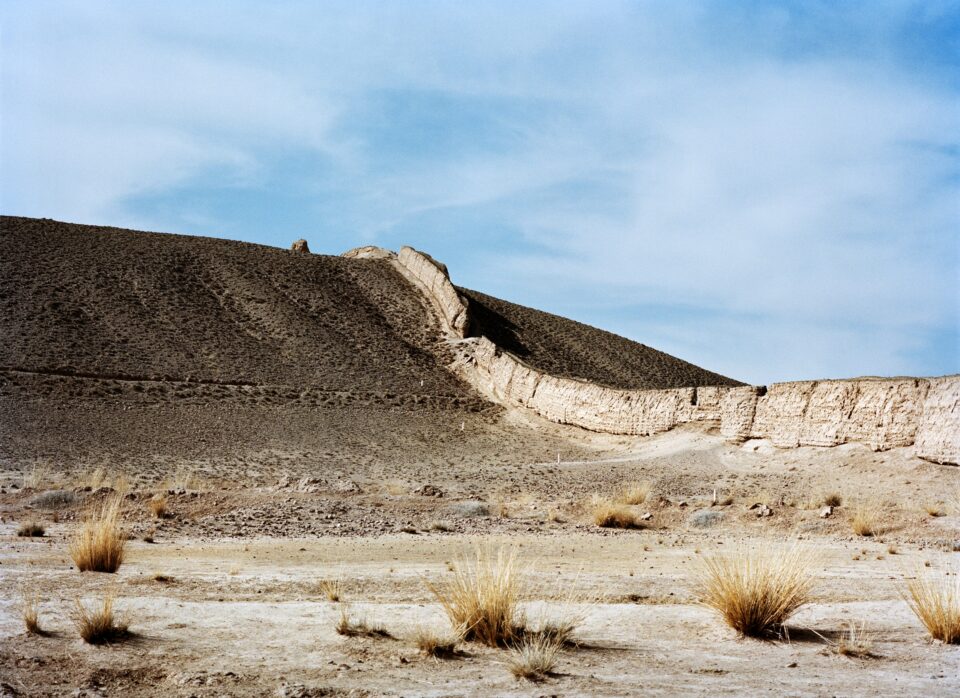
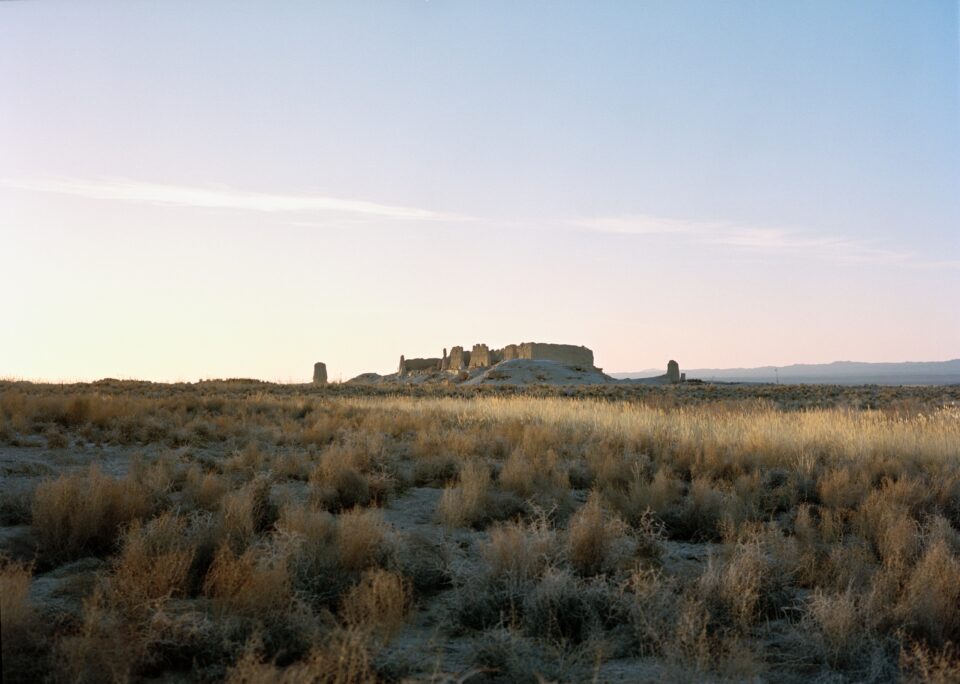
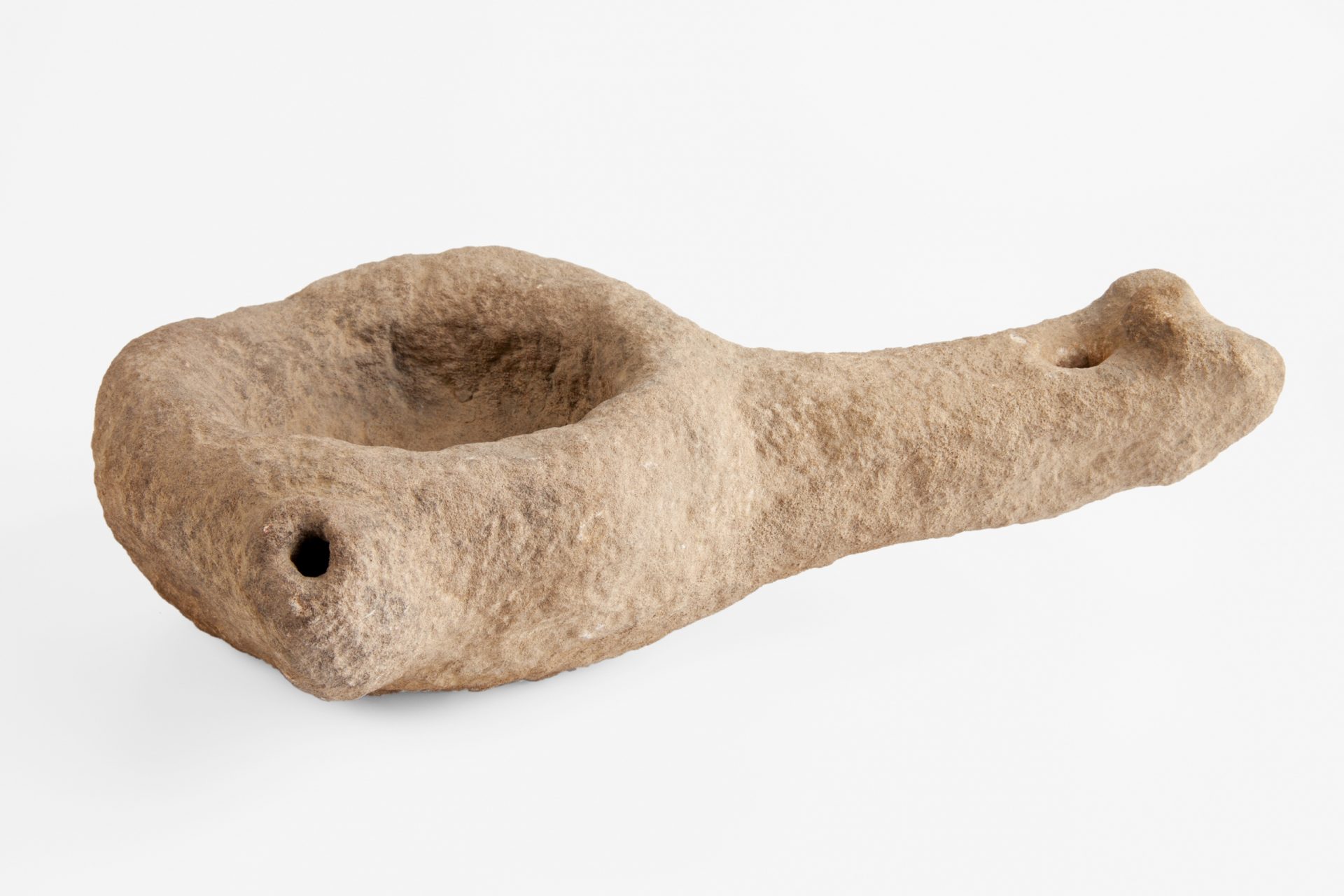
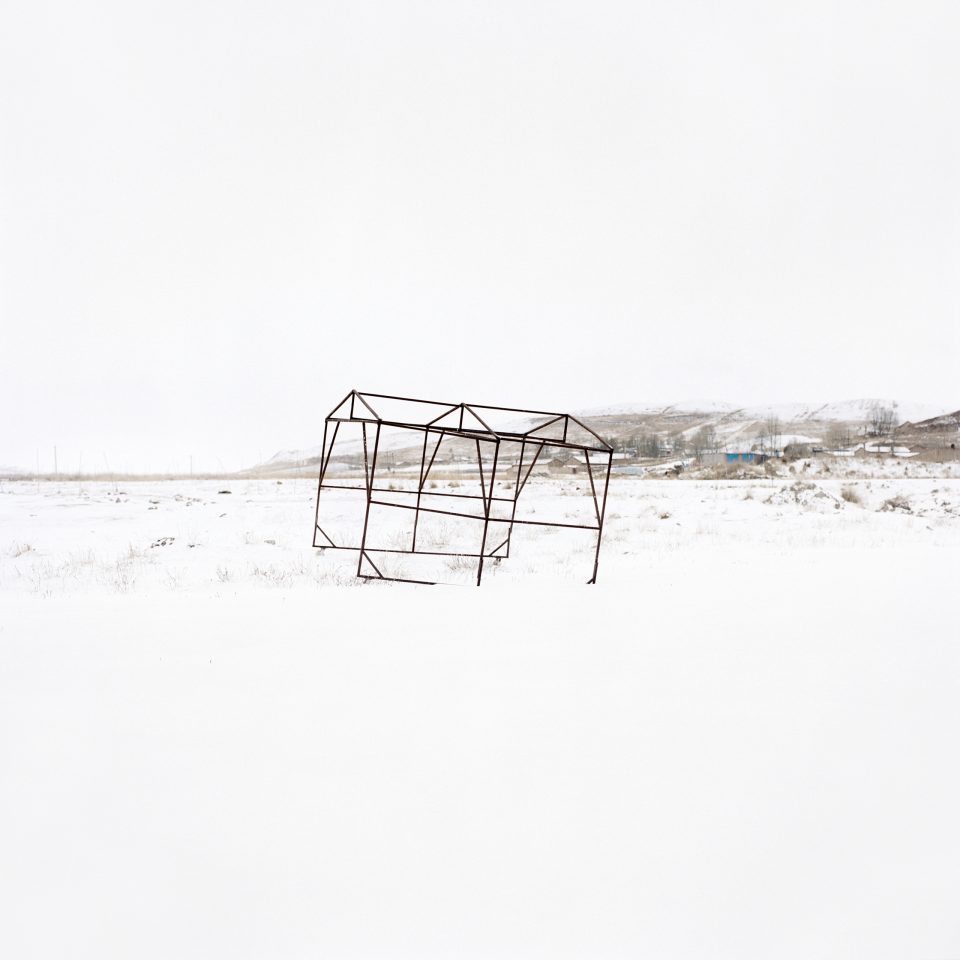
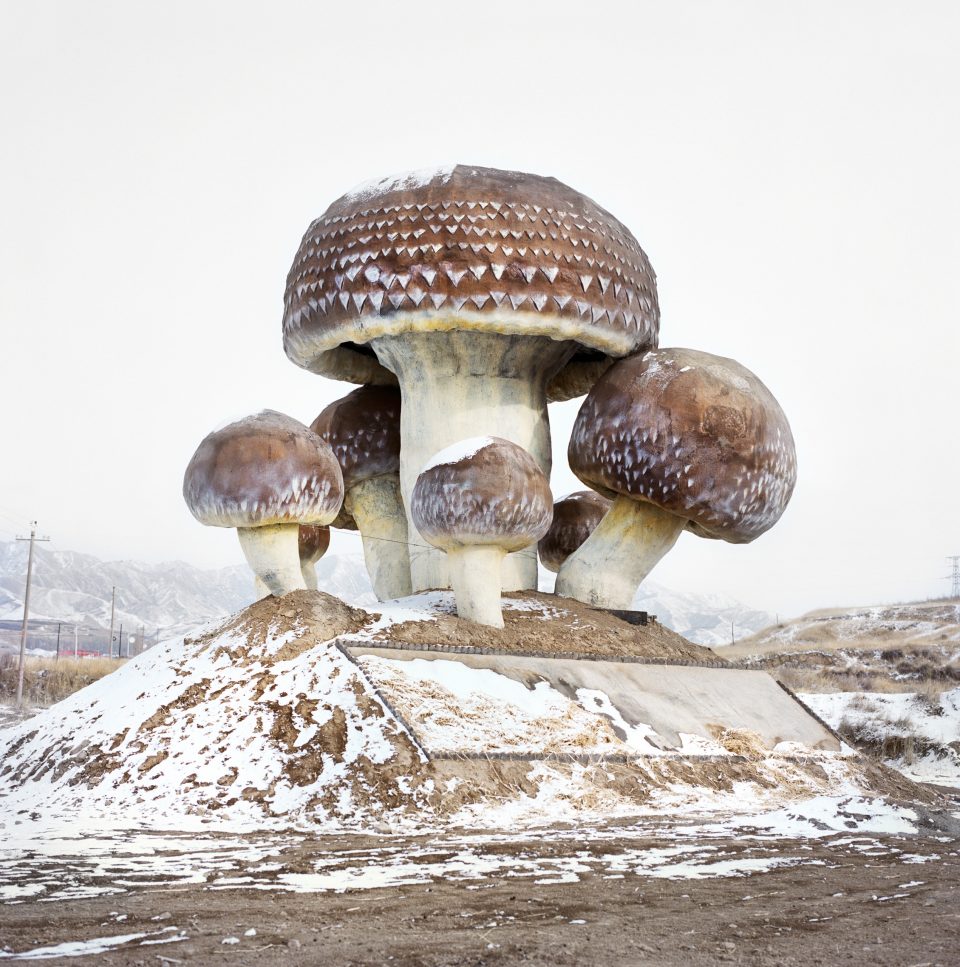
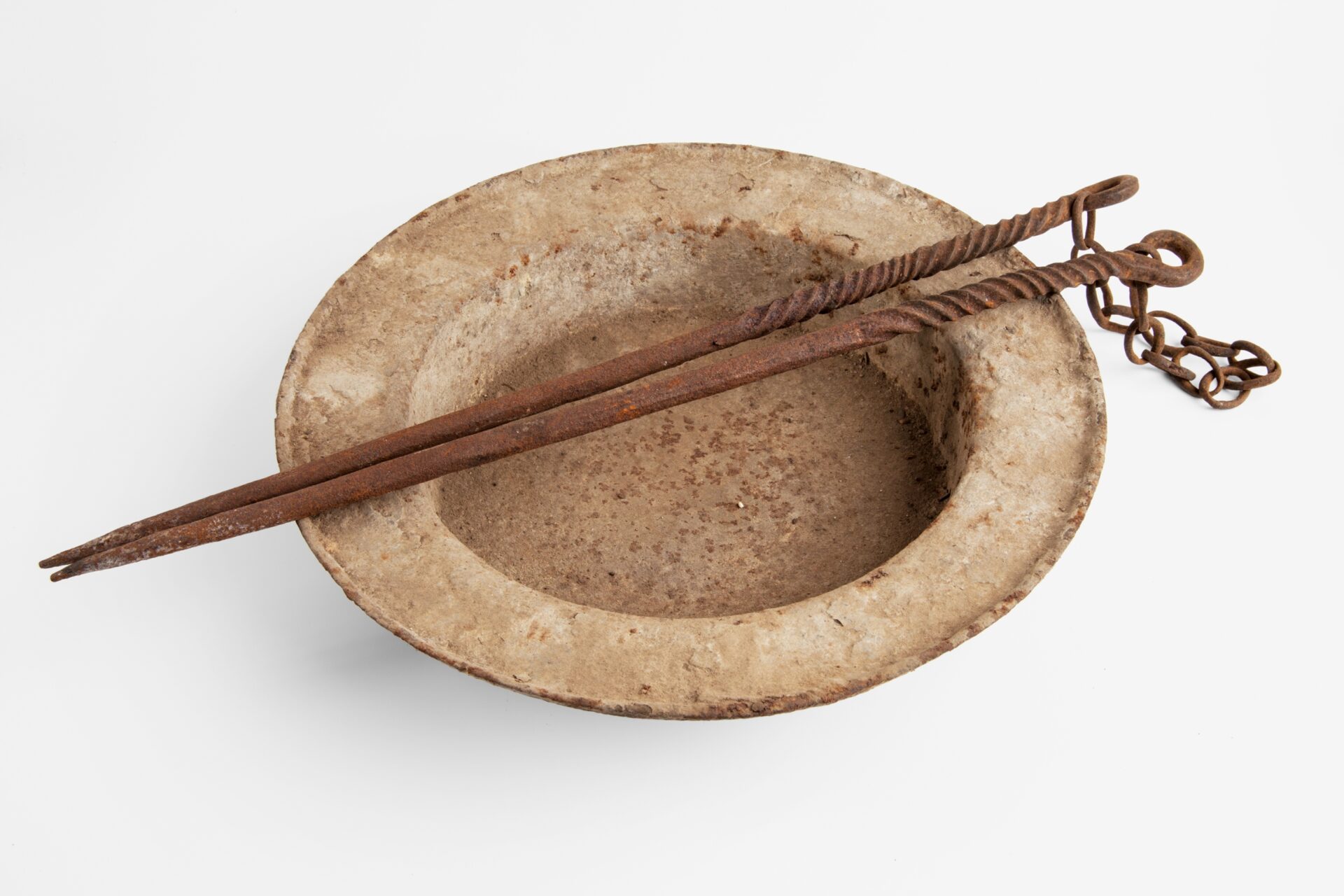
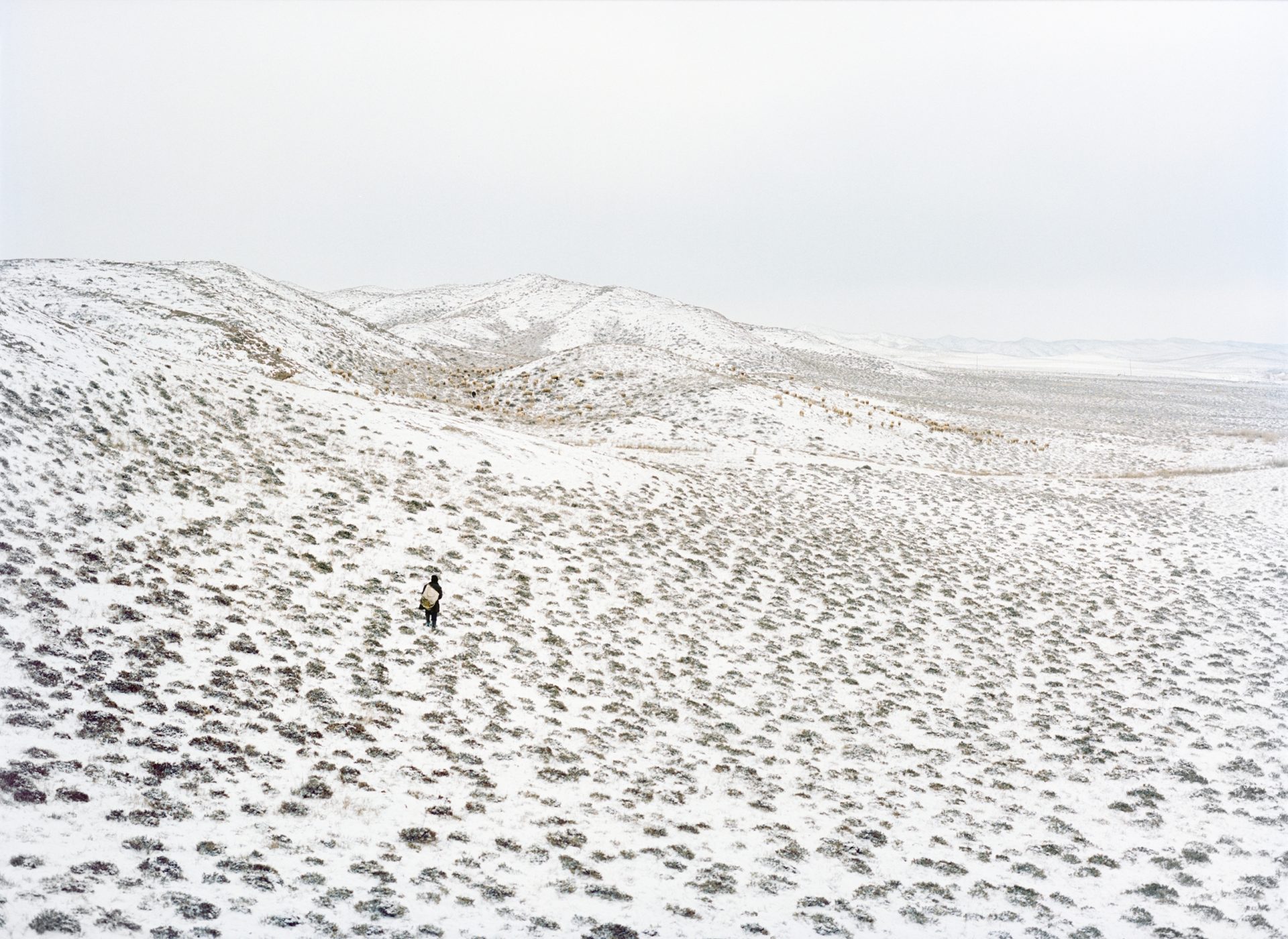
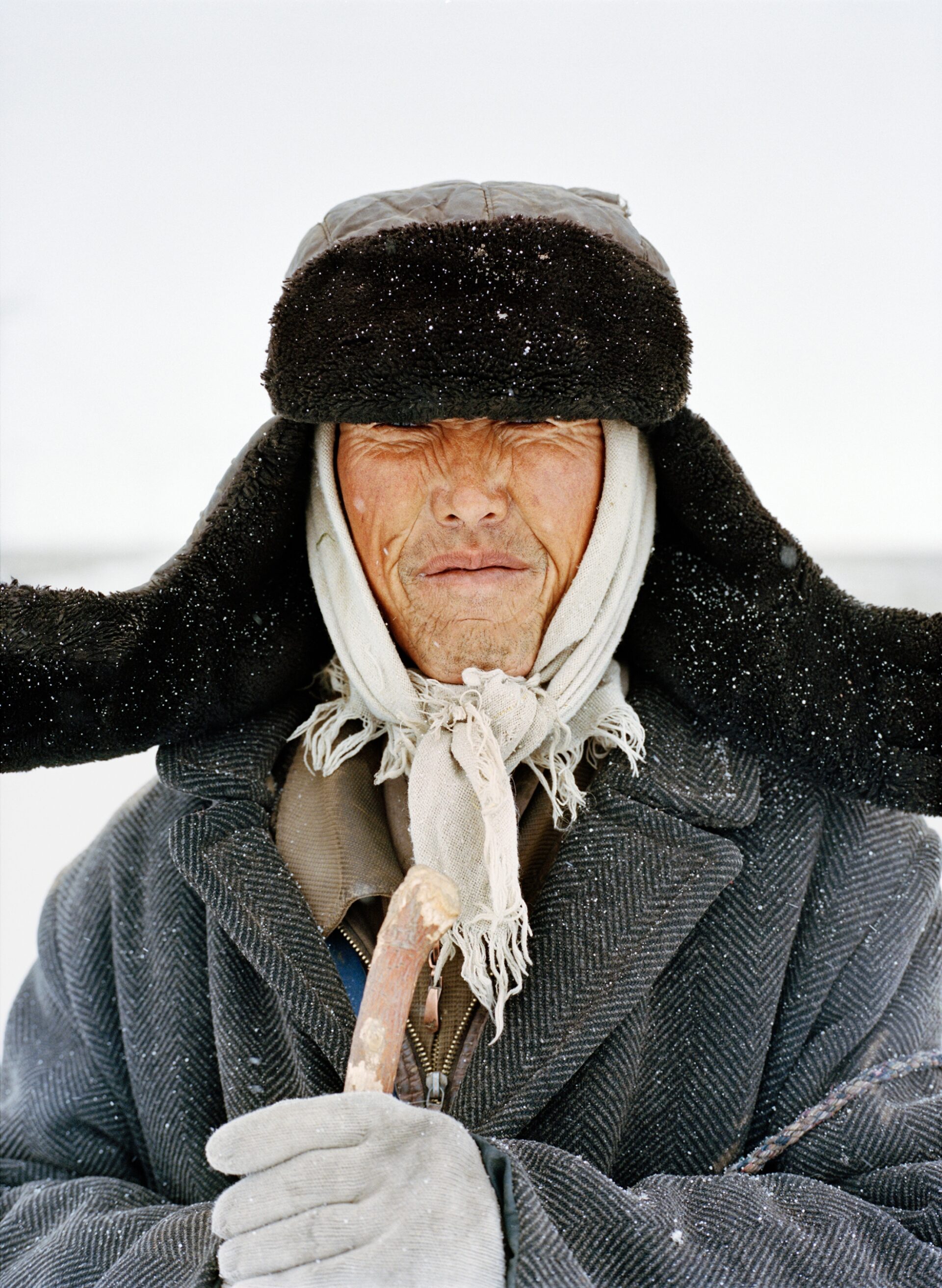
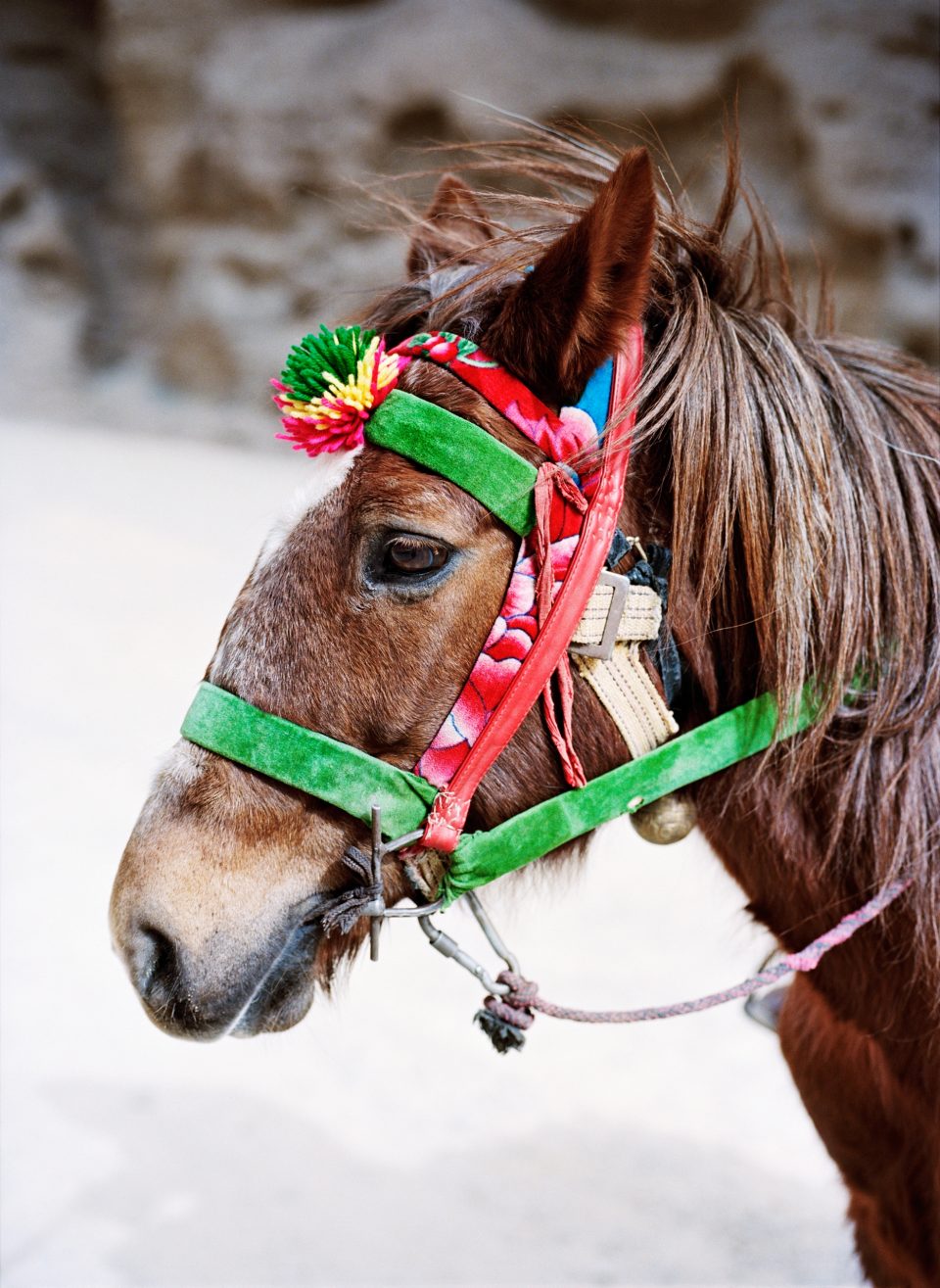
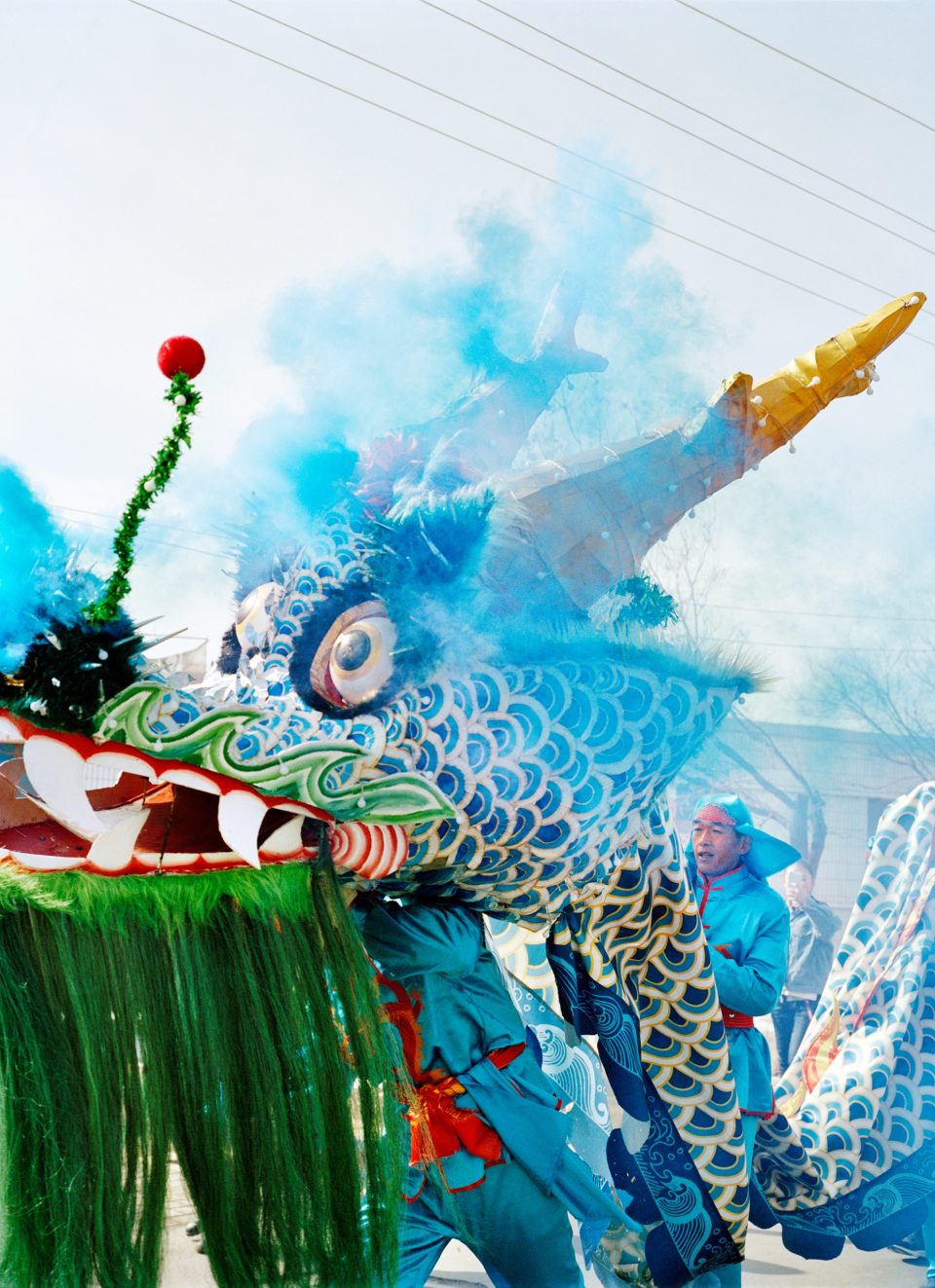
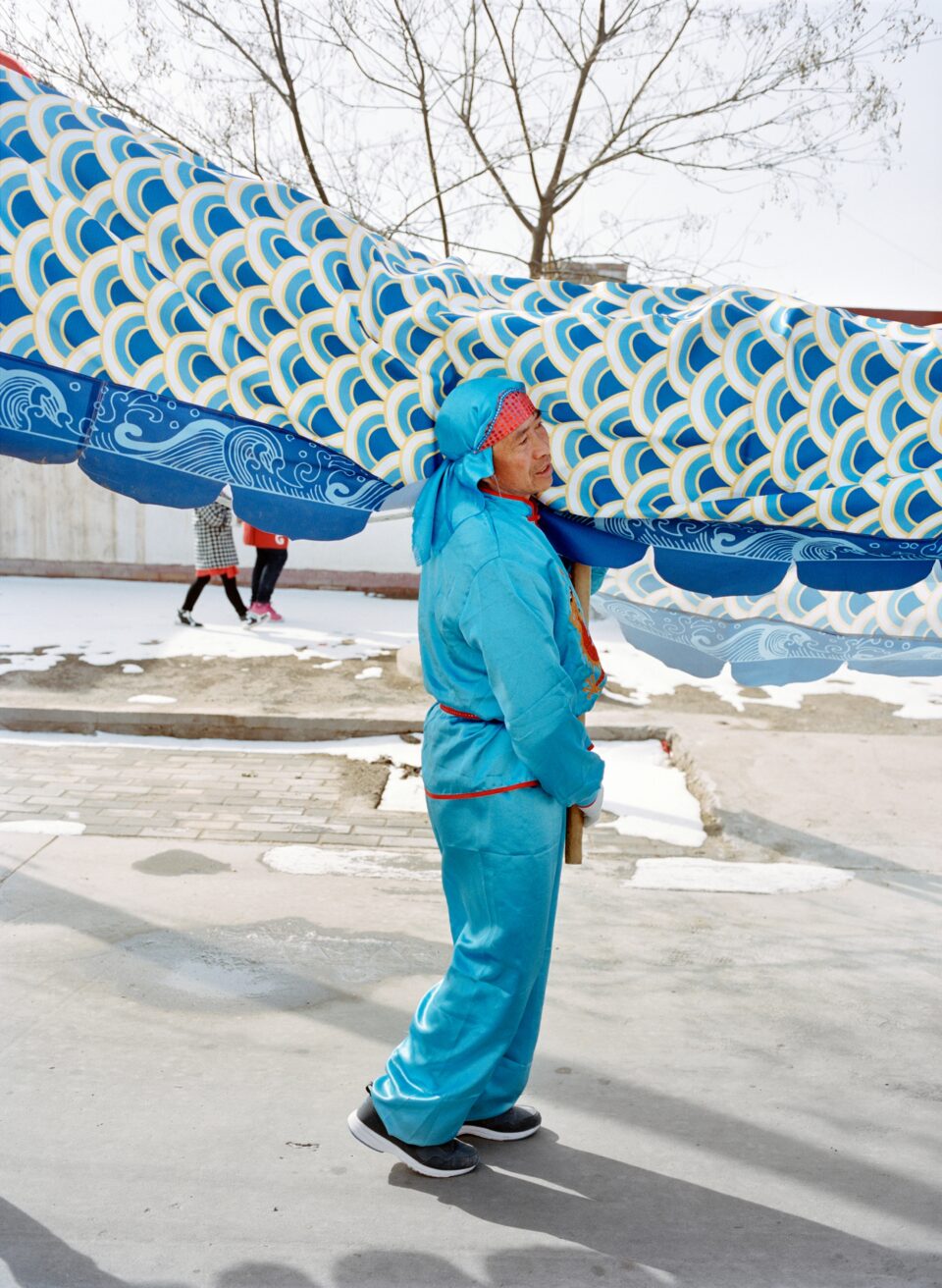
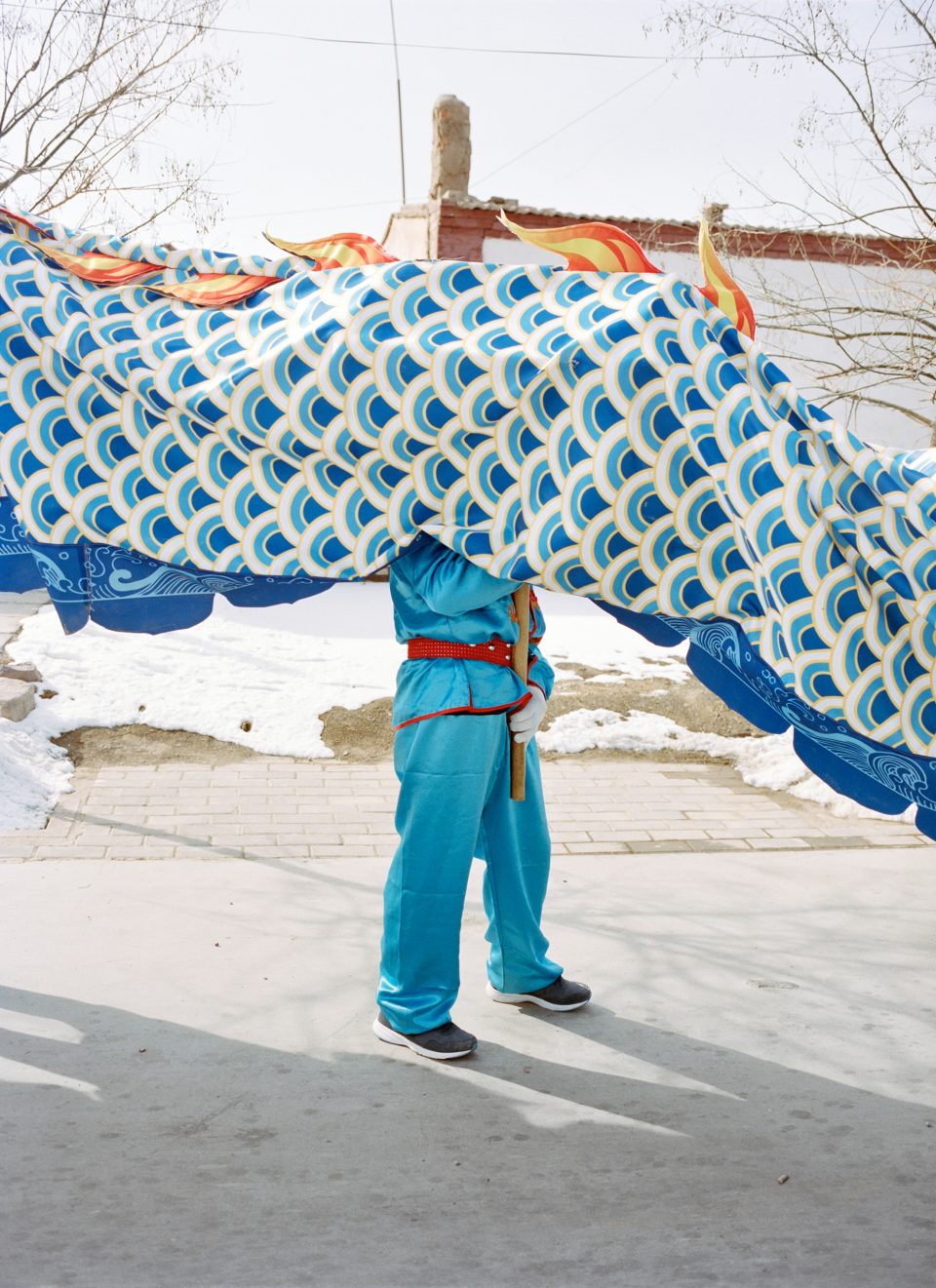
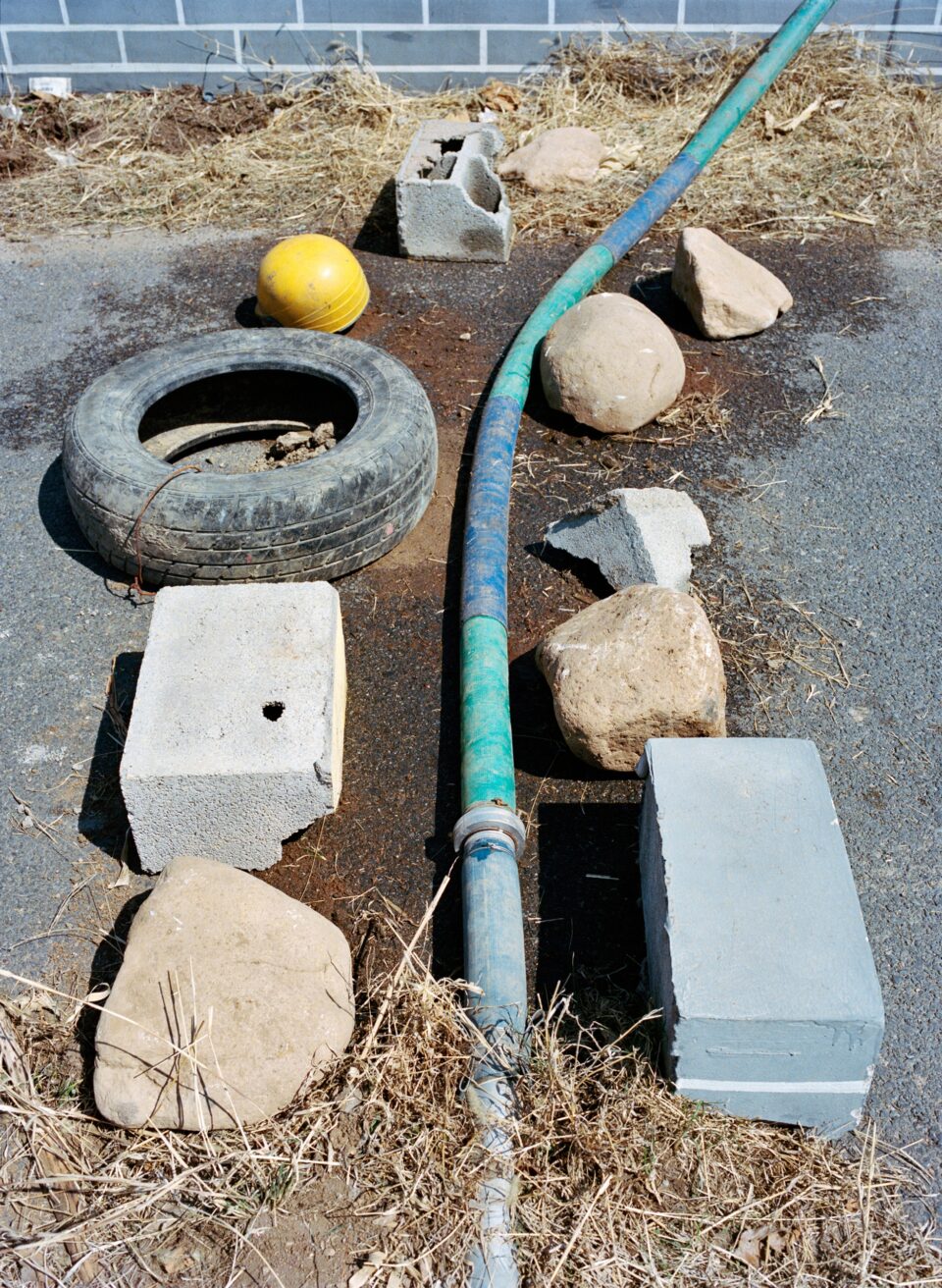
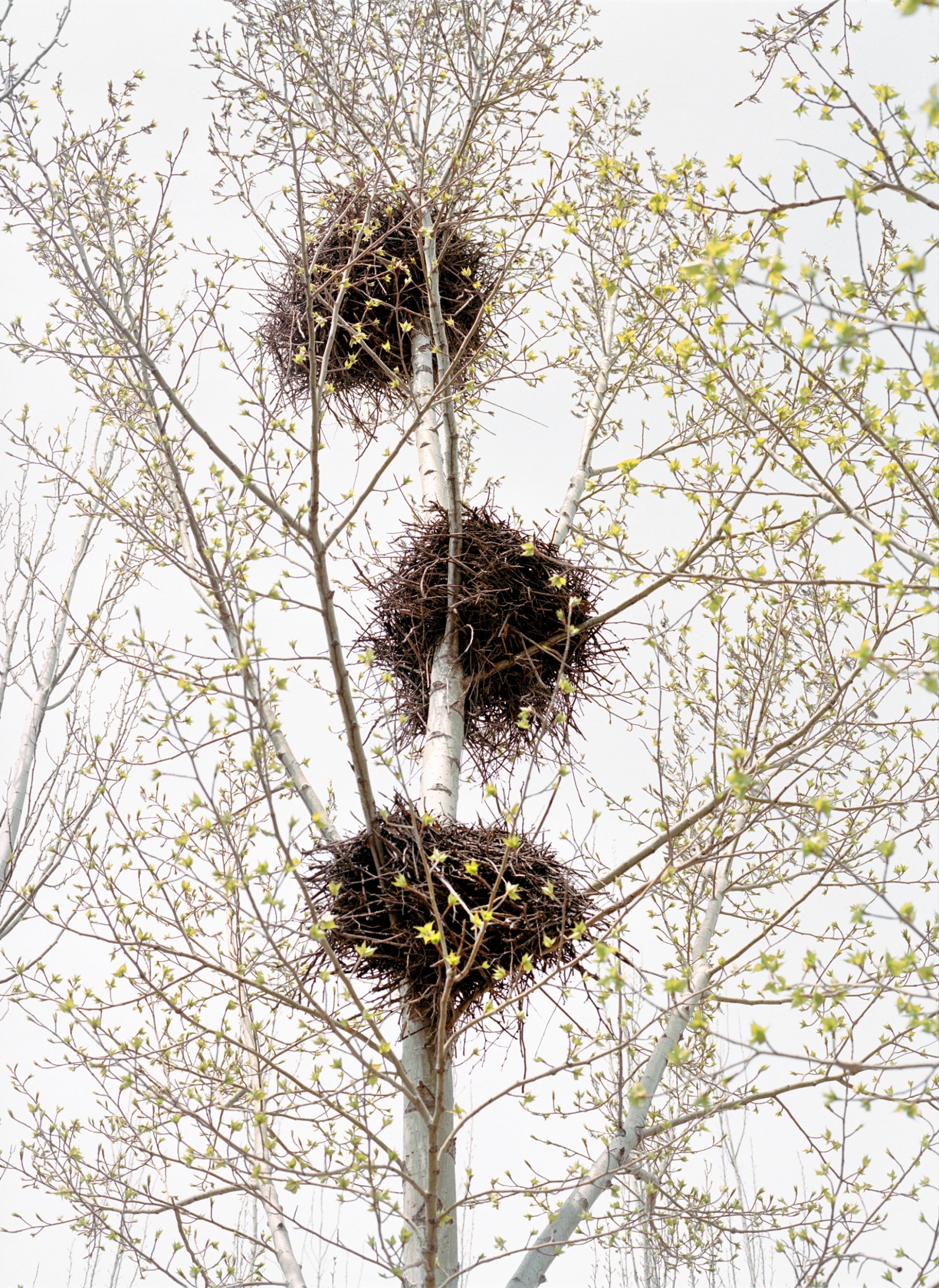
This also influenced the way I photographed. I was drawn to the Wall’s weathered, melancholic presence, and to moments in which everyday life became slightly strange or poetic—a blue dragon appearing in the landscape, an oversized mushroom sculpture beside a village, ruins slowly absorbed by vegetation. Moving between portraiture, landscape, unearthed objects, handwritten stories and these more ambiguous encounters, the project looks at the Great Wall at human scale, while also exploring where reality, memory and imagination begin to overlap.