Ki Ki So So Lhargyalo
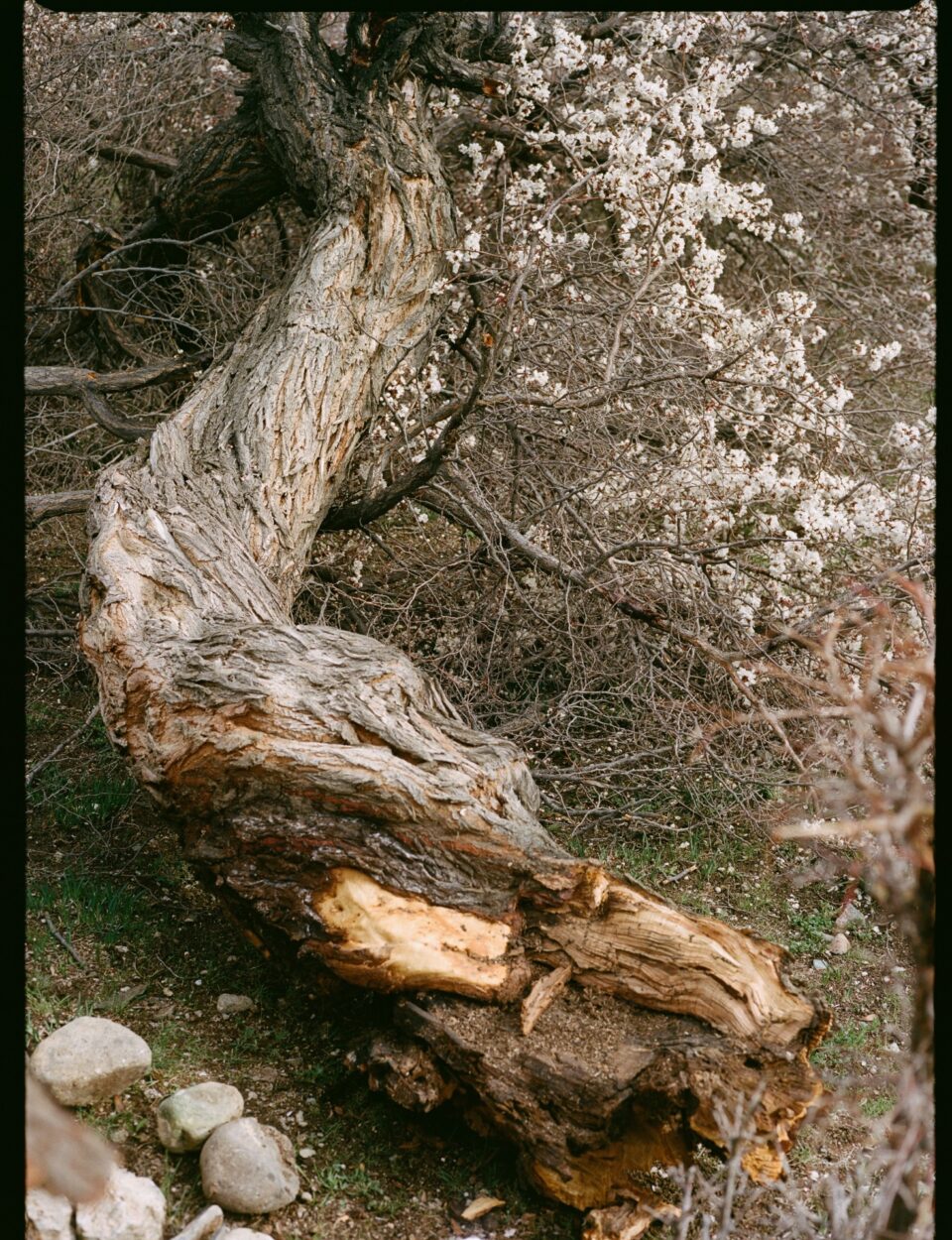
In Ki Ki So So Lhargyalo, I explore how people in Ladakh, a high-altitude region in the Indian Himalayas, navigate environmental and social change.
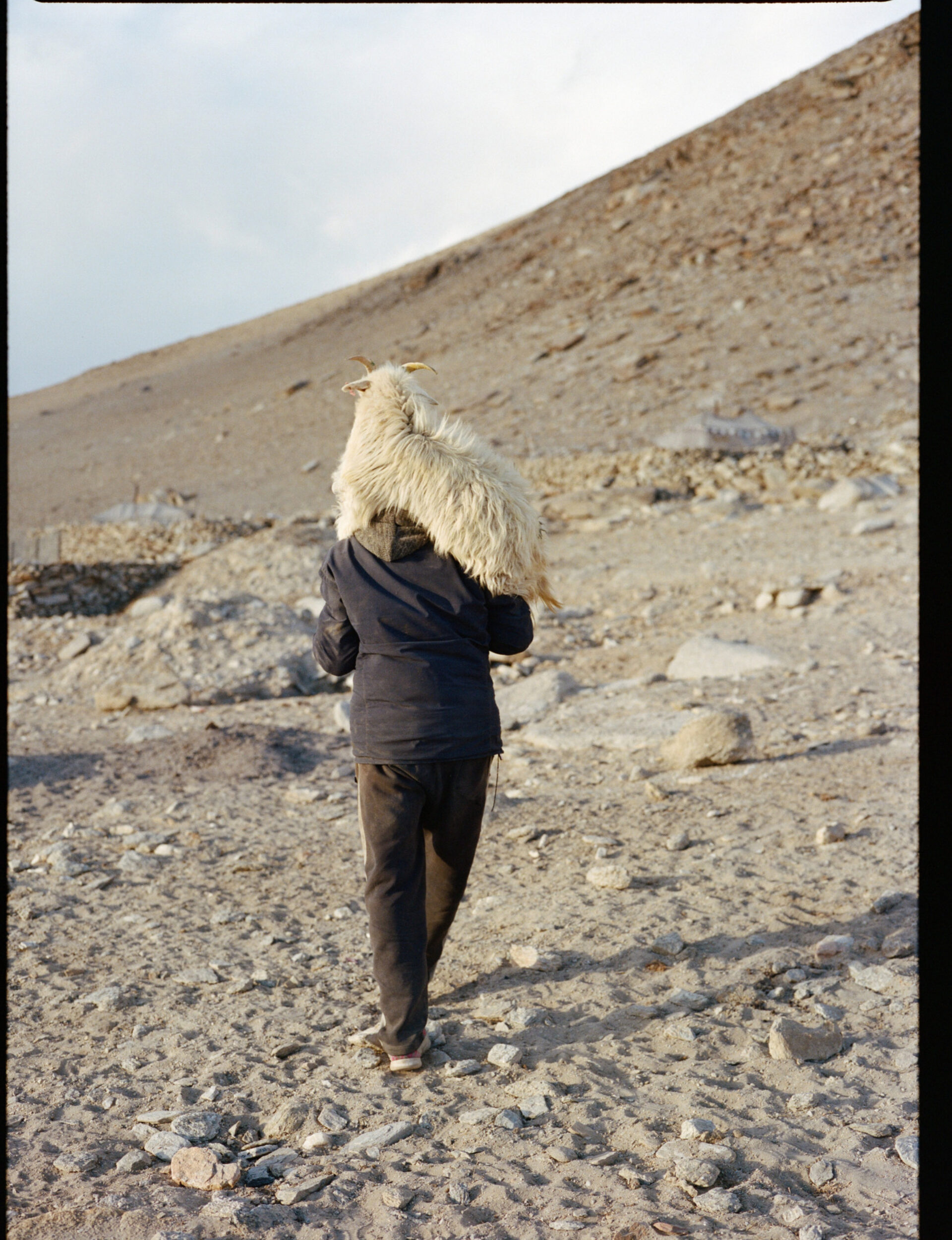
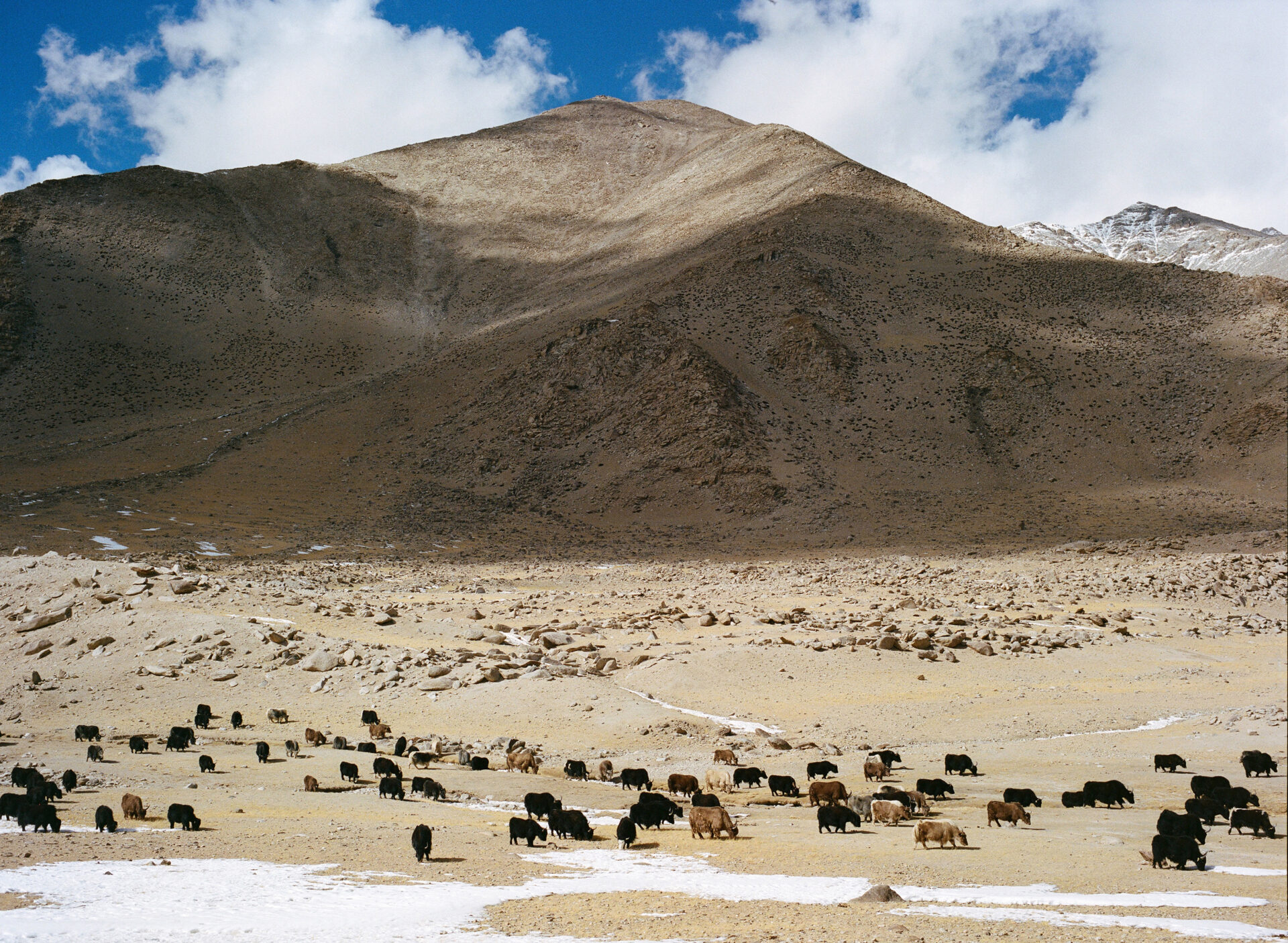
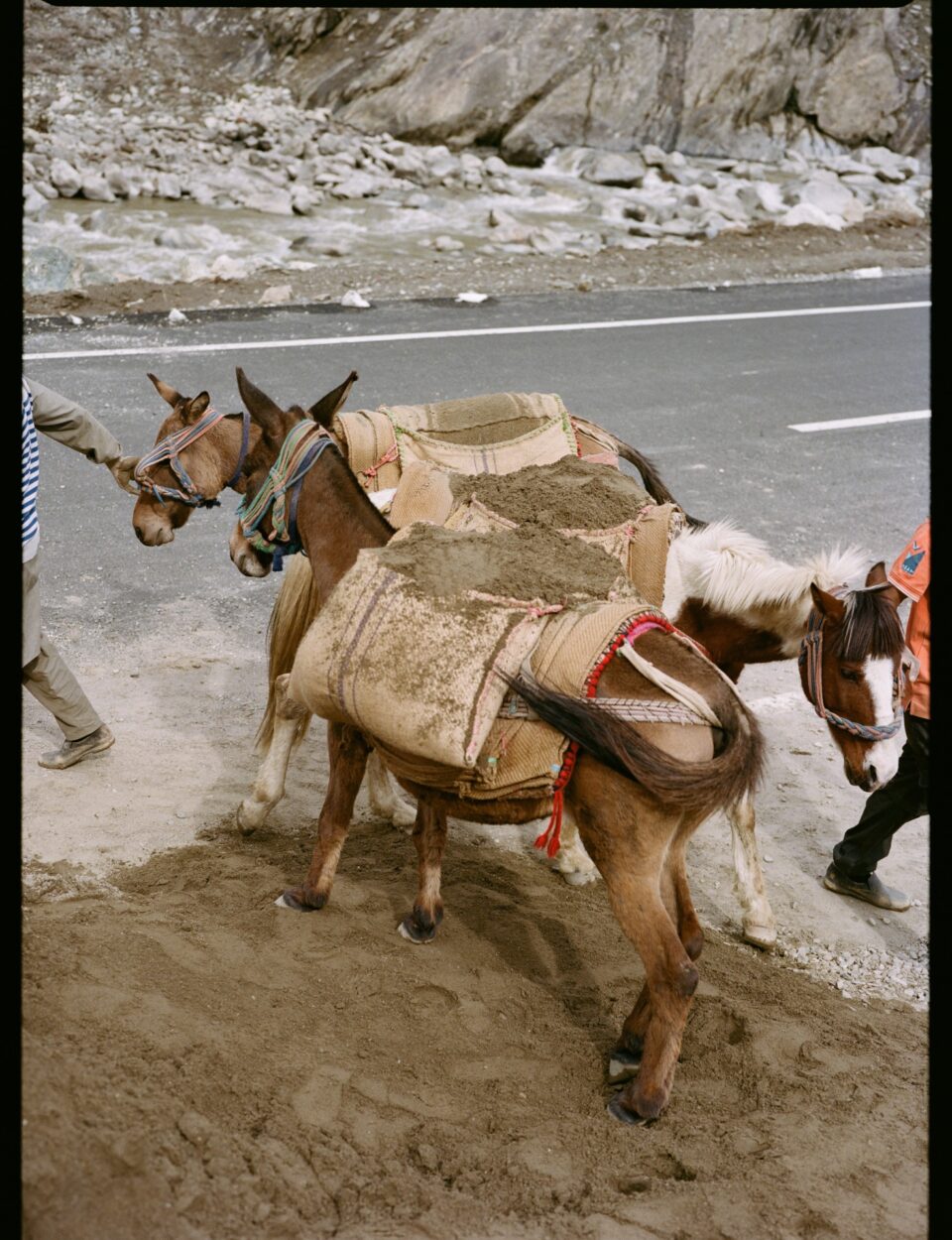
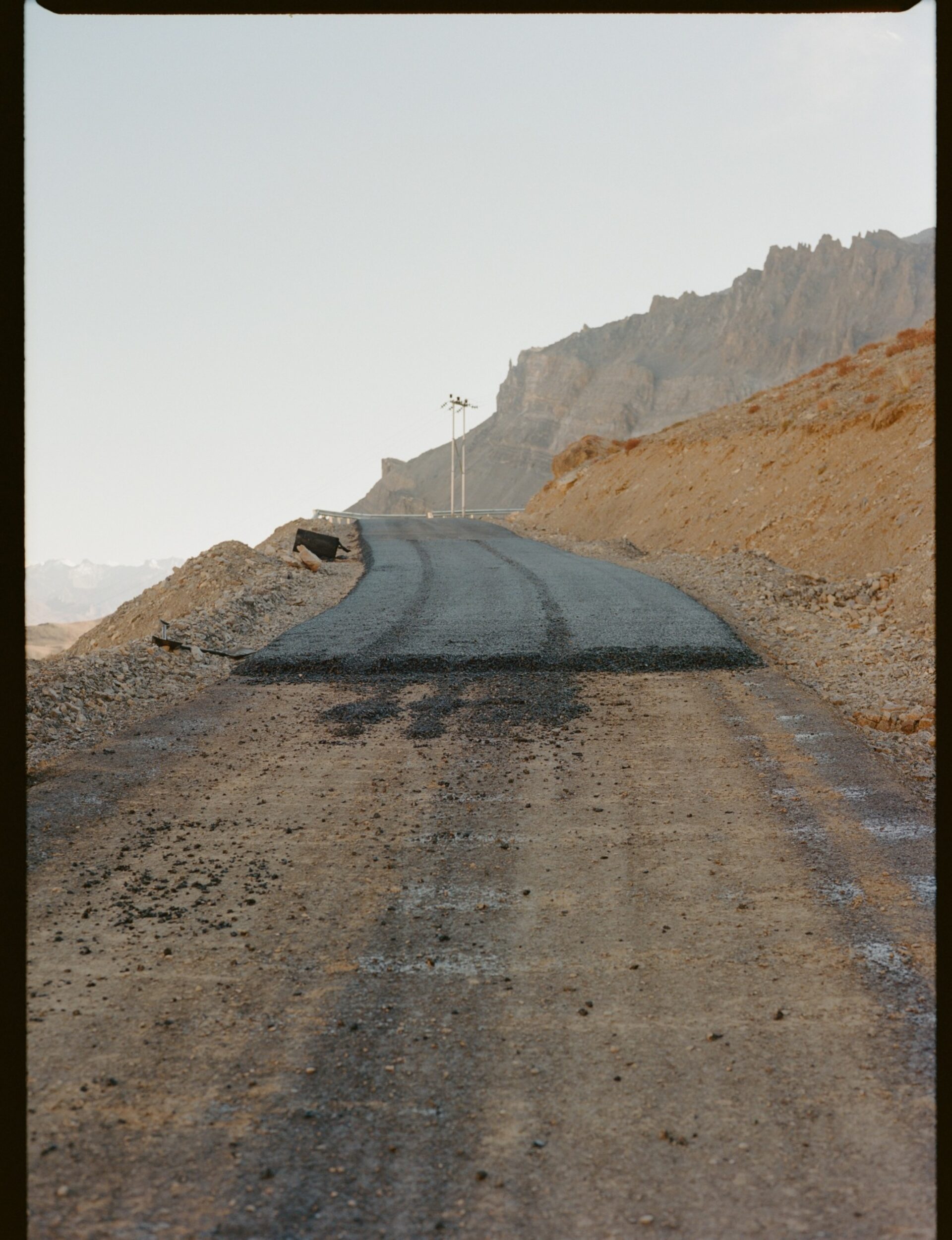
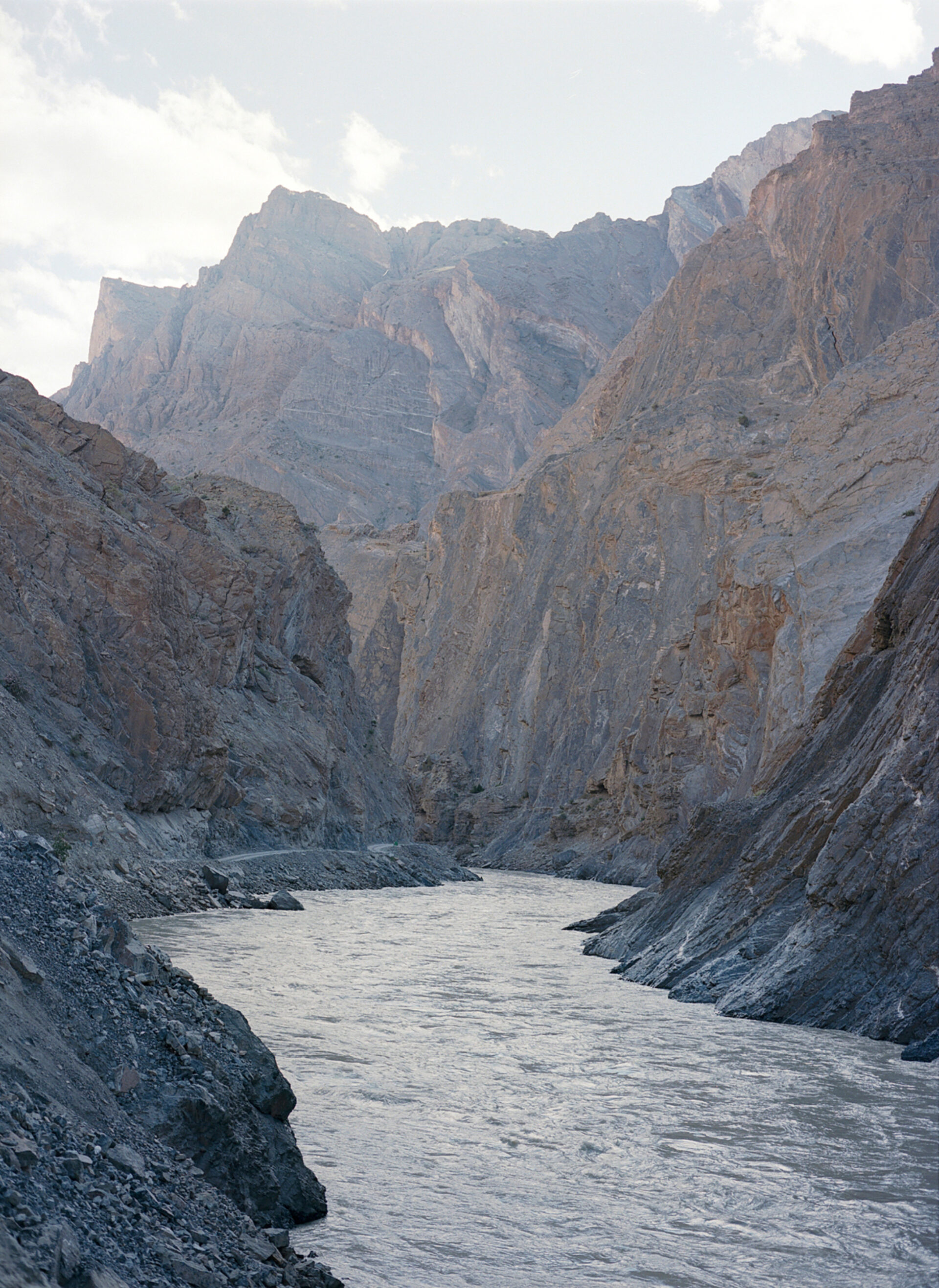
Located in the far north of India between Tibet and Pakistan, Ladakh is a cold desert that receives very little rainfall, making glacial meltwater essential to daily life. In recent decades, retreating glaciers, expanding roads, growing tourism, and an increasing military presence have transformed the region. Rather than documenting these changes directly, I am interested in how they become visible through everyday life.
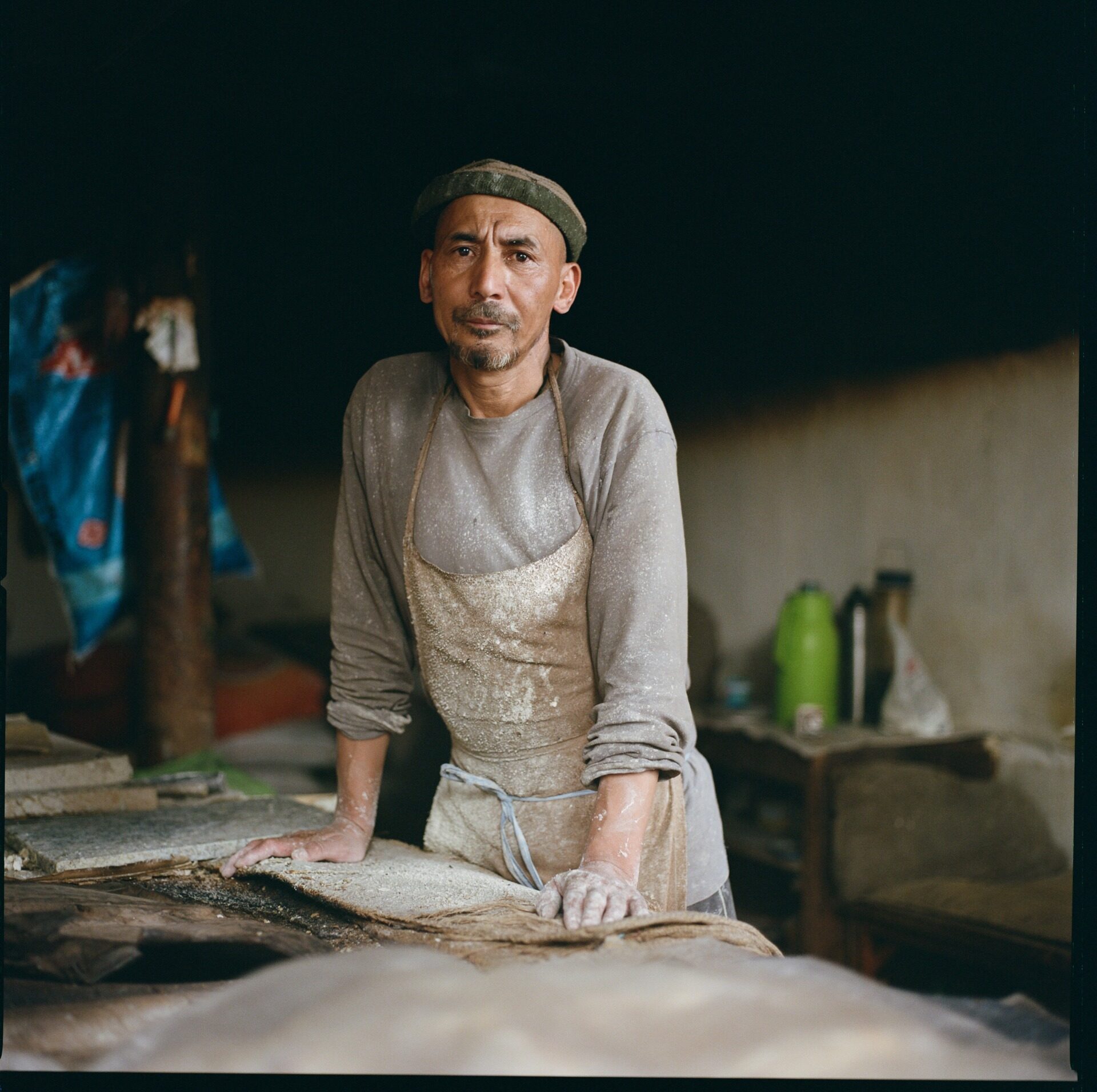
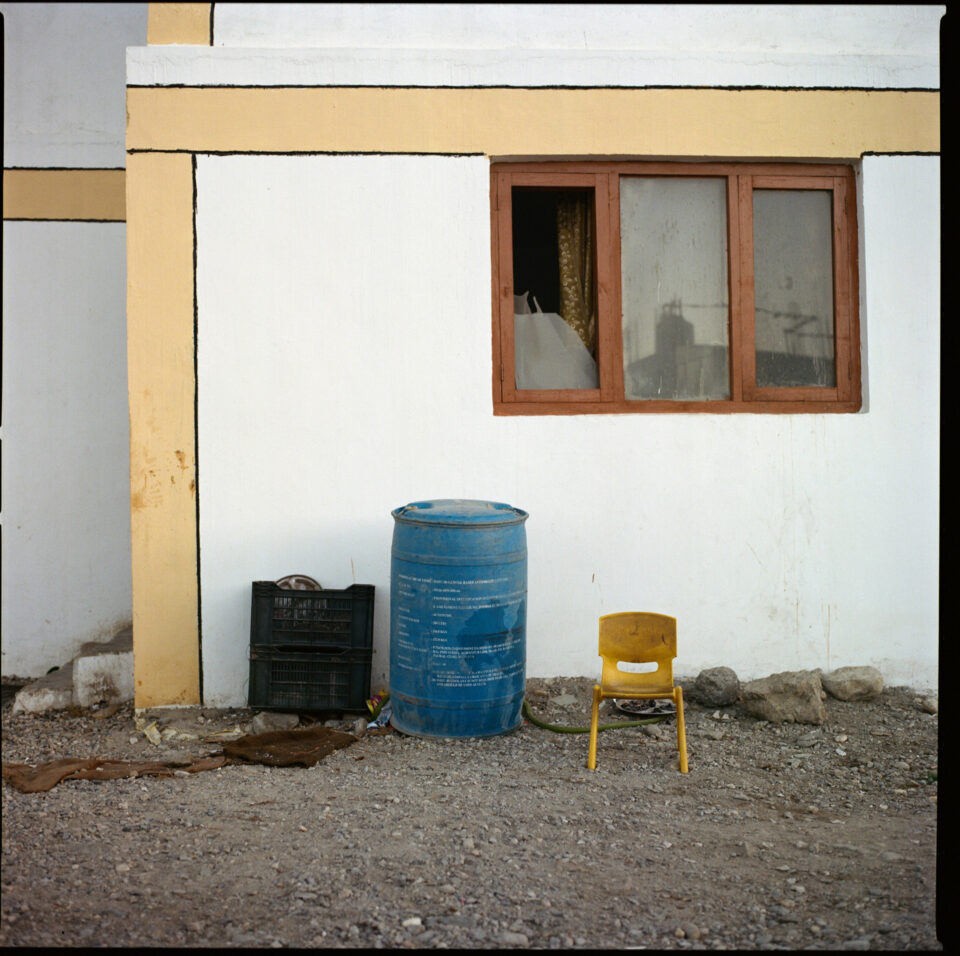
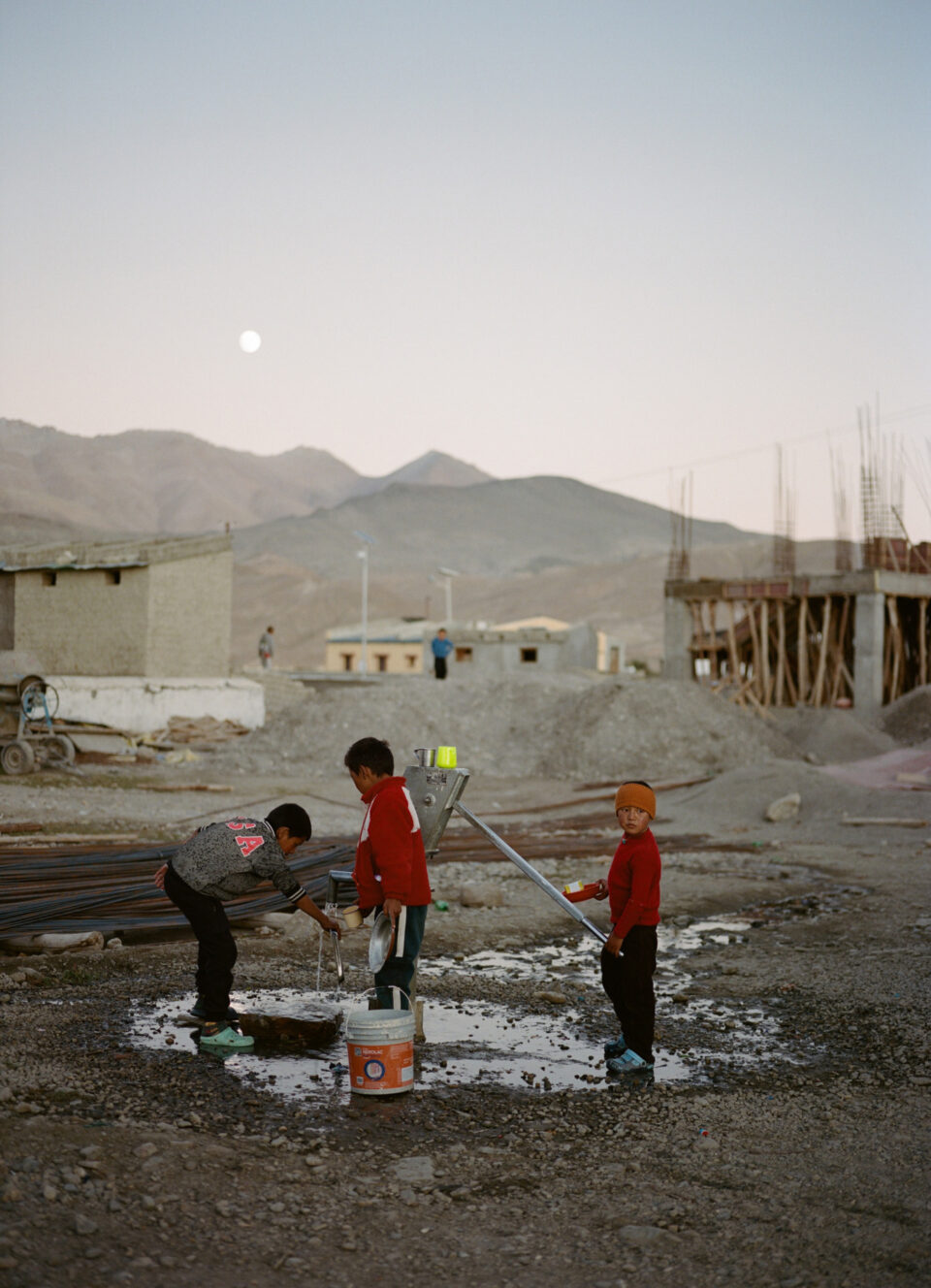
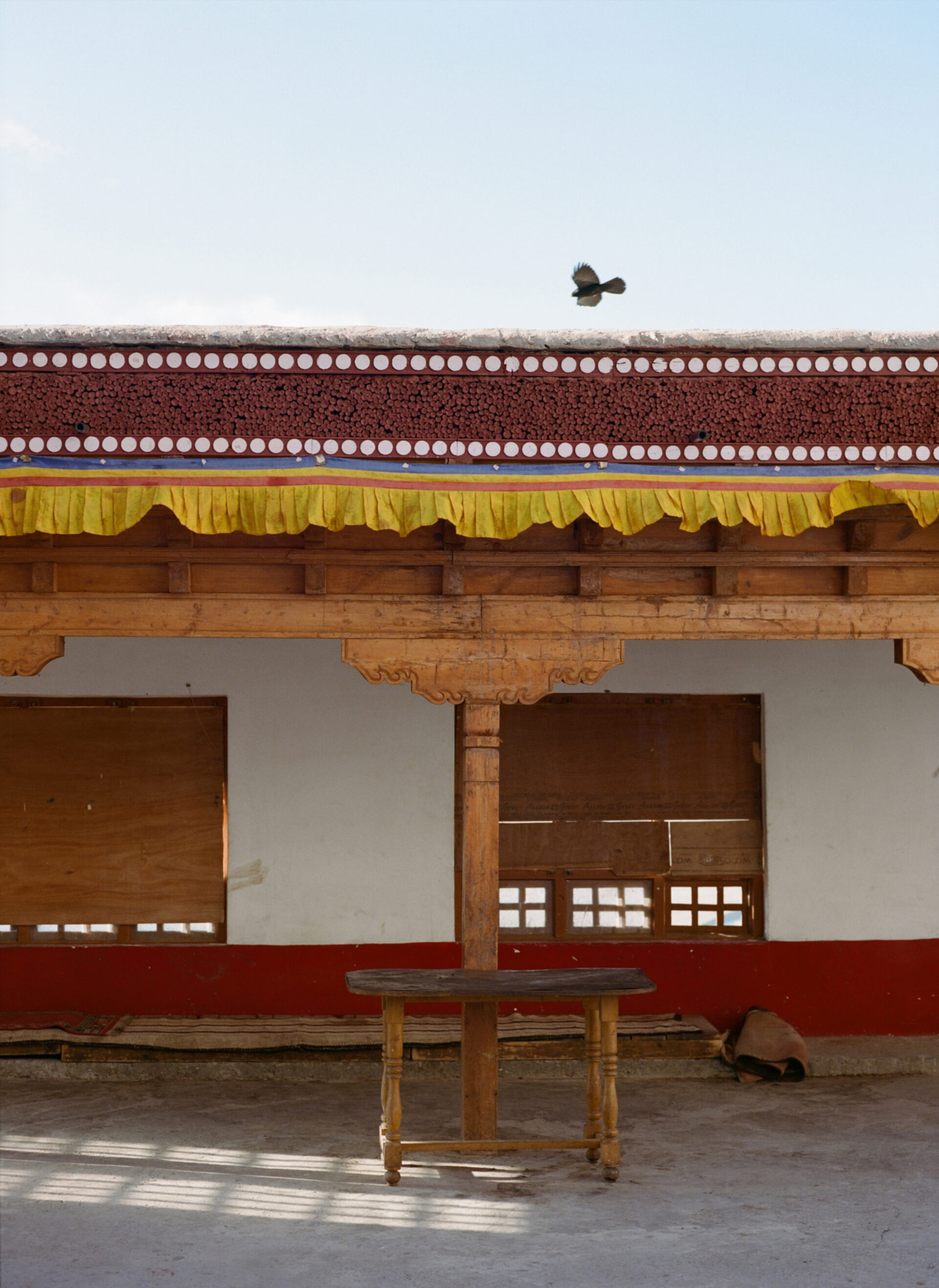
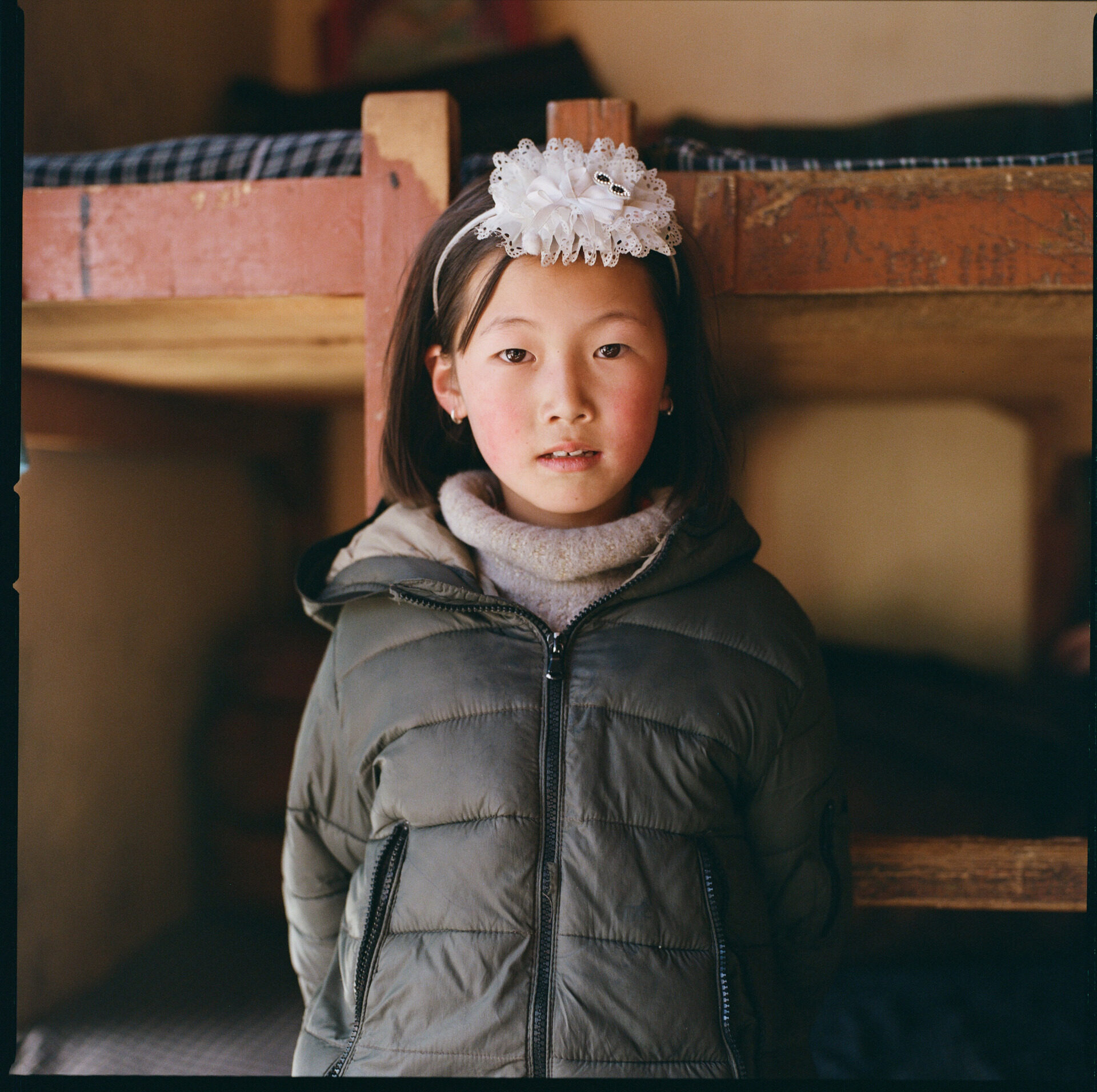
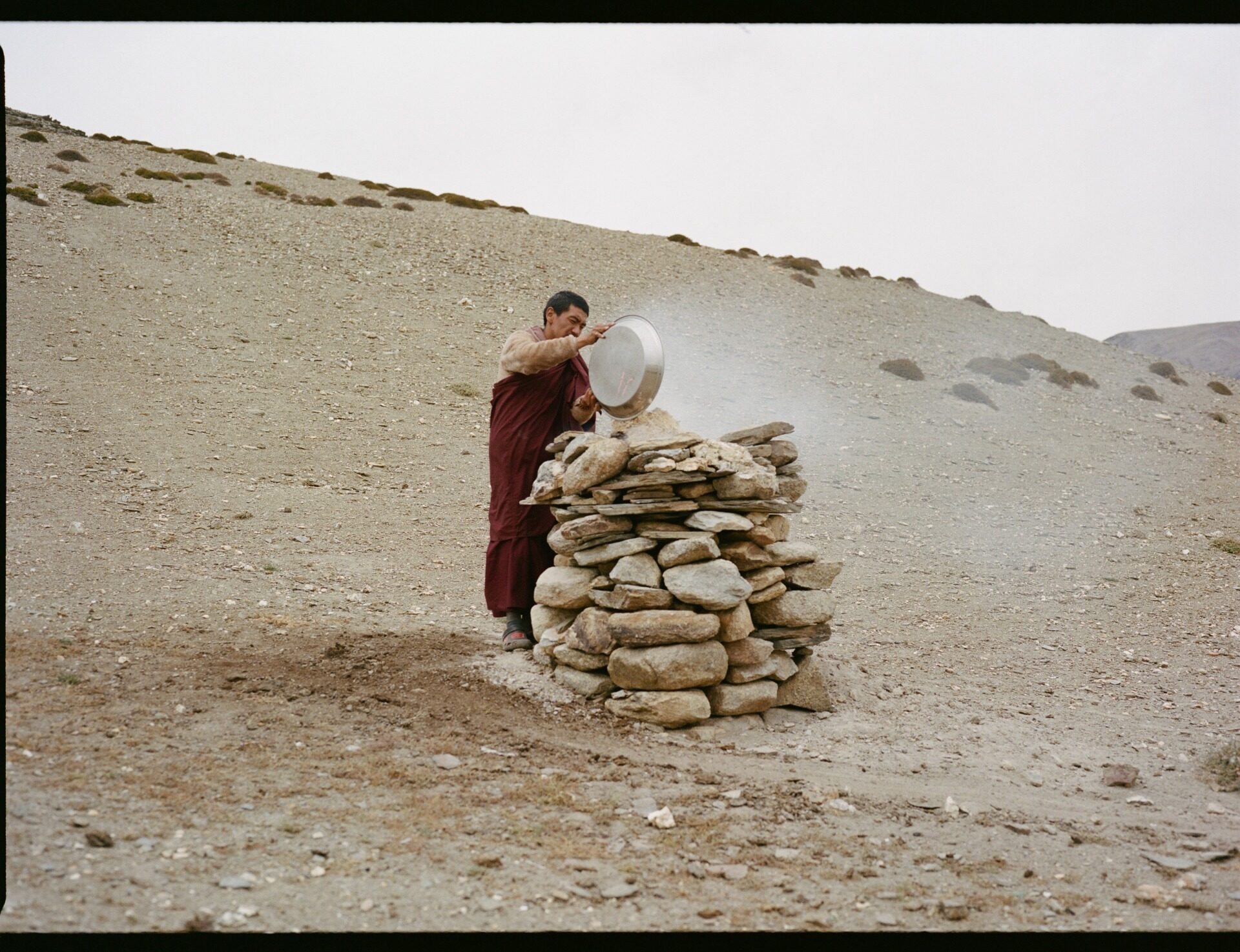
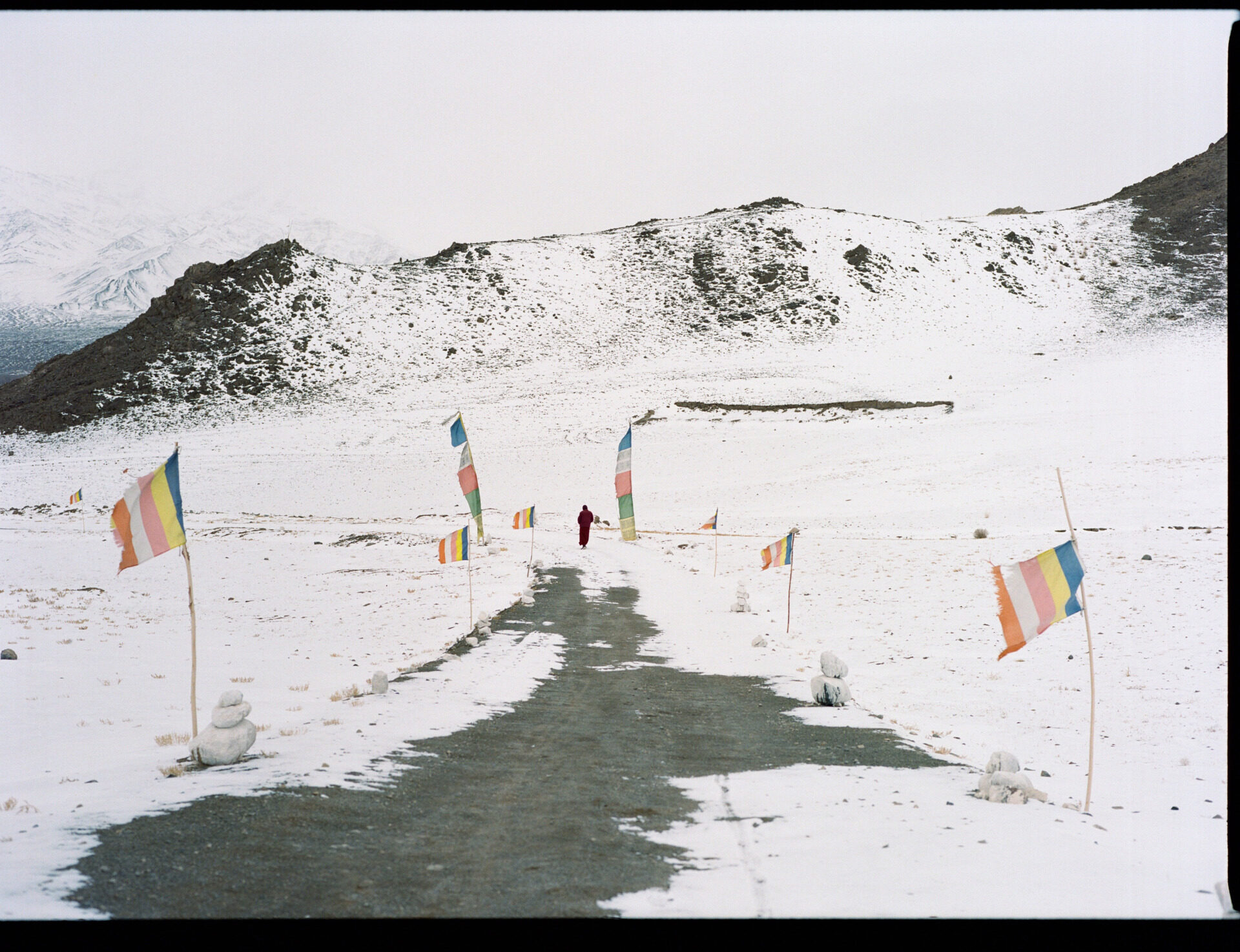
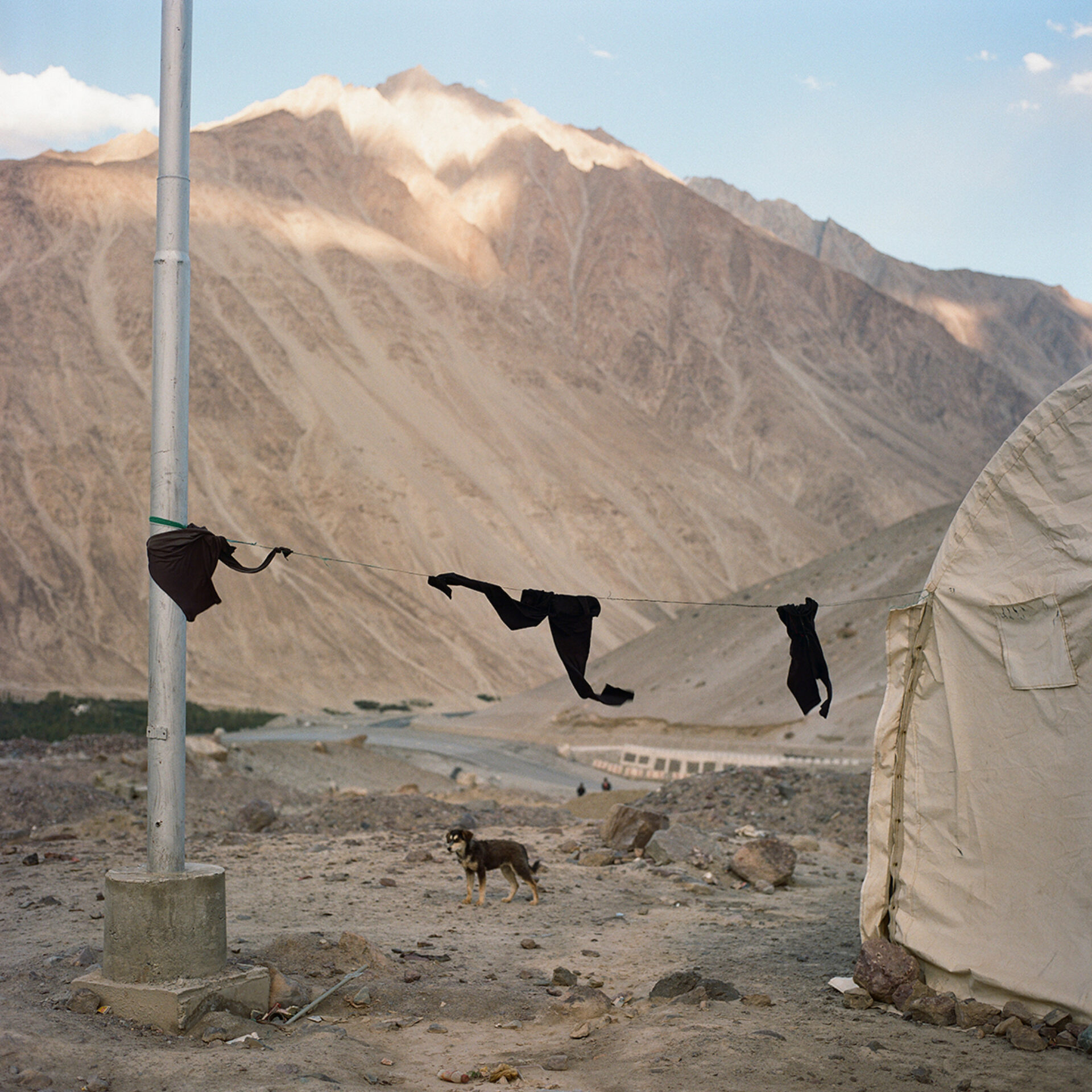
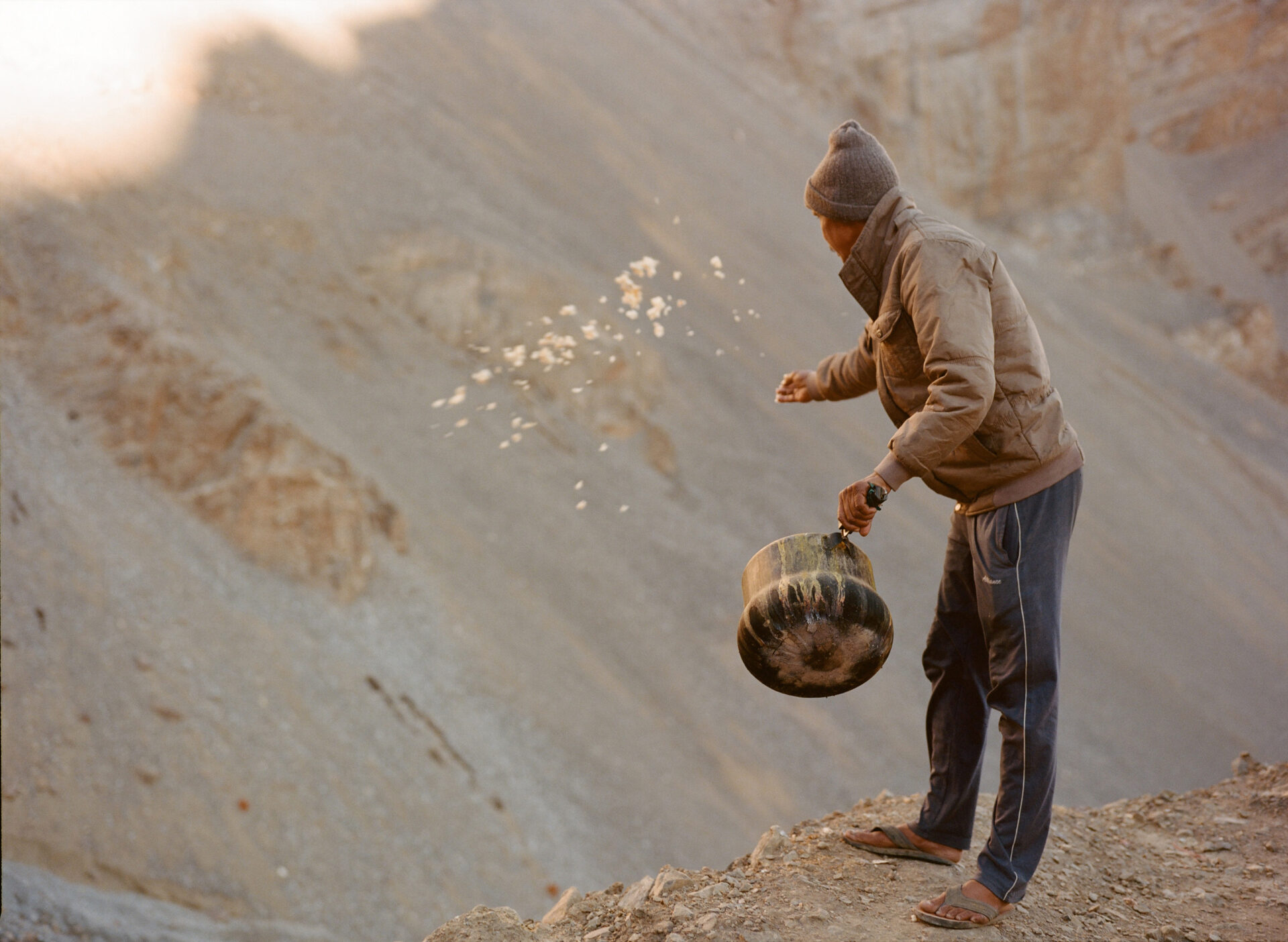
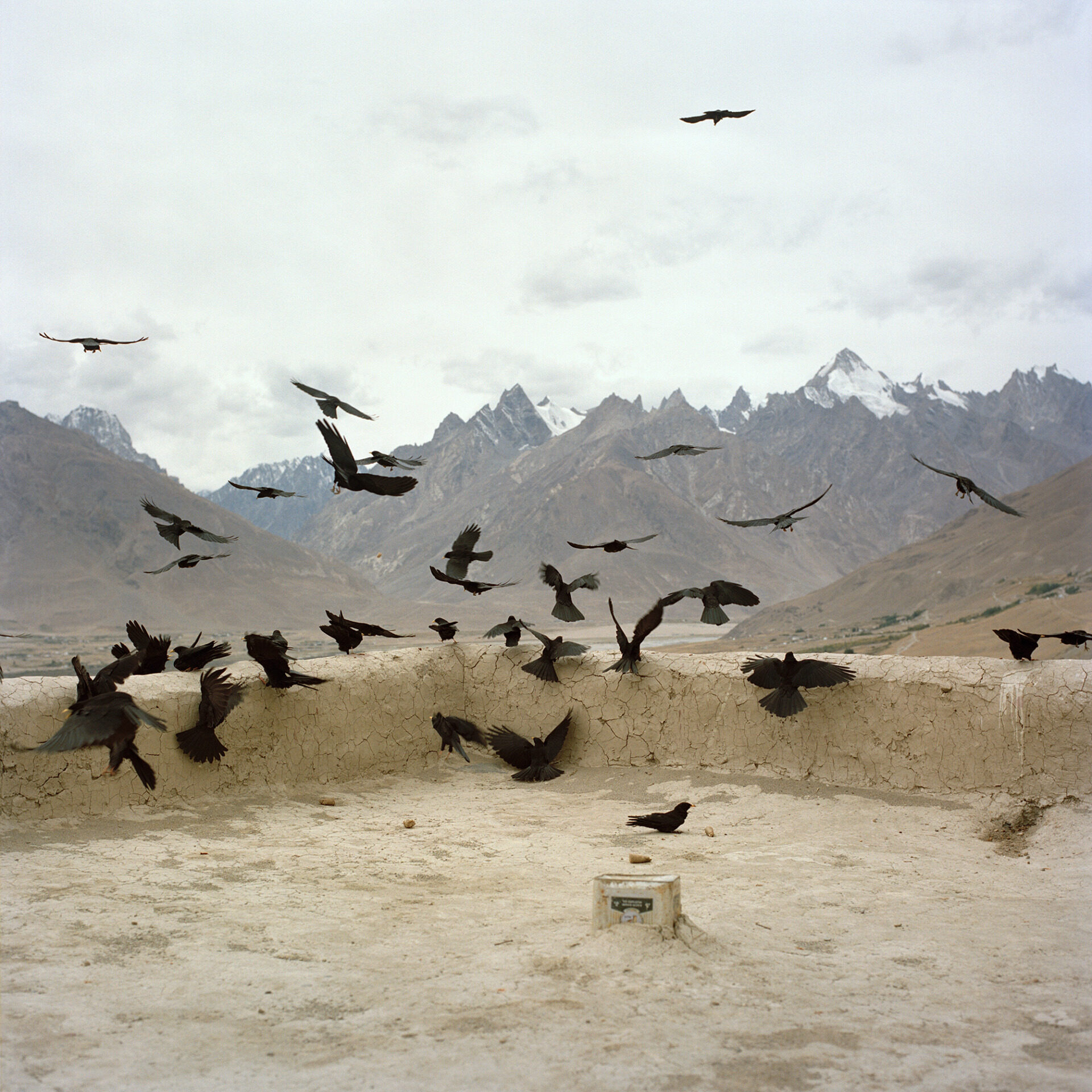
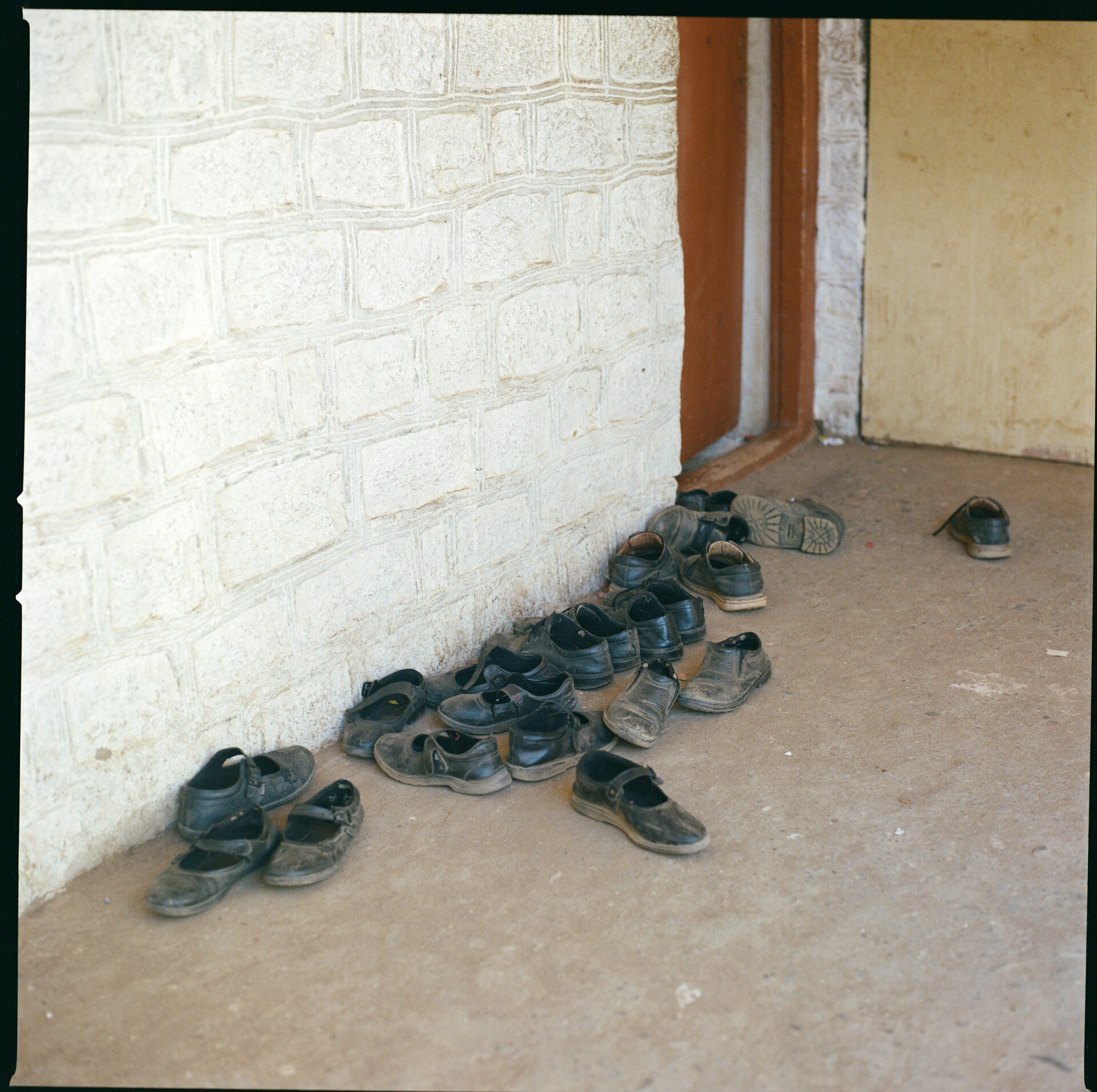
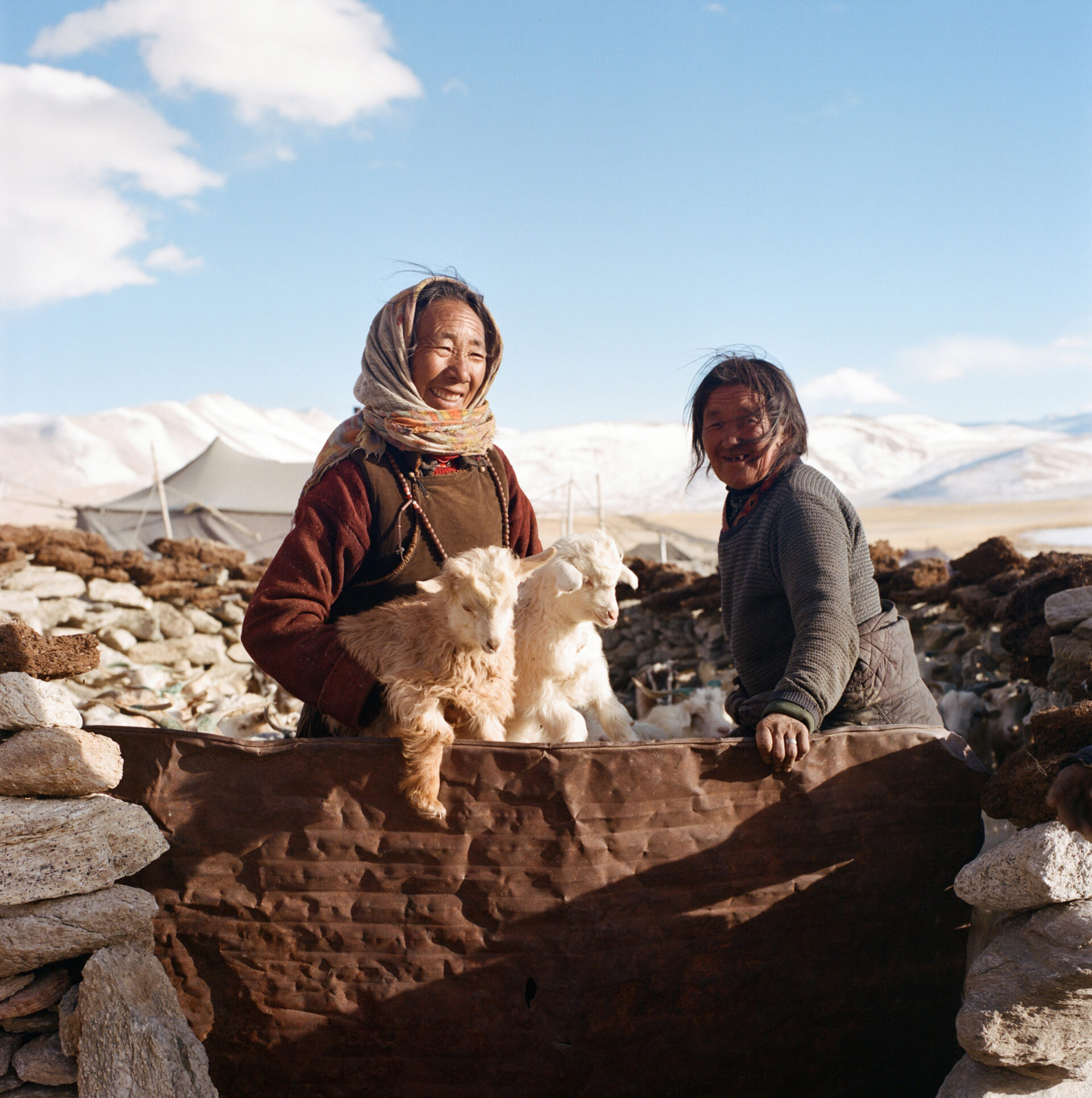
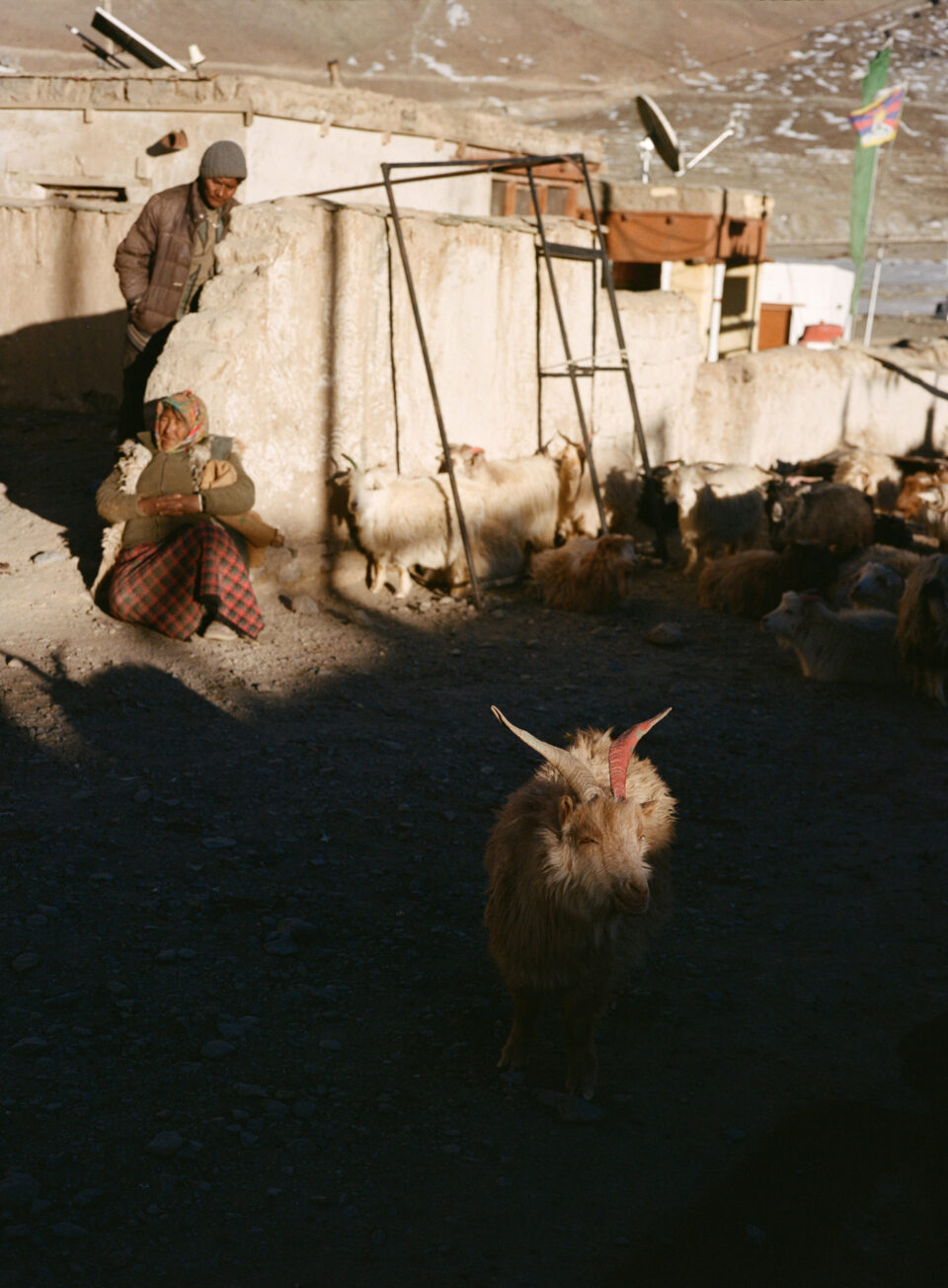
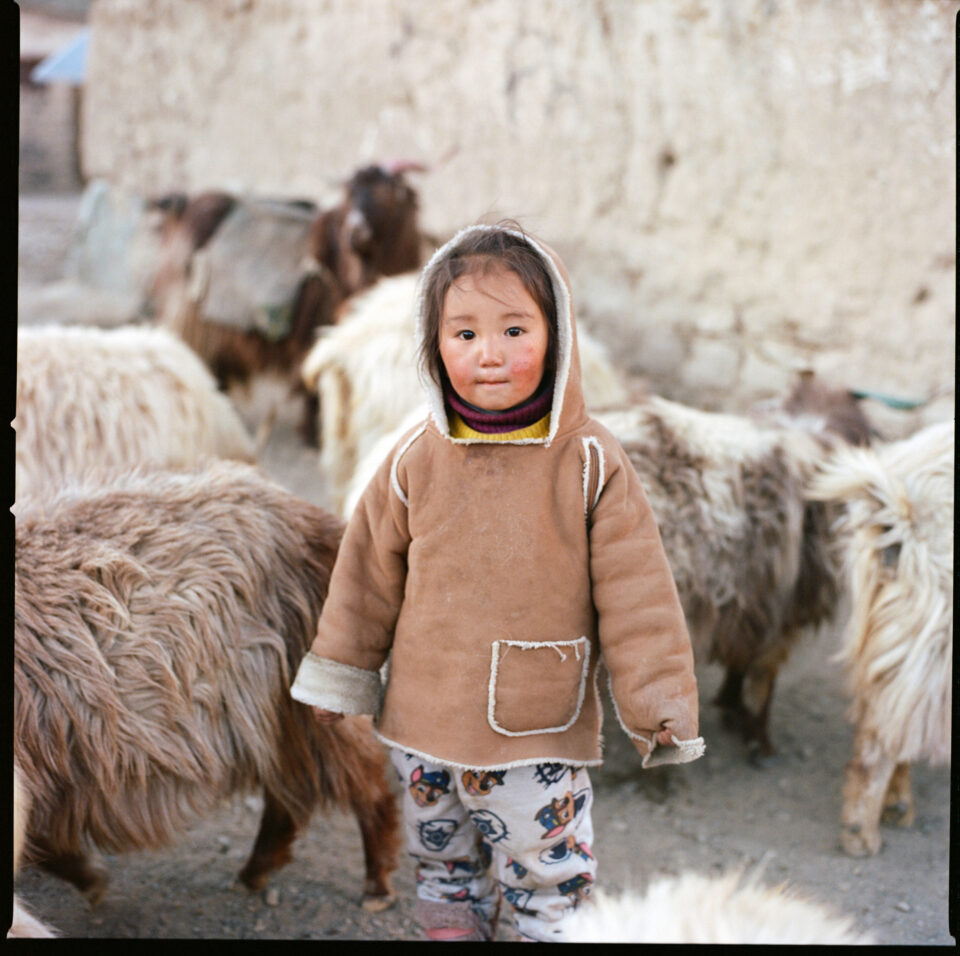
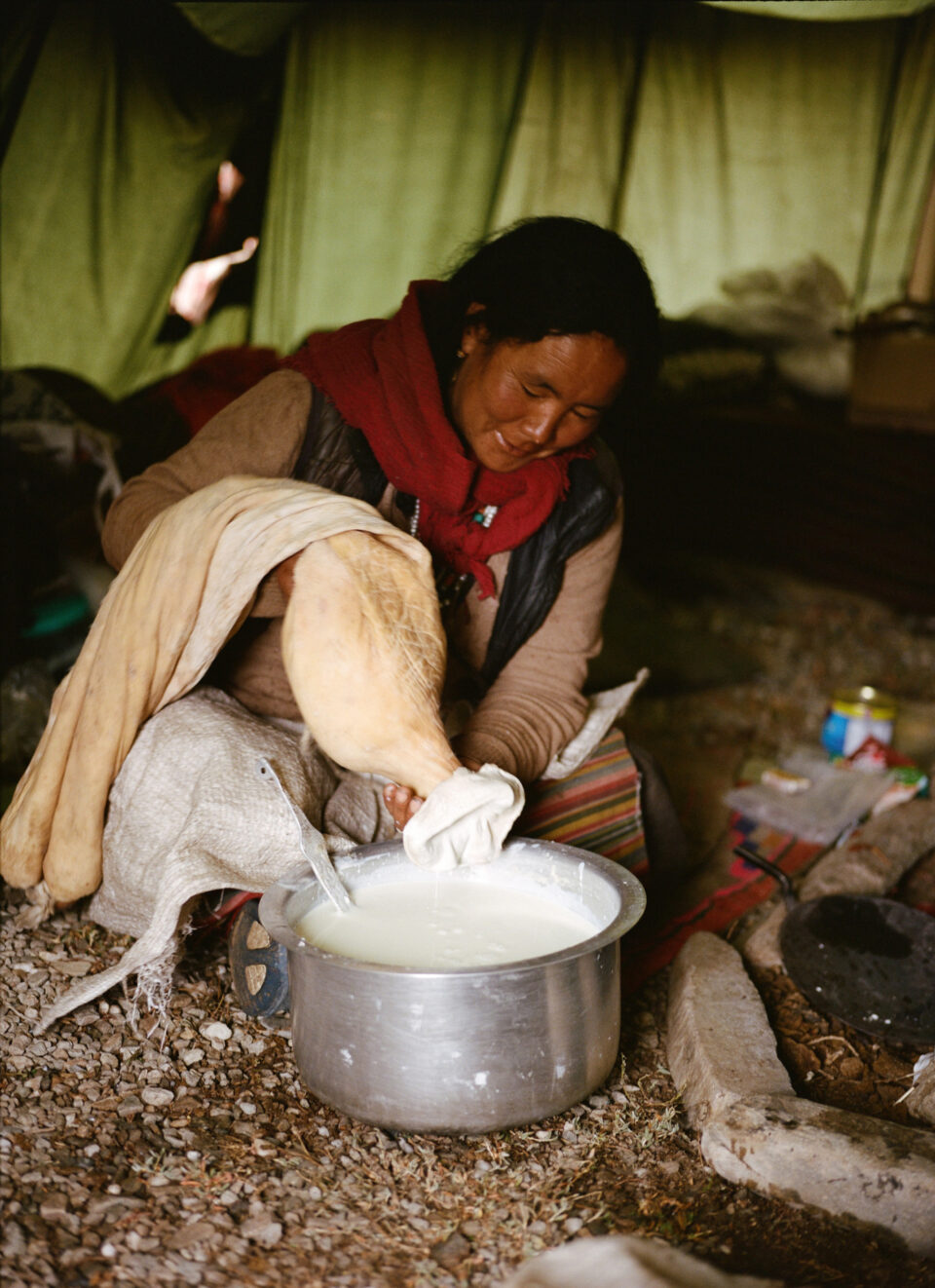
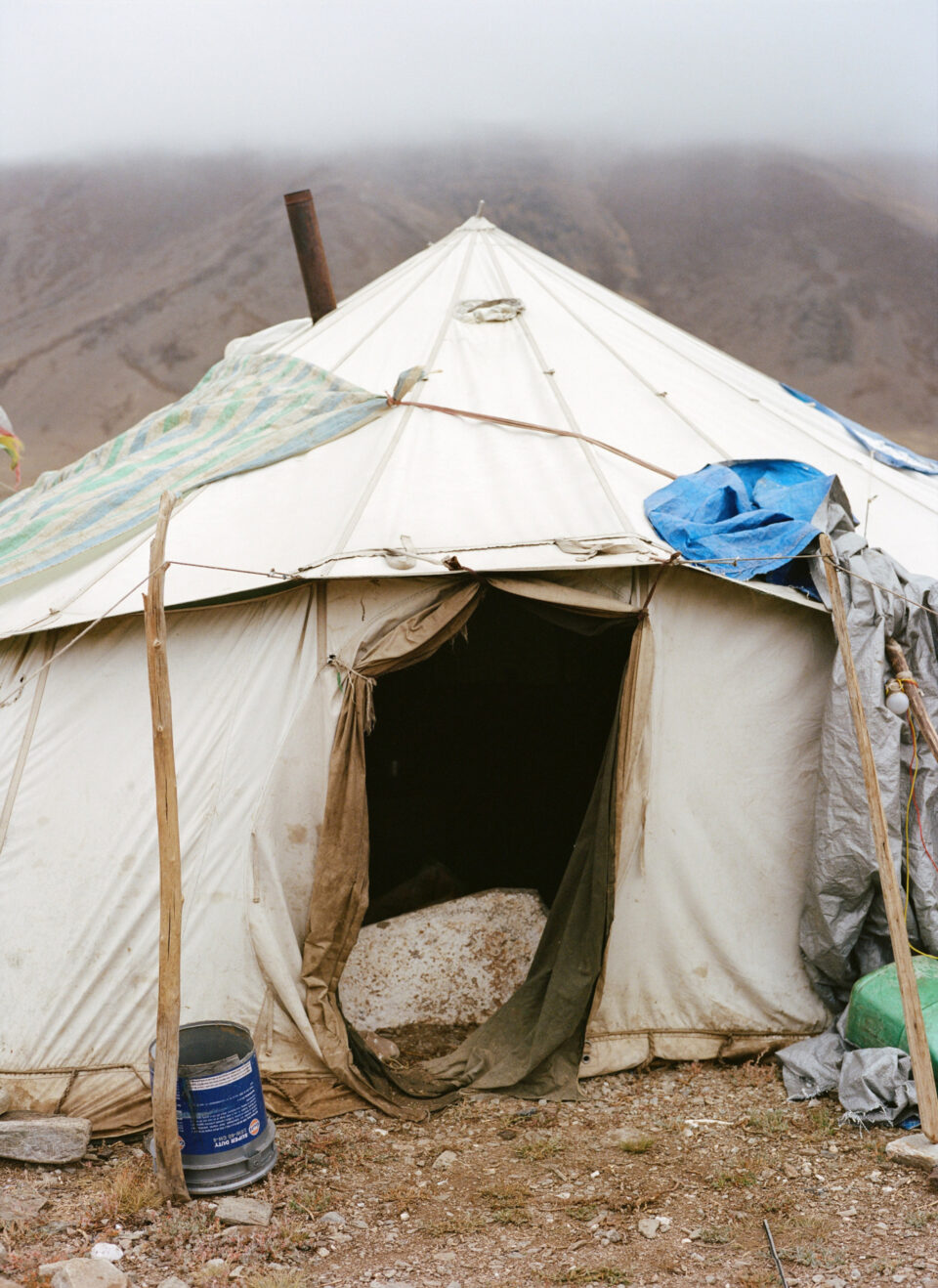
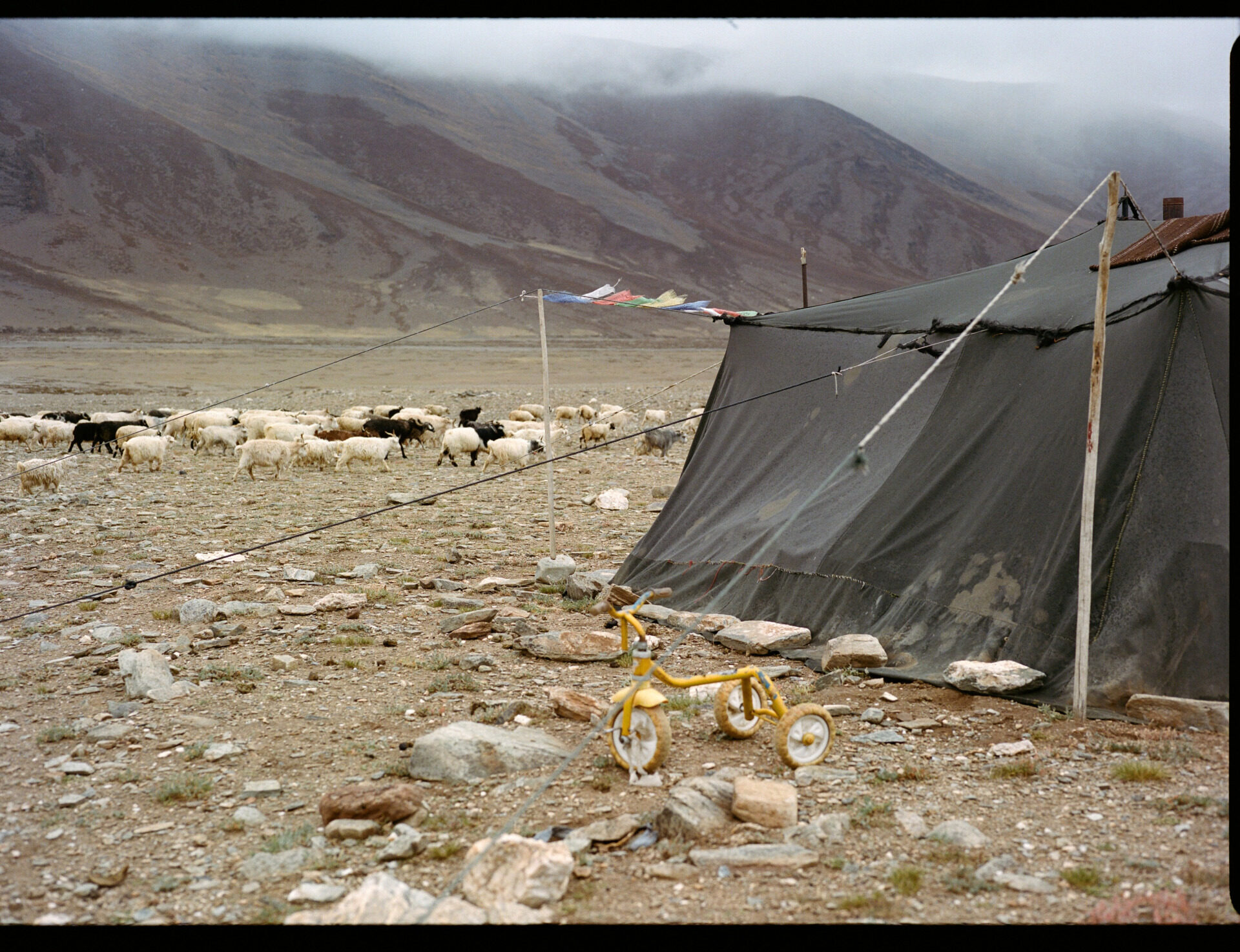
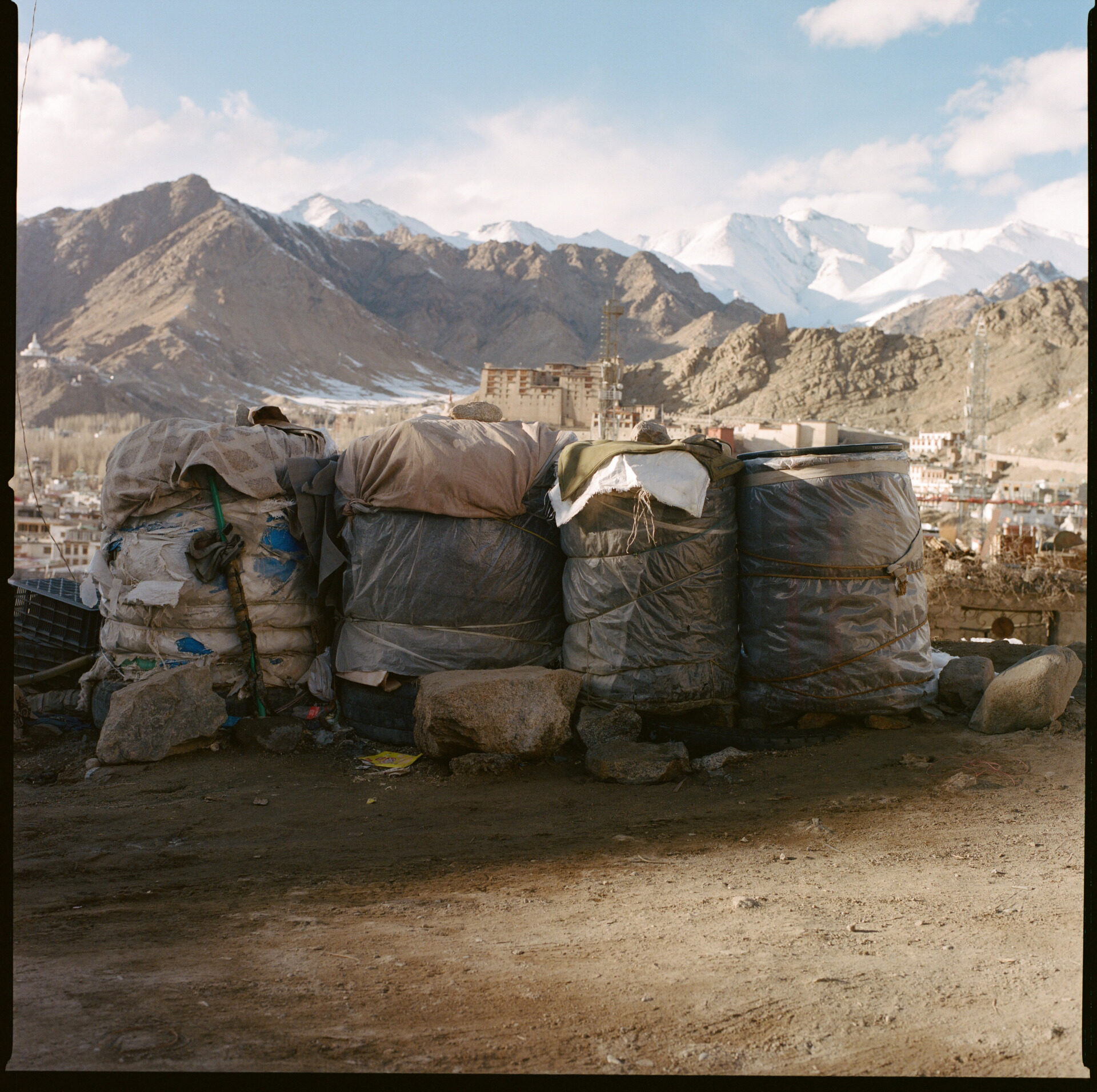
Over the past four years, I have made five extended journeys across Ladakh. Travelling through villages, monasteries, and nomadic settlements, I photographed moments such as a monk feeding birds with the remains of ritual offerings, children drawing water from a hand pump after school, a family preparing its water tanks before winter, and herders guiding goats back to camp as darkness falls.
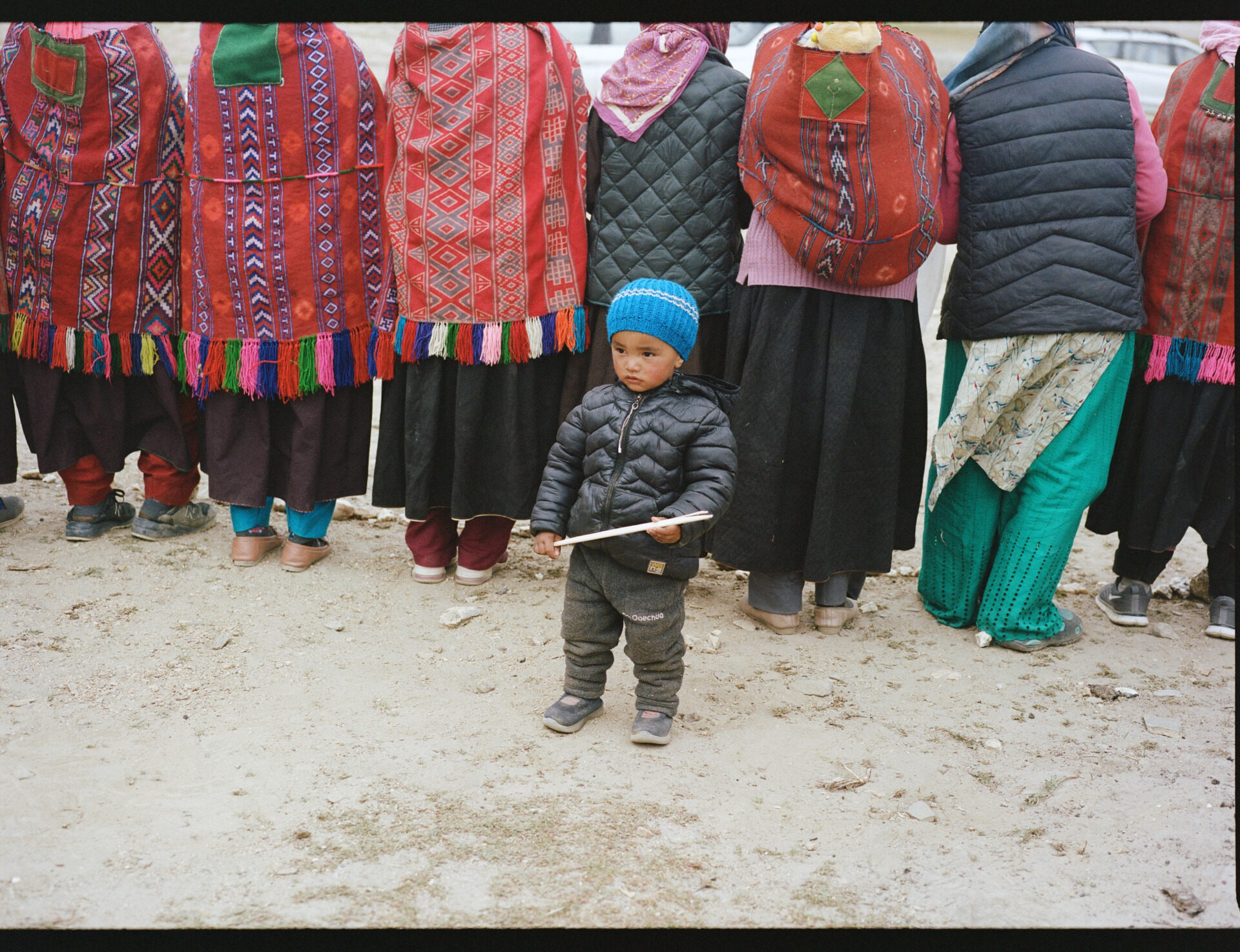
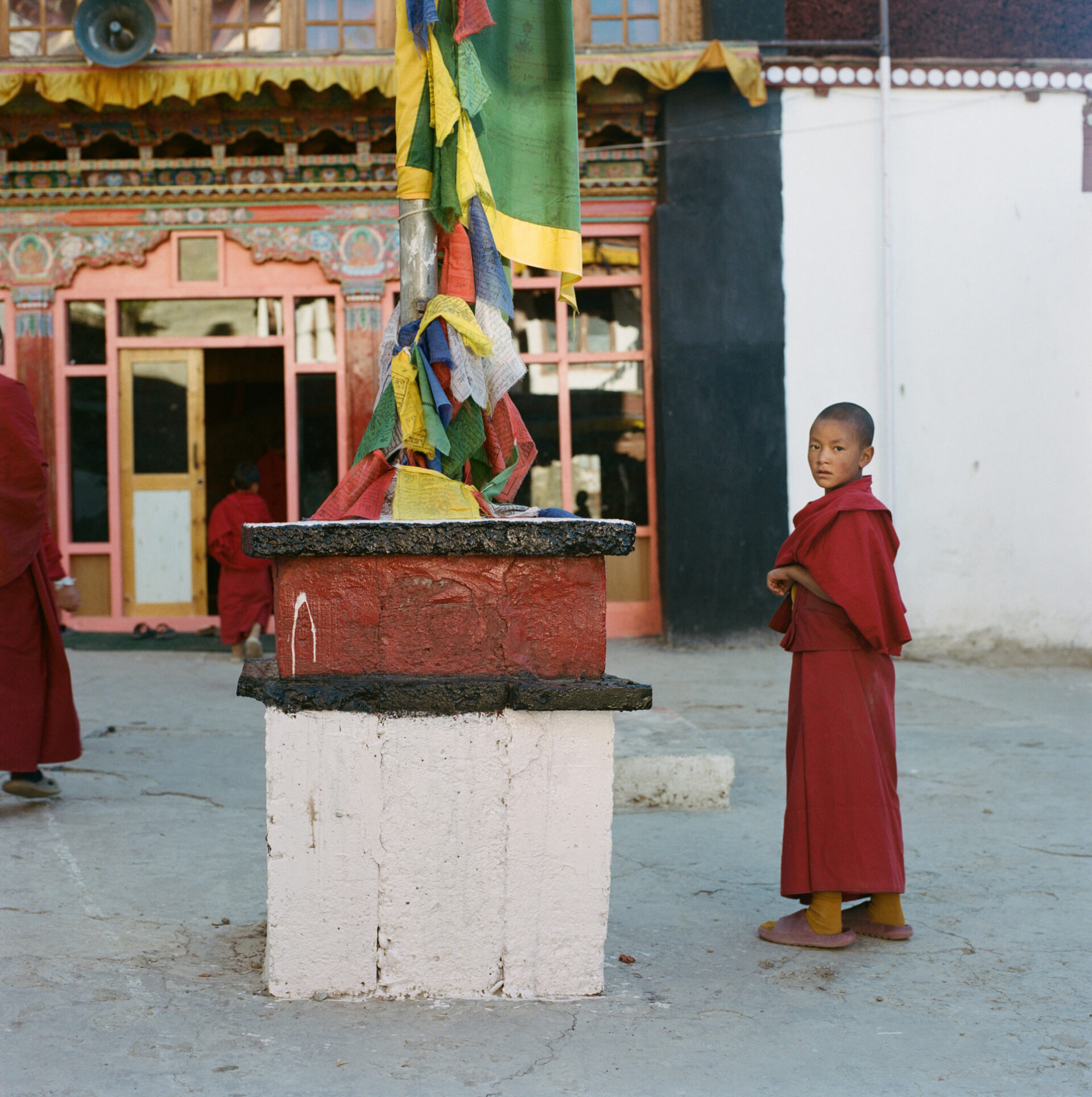
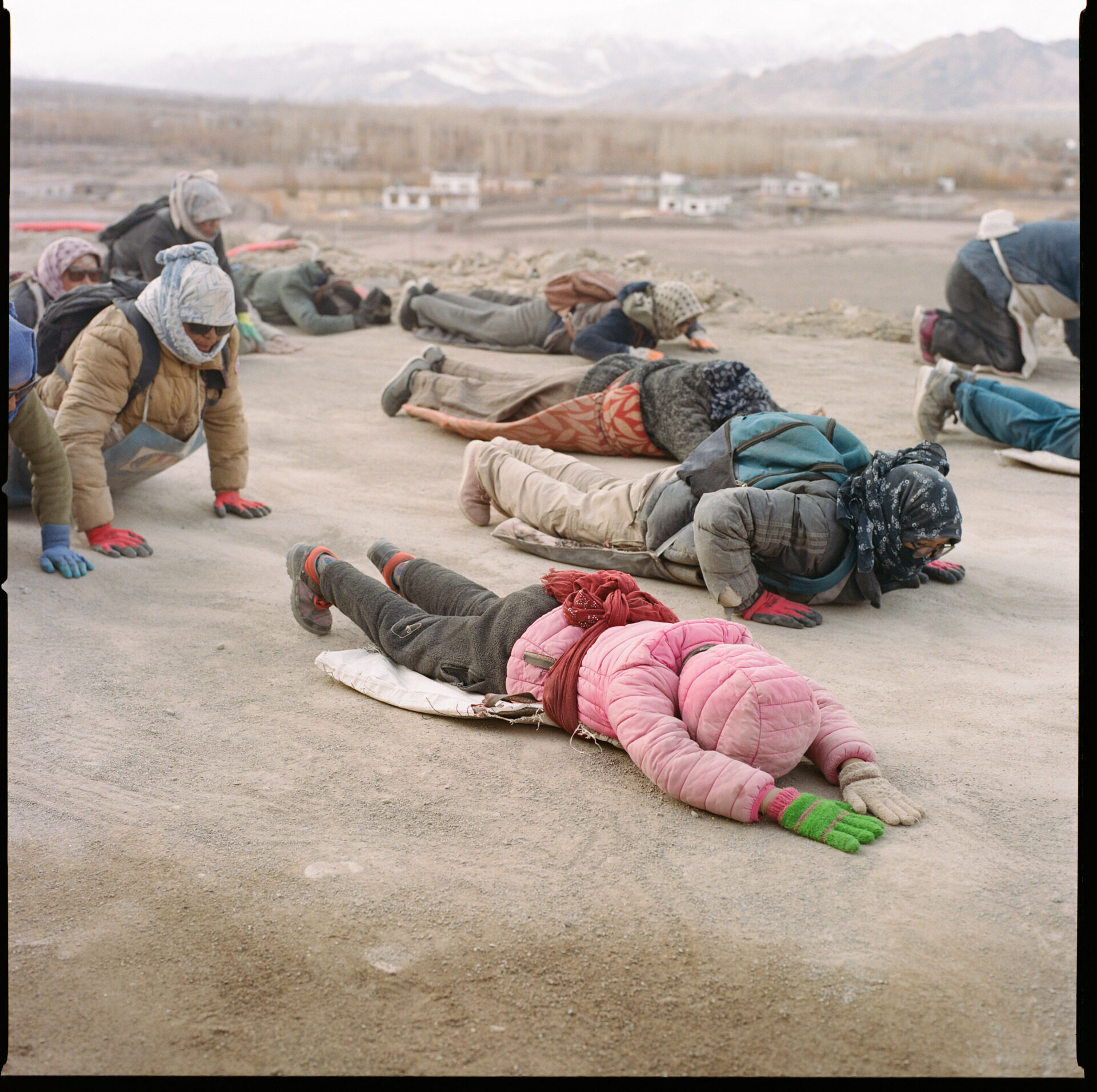
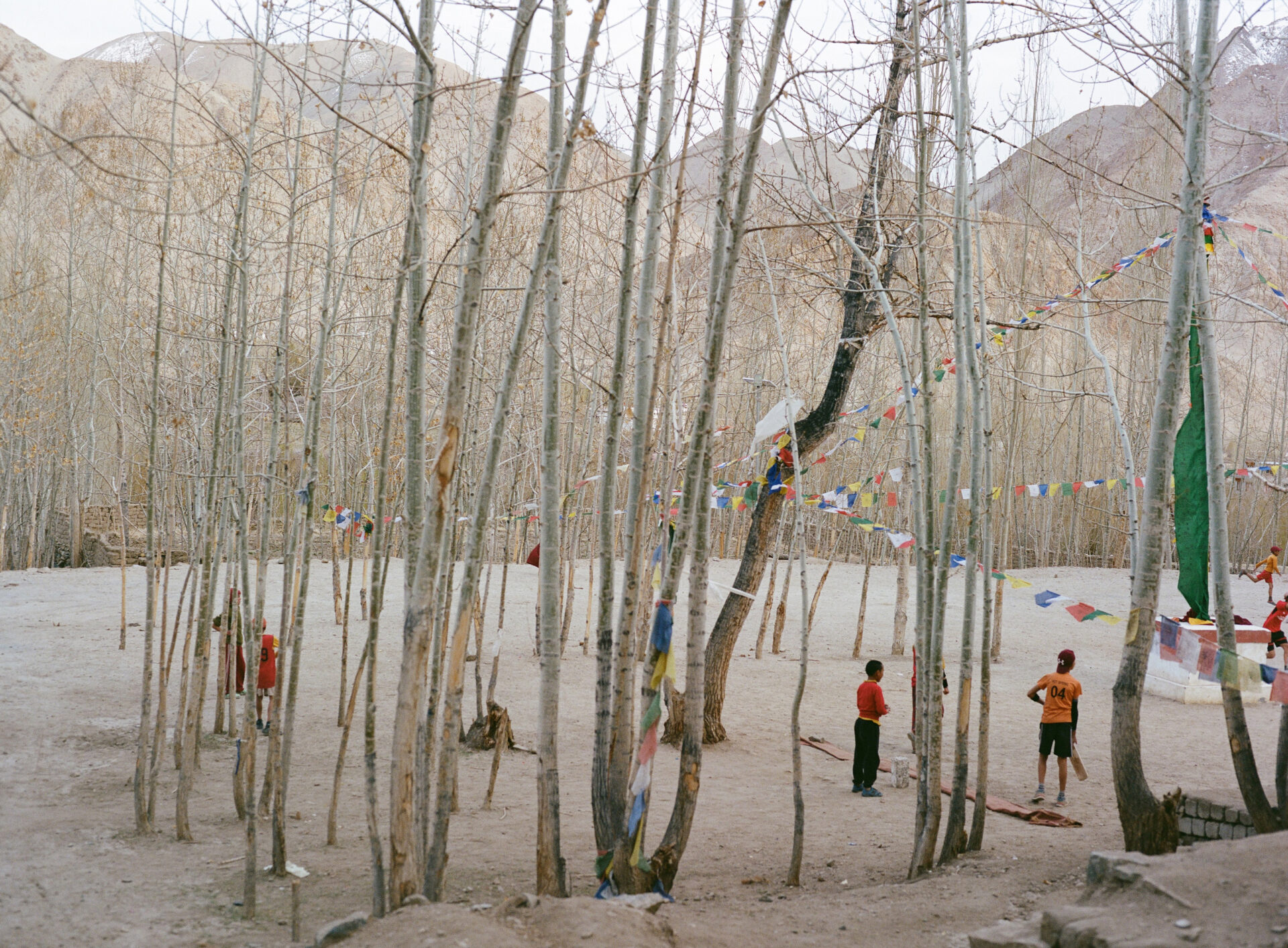
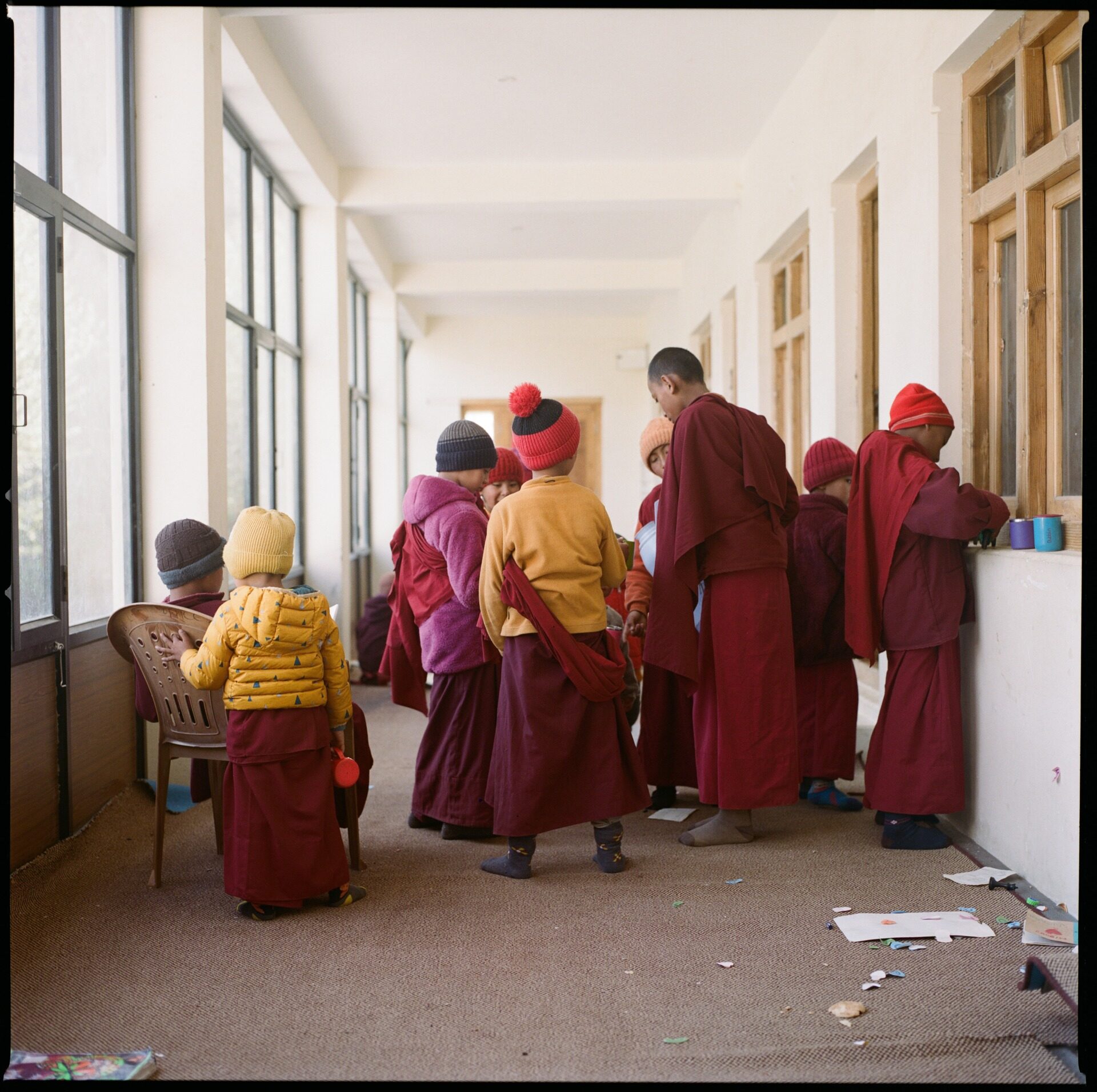
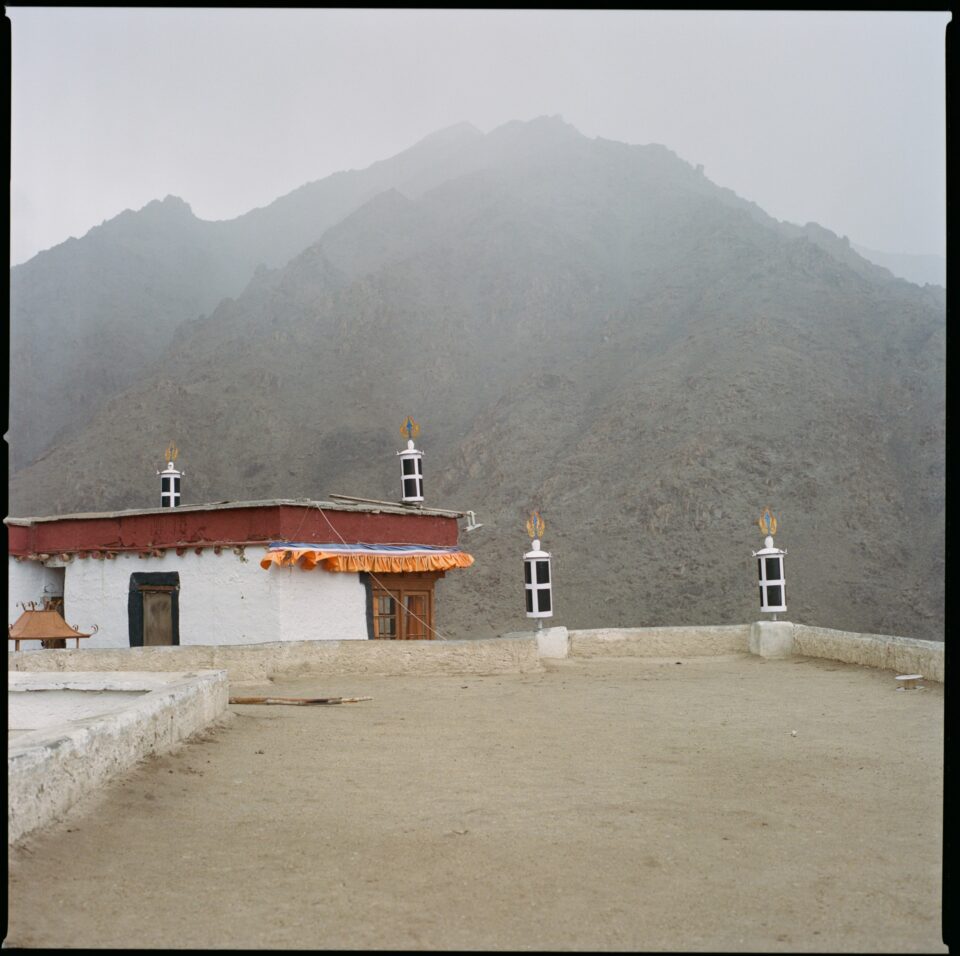
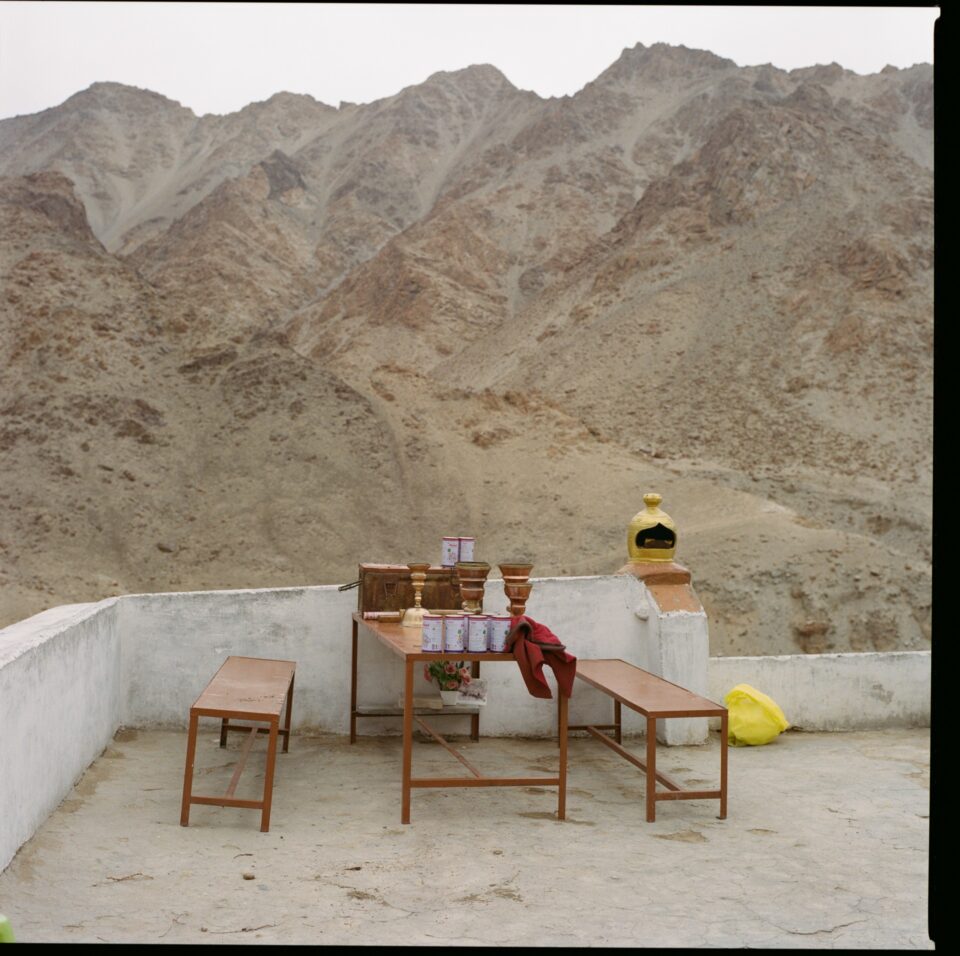
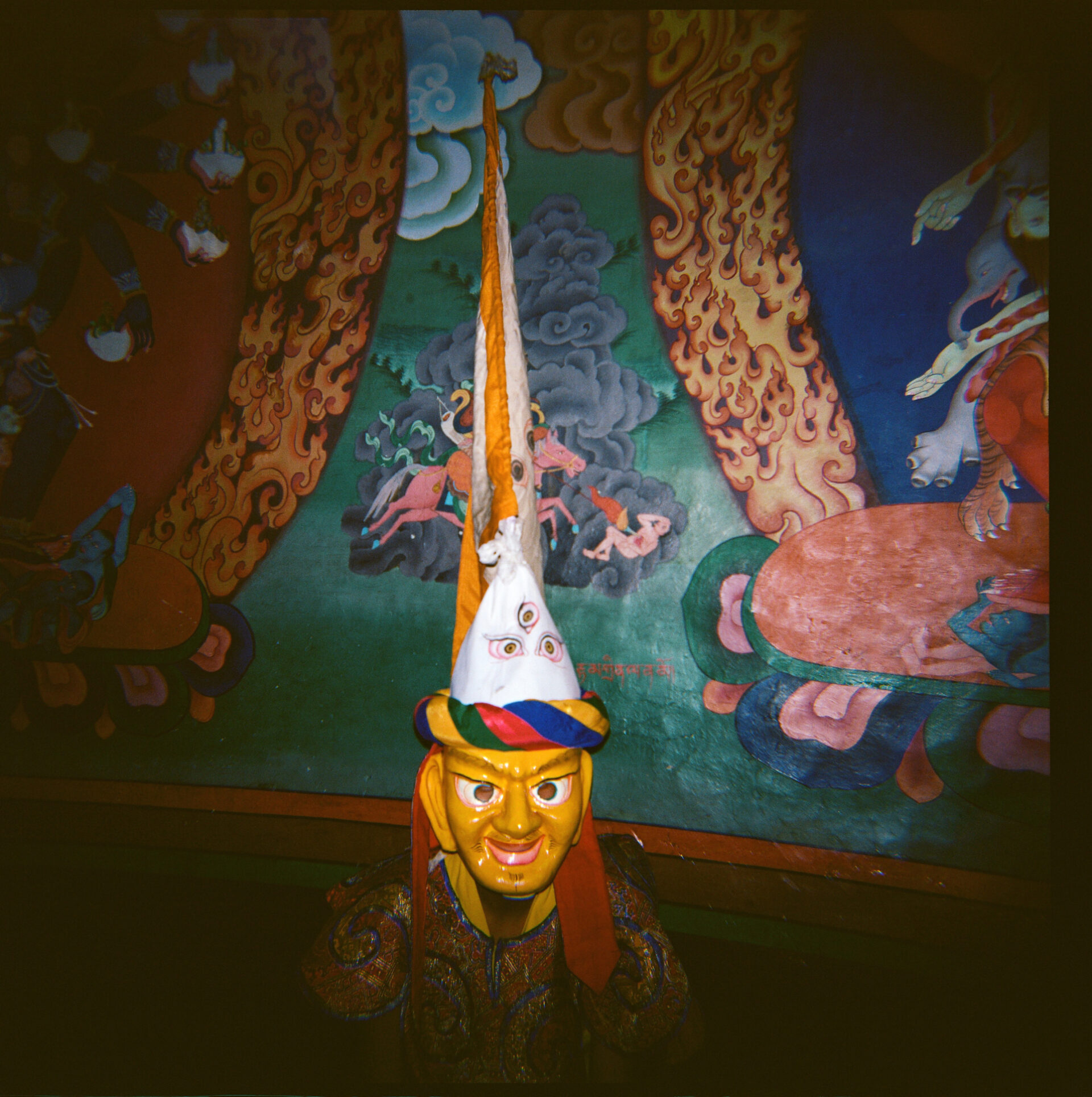
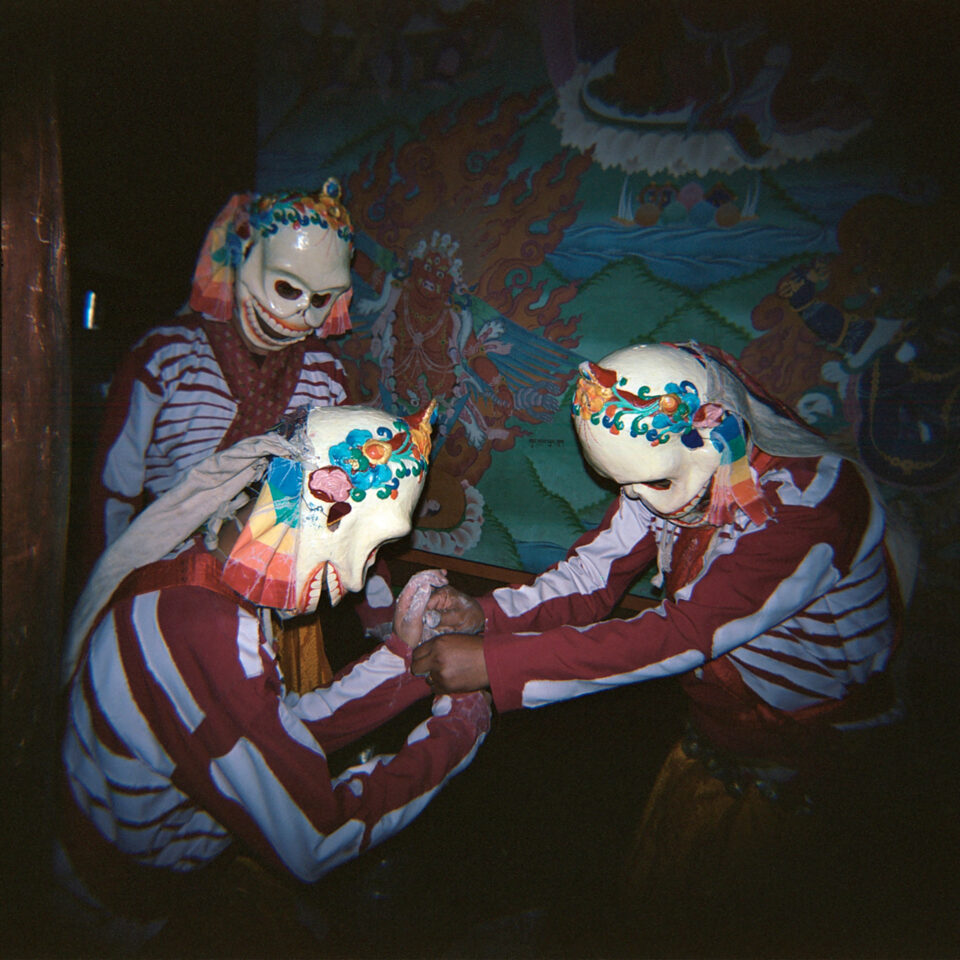
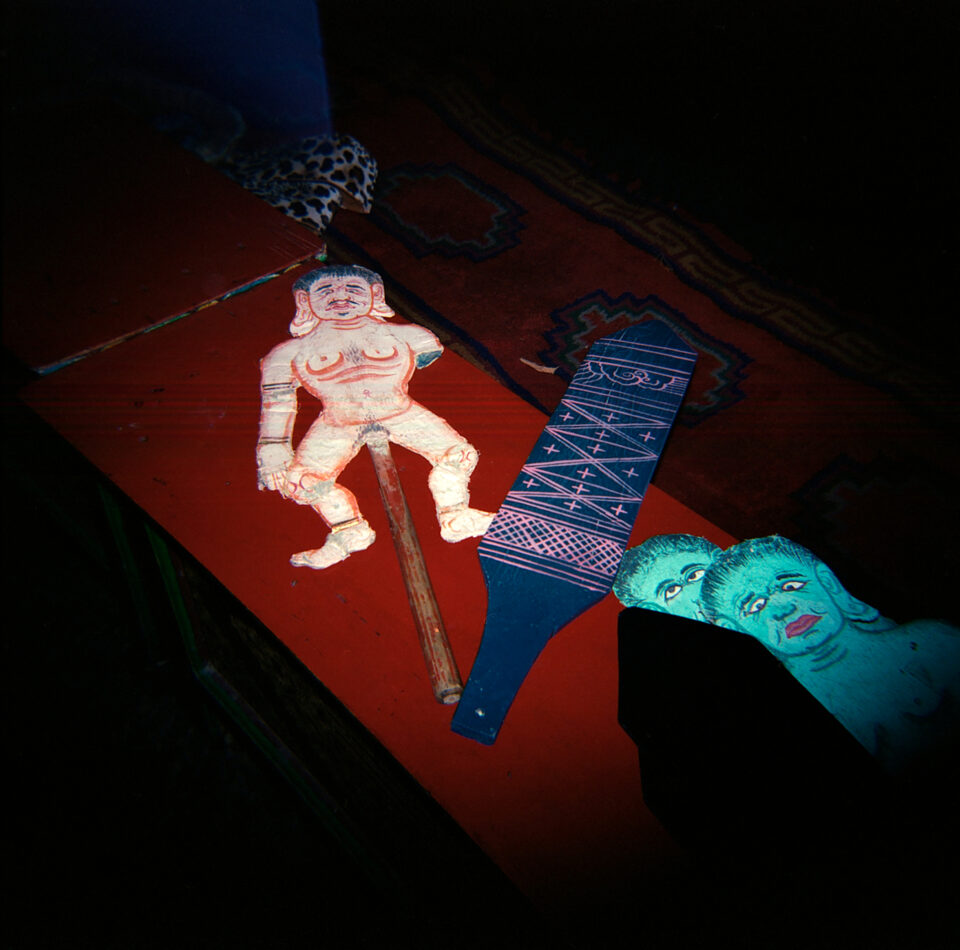
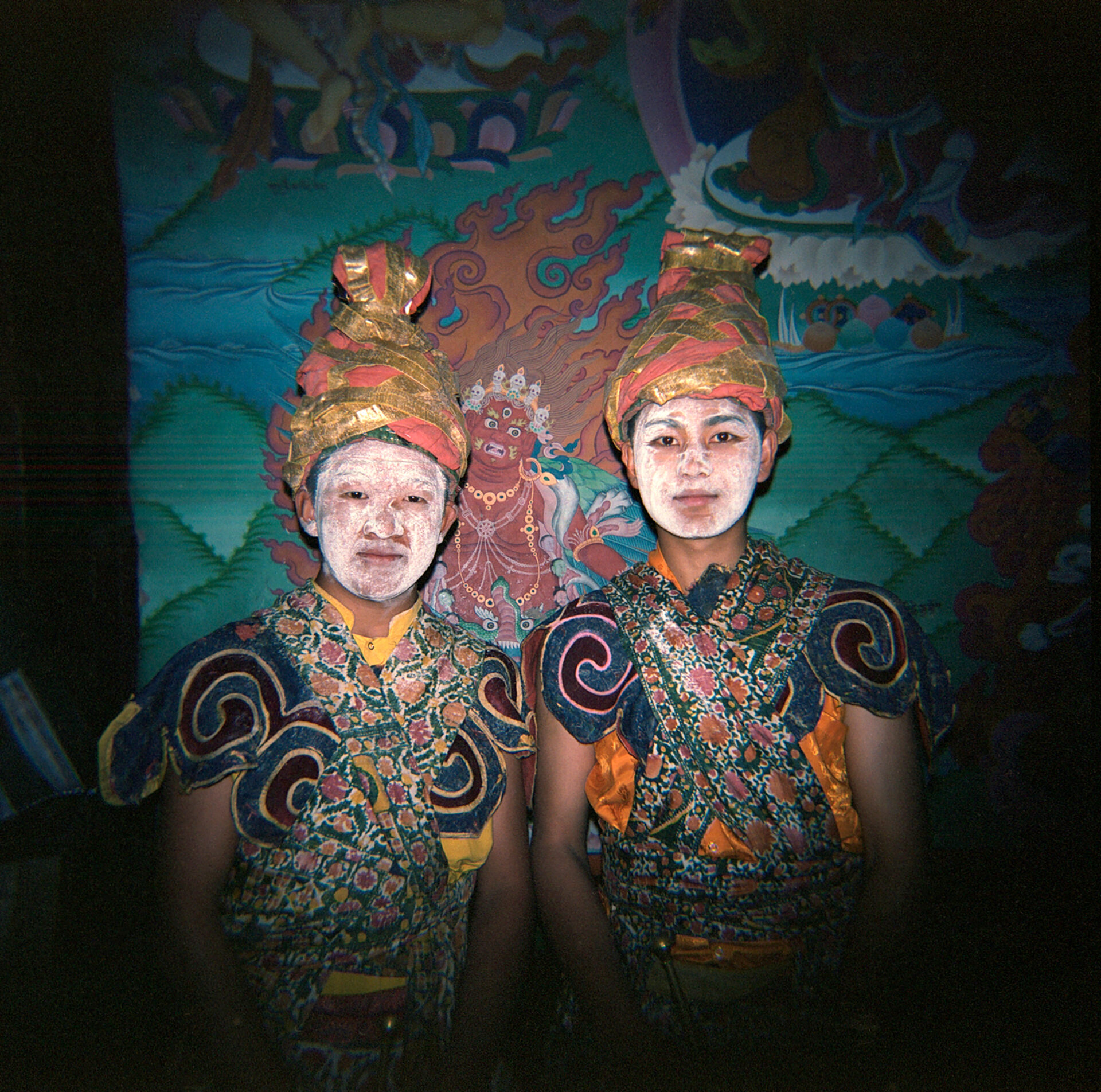
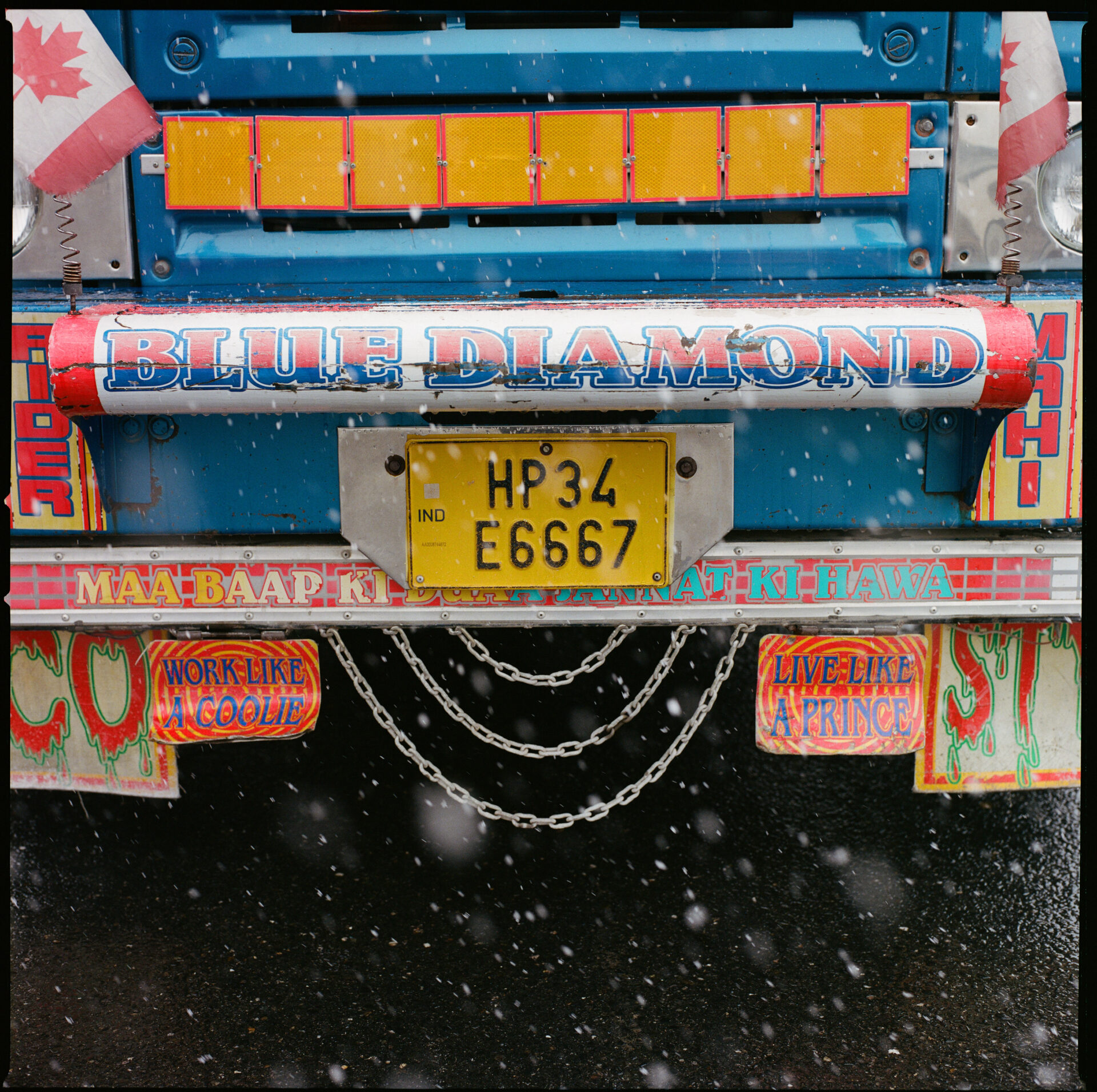
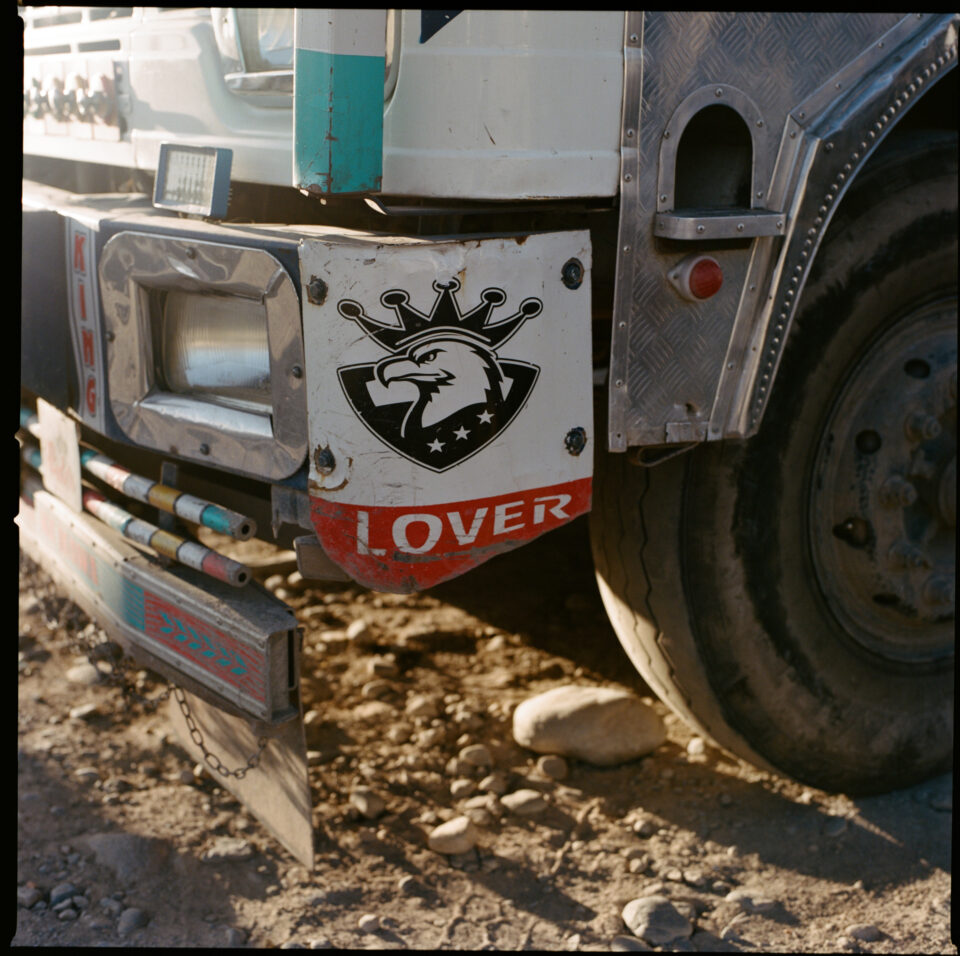
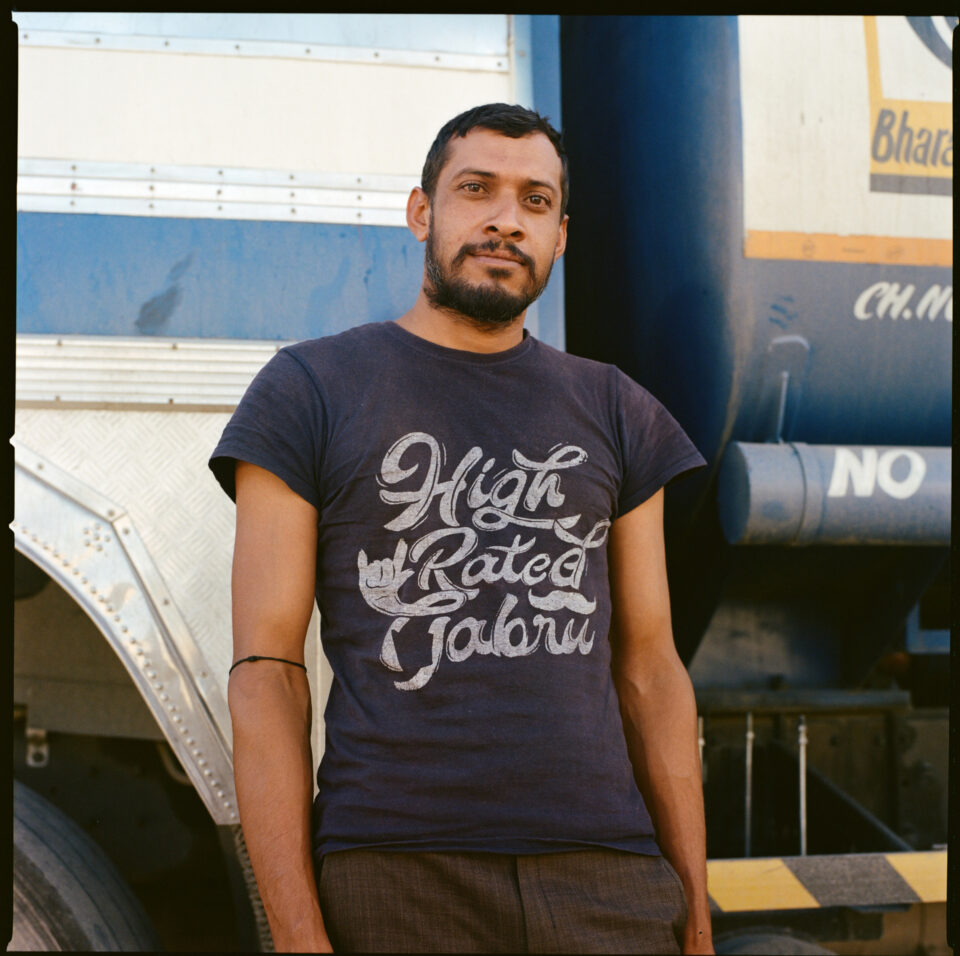
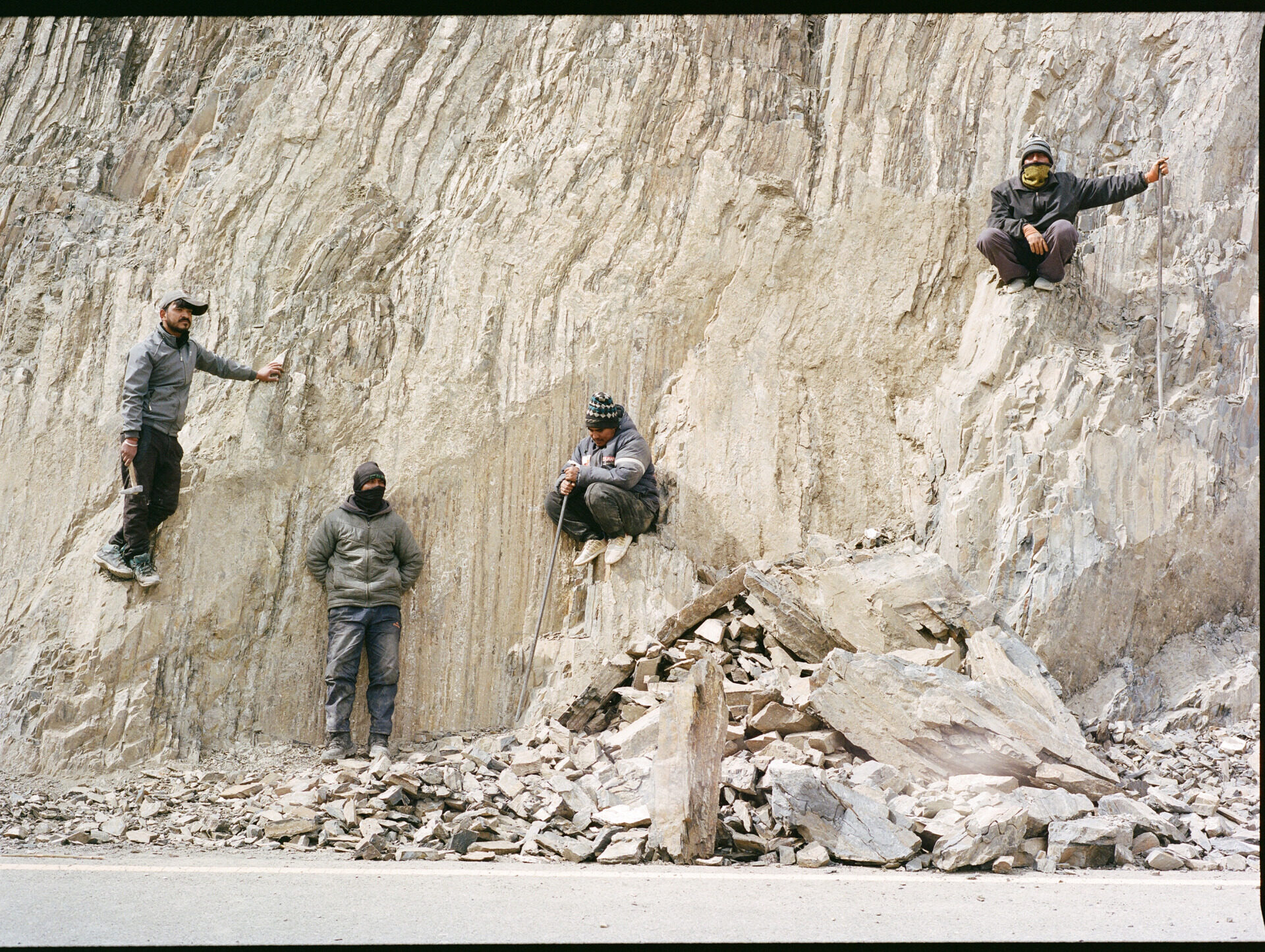
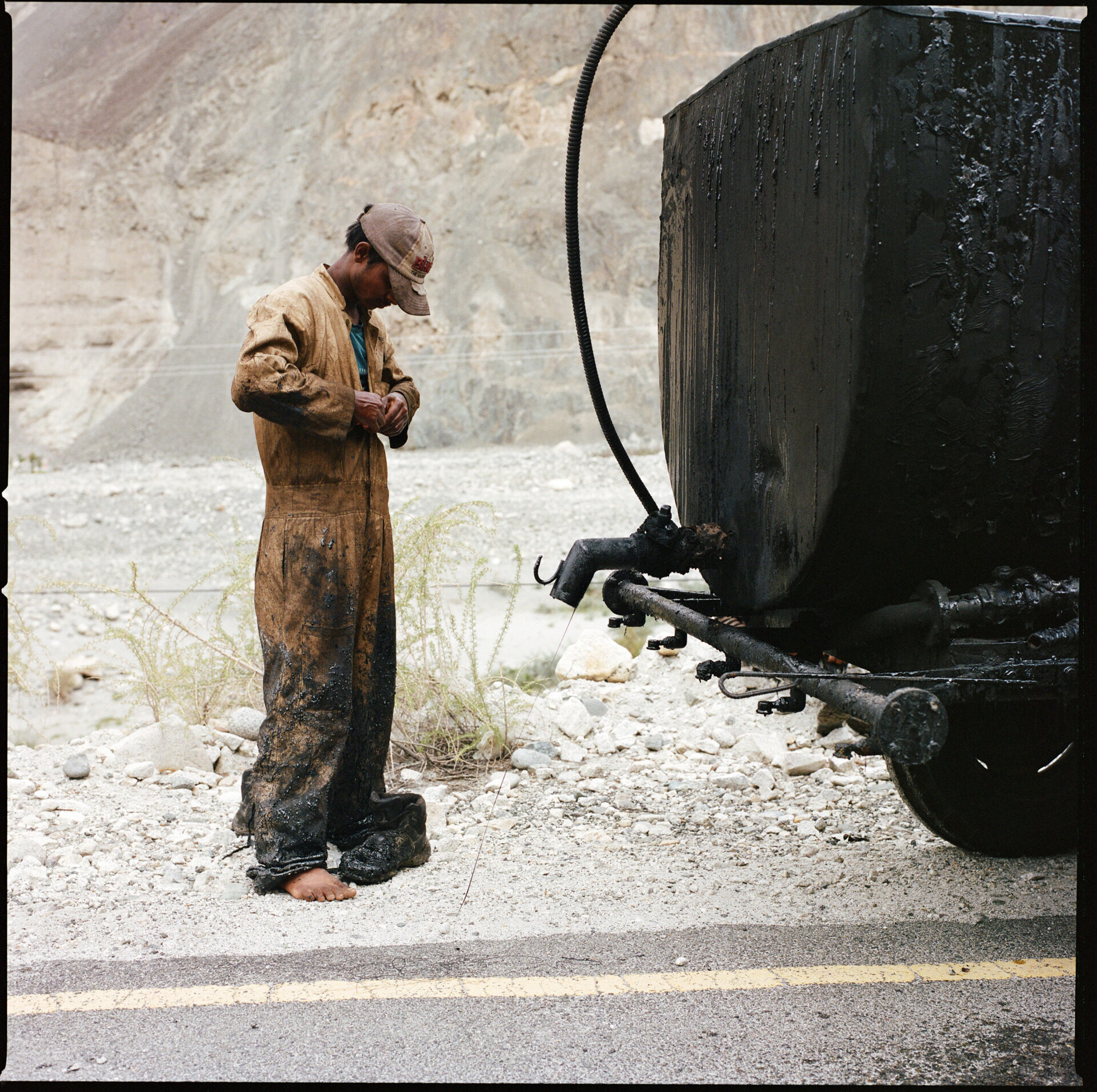
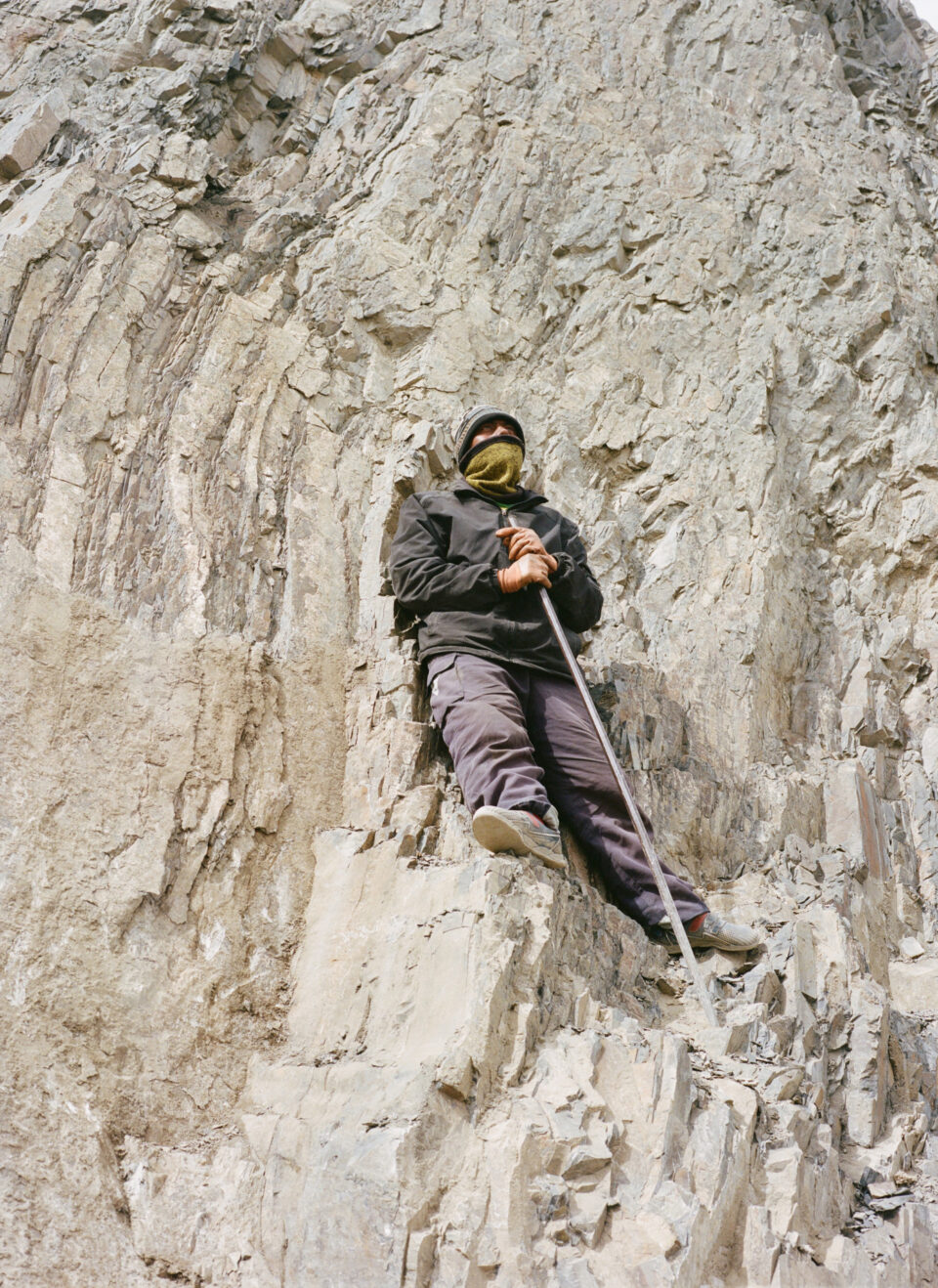
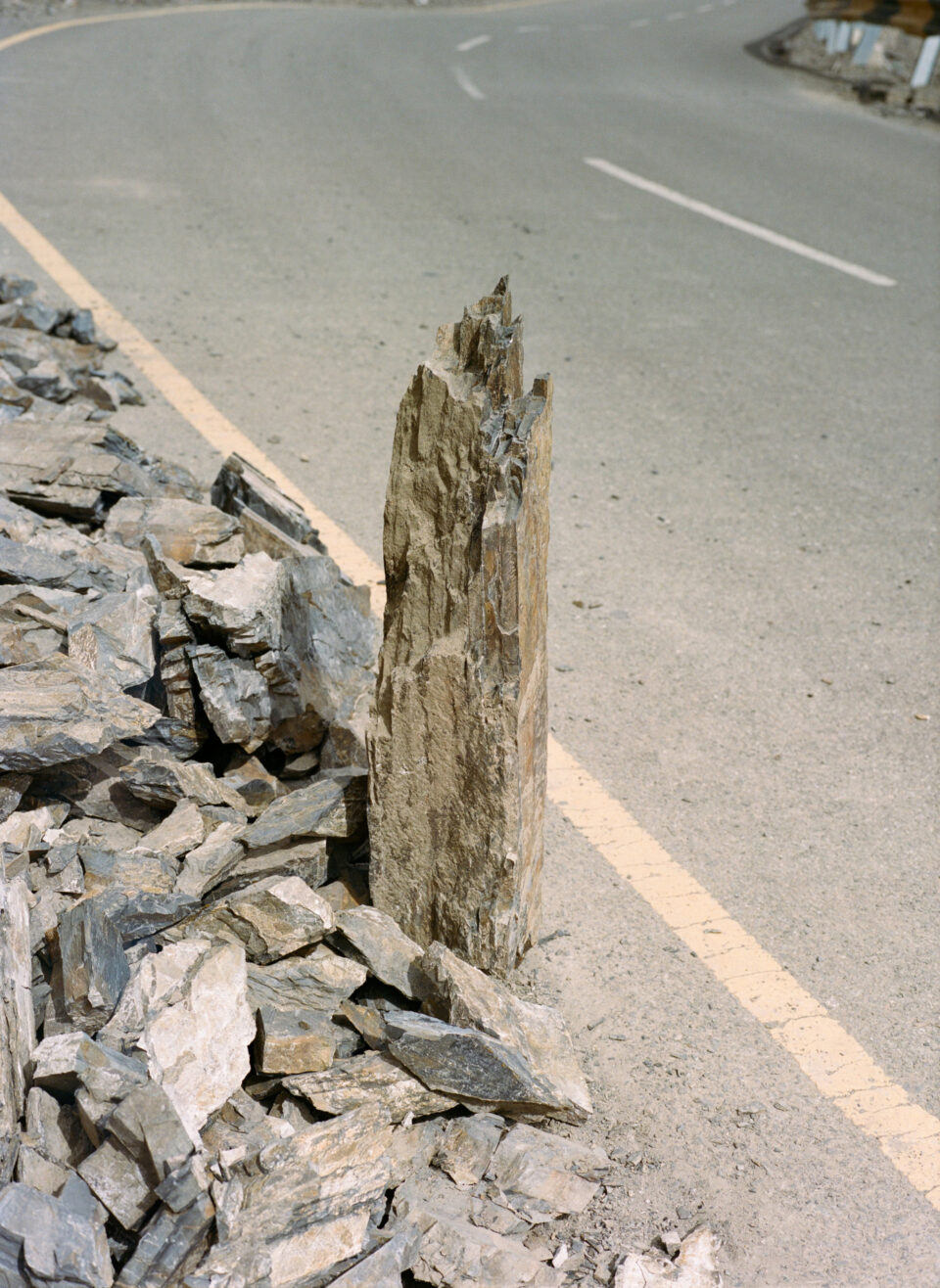
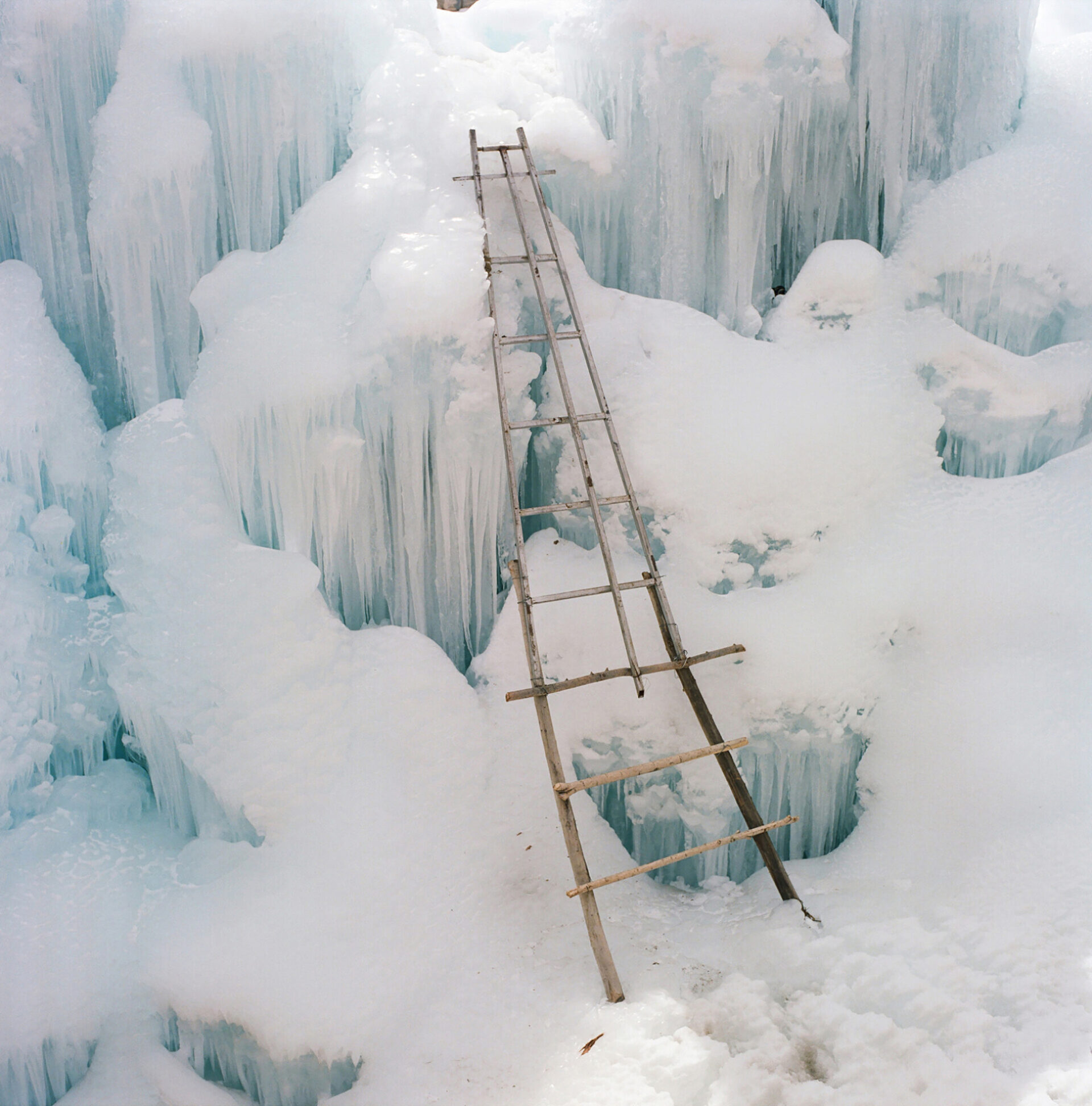
These moments may appear ordinary, yet they reveal how closely life remains connected to the landscape. My attention is also drawn to those who often go unnoticed: seasonal workers from Nepal carving roads into mountainsides under harsh conditions, long-haul truck drivers navigating difficult terrain to transport vital supplies, and stray dogs surviving on scraps at the edges of villages and highways. Alongside these realities, I am also interested in stories of hope, such as the Ice Stupa project, which seeks to address water scarcity through locally developed solutions.
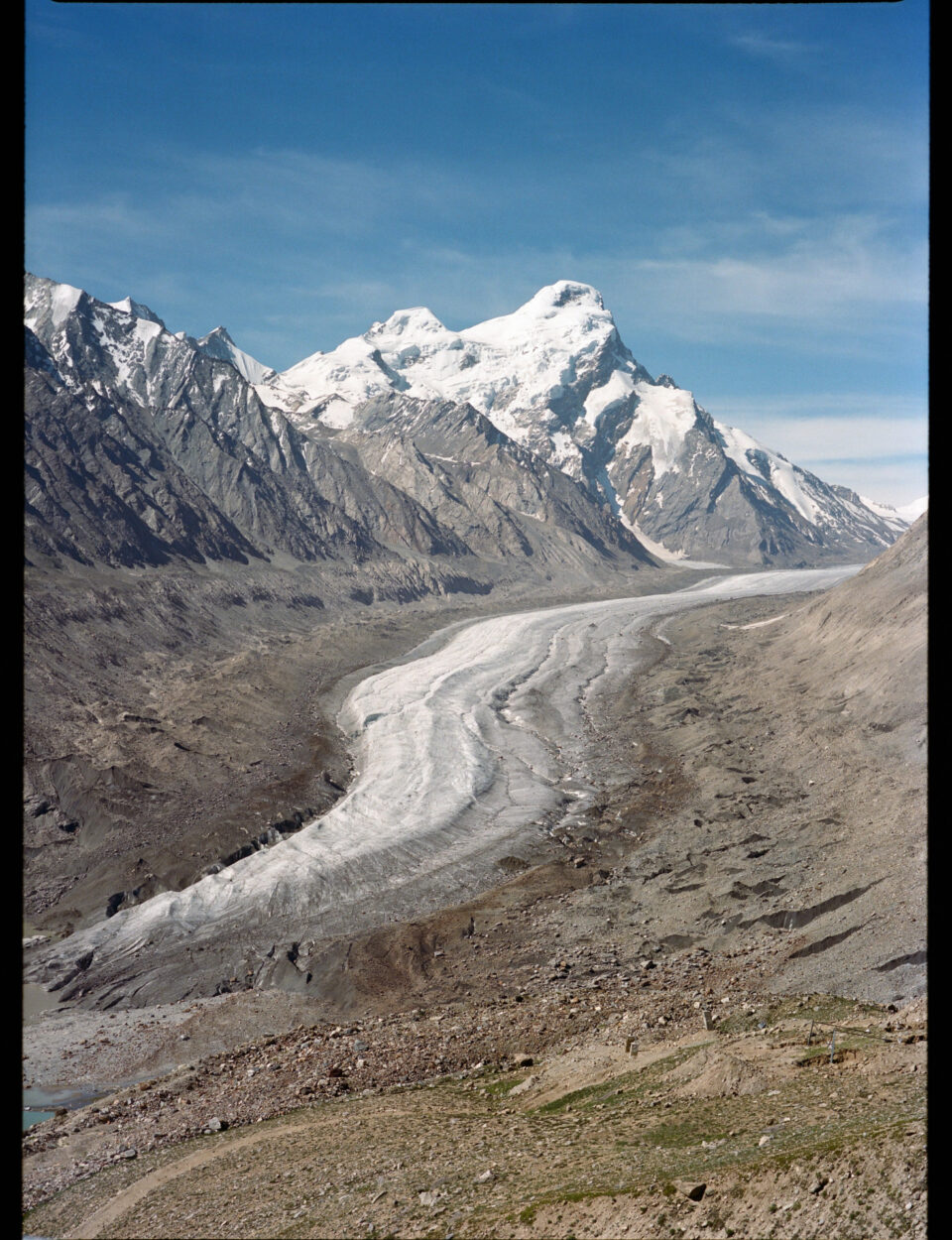
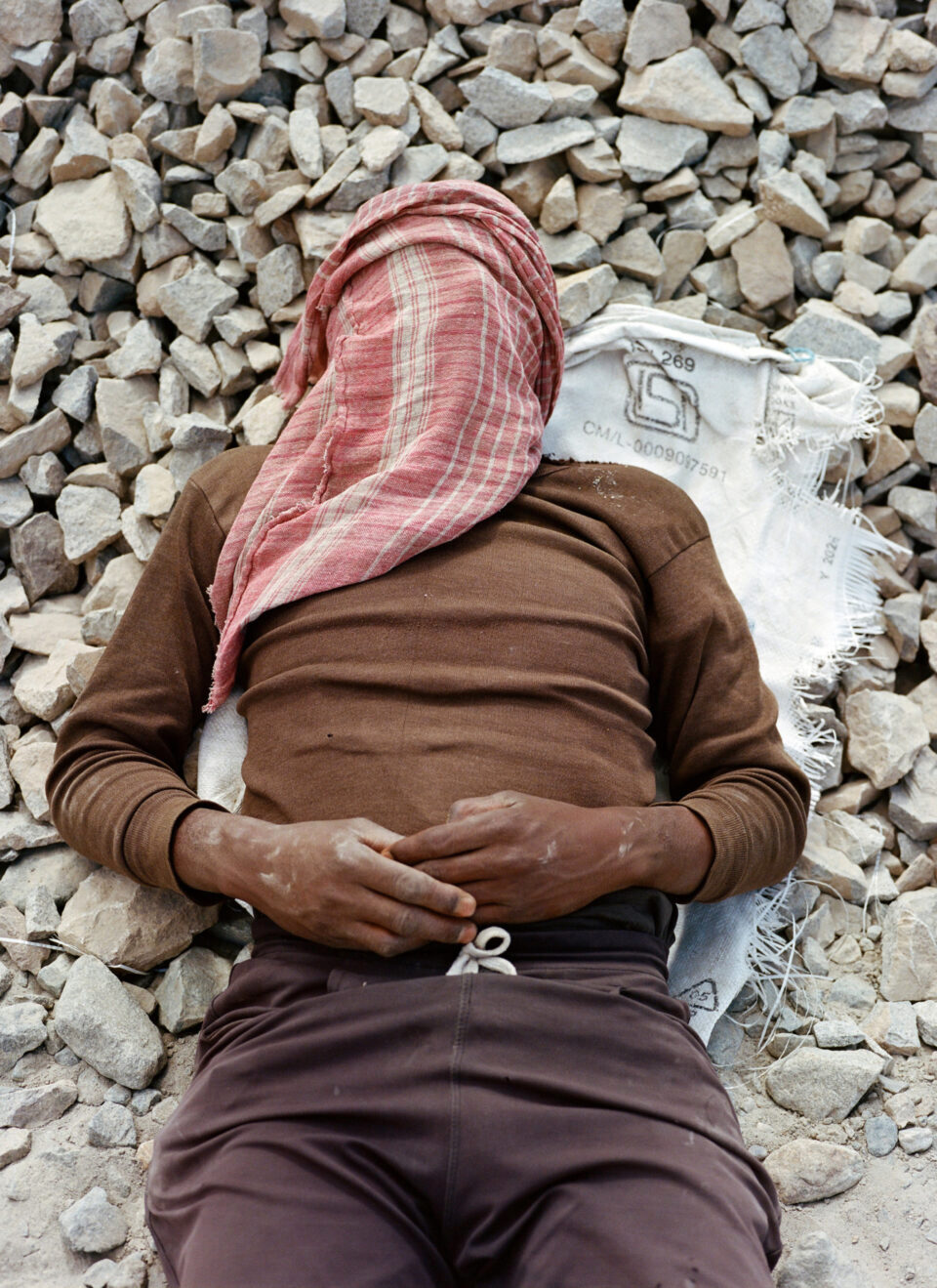
As a child in Wenzhou, China, I survived a severe flood that left a lasting impression on me. It shaped my awareness of both the fragility of human life and the strength that communities can find in difficult circumstances. Years later, this sensitivity drew me to Ladakh.
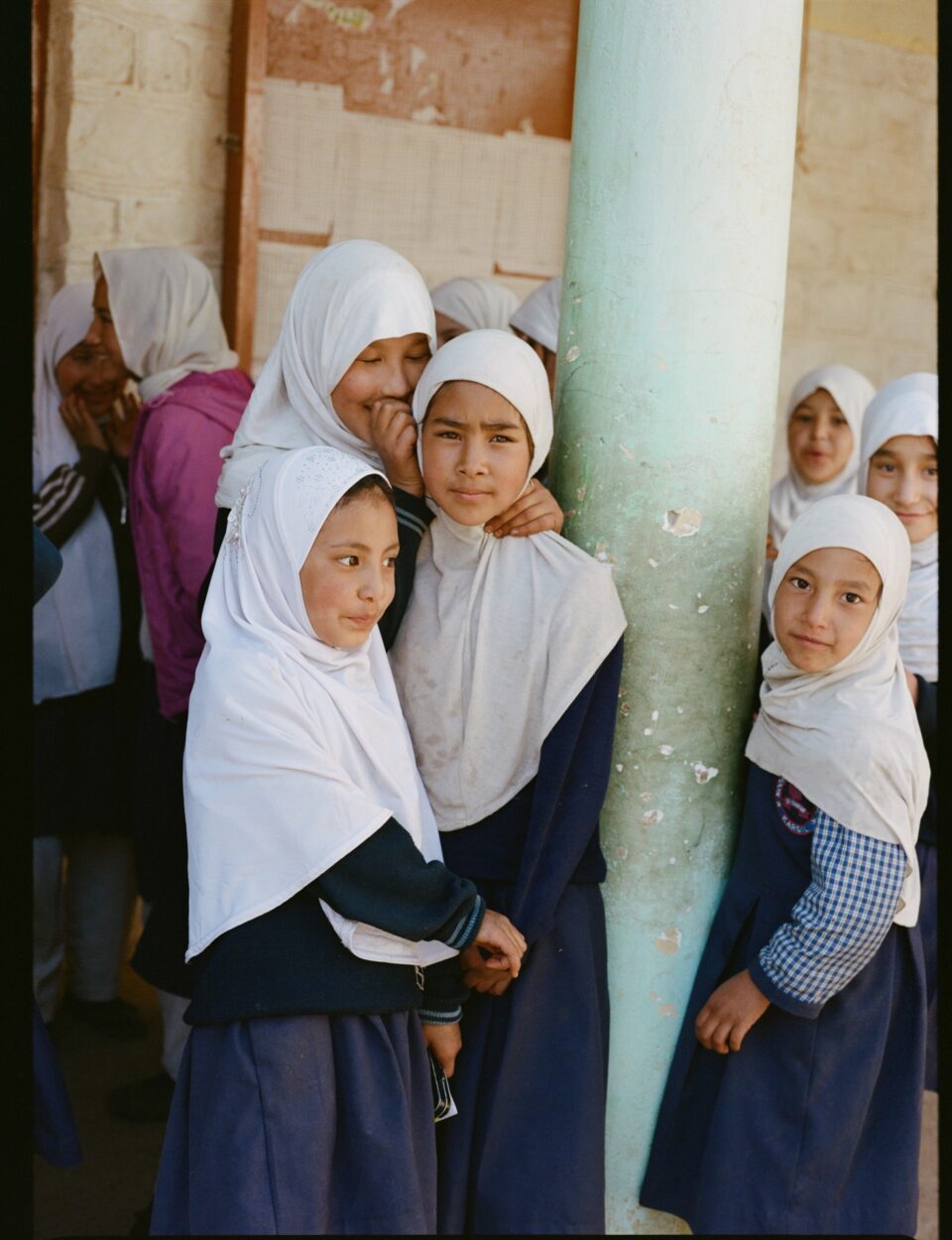
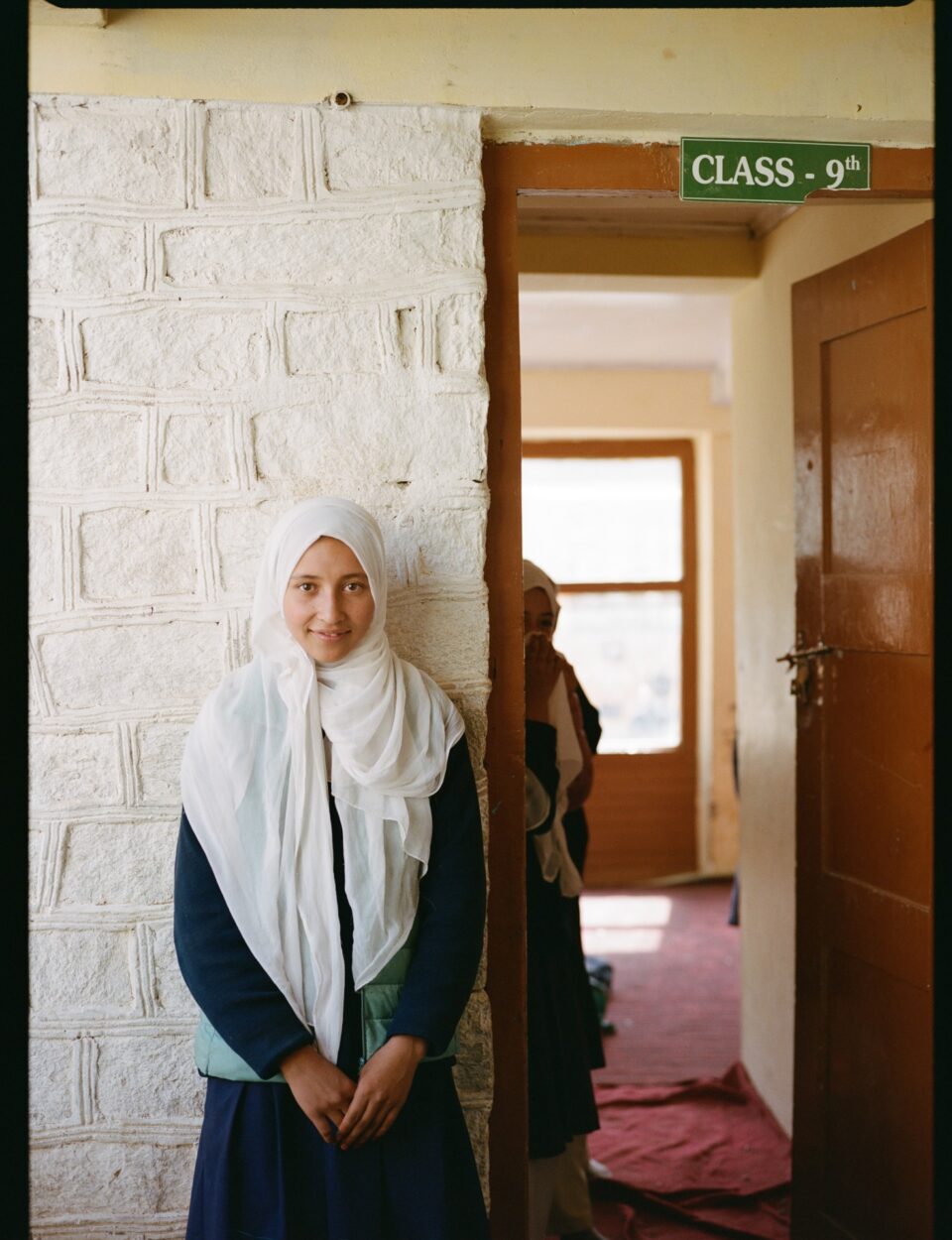
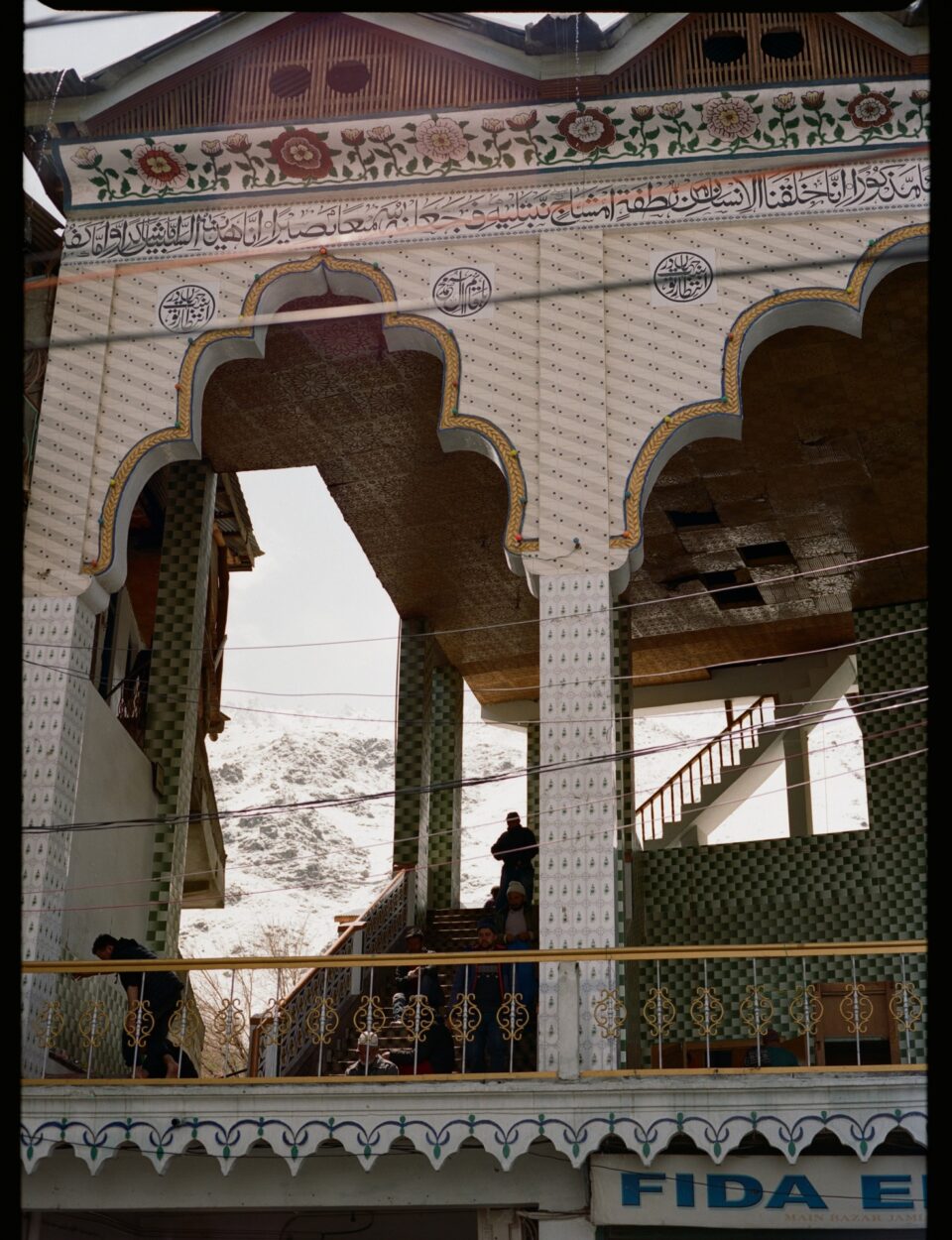
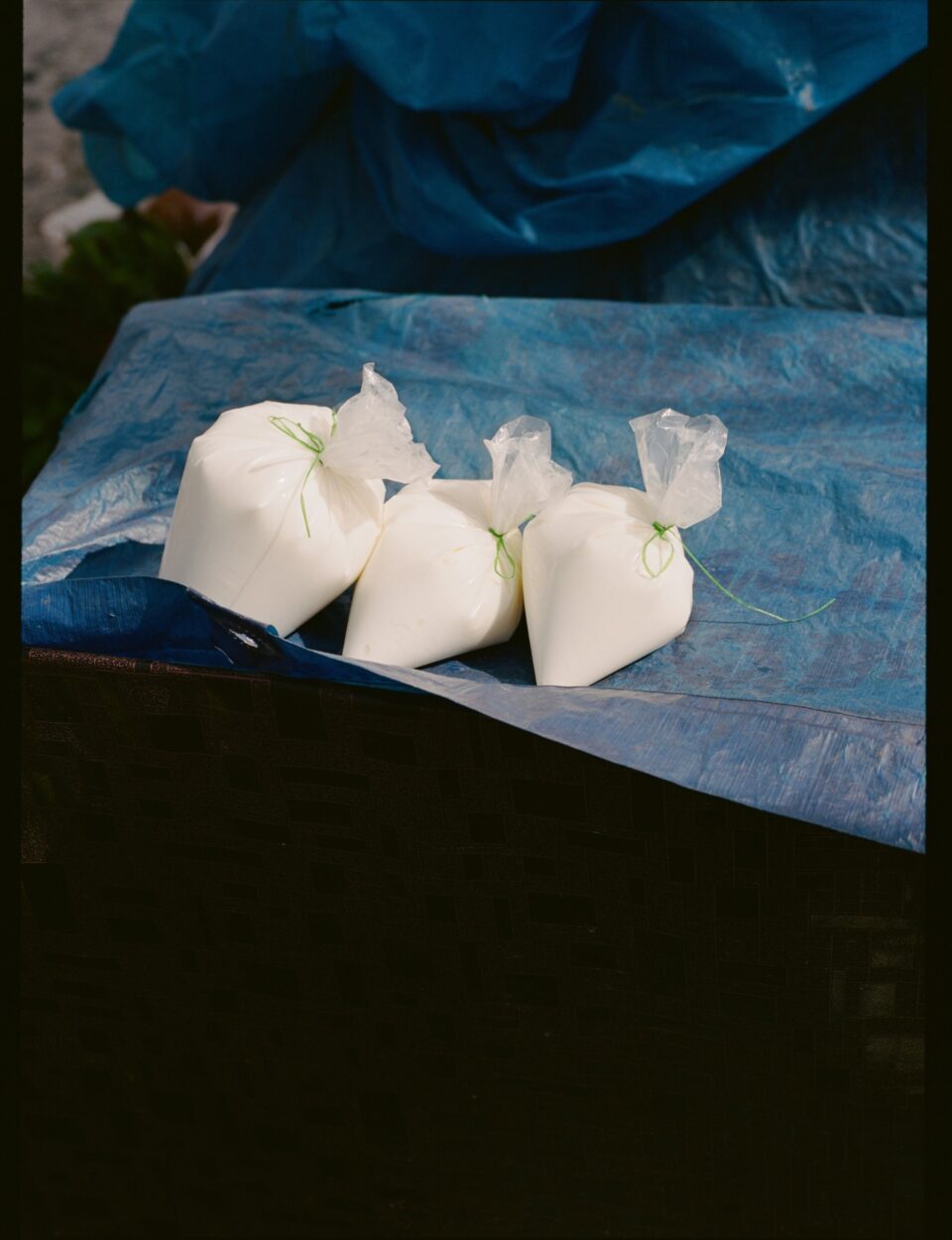
The title of the project comes from a Ladakhi expression often translated as a call for courage, victory, and perseverance. For me, it reflects the spirit of the people I have encountered throughout this work: individuals and communities who continue to find ways forward despite profound environmental and social change.
To be continued