Good Luck Blow Horn
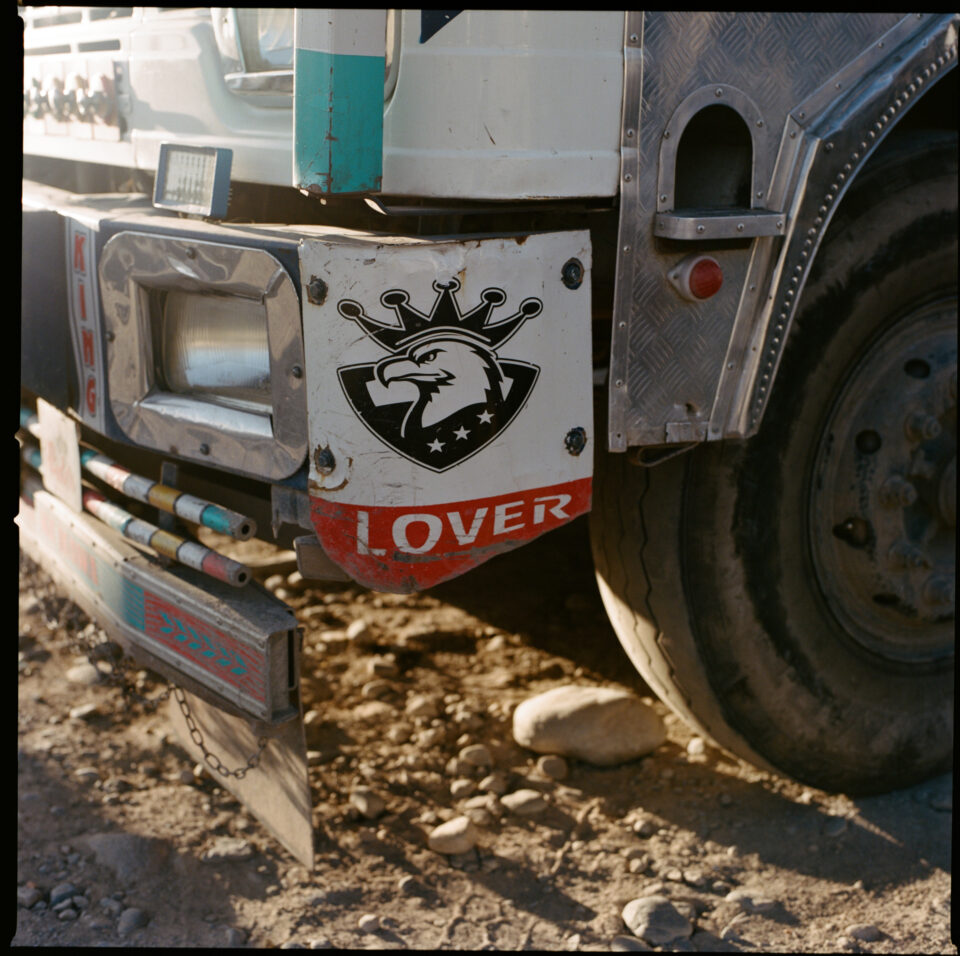
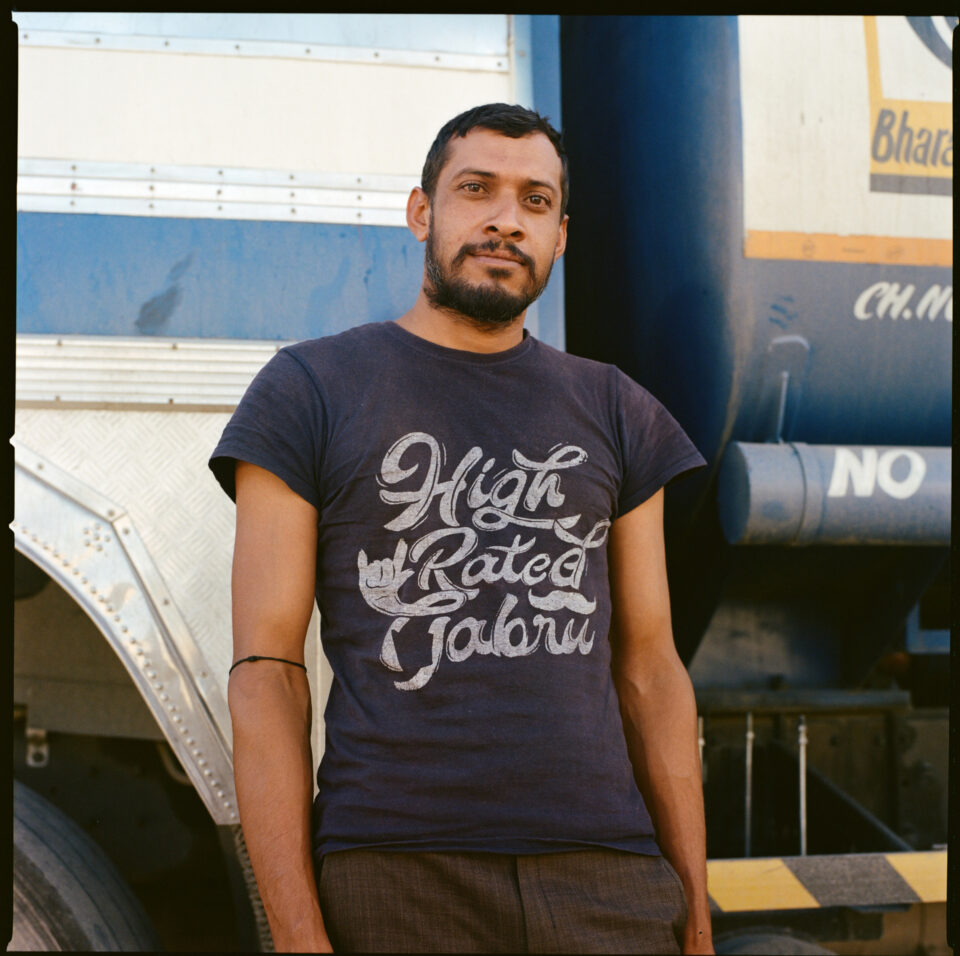
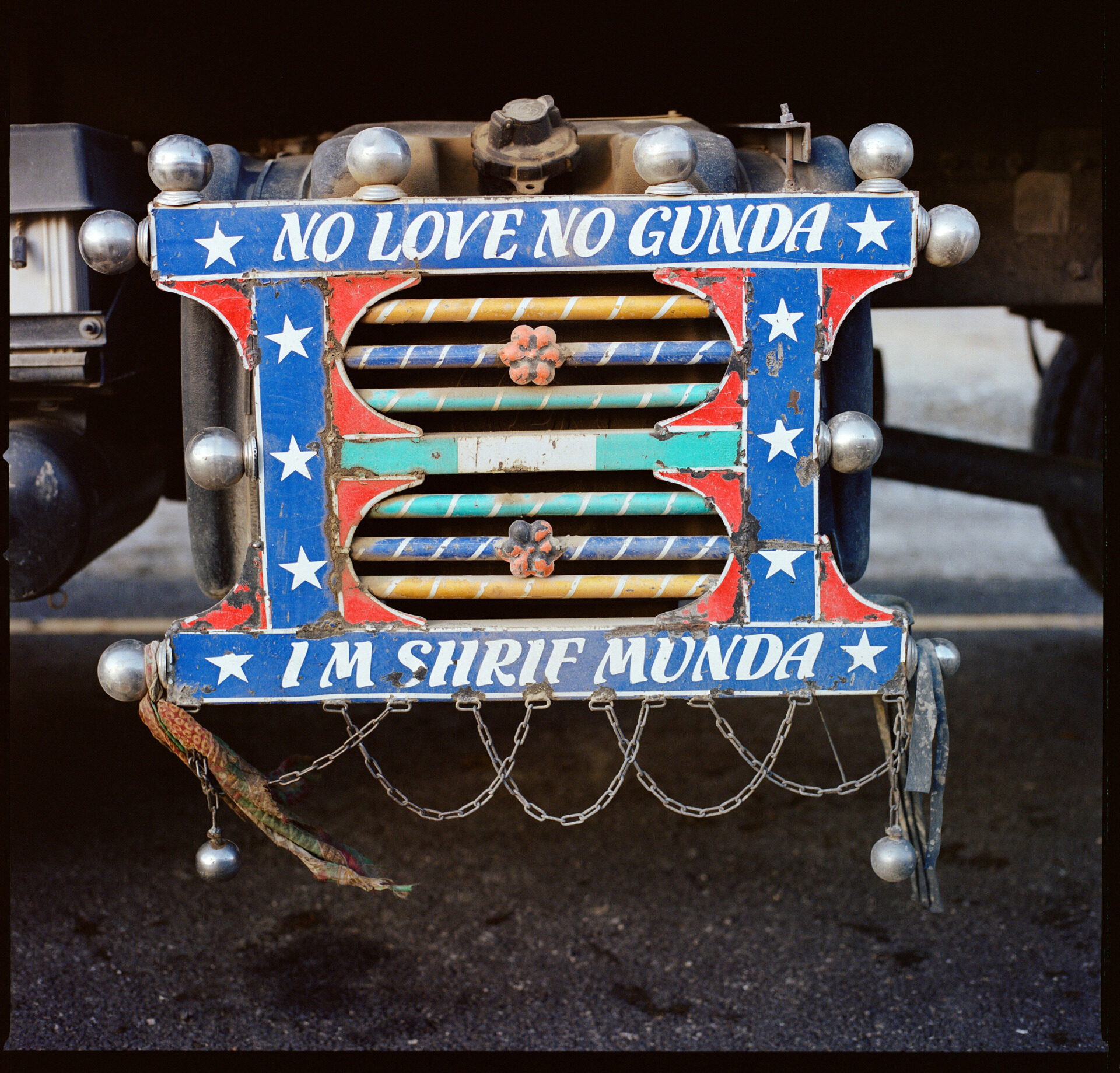
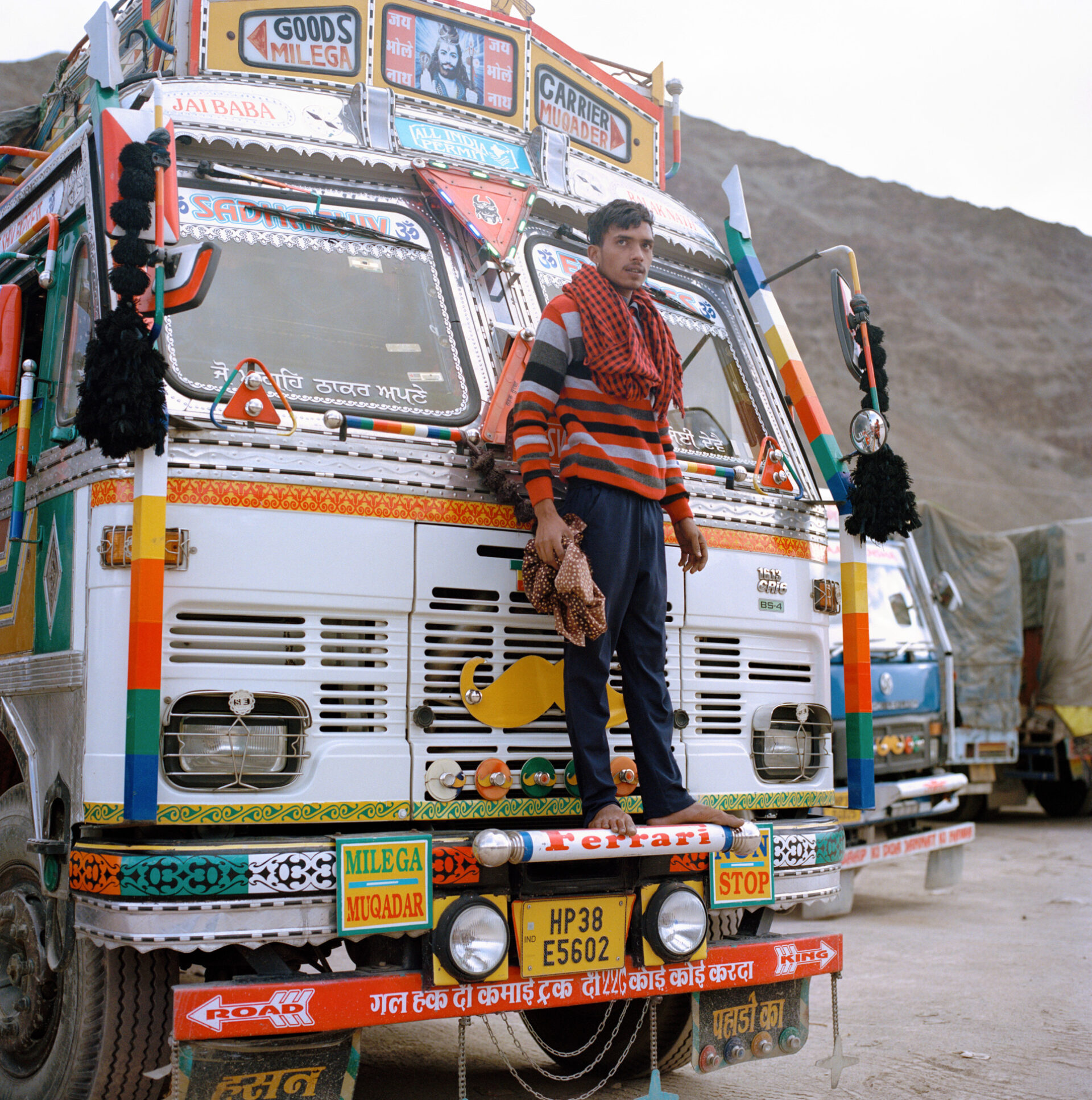
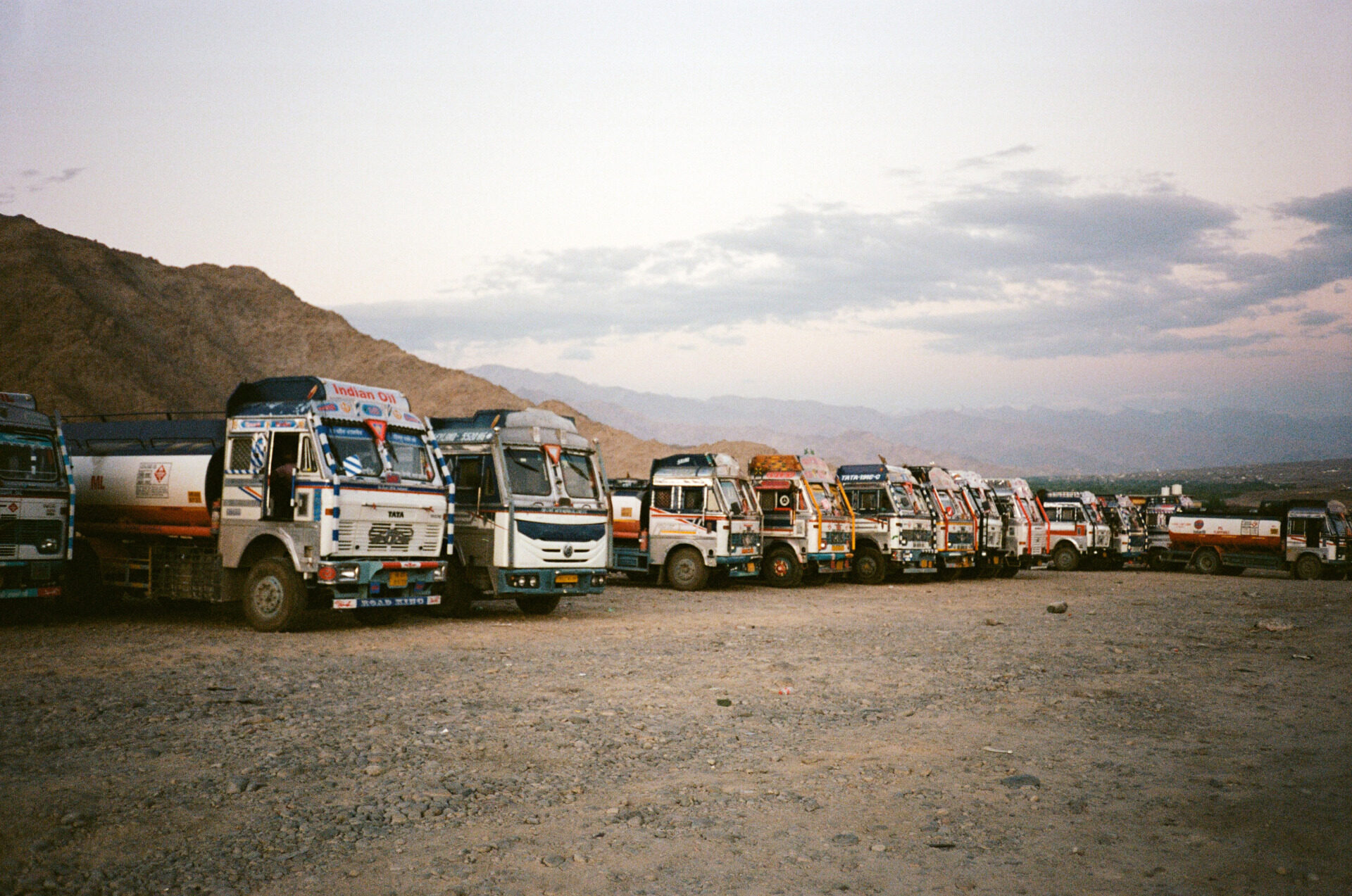
Good Luck Blow Horn follows long-distance truck drivers transporting goods into and across Ladakh, a high-altitude Himalayan region in northern India. Their work sustains daily life and the region’s expanding infrastructure, while also forming part of the military supply network in this strategically sensitive border region. The drivers carry everything from construction materials and fuel to uniforms, food and even table salt.
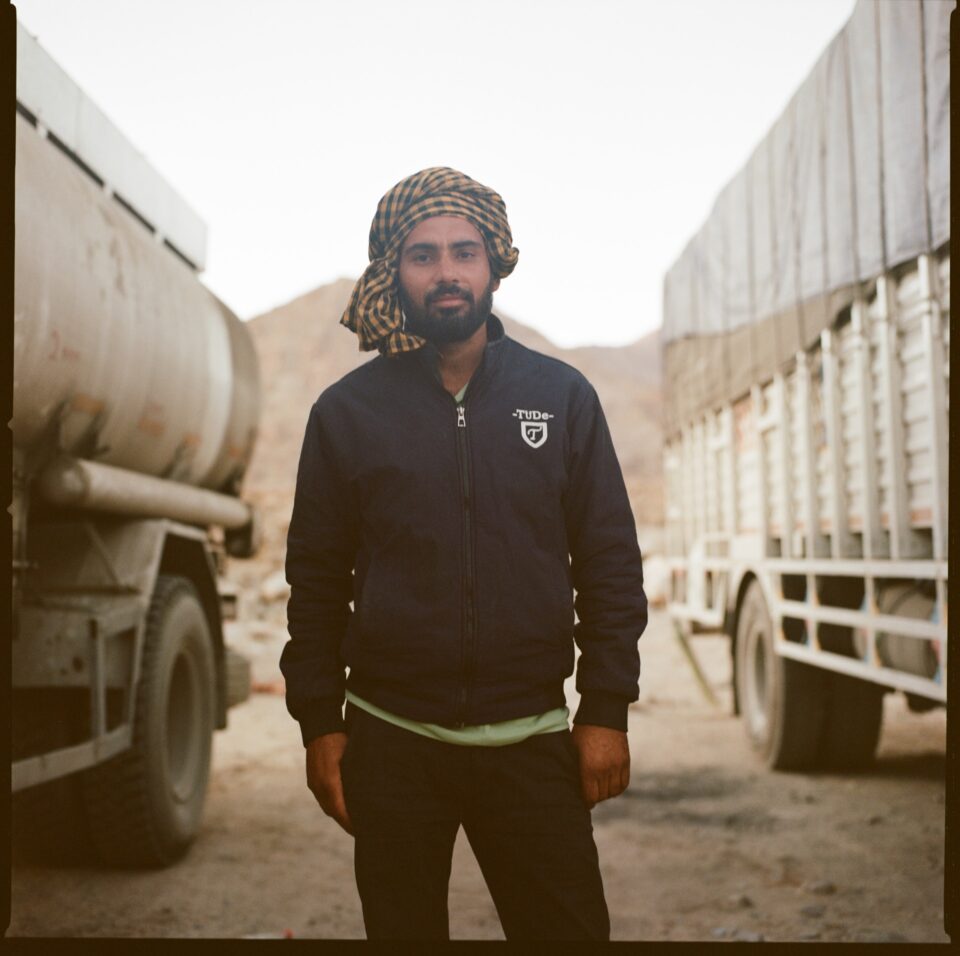
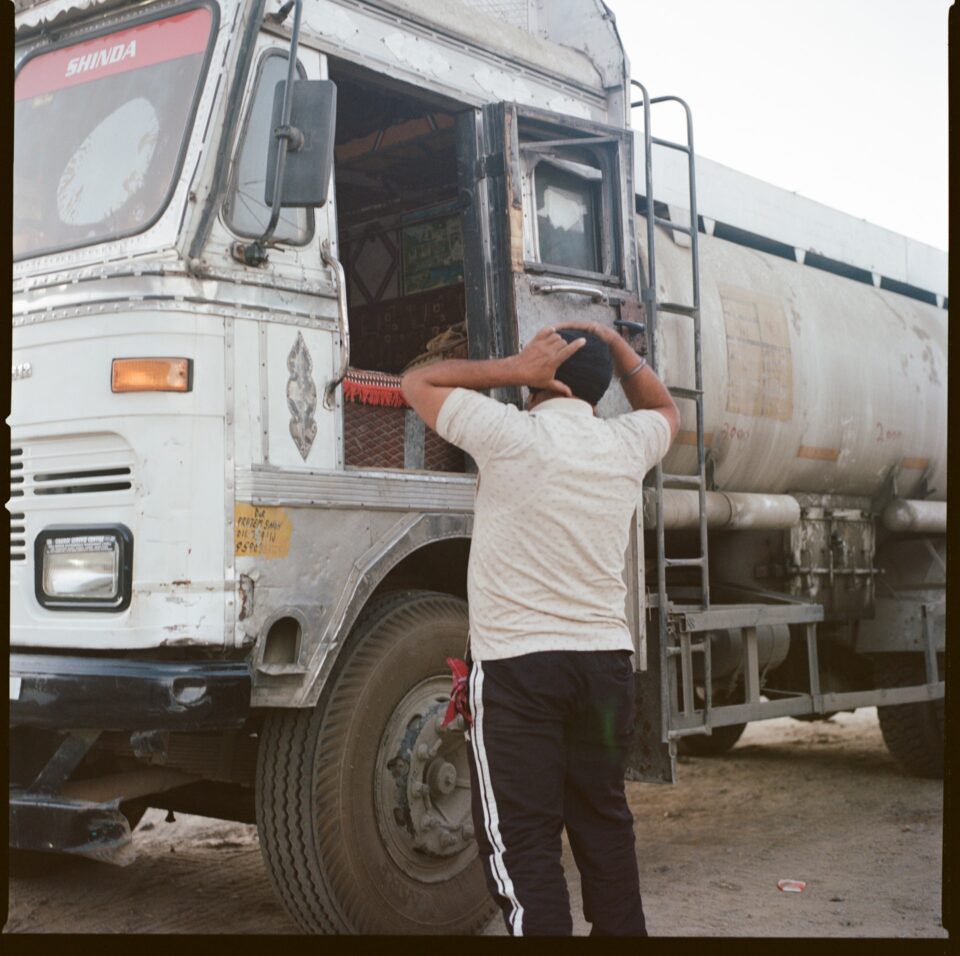
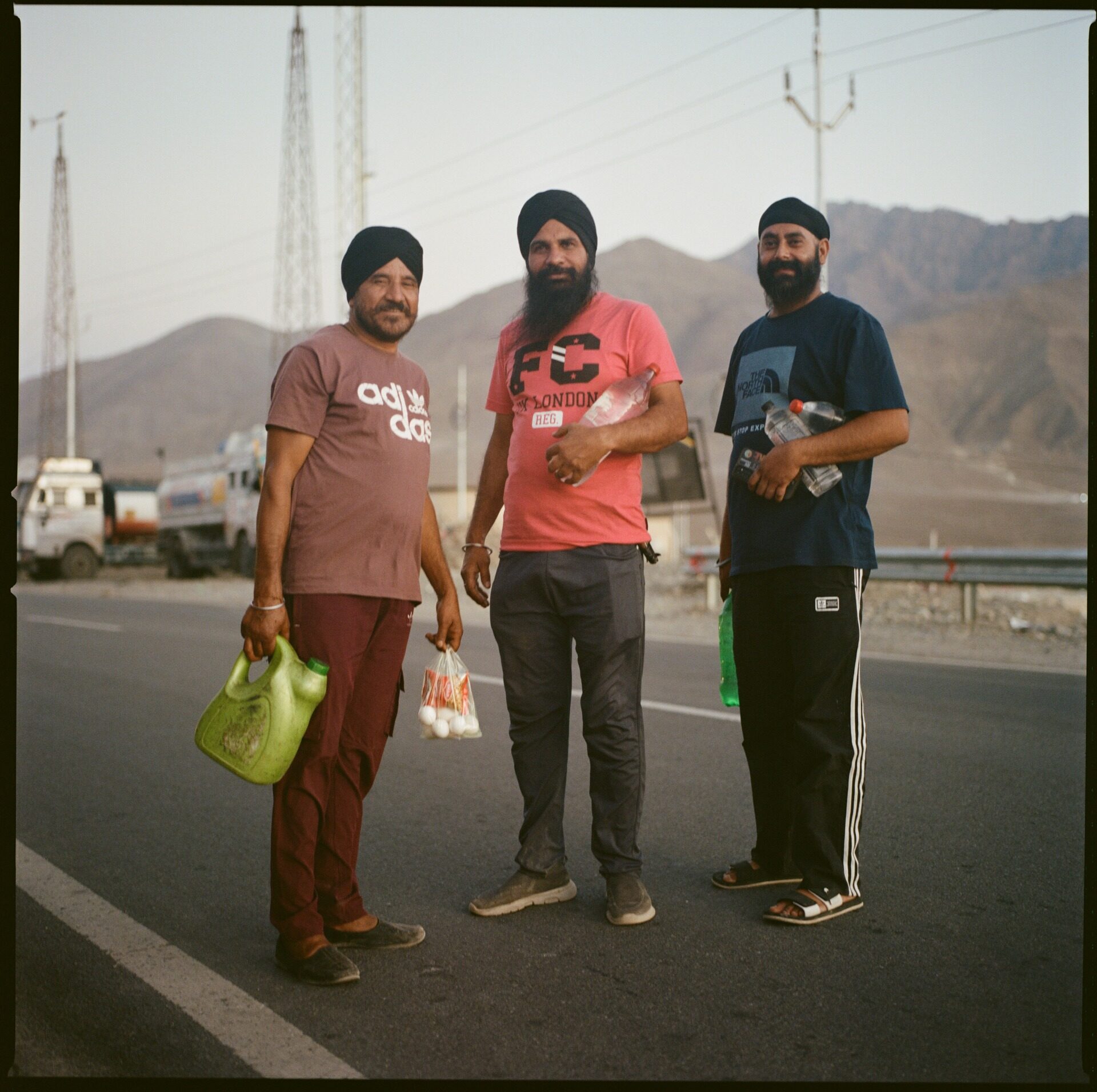
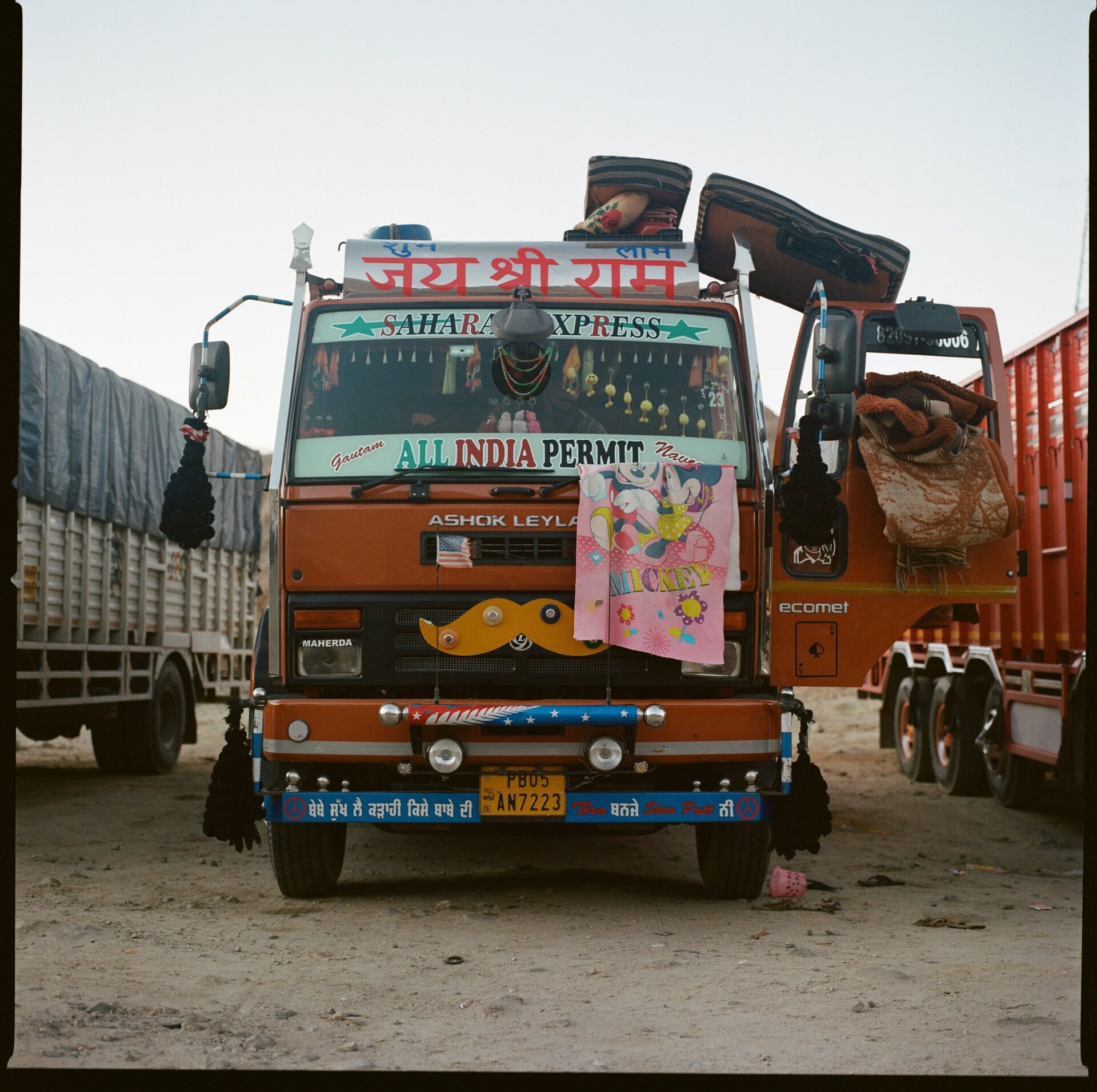
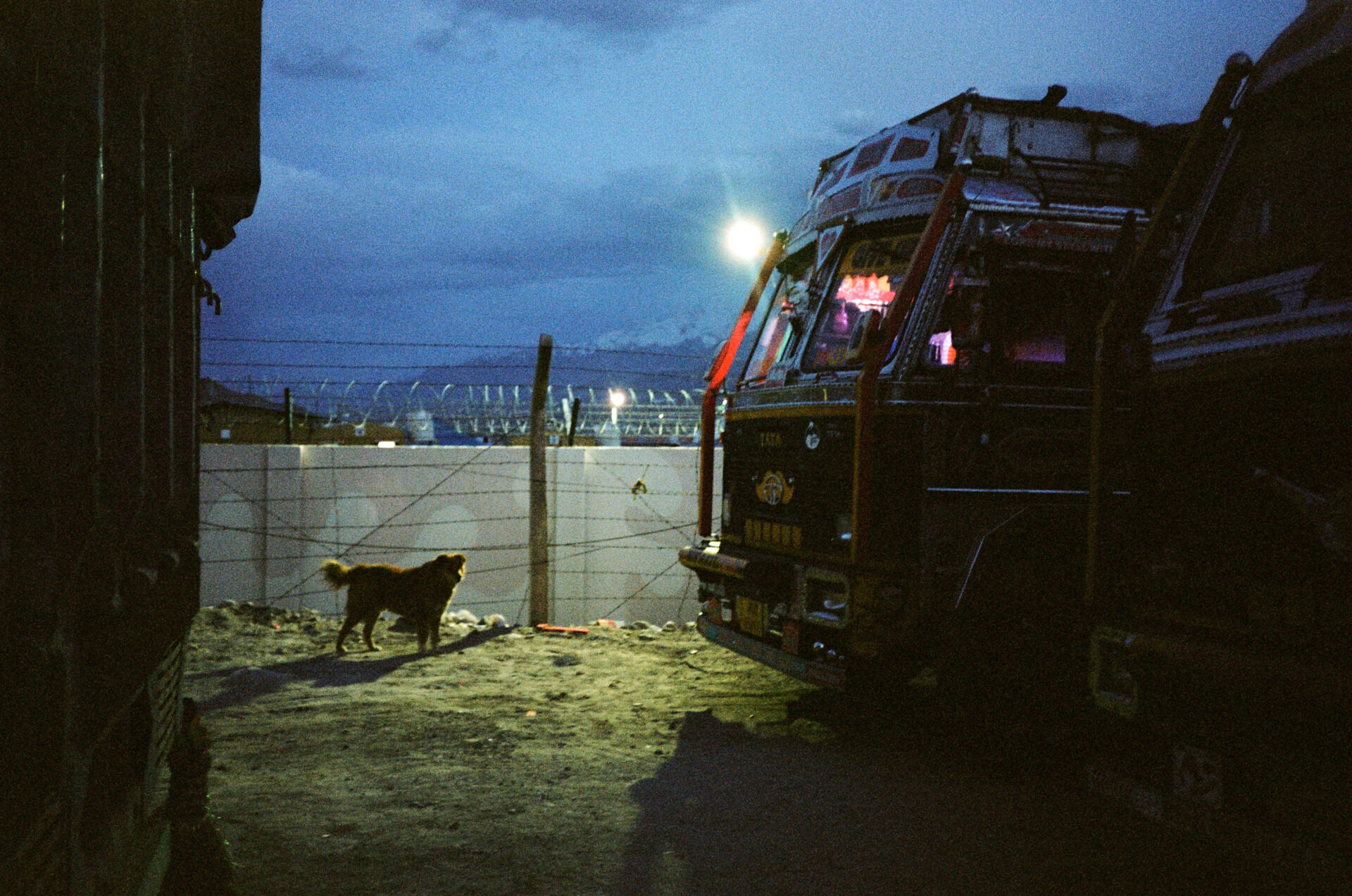
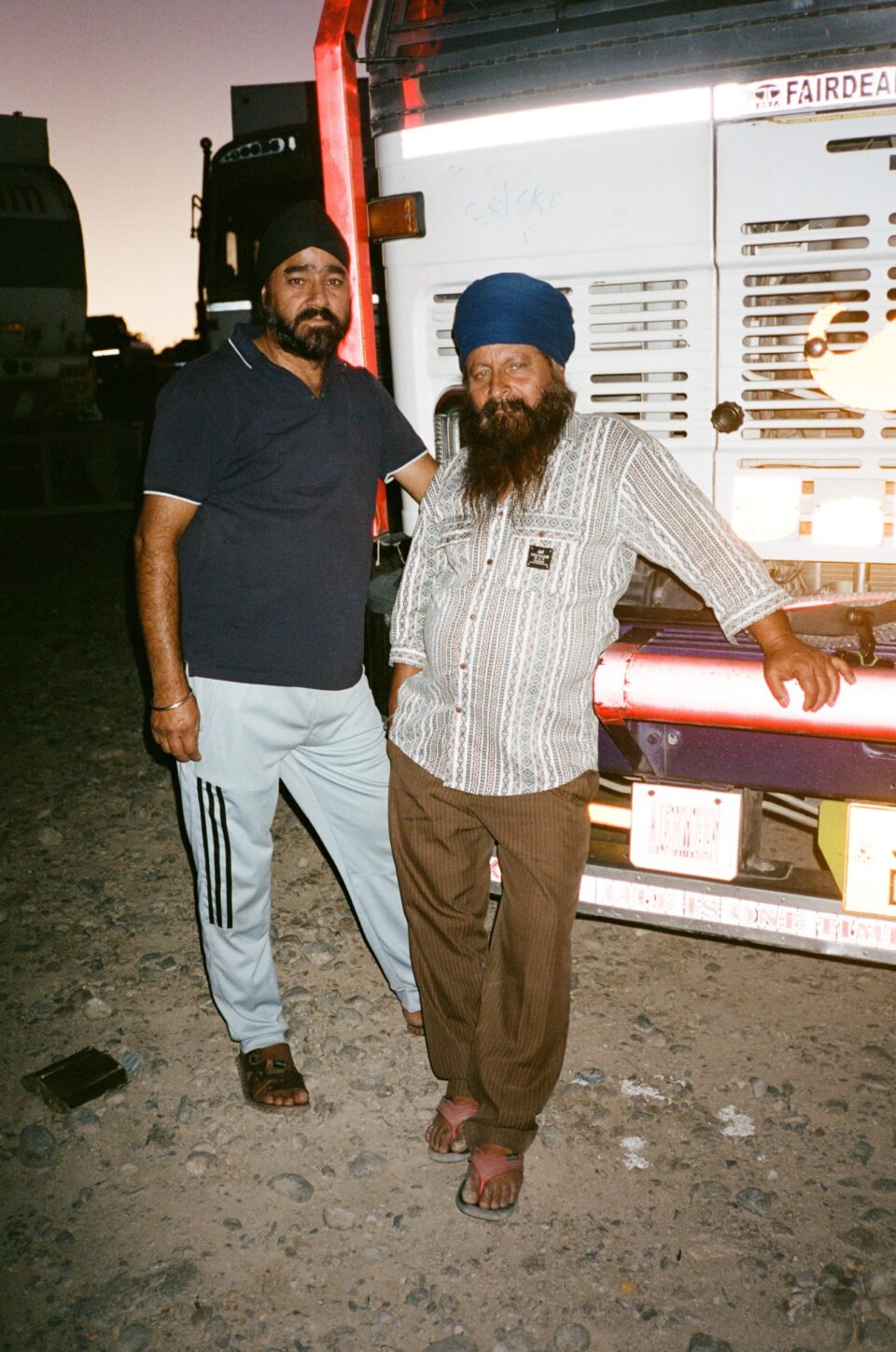
I photographed many of the drivers on the outskirts of Leh, where they sometimes wait for days or even weeks for their cargo to be unloaded. Much of their working life is spent on the road, and the truck gradually becomes more than a vehicle. It is also a place to sleep, cook, eat, rest and wait.
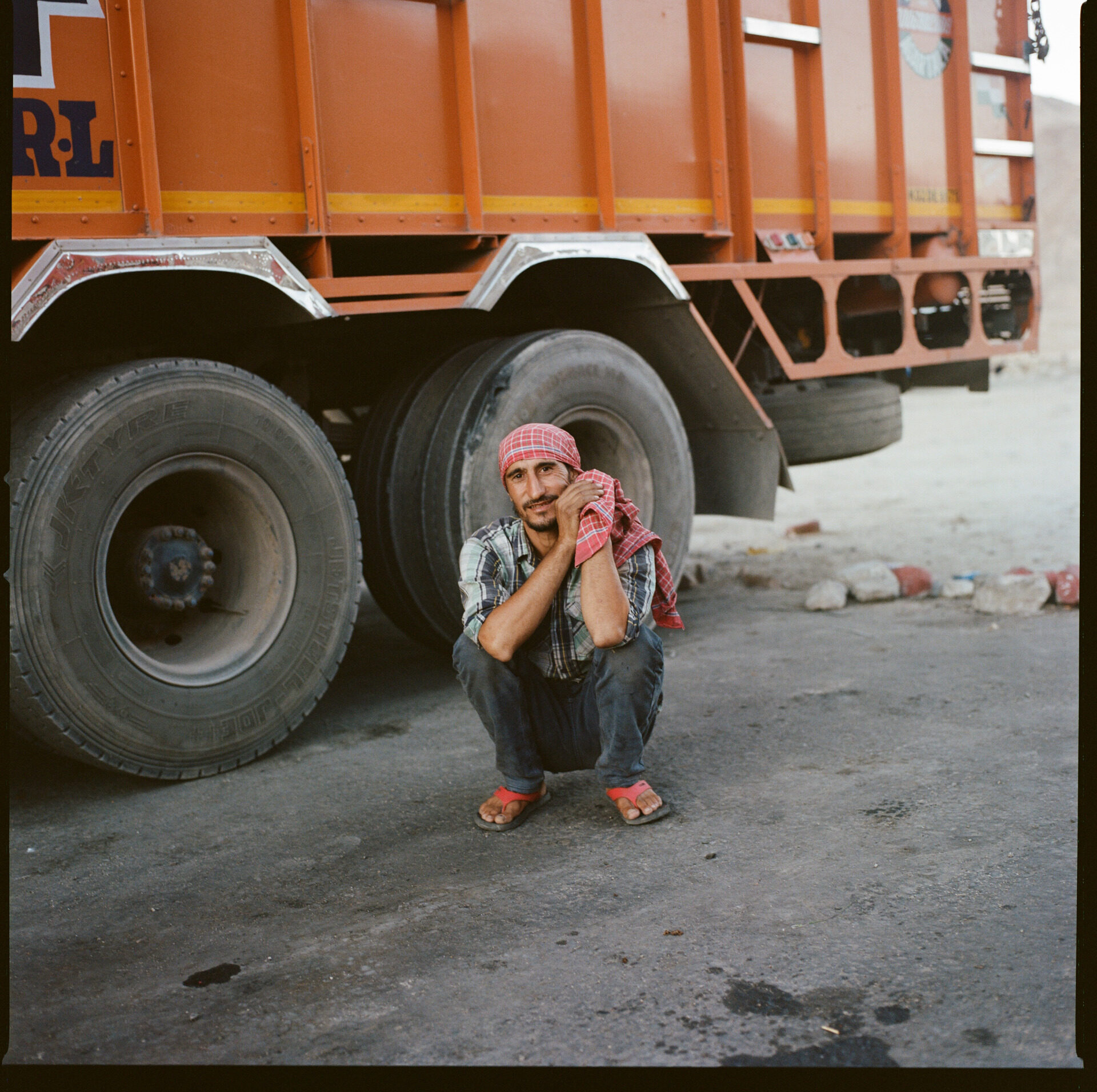
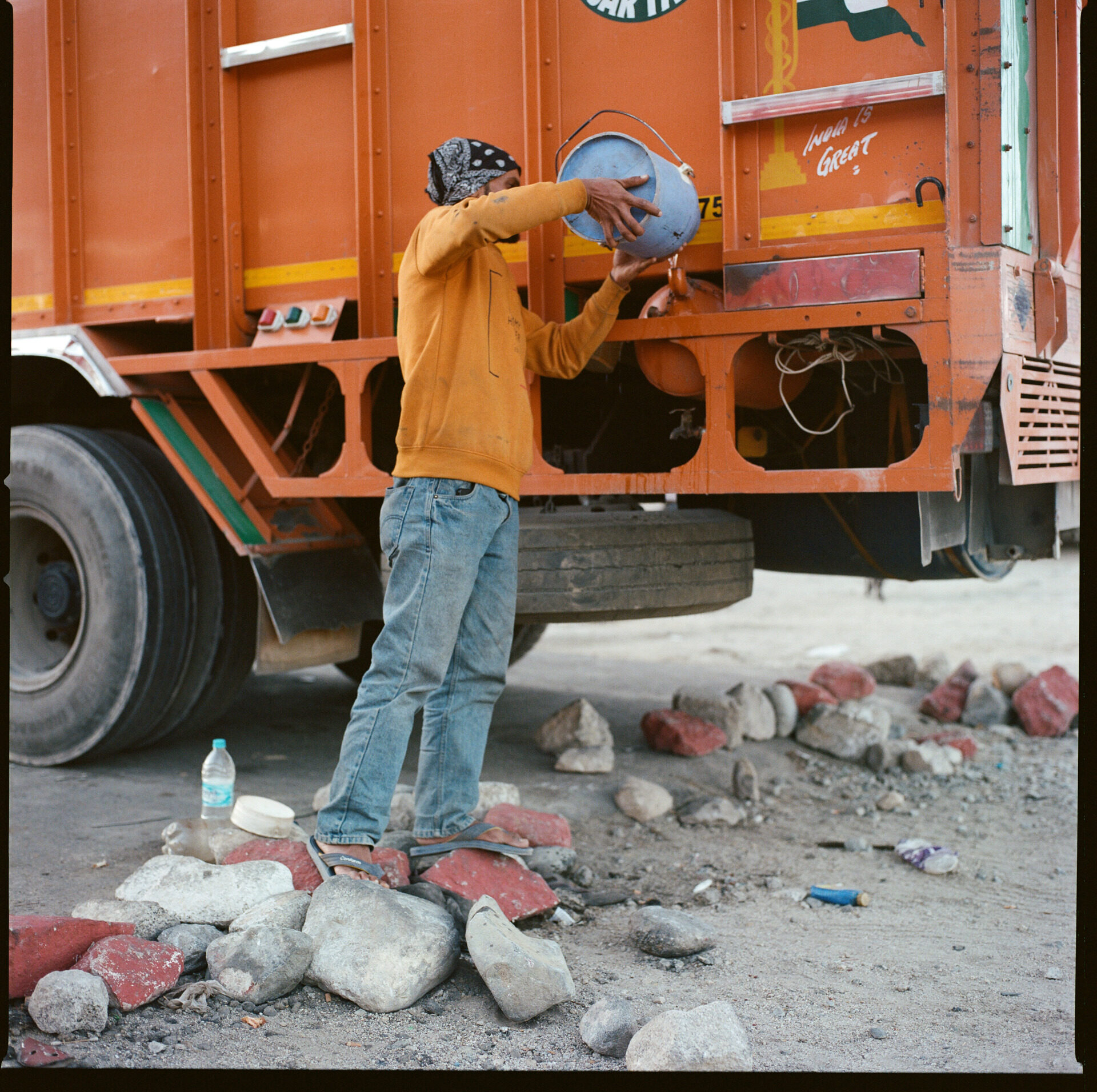
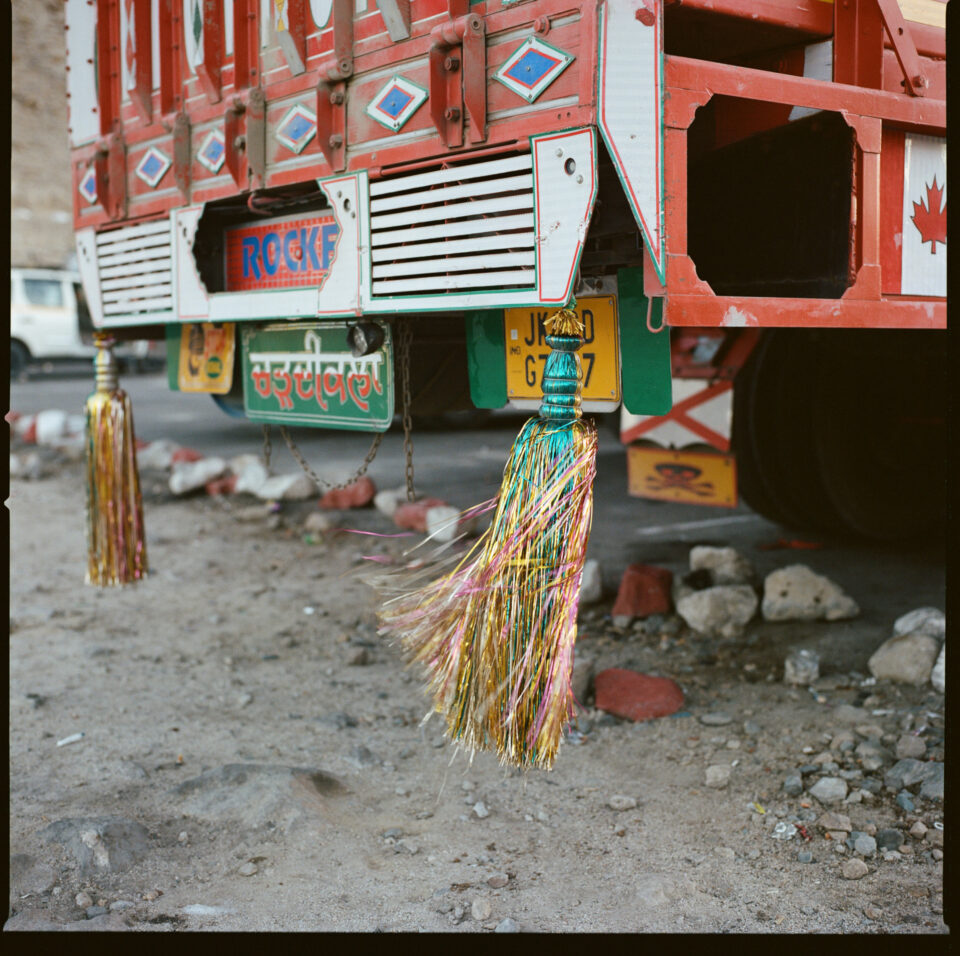
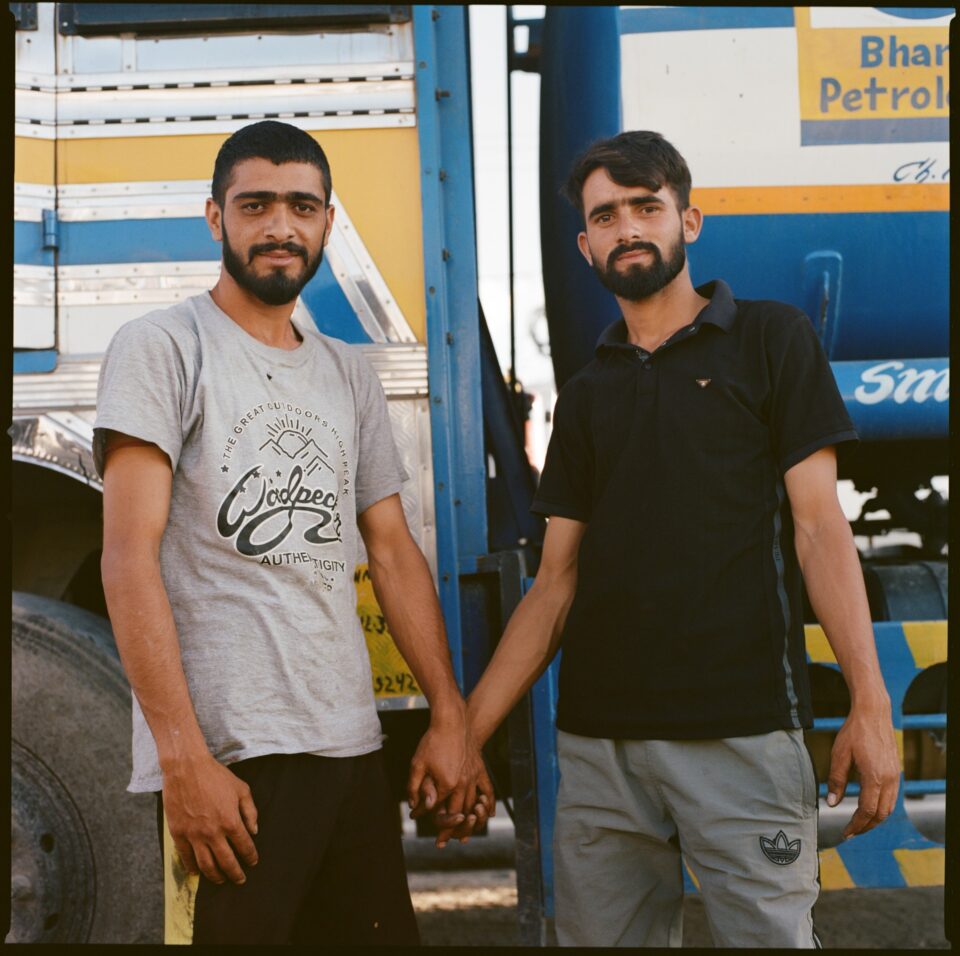
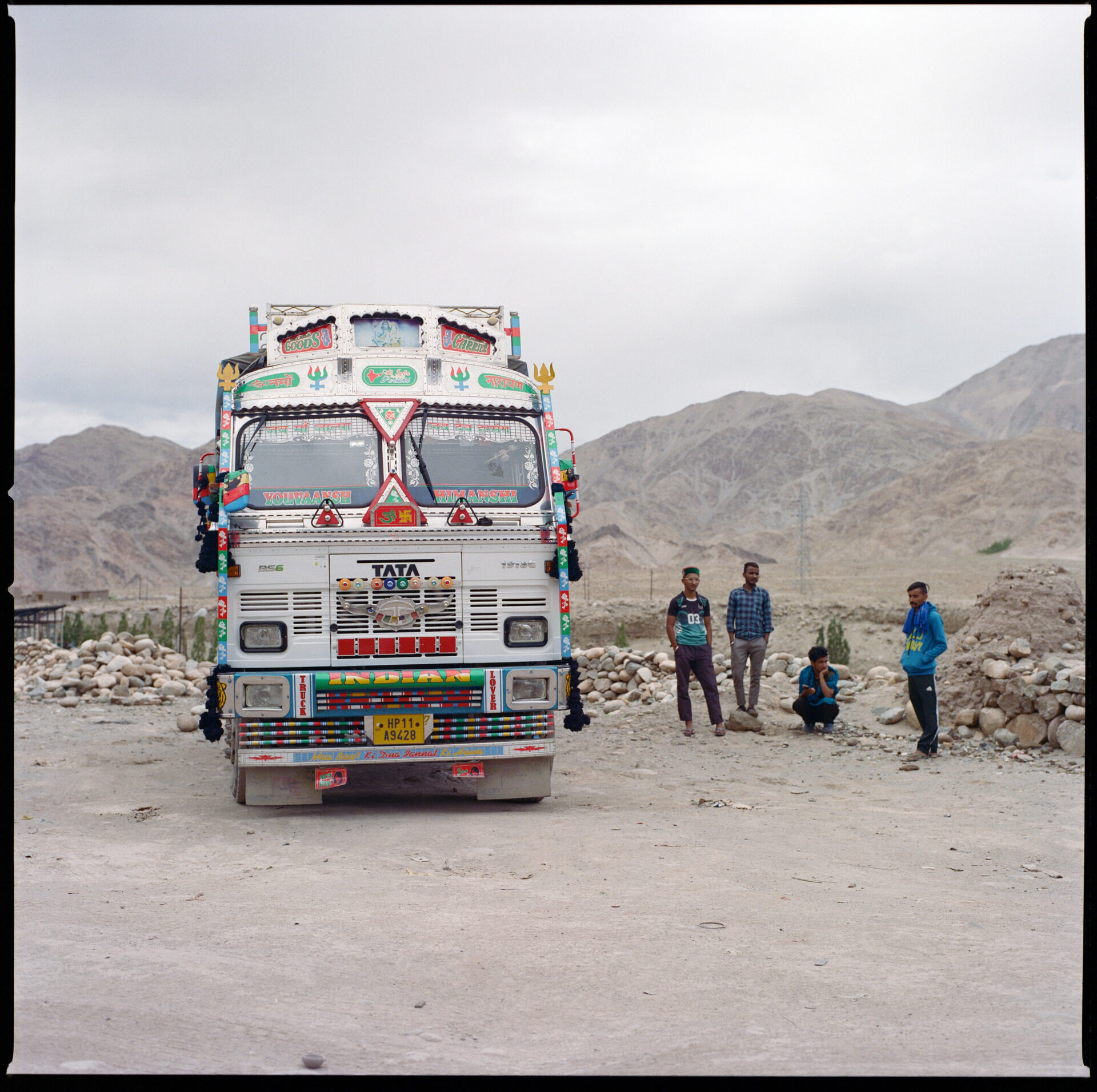
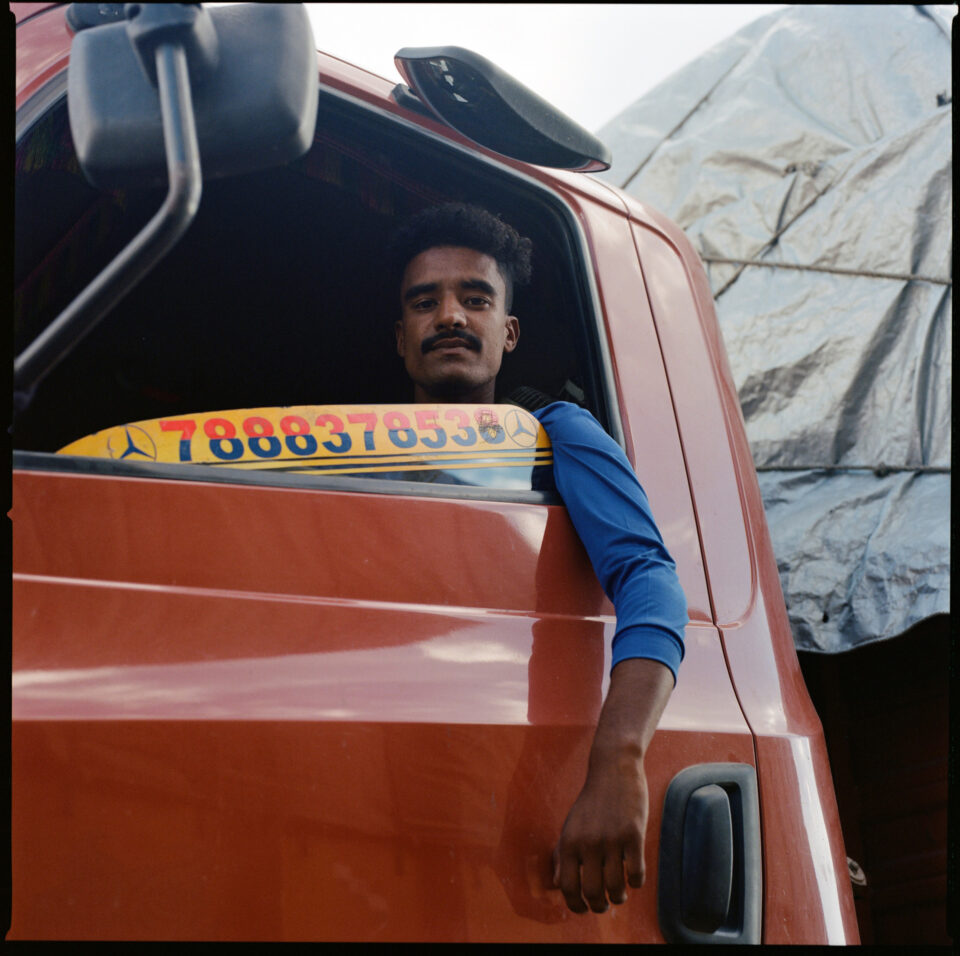
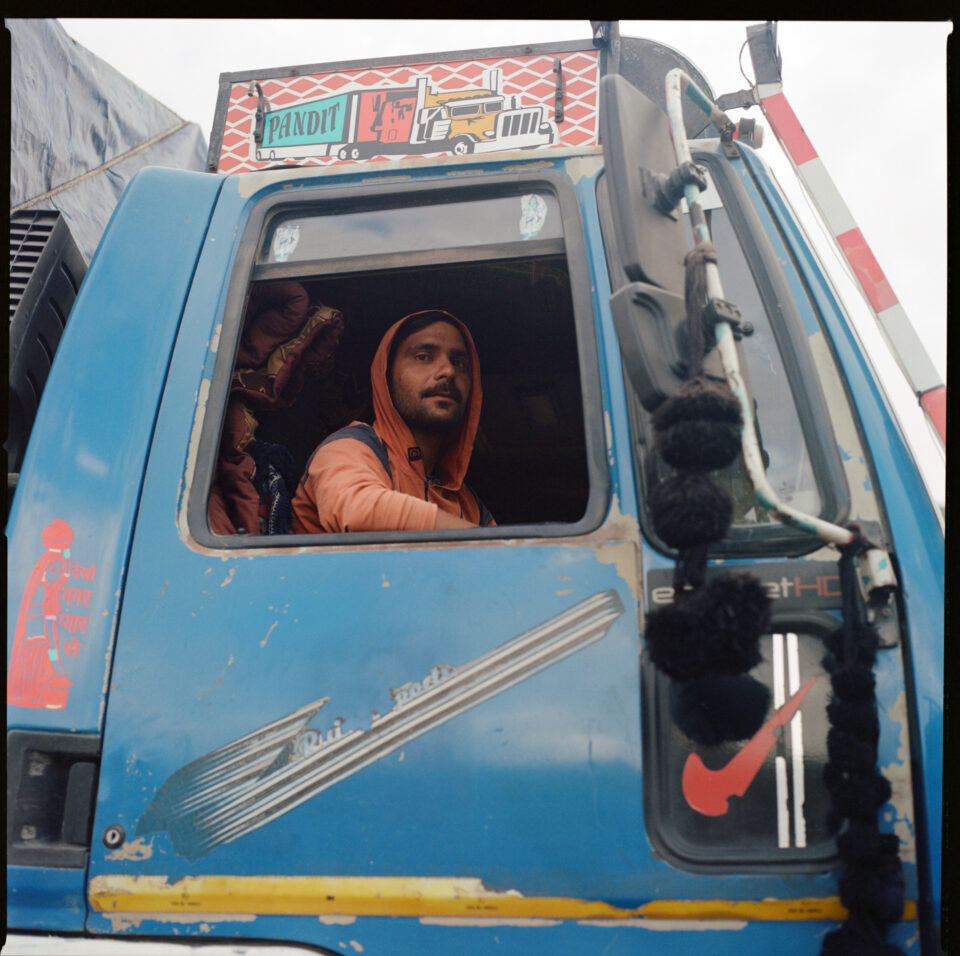
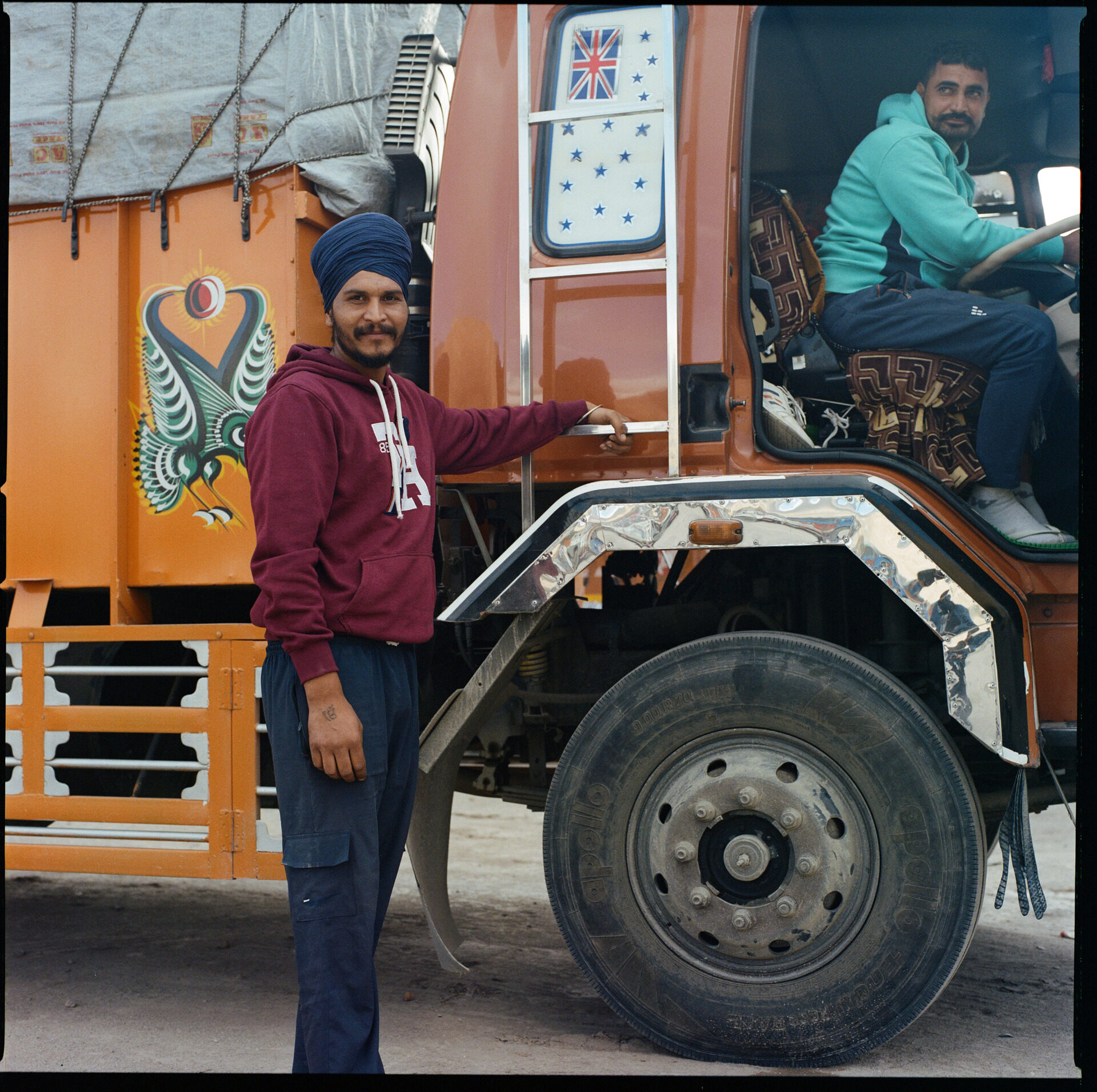
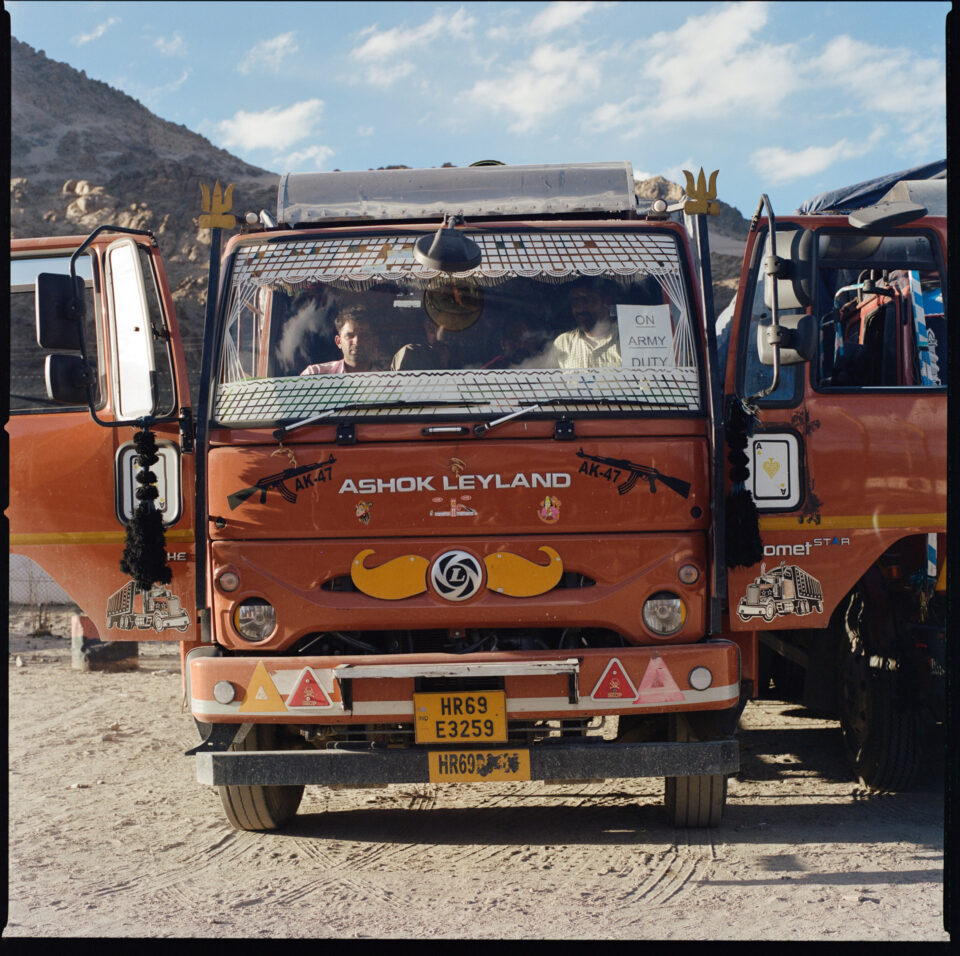
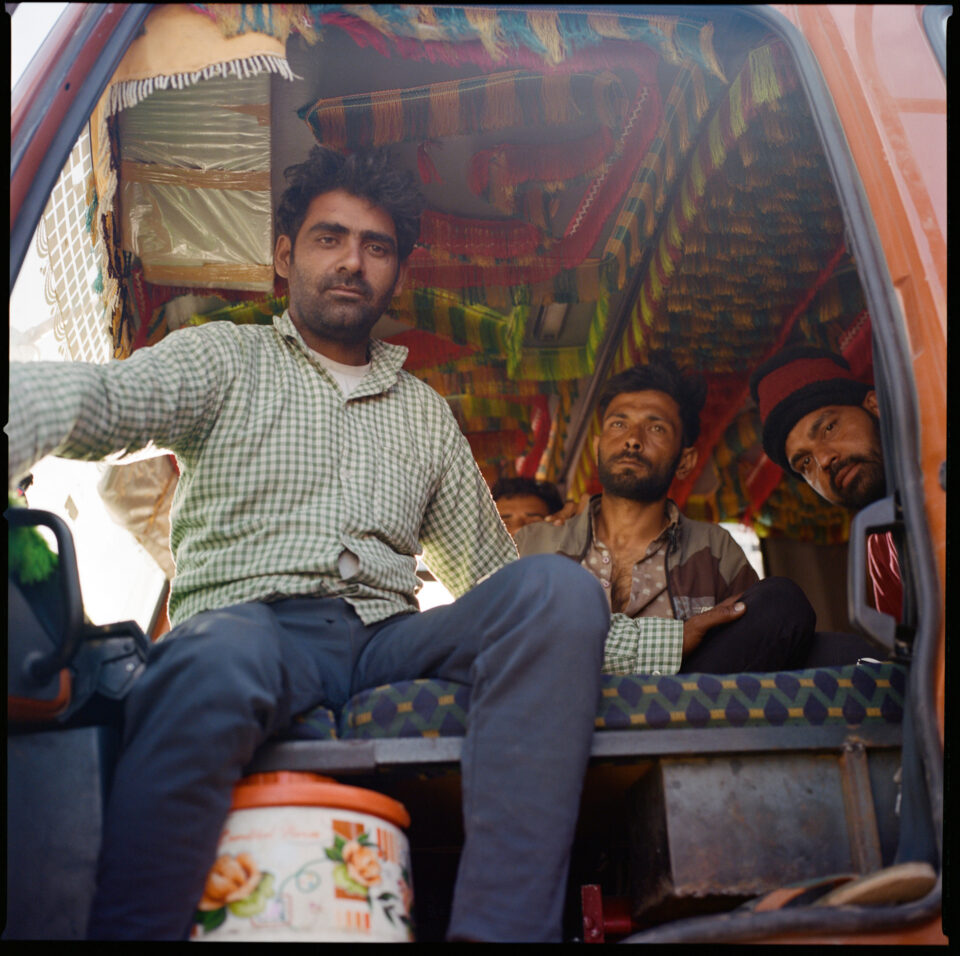
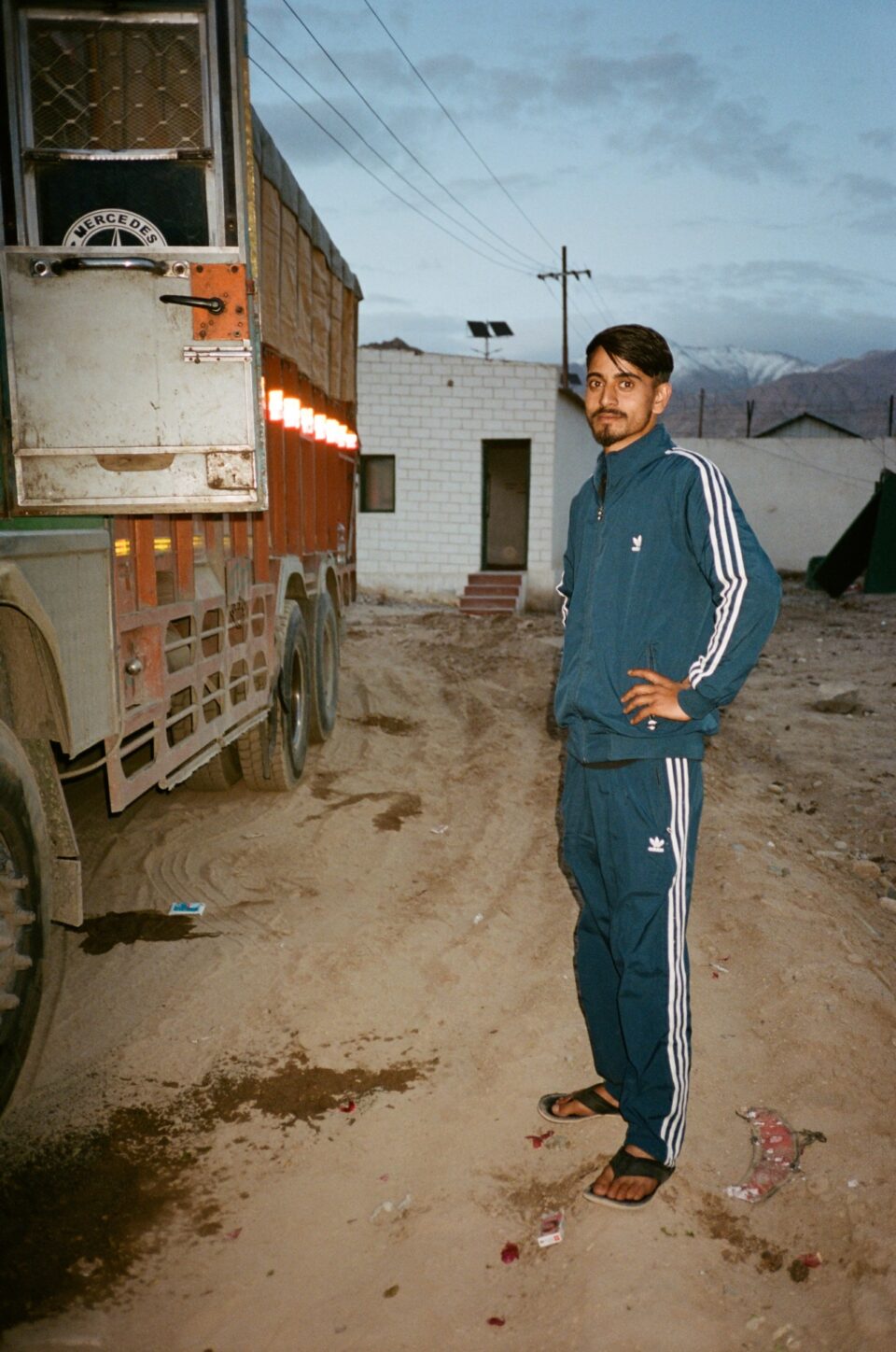
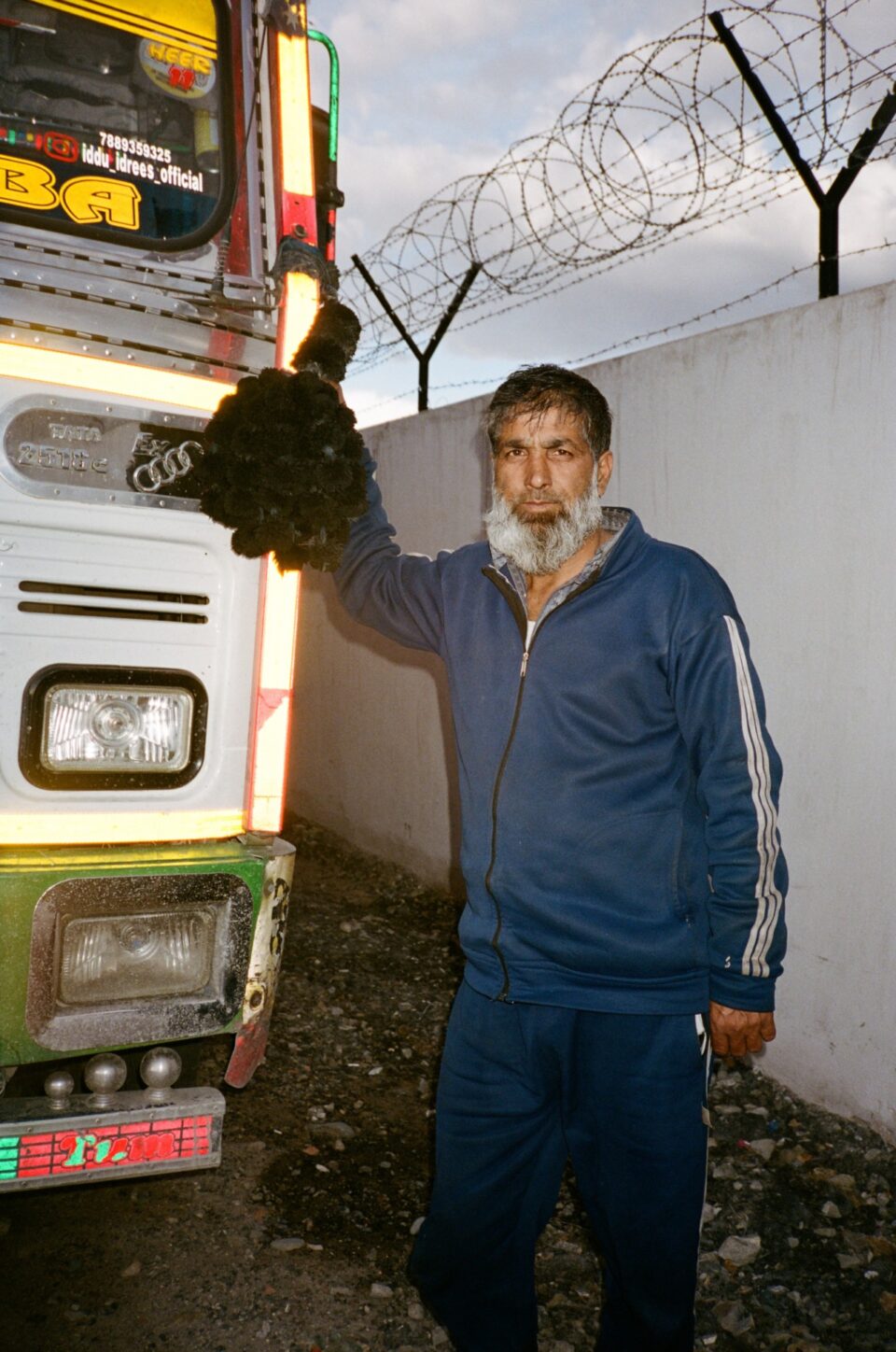
I was drawn to the drivers themselves as much as to their trucks. Many met my camera with a striking sense of self-possession and directness. Their work is physically demanding and often keeps them away from home for long periods, yet I was repeatedly struck by their openness and hospitality. Some invited me, a complete stranger, to sit with them and share their evening meal. These encounters gradually brought me closer to the world that exists around and inside the trucks.
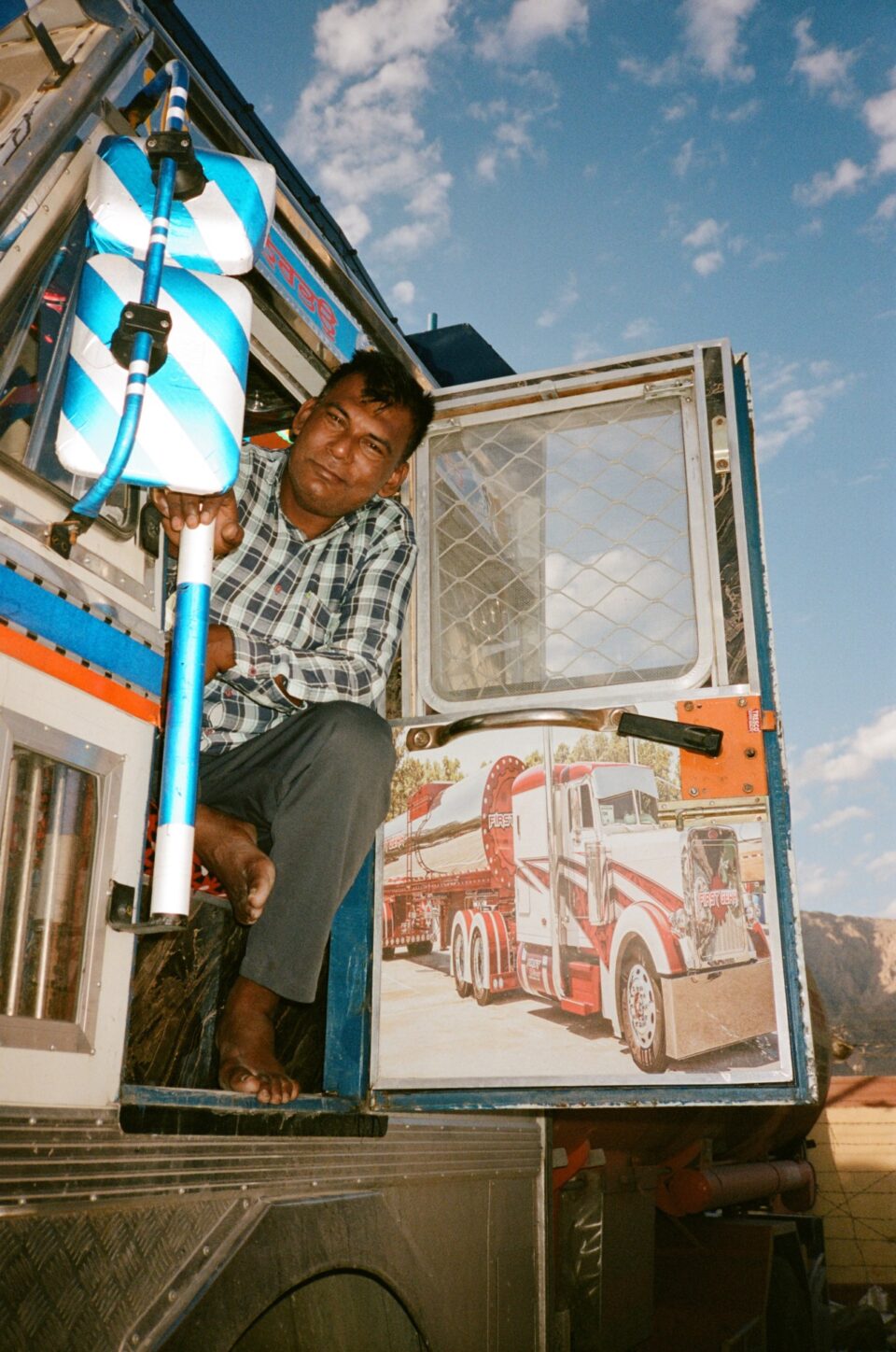
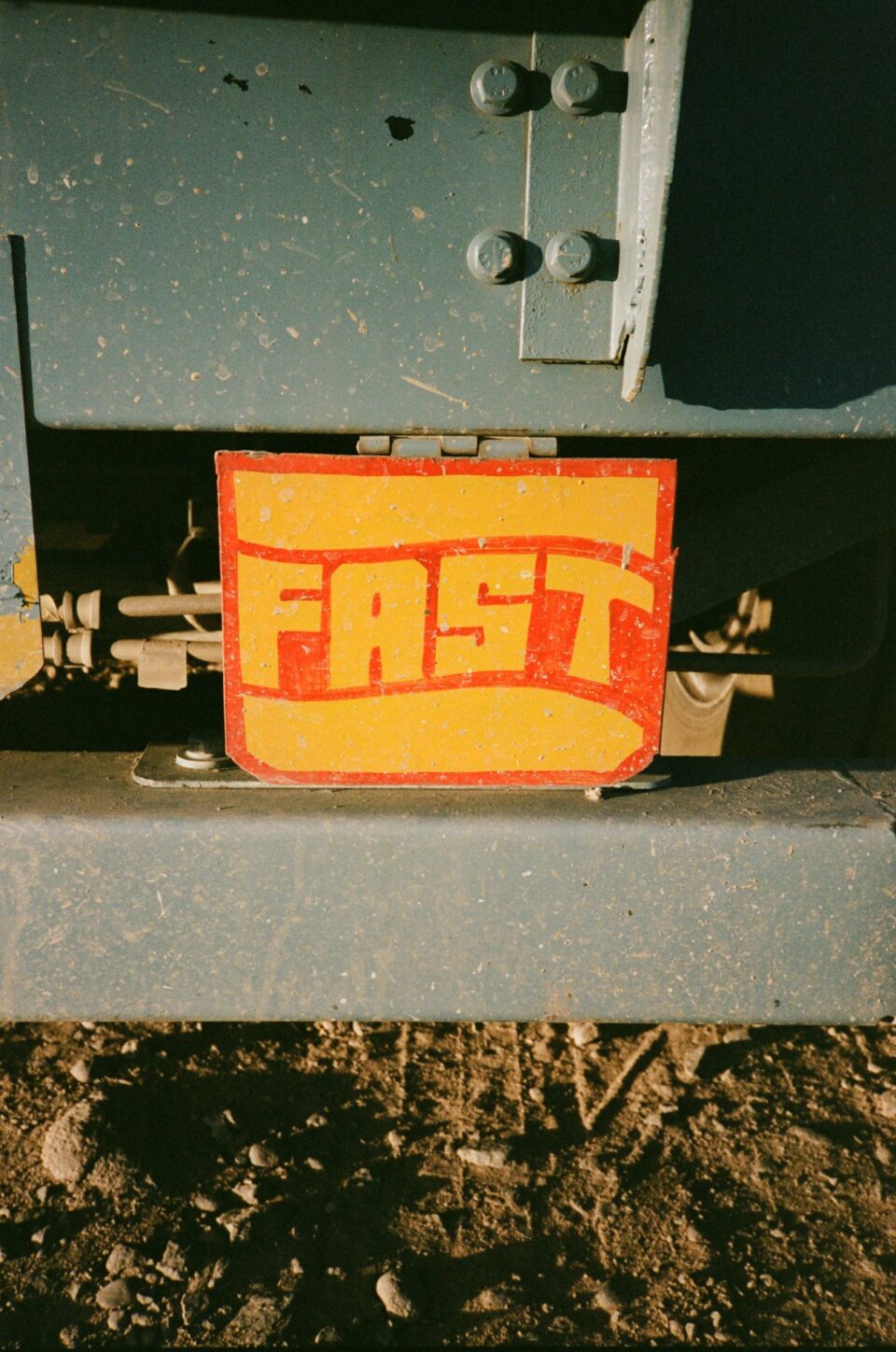
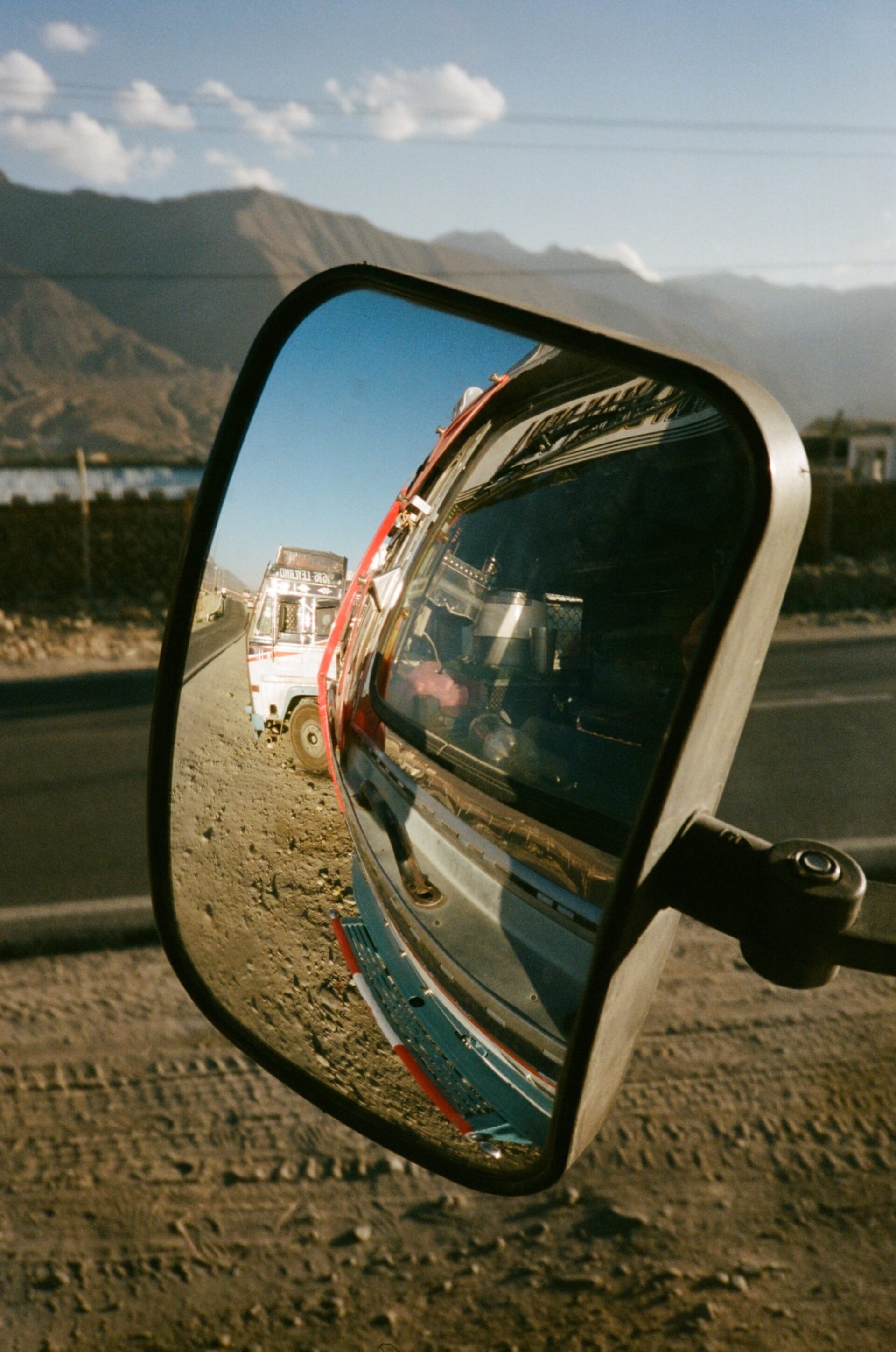
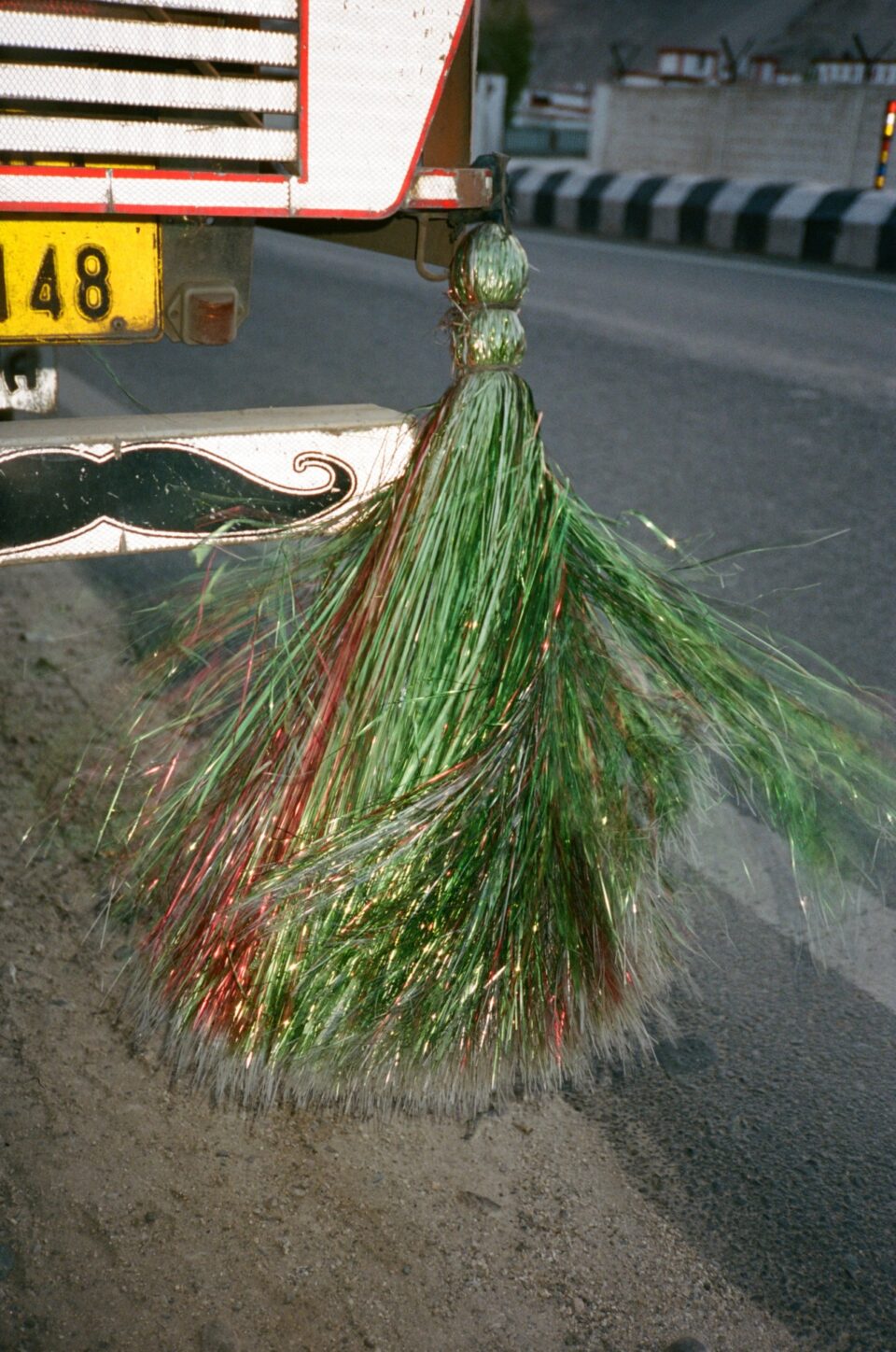
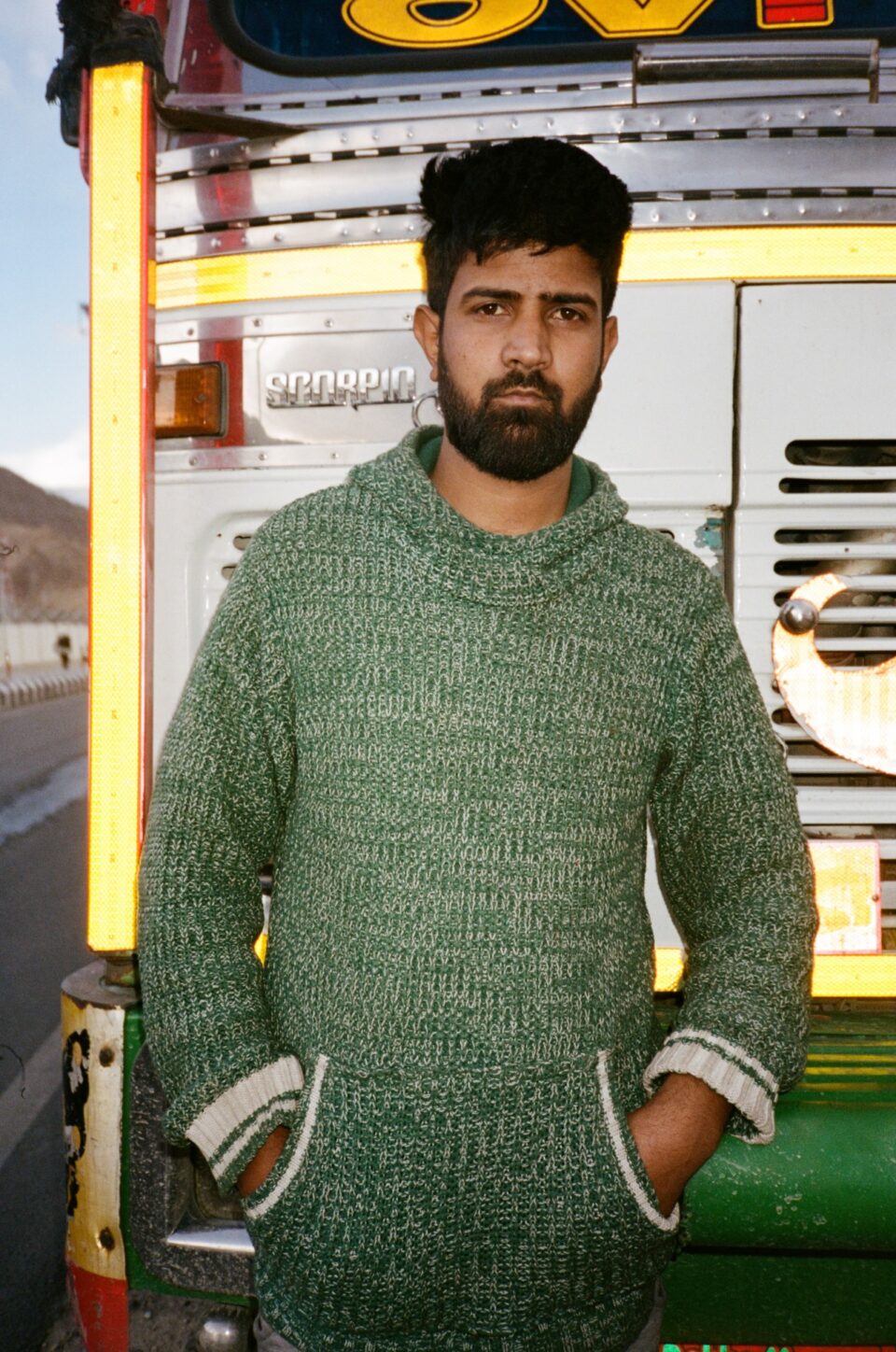
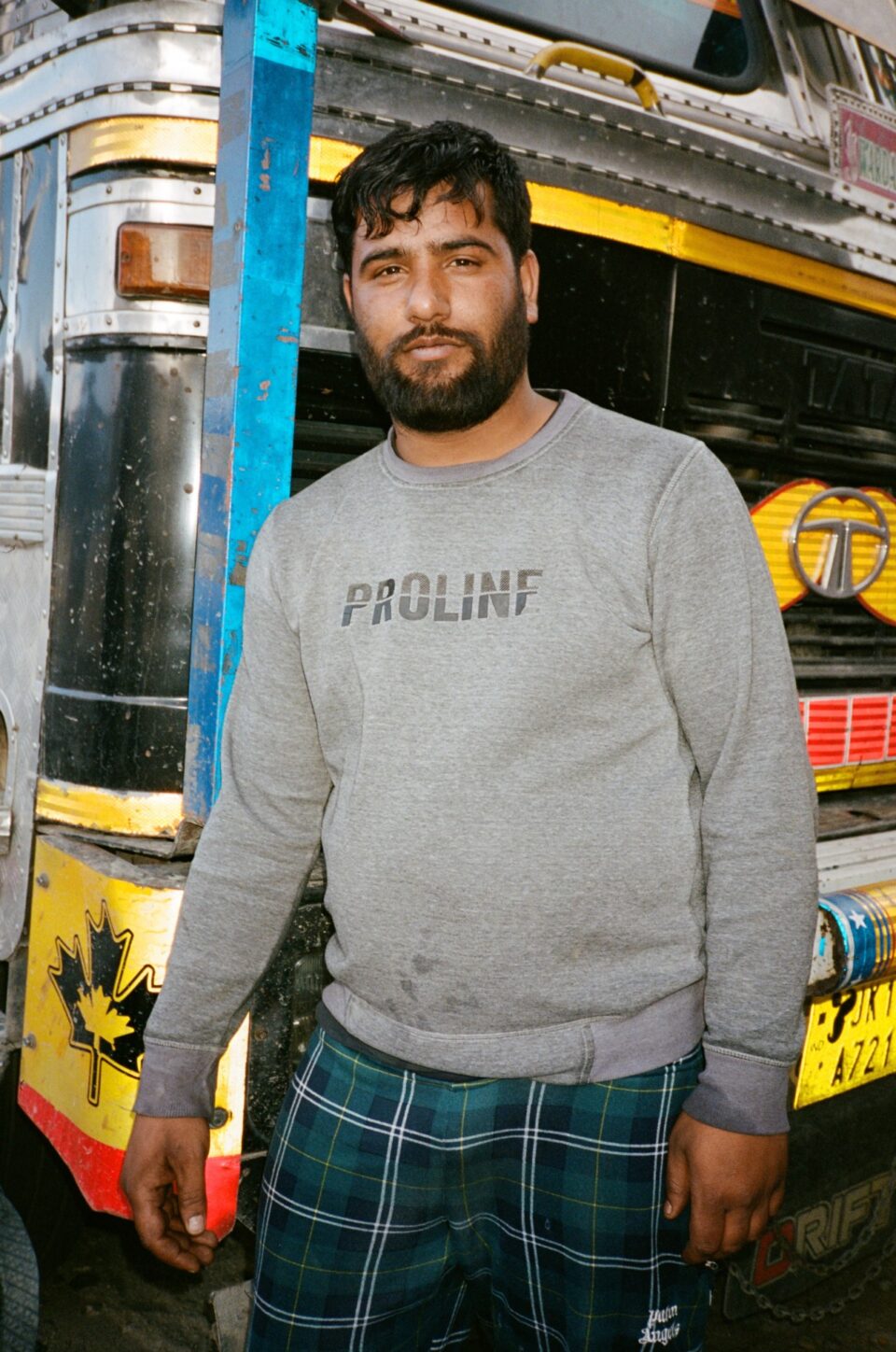
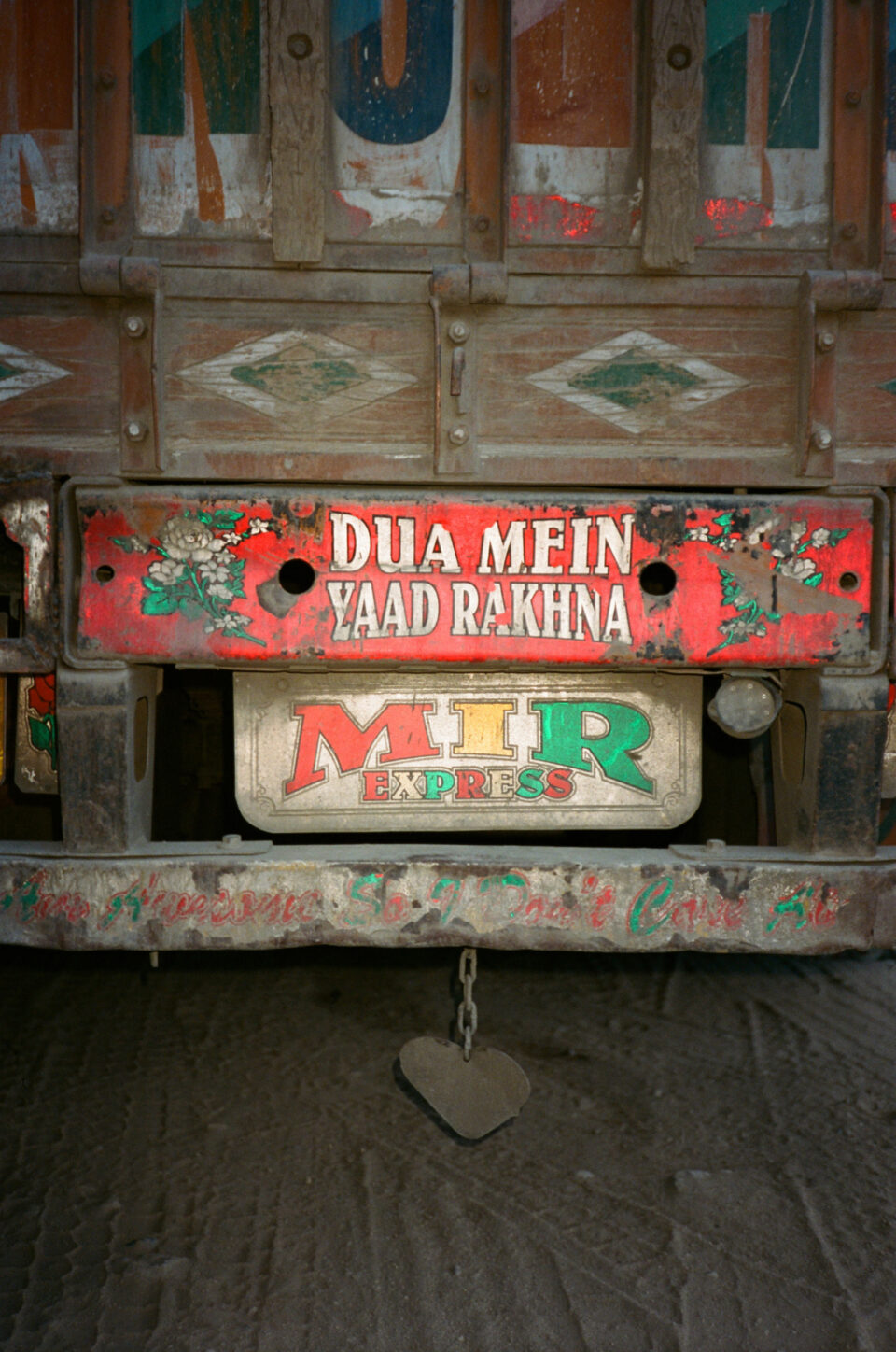
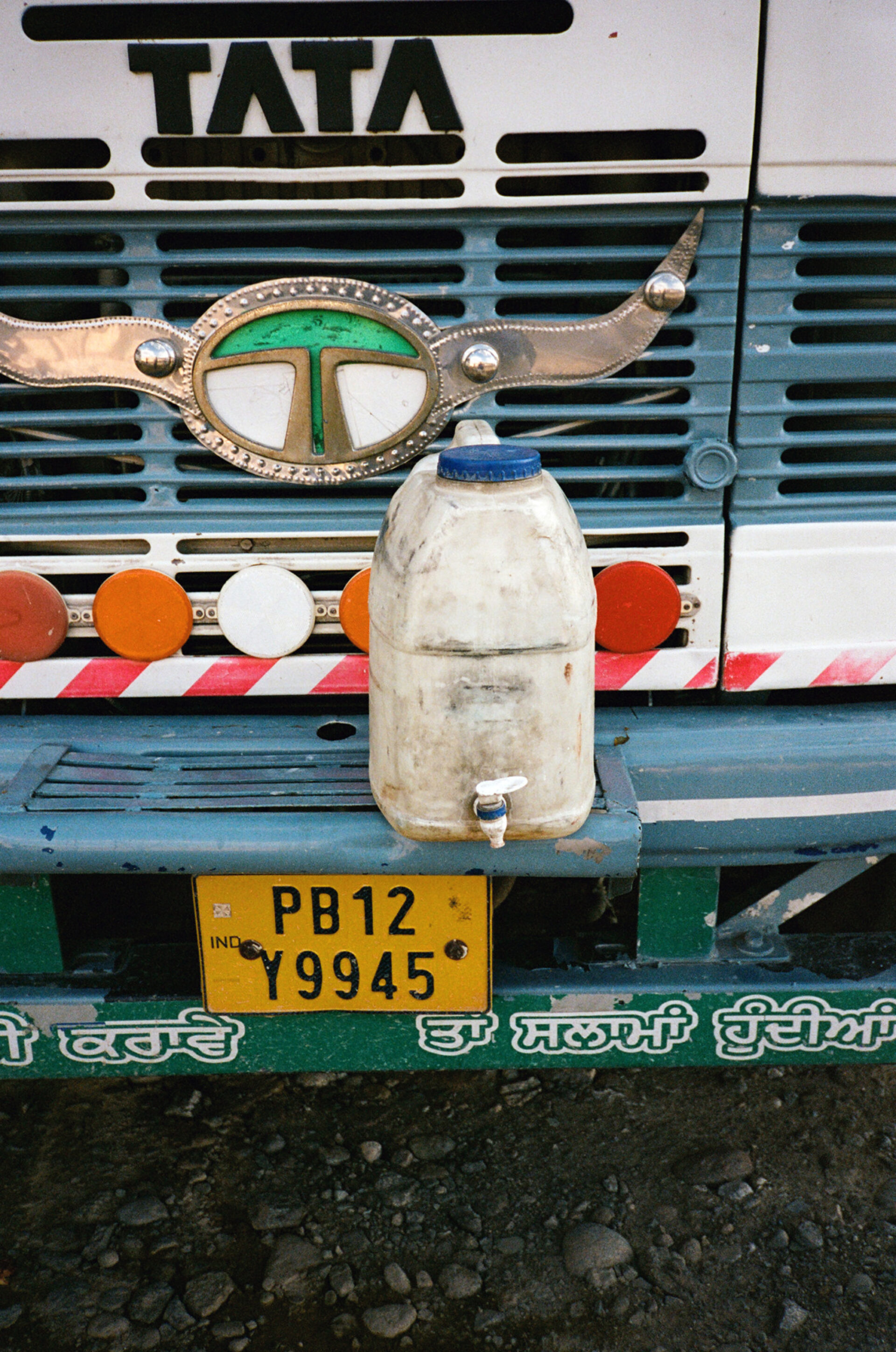
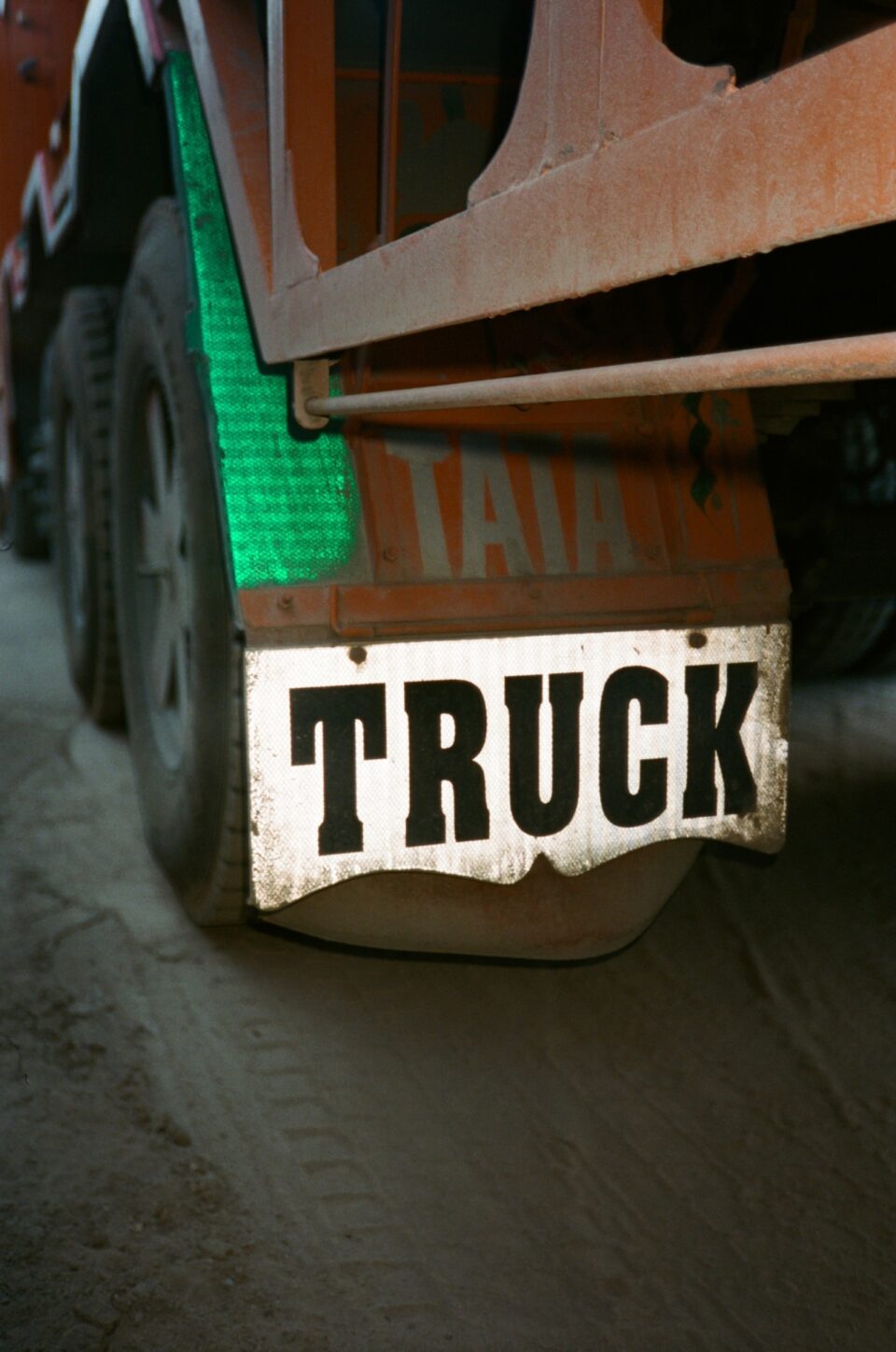
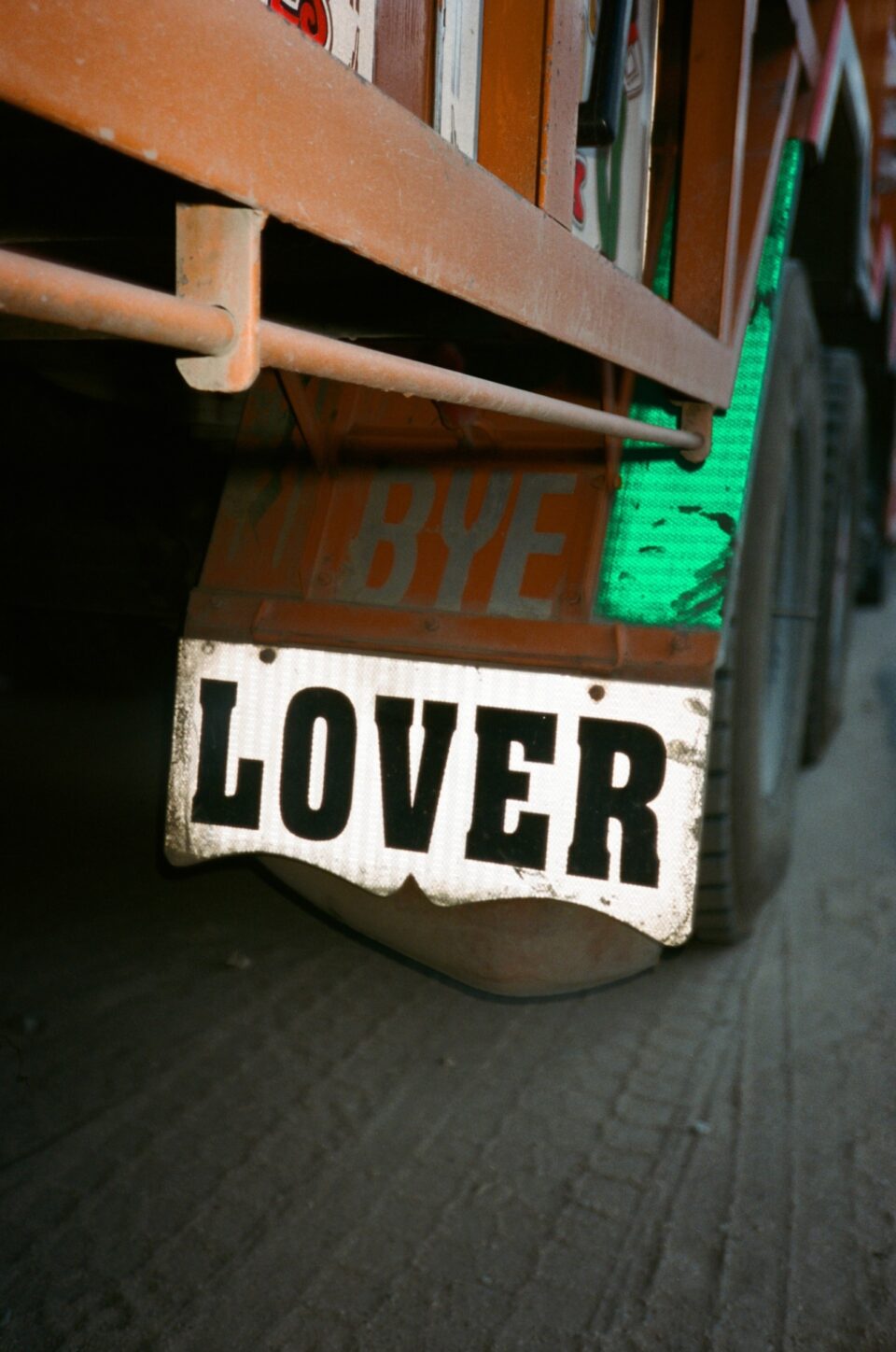
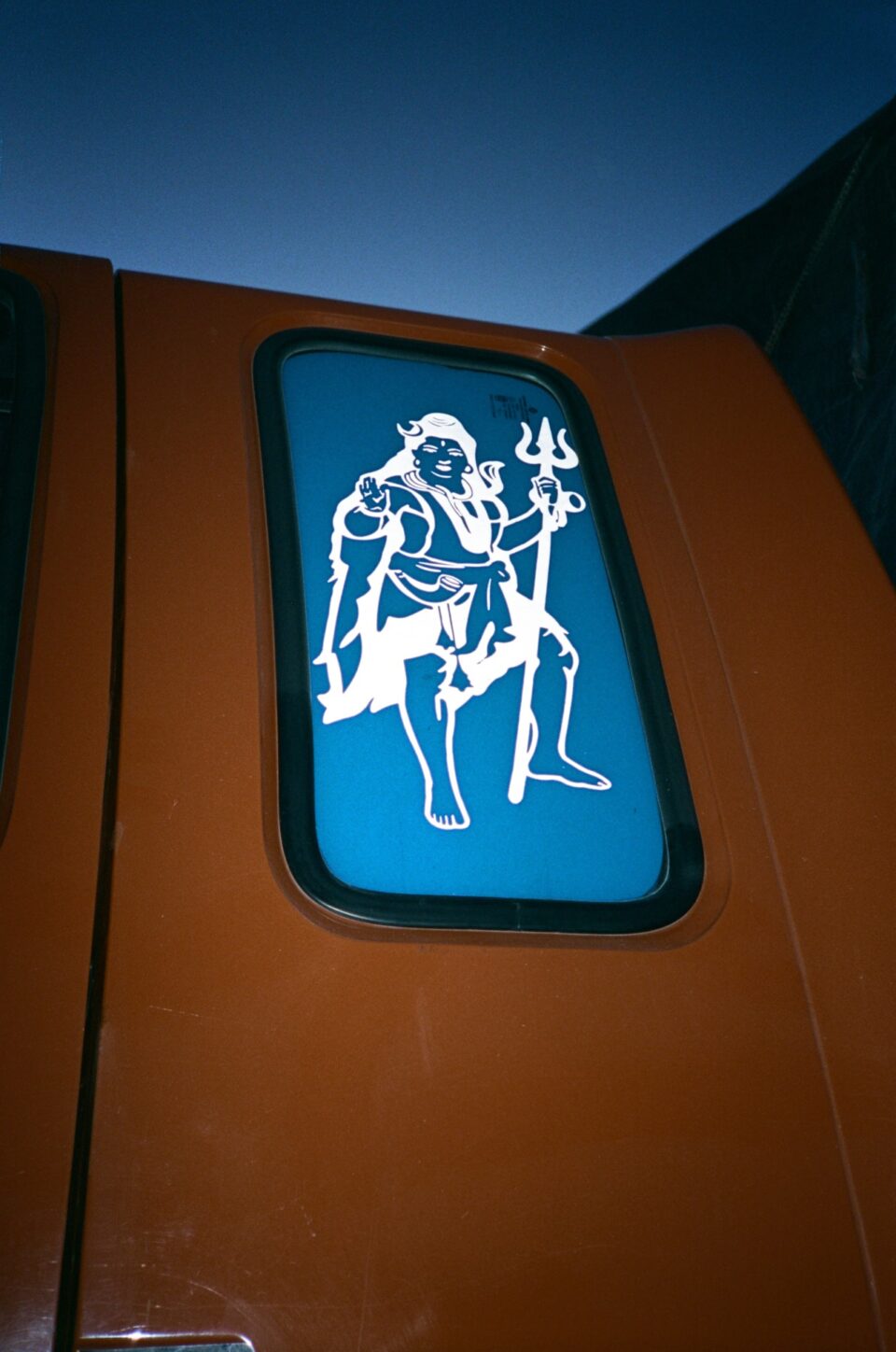
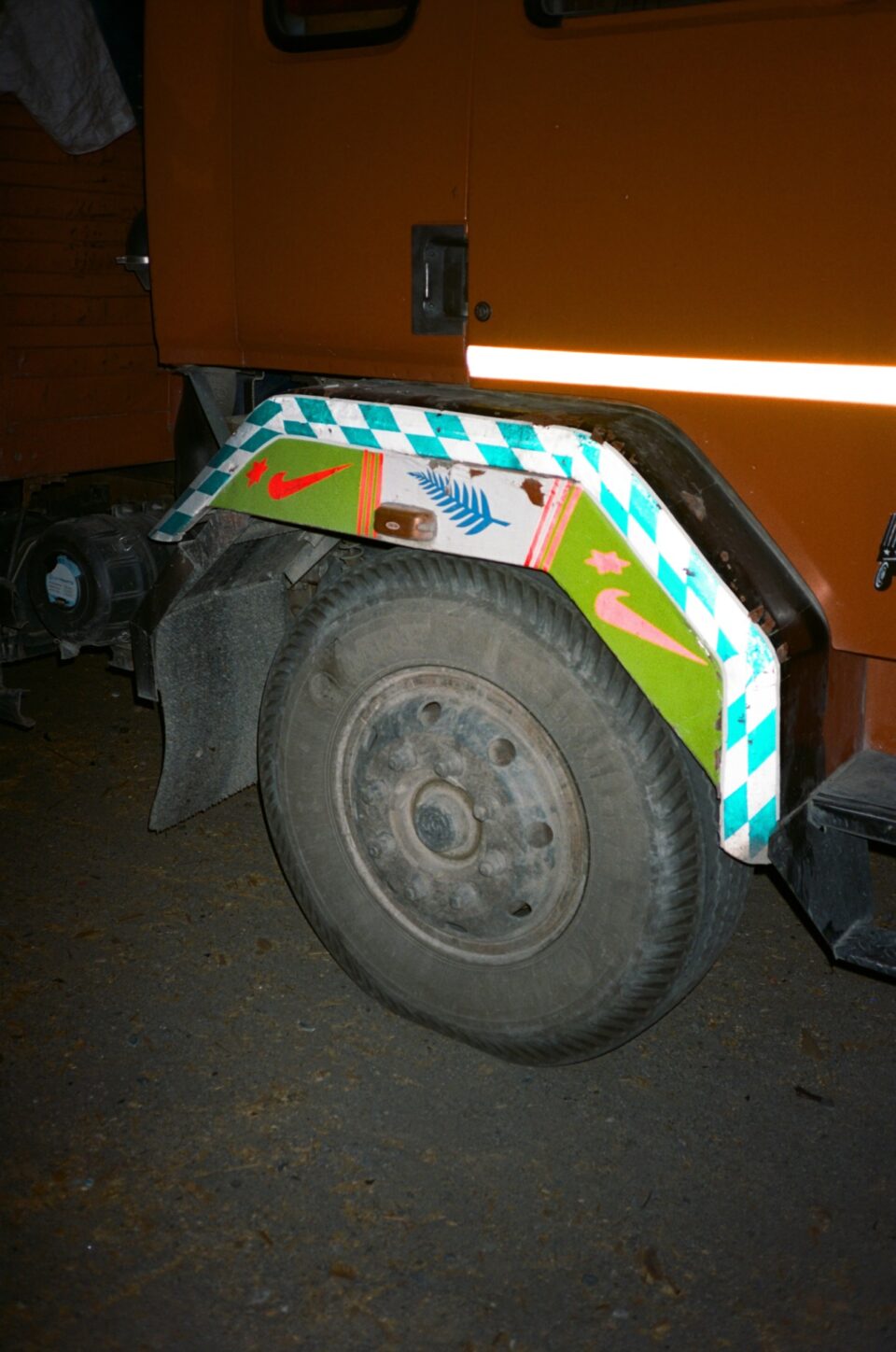
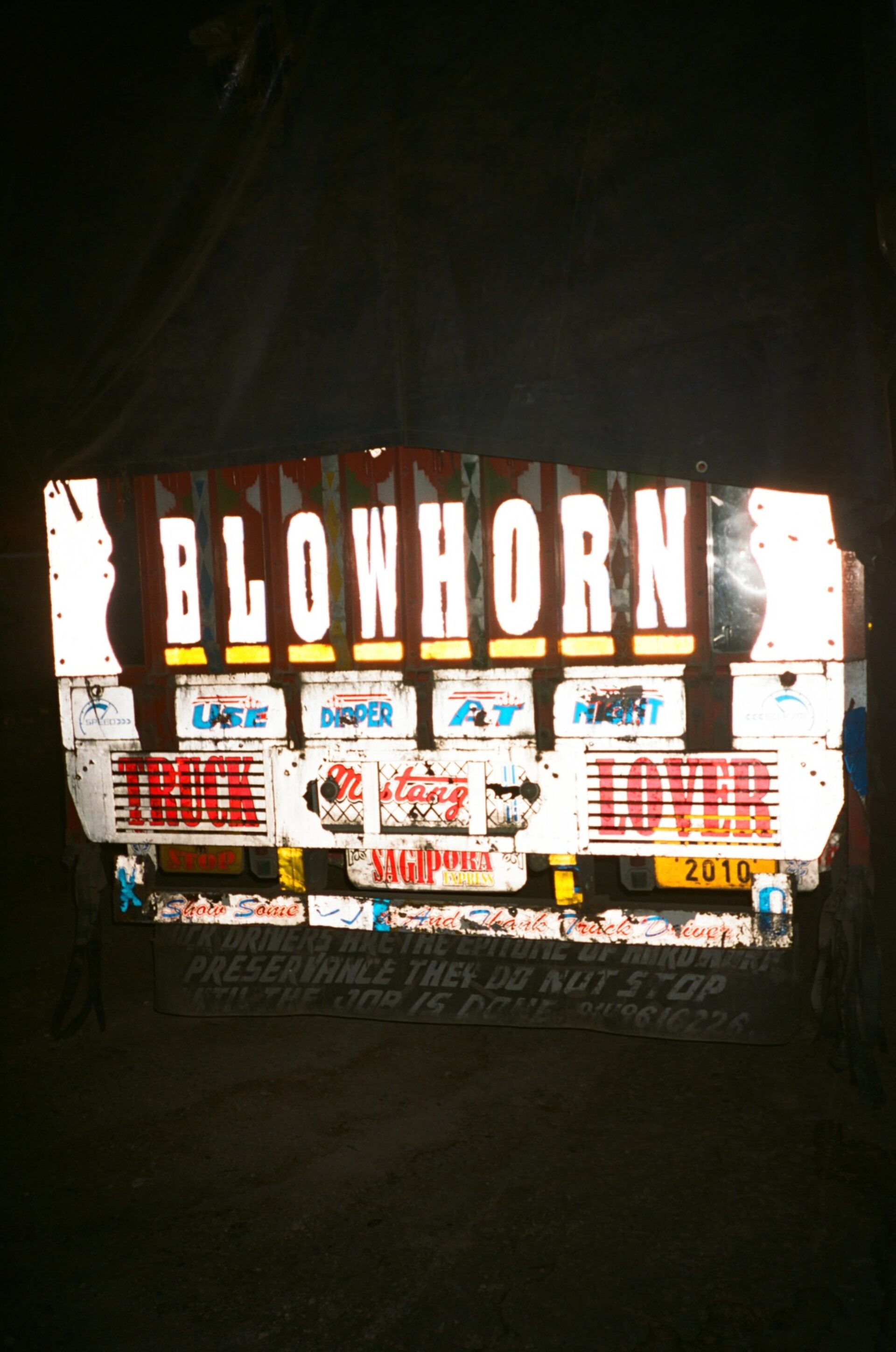
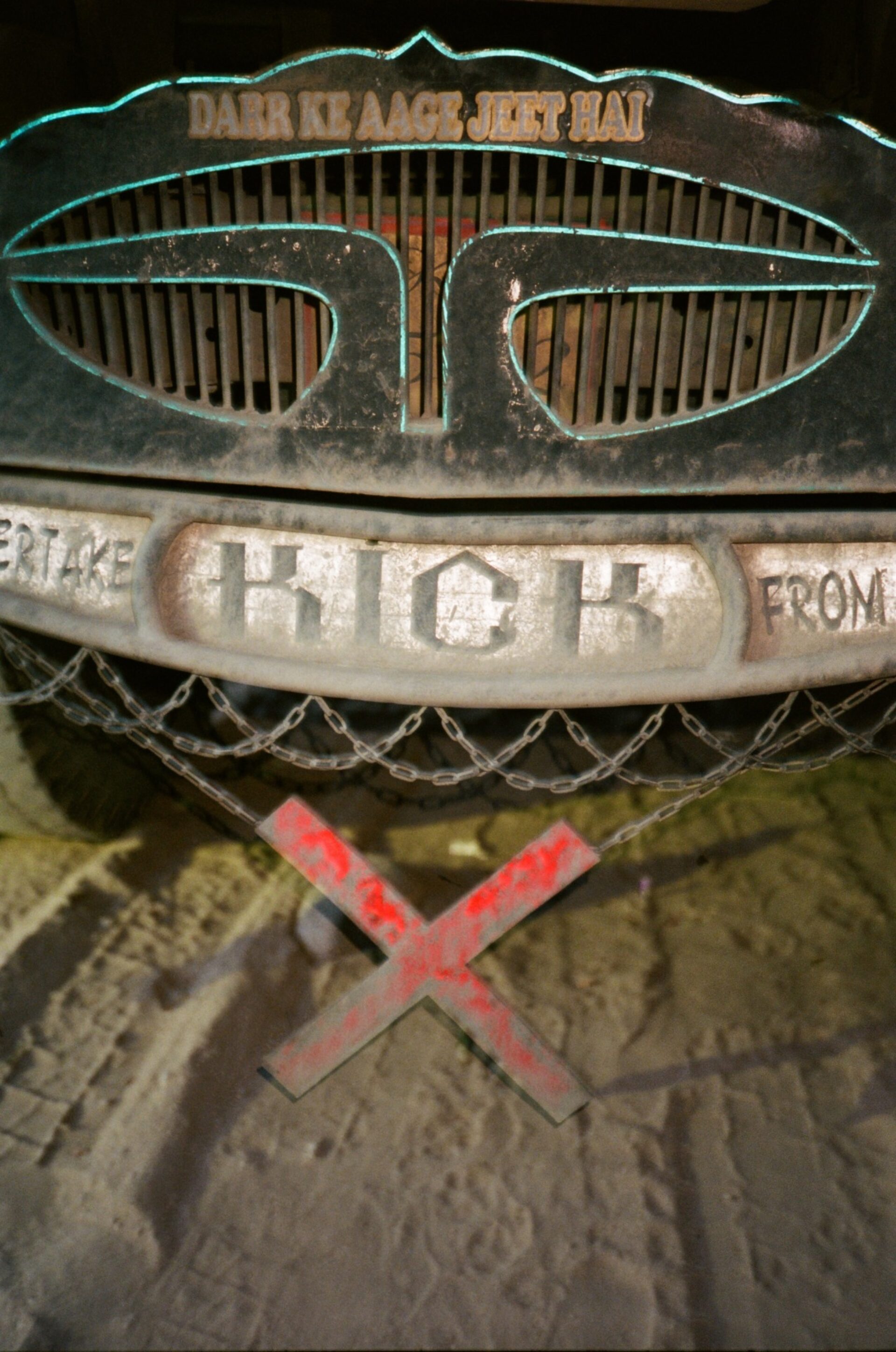
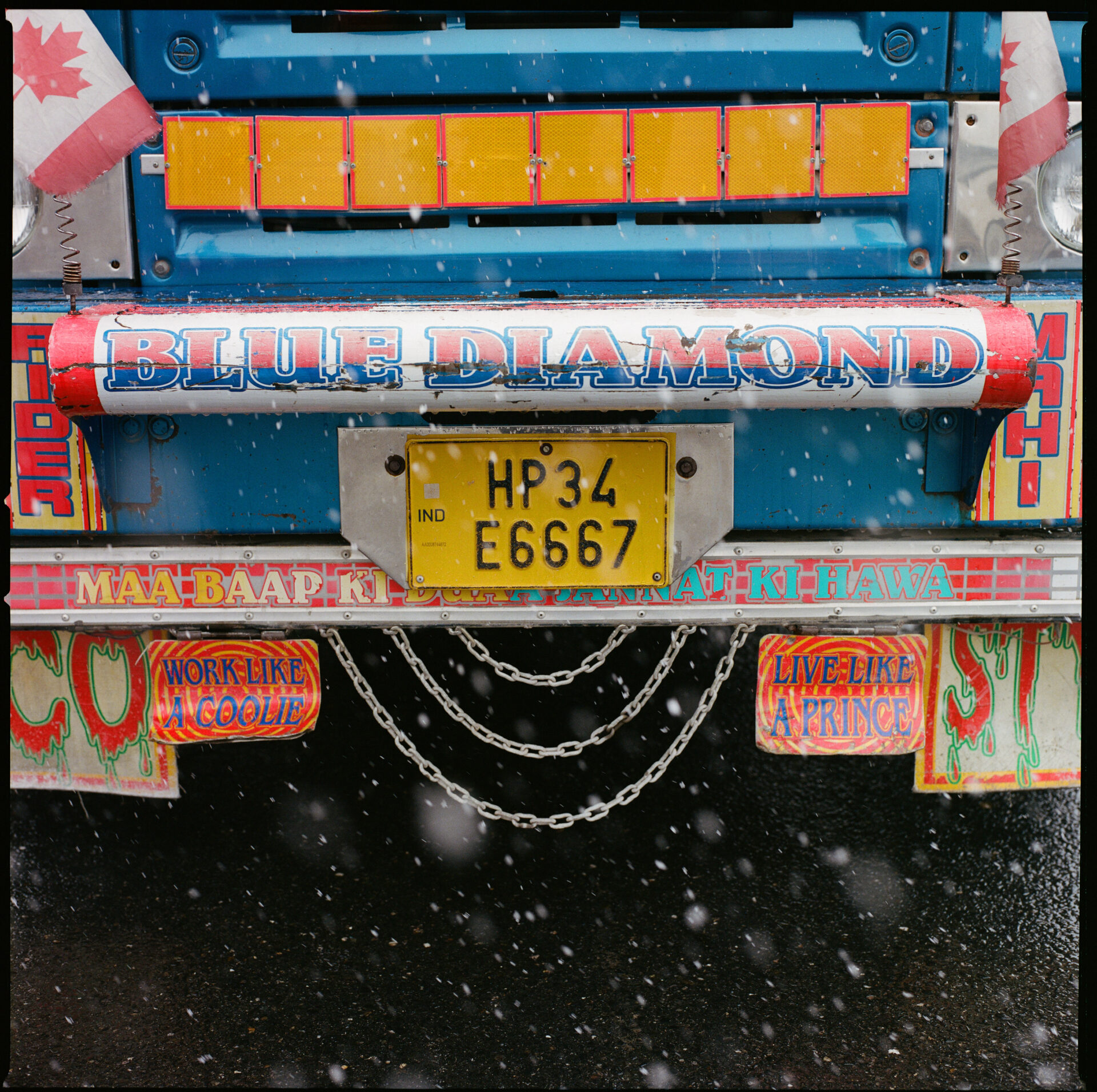
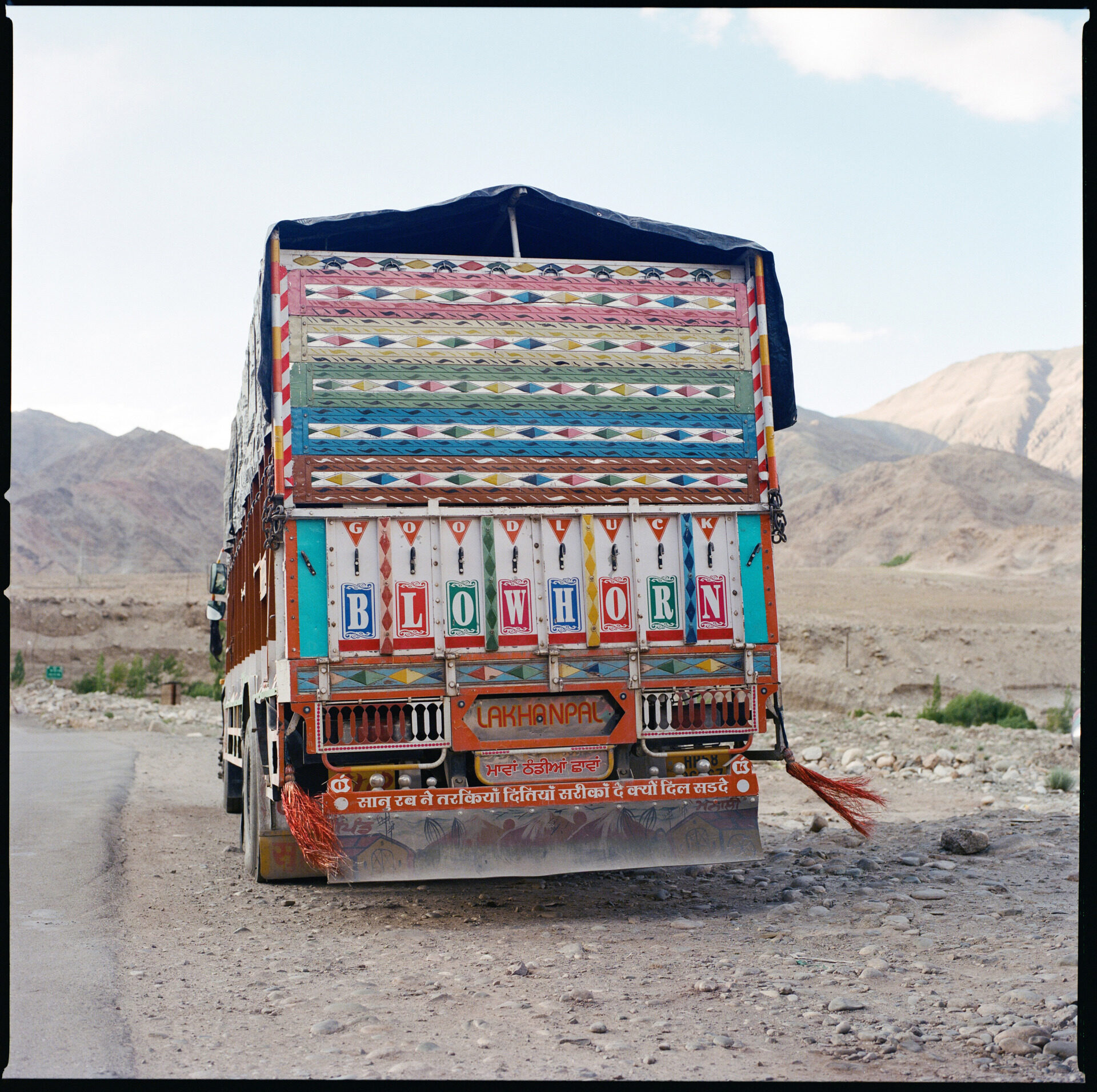
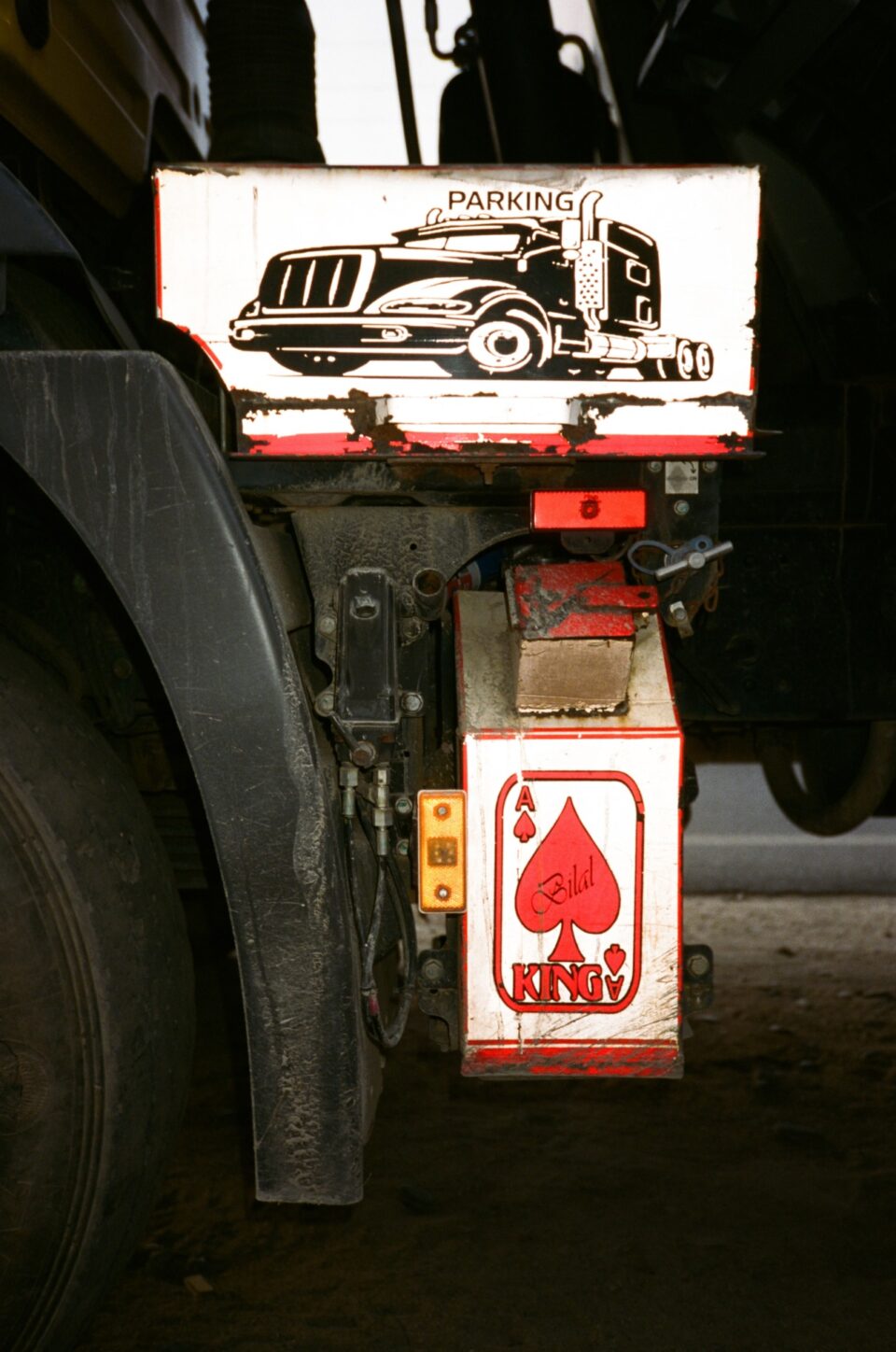
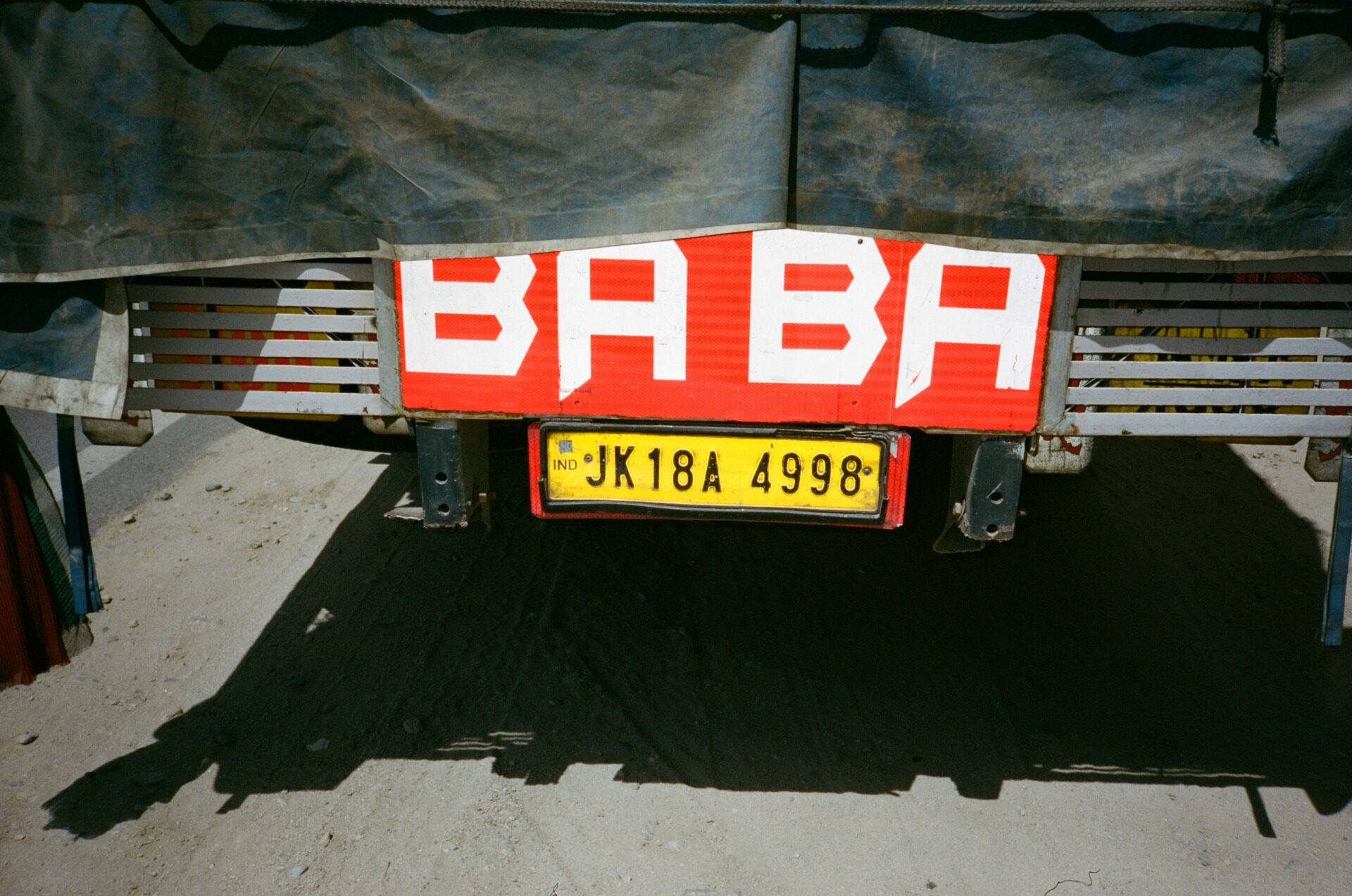
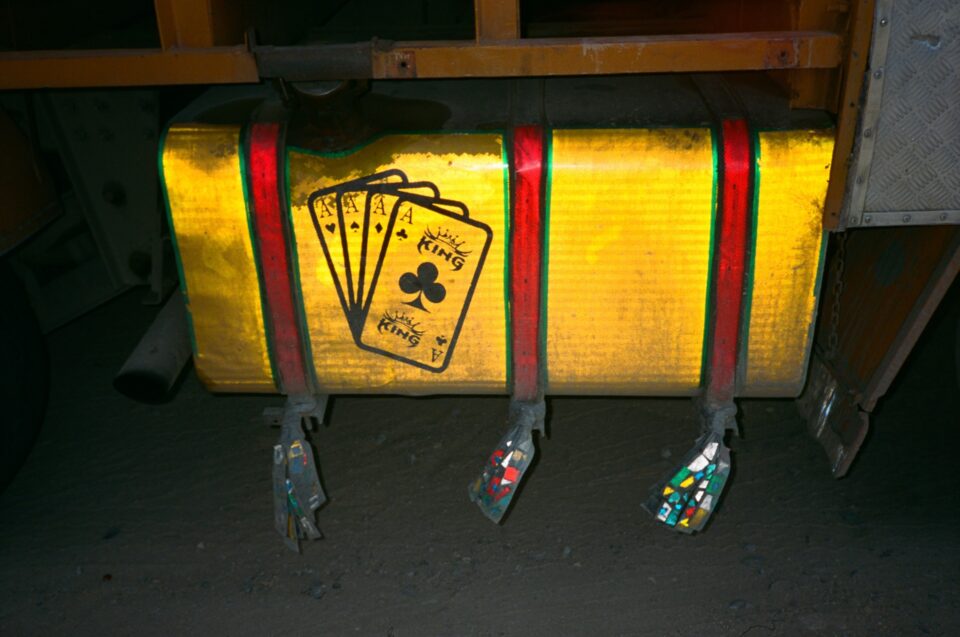
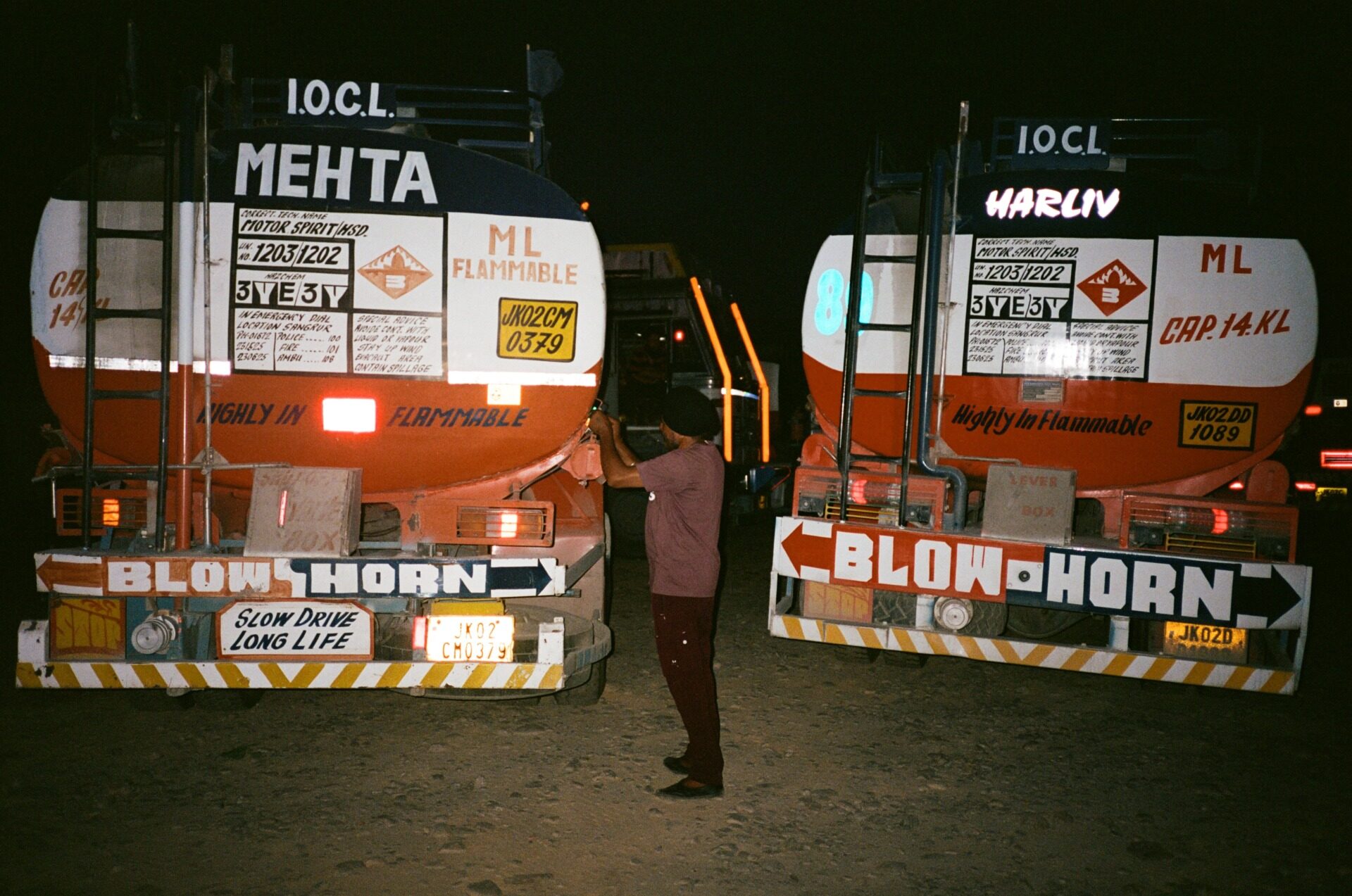
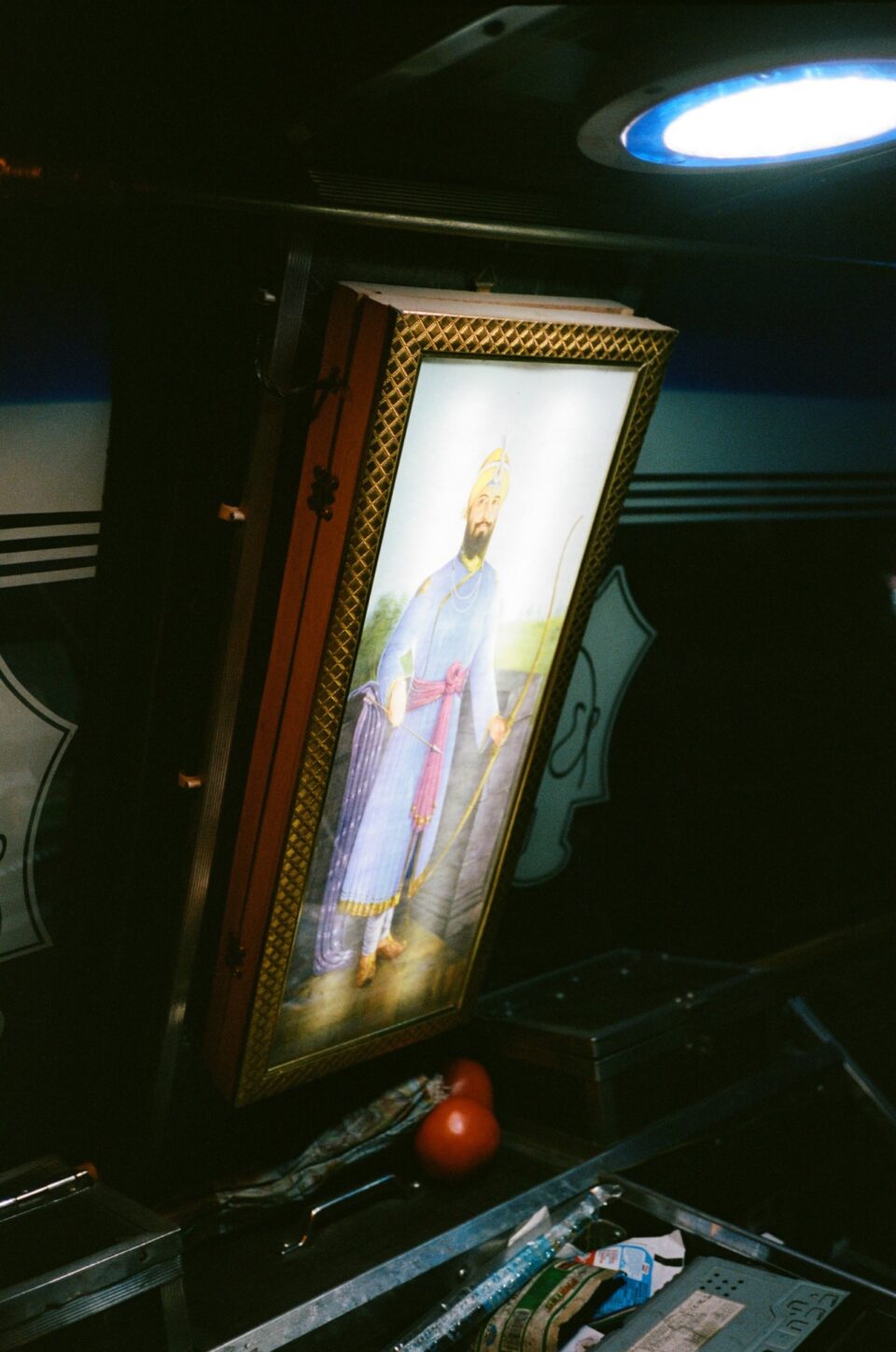
Against Ladakh’s muted, mineral landscape, the trucks appear almost exuberant. Their surfaces and interiors are covered with painted signs, religious symbols, tassels, flowers, slogans, and personal objects. These decorations turn mass-produced machines into highly individual spaces, reflecting faith, humour, personal taste and a sense of home. The title Good Luck Blow Horn comes from the words and instructions painted across the trucks.
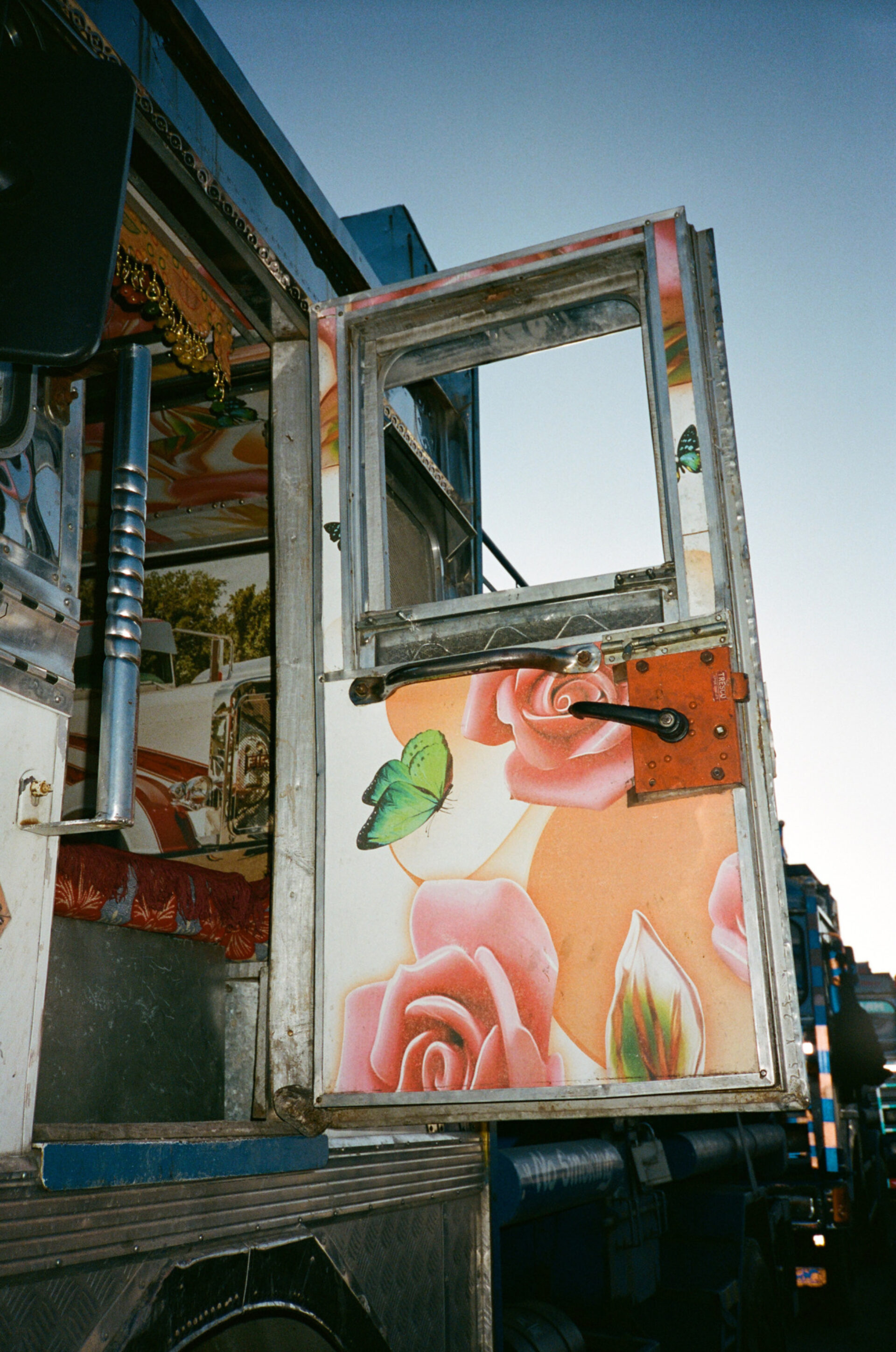
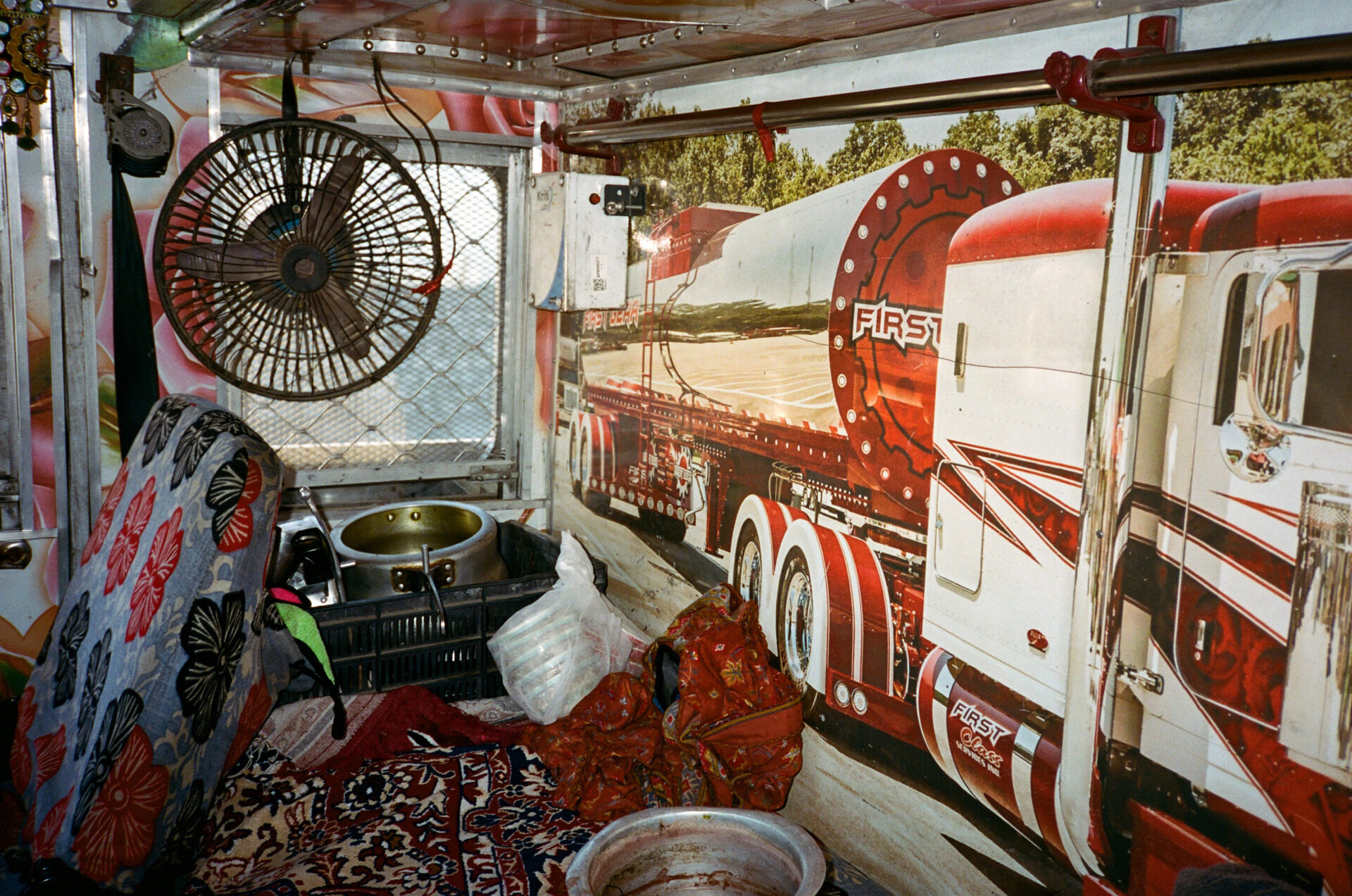
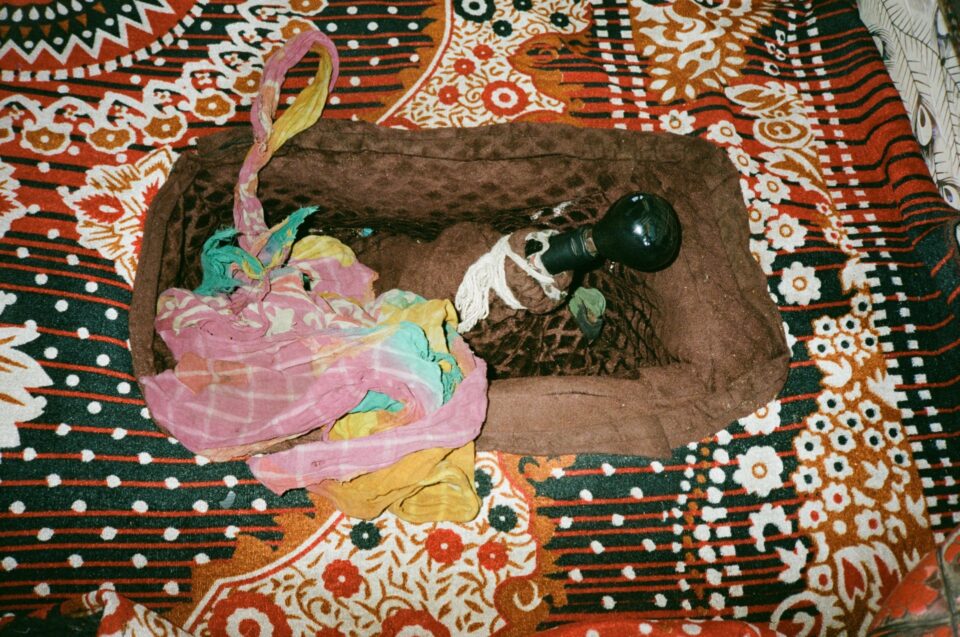
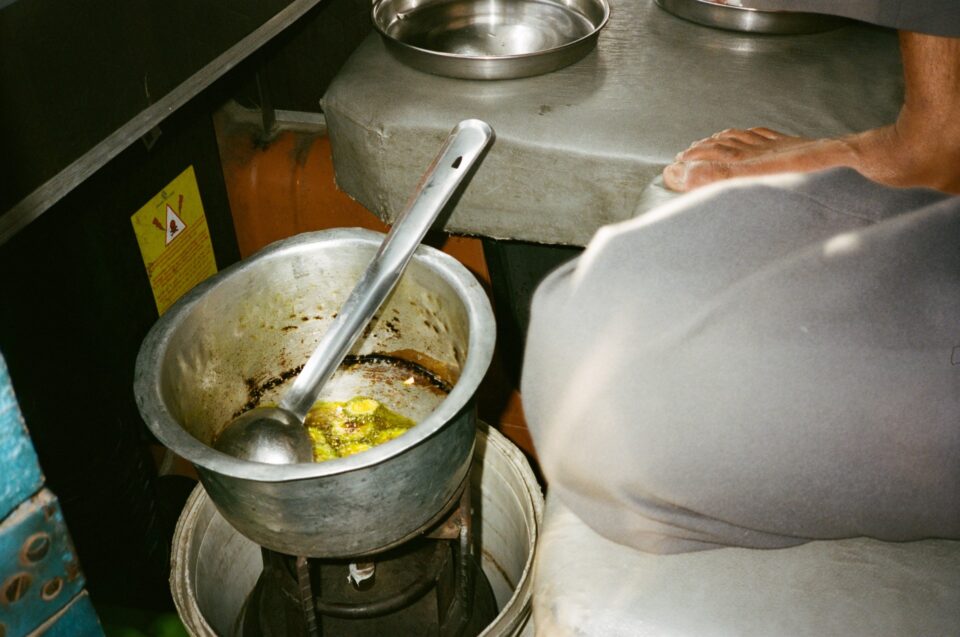
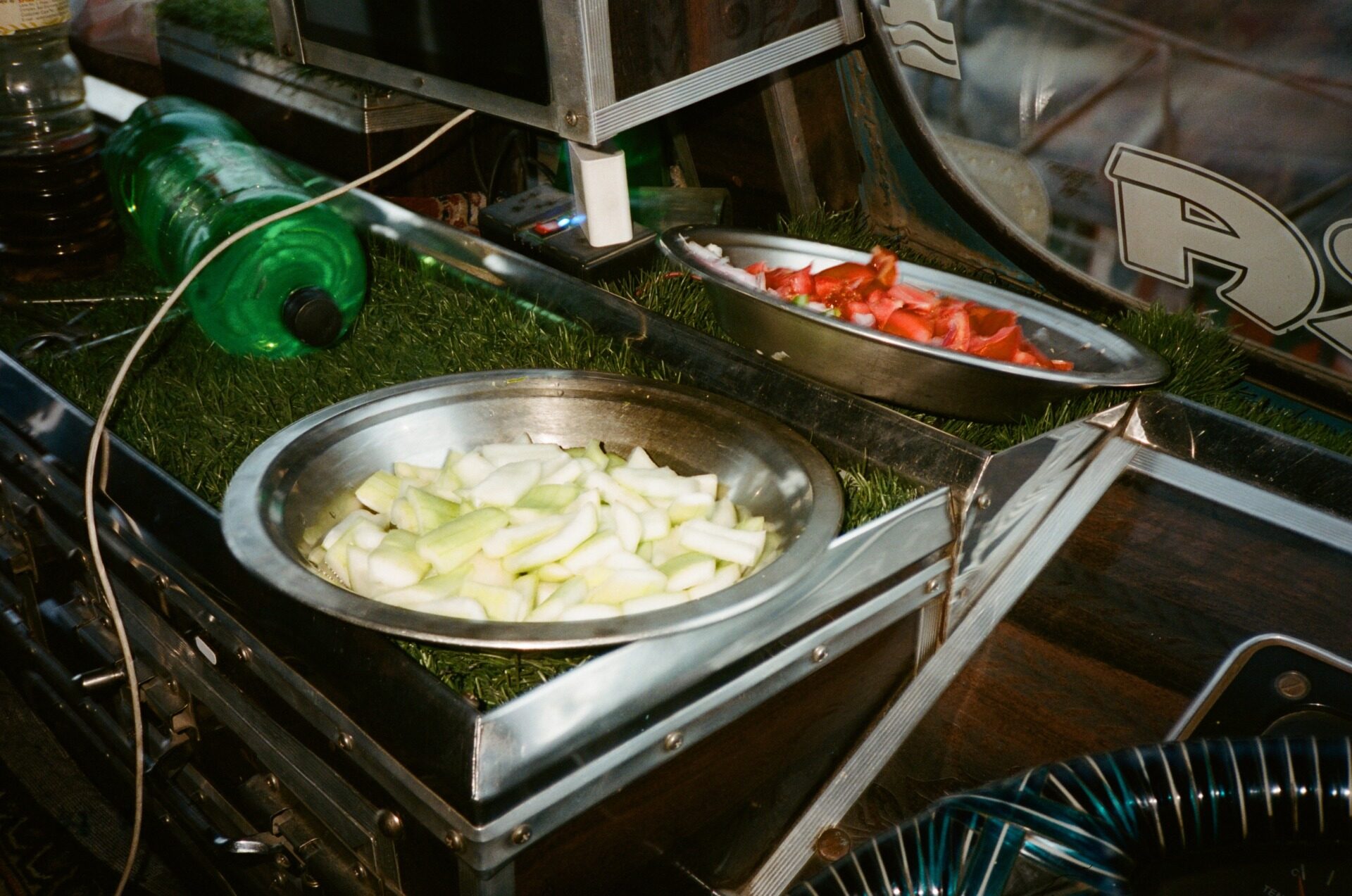
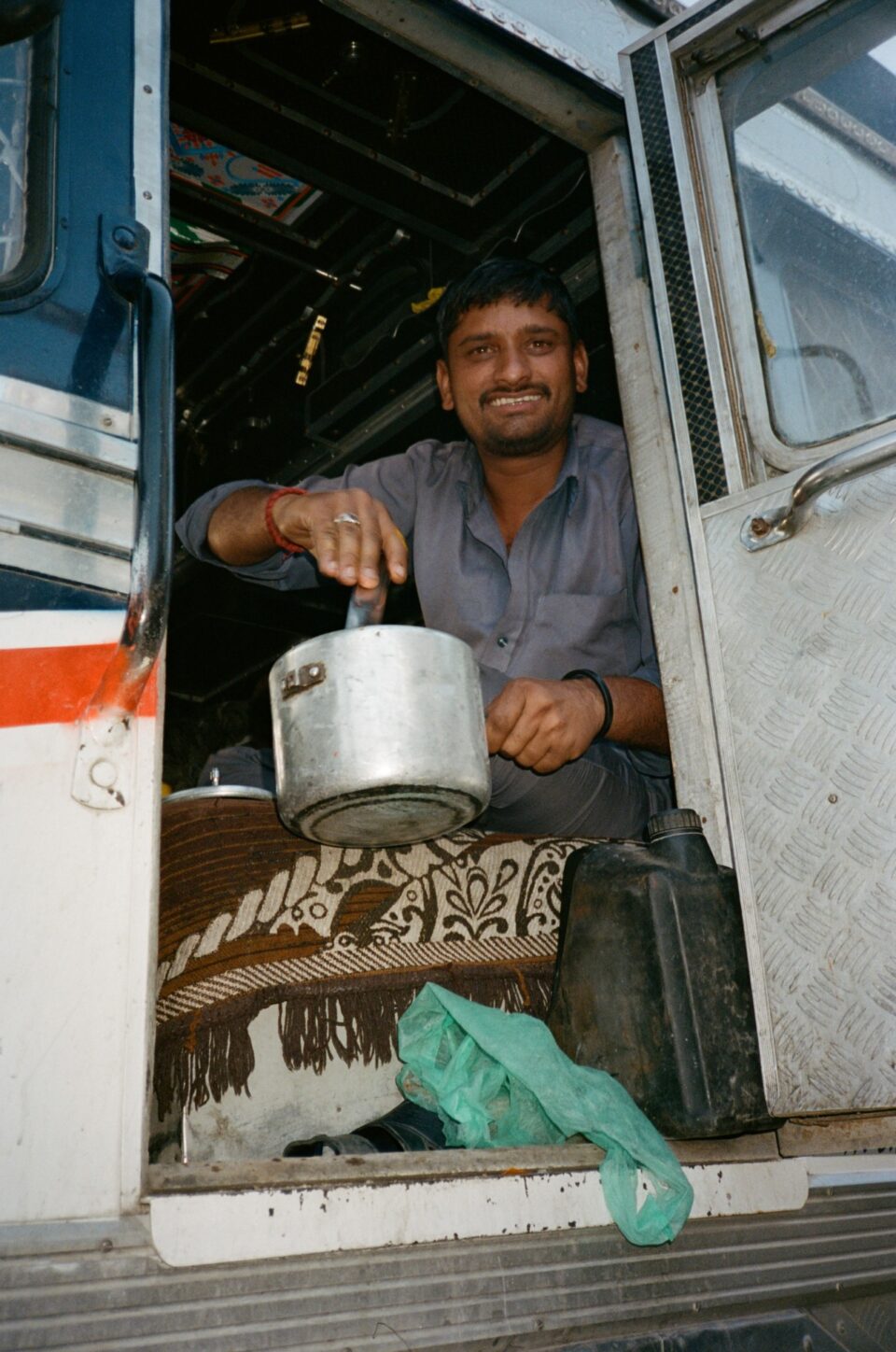
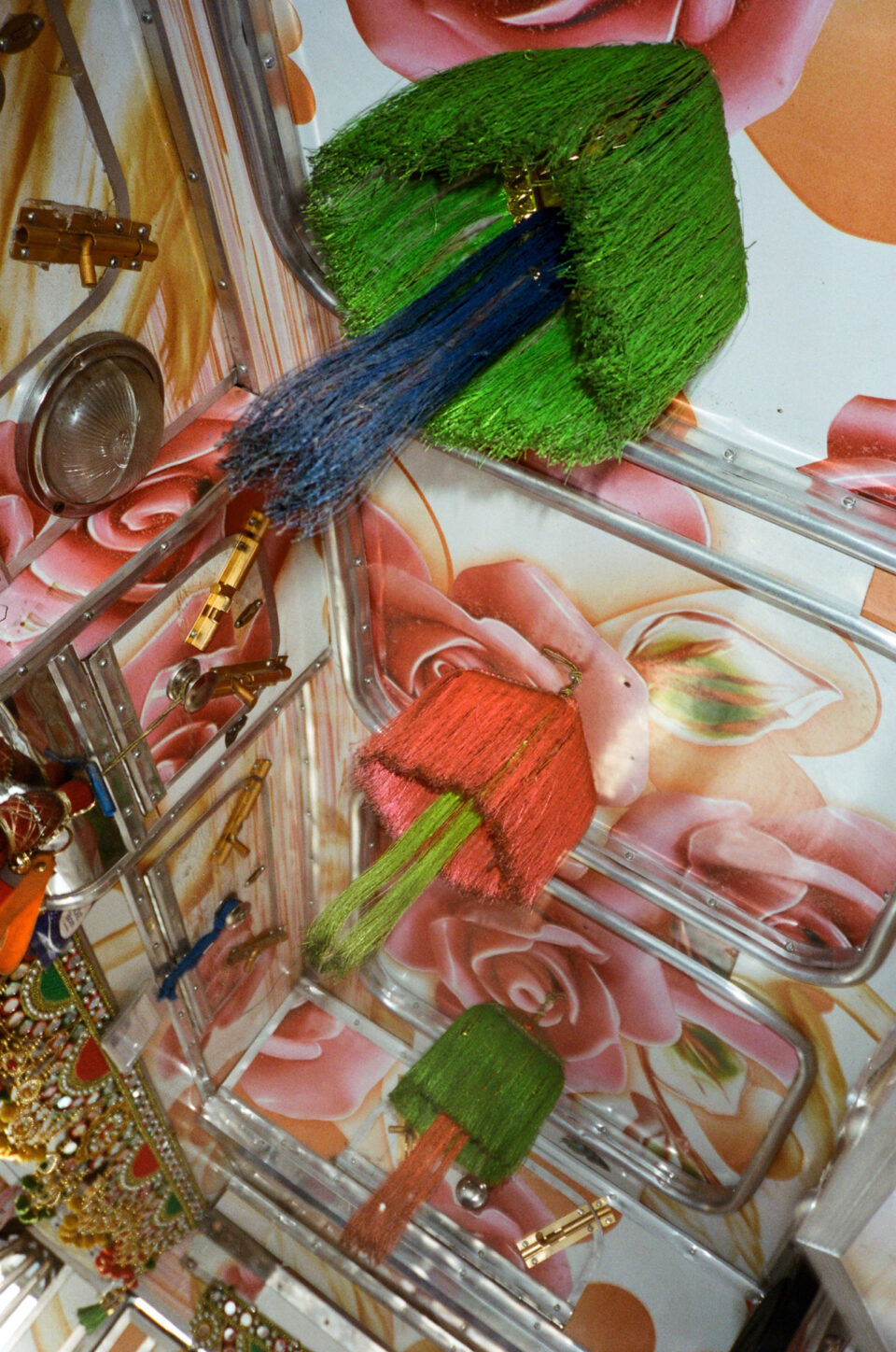
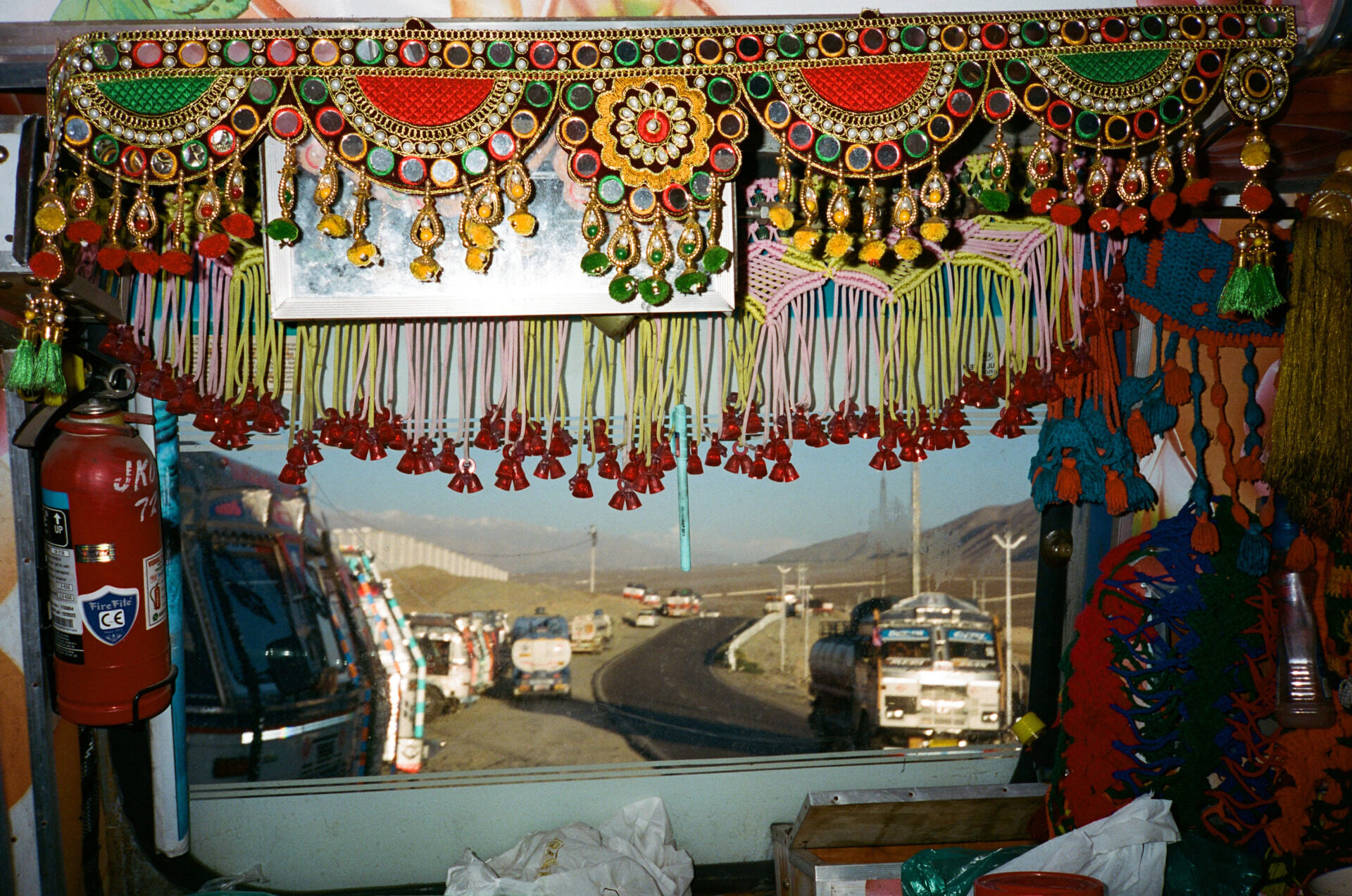
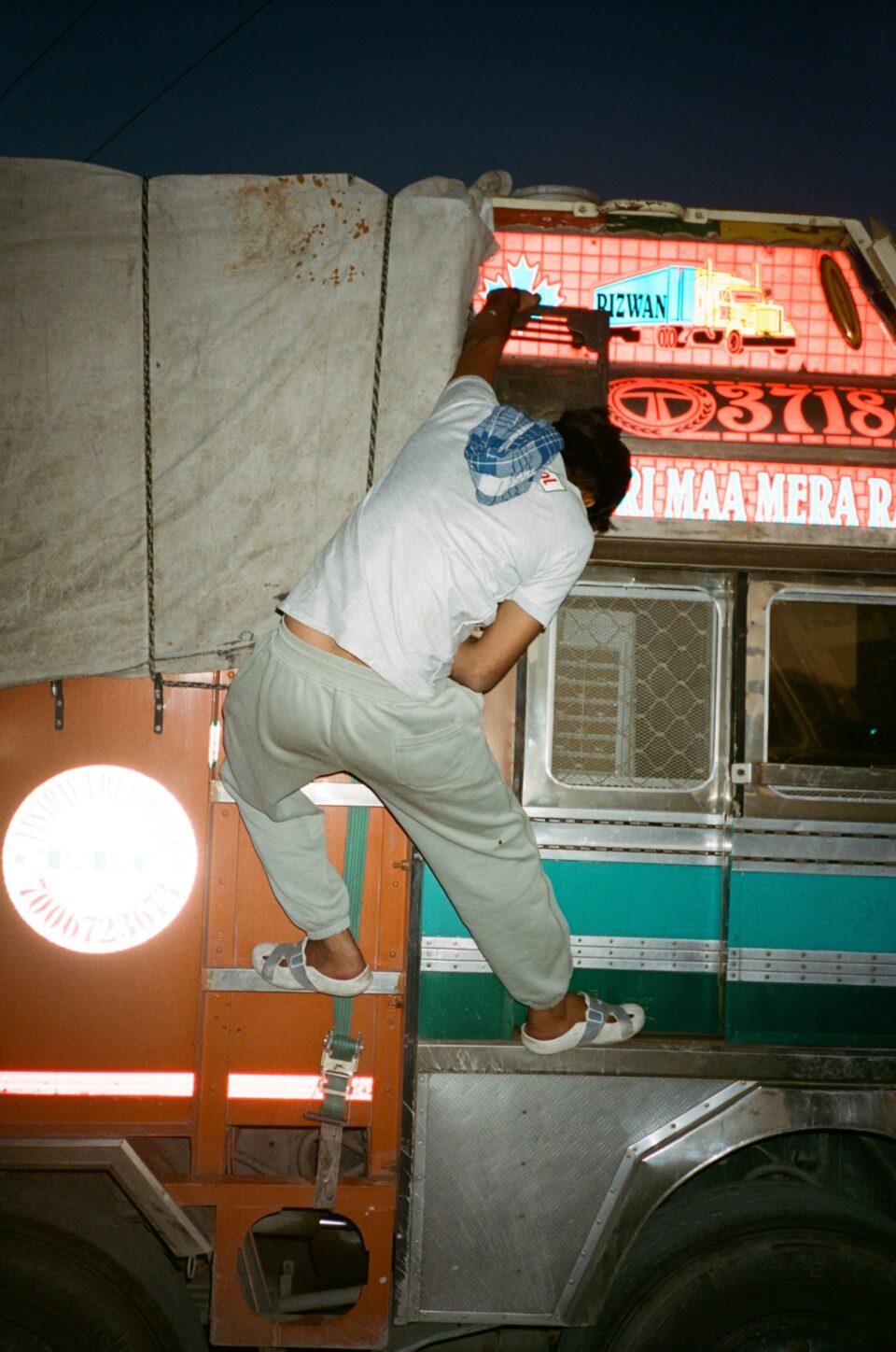
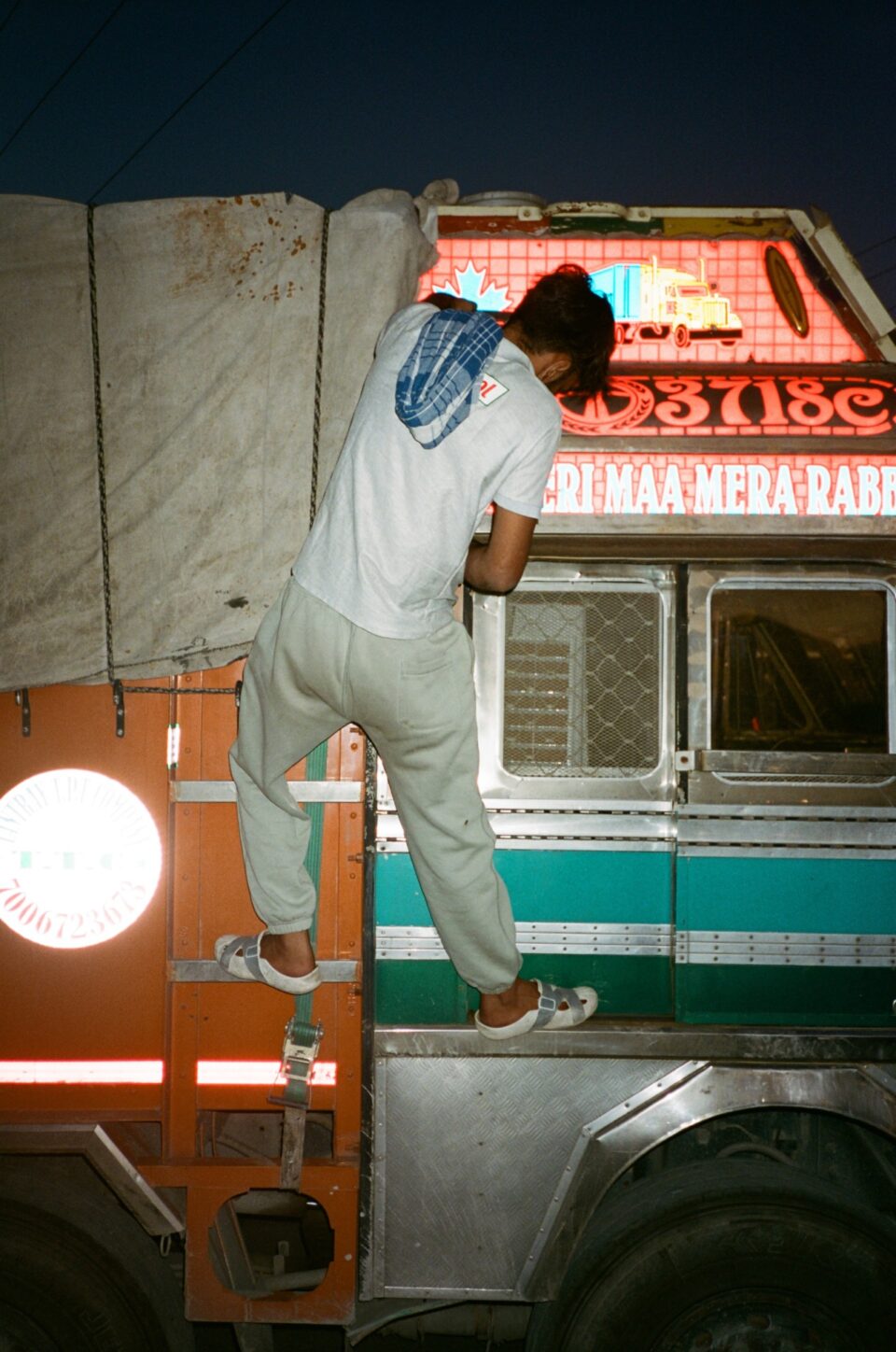
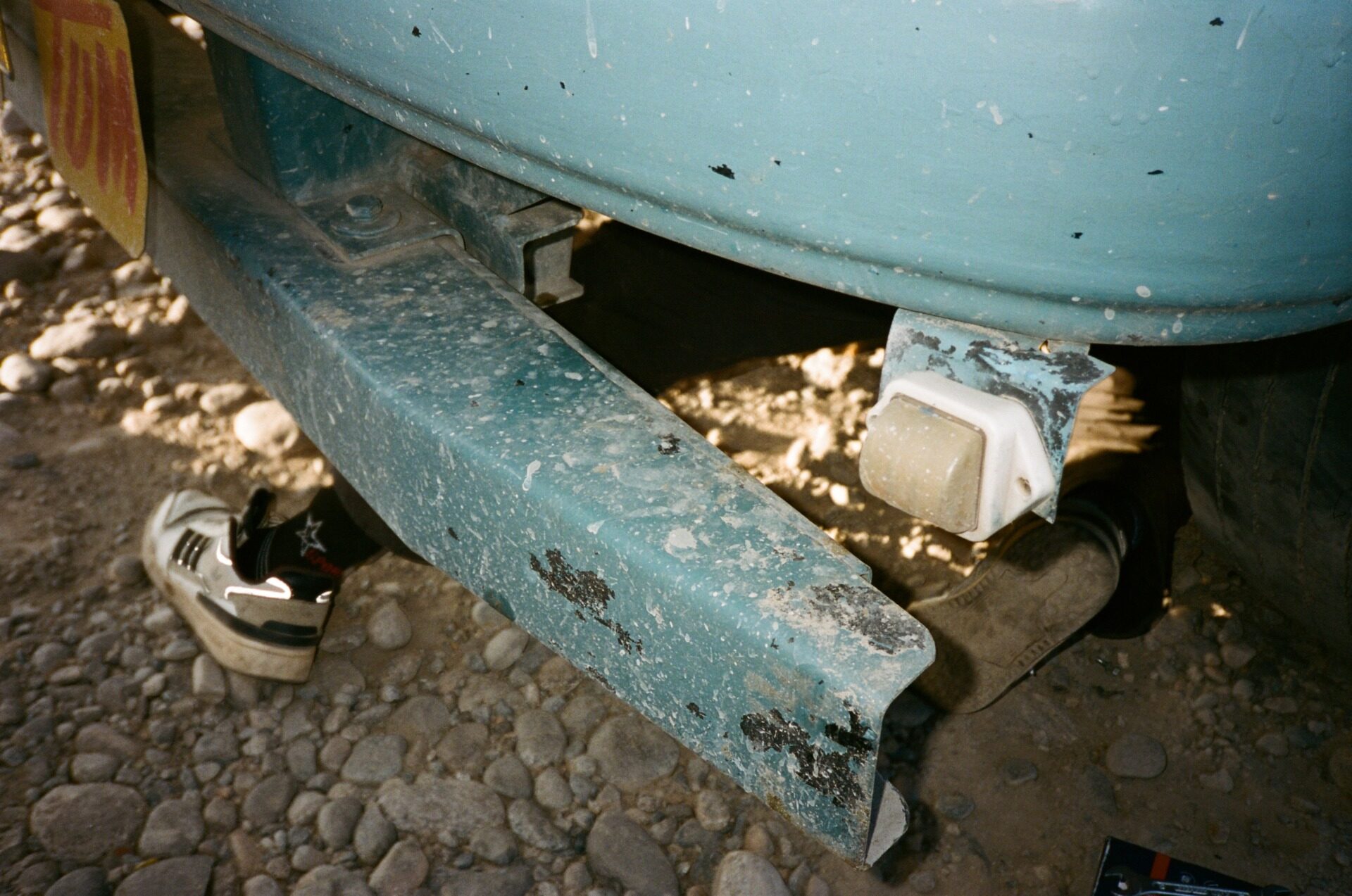
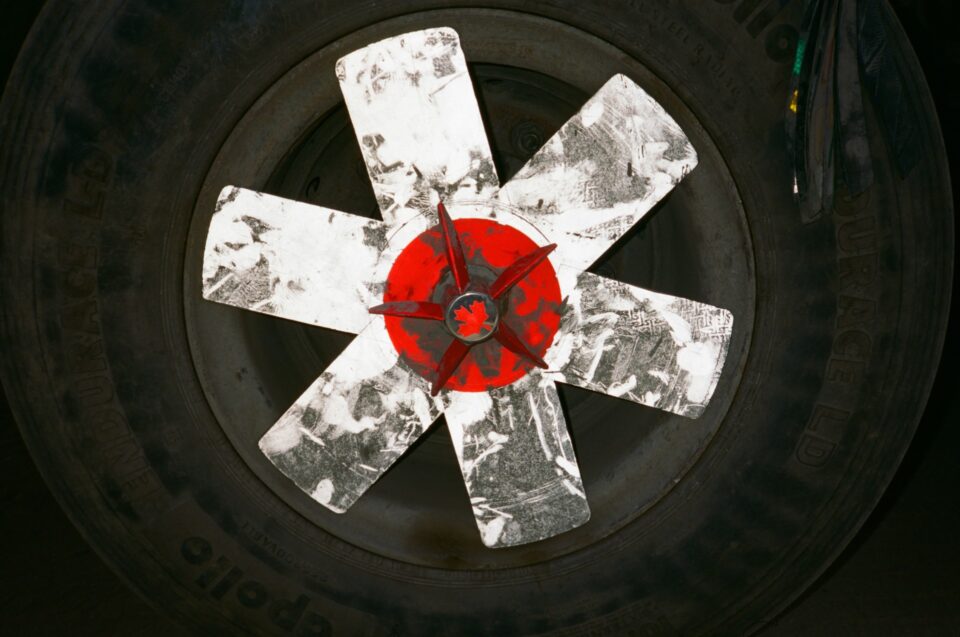
Some images remain slow and frontal, placing the drivers and trucks within the surrounding landscape. Others move closer, into cabins, details and night-time encounters. Reflective tape, lettering and ornaments flare back under the flash, making words, numbers and decorations emerge from the darkness. What is designed to make a truck visible on the road becomes part of the photographic language of the series.
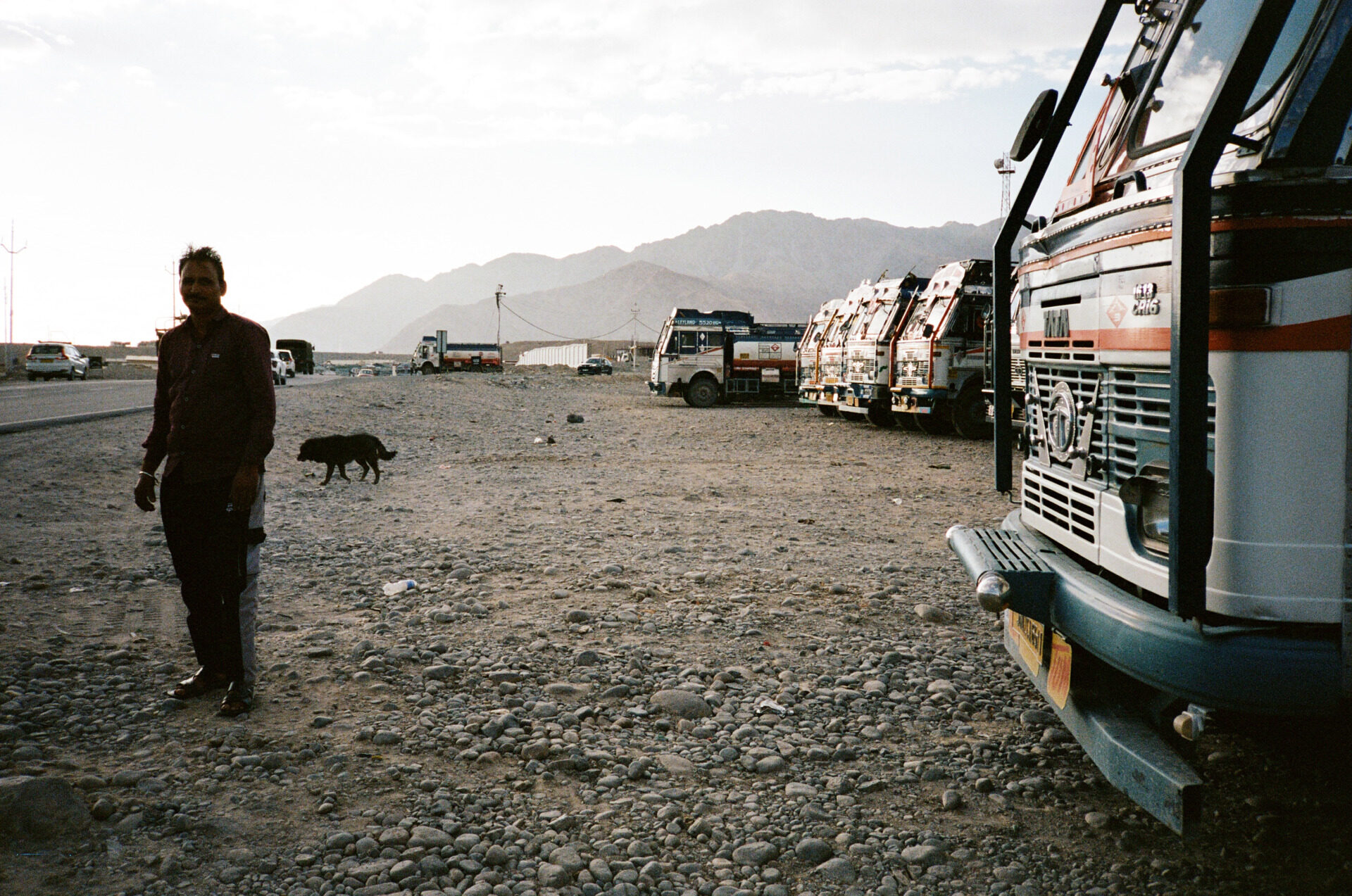
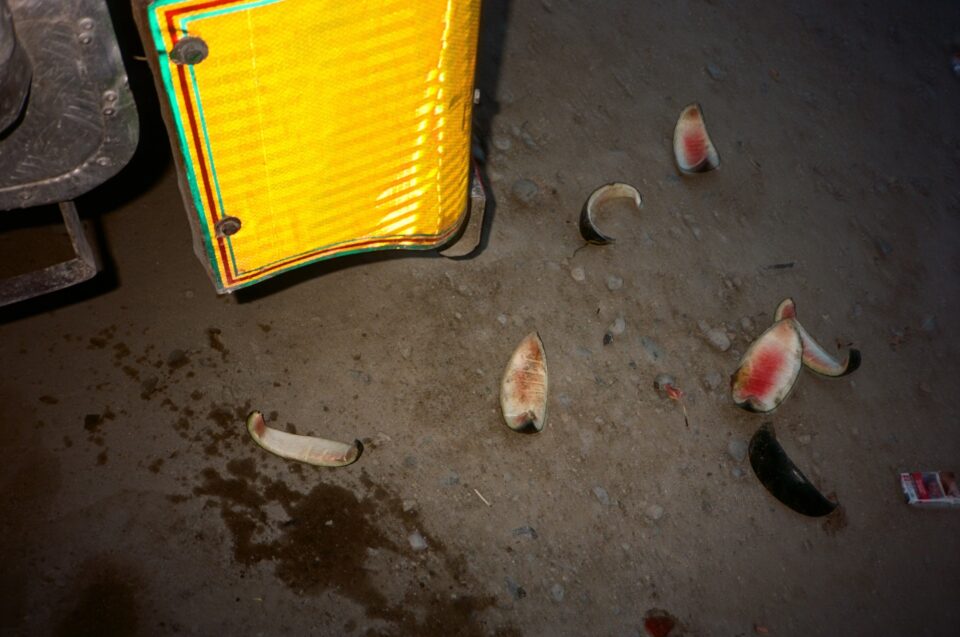
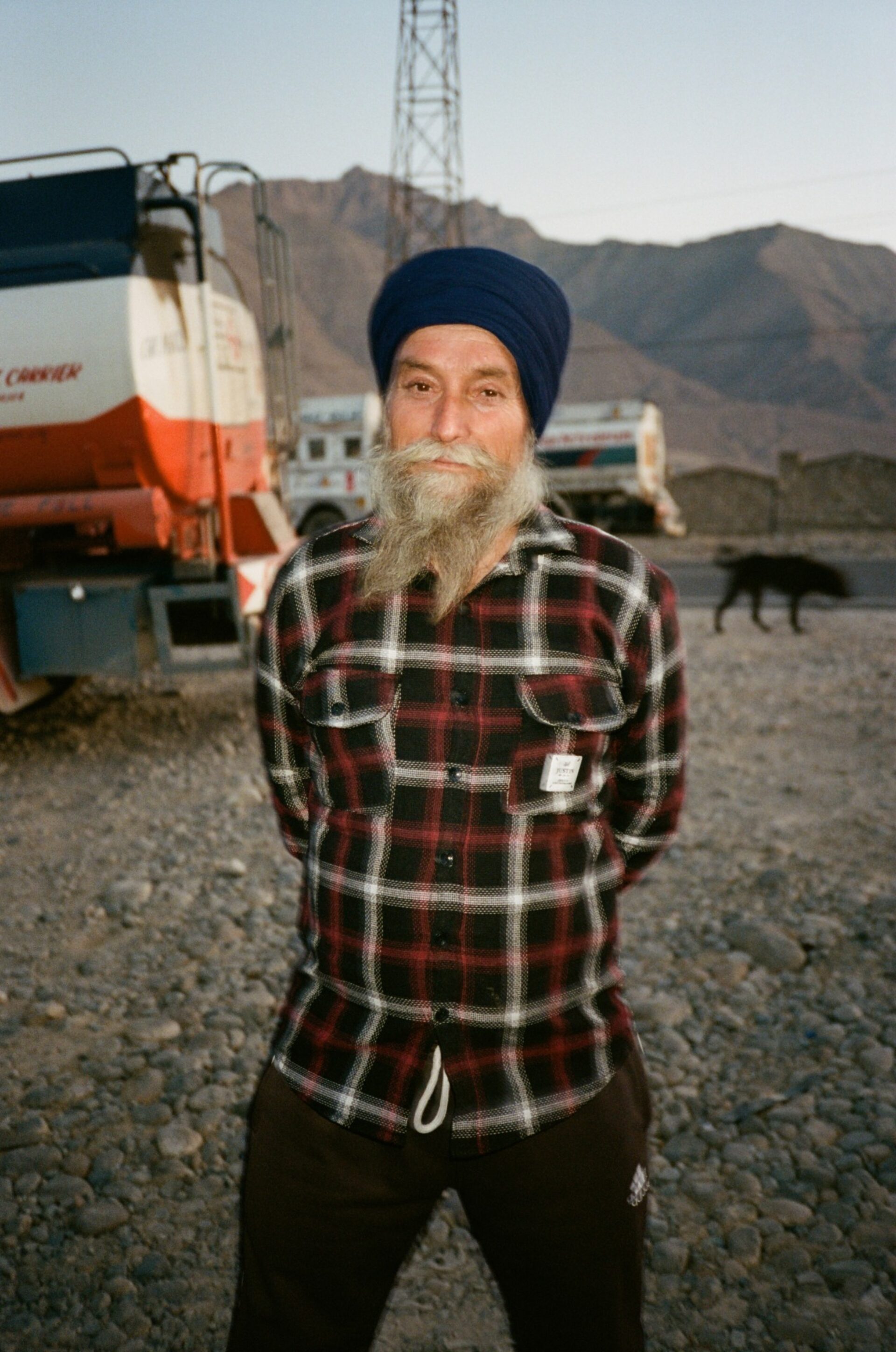
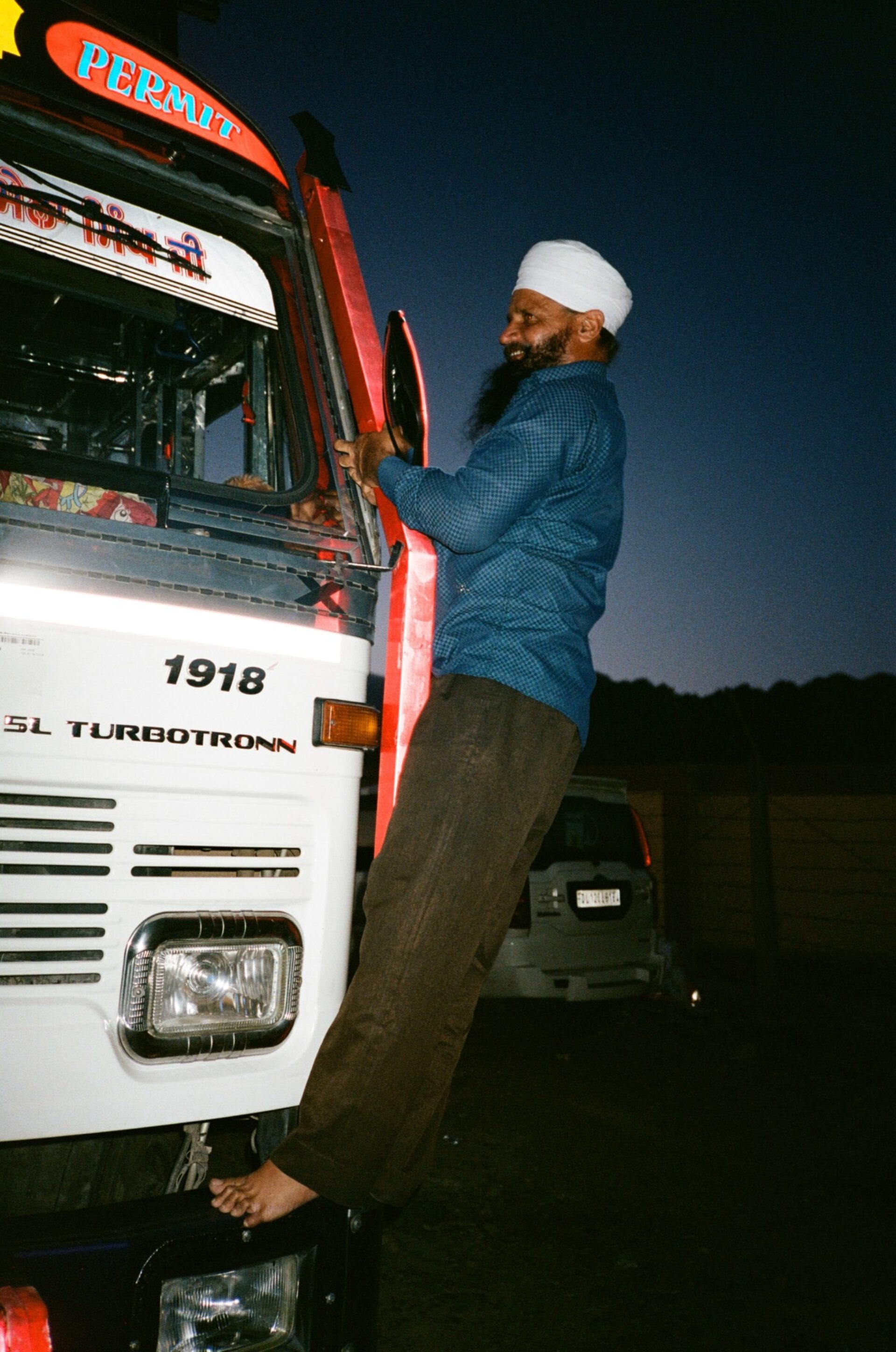
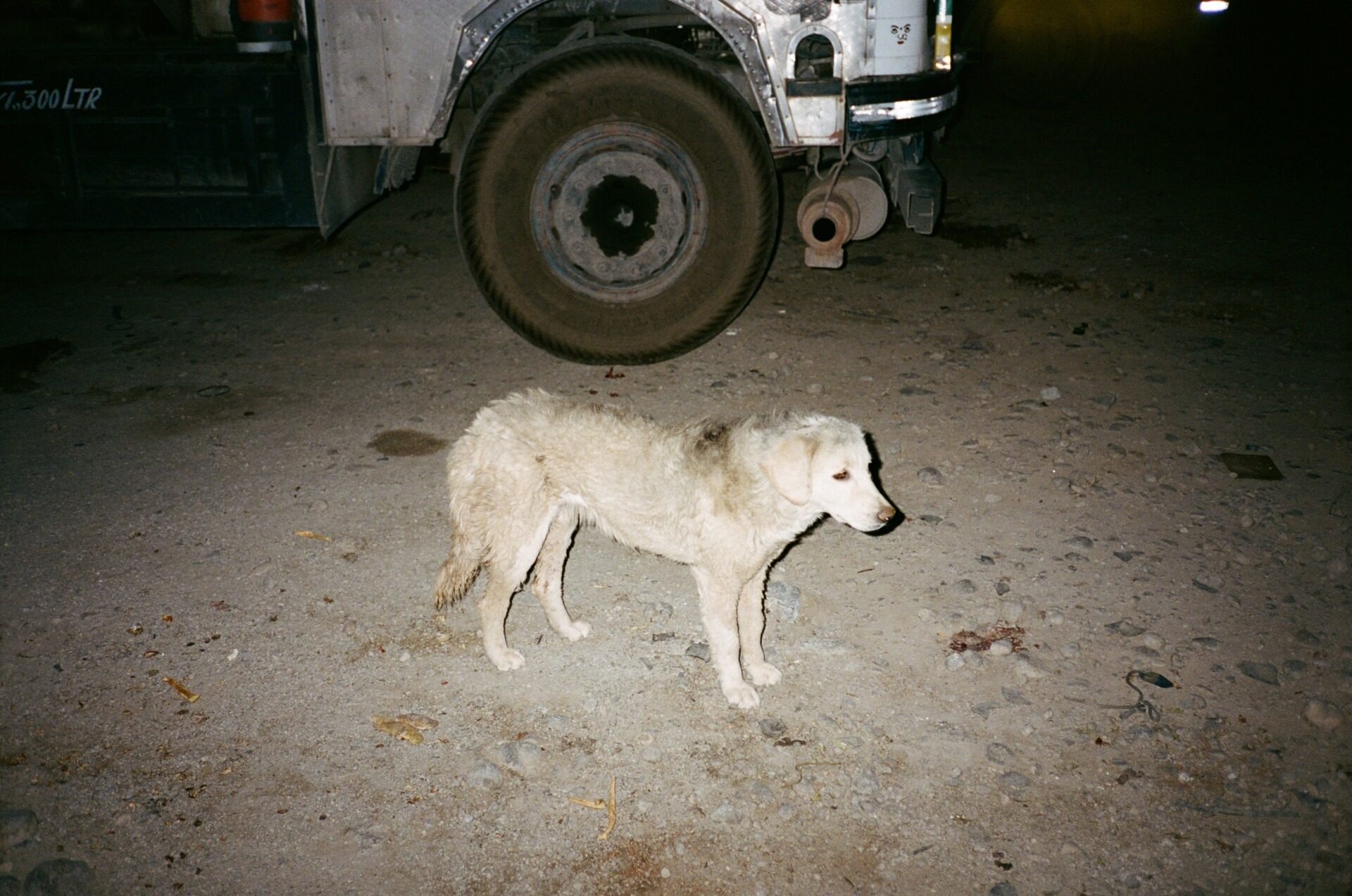
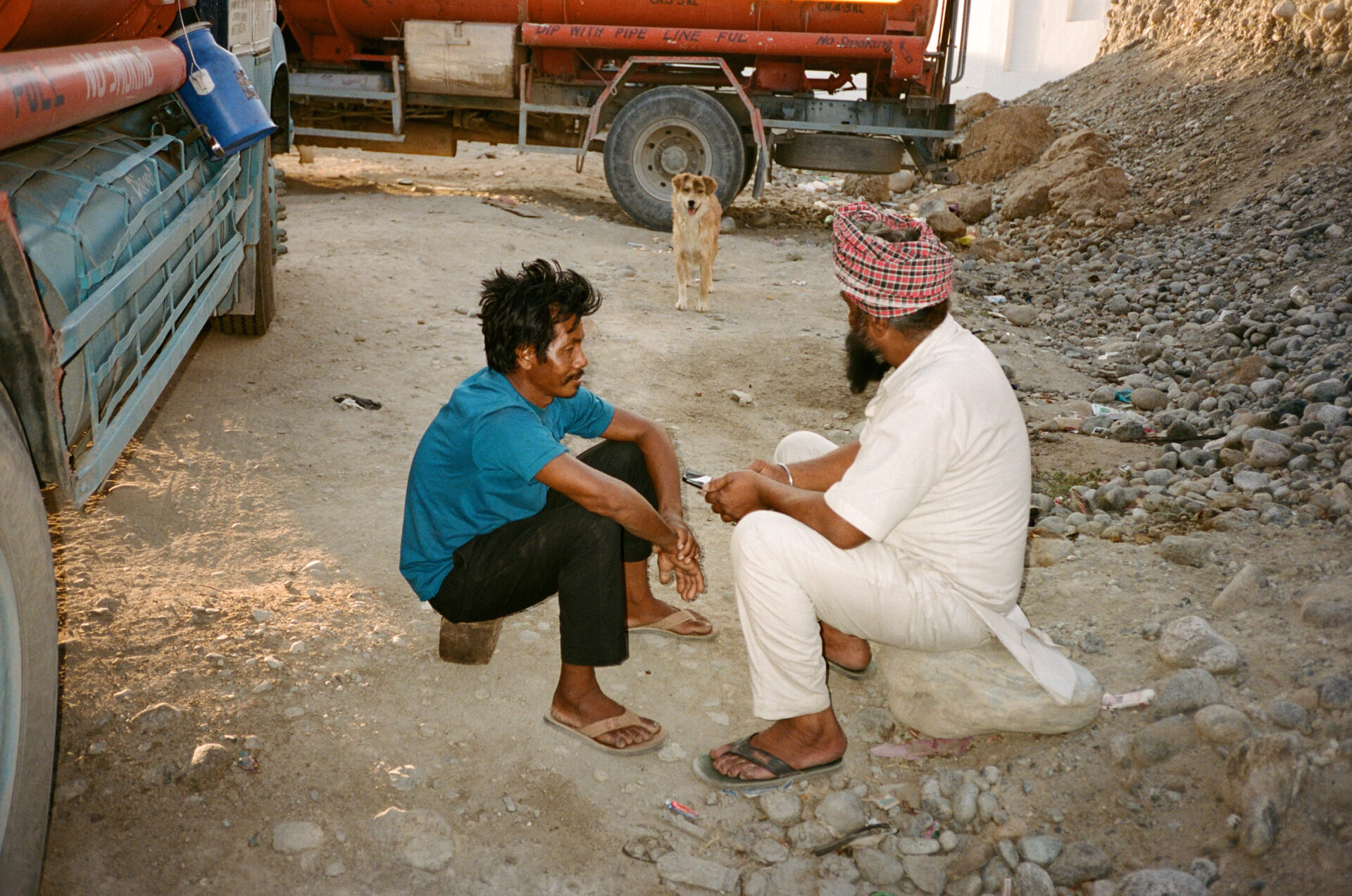
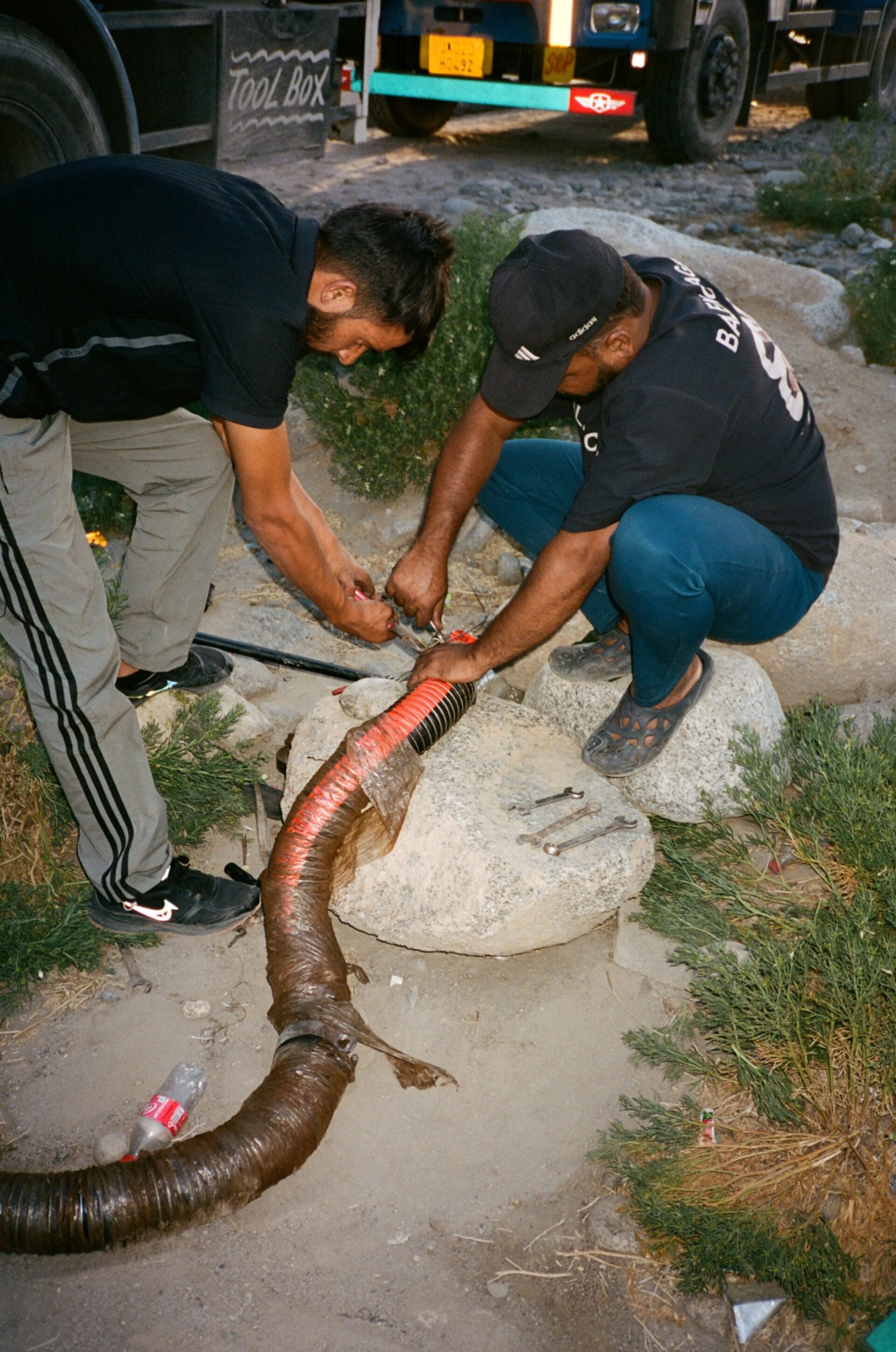
The series follows the small details that accumulate around life on the road: bedding, cooking utensils, roadside meals, repairs, moments of companionship and the stray dogs that repeatedly appeared among the parked trucks. The dogs initially entered the photographs almost by accident, but over time I began to see them as part of the same roadside environment. In Ladakh, stray dog populations are also sustained by accessible food waste from settlements, tourism and military camps.
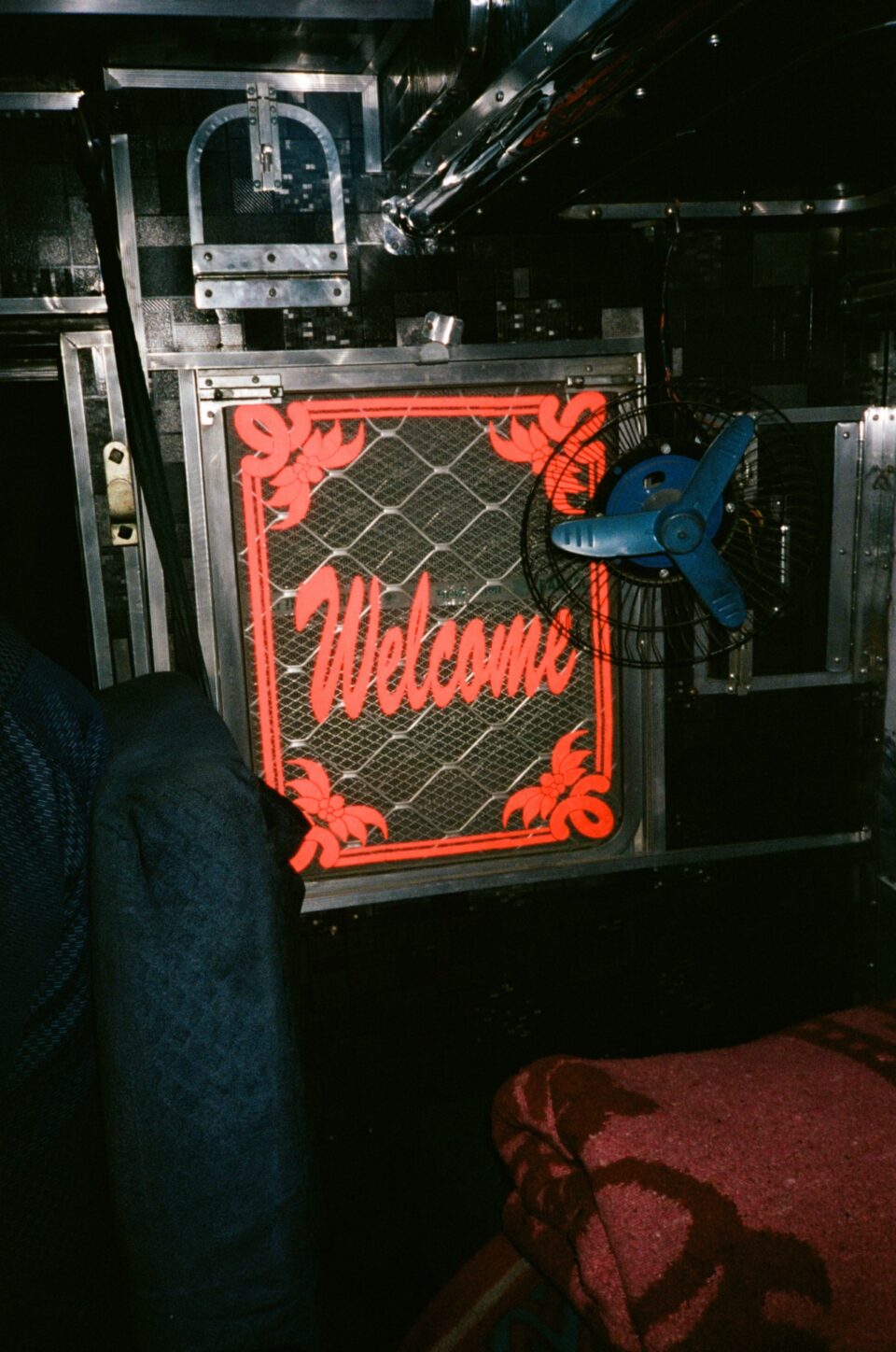
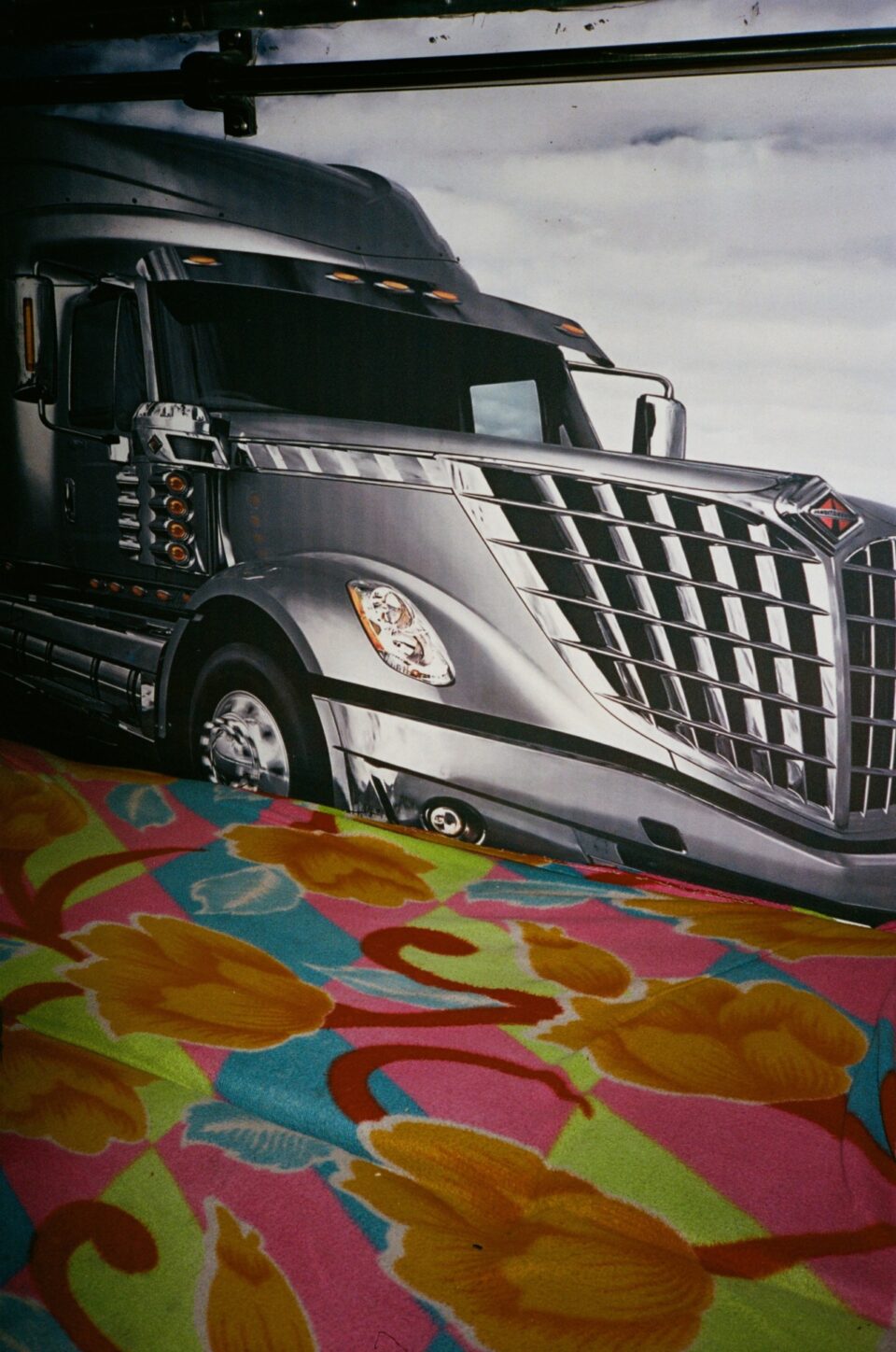
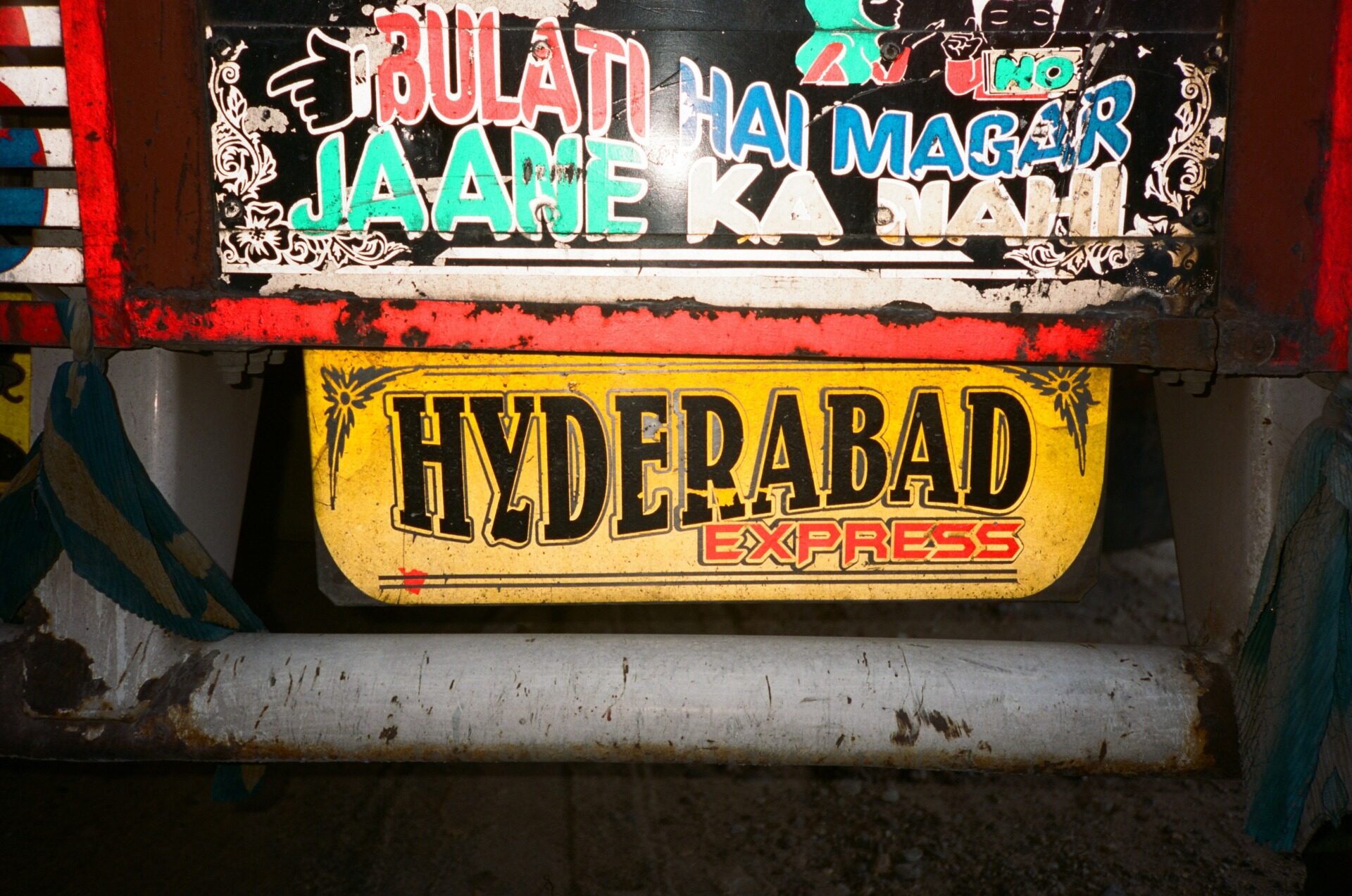
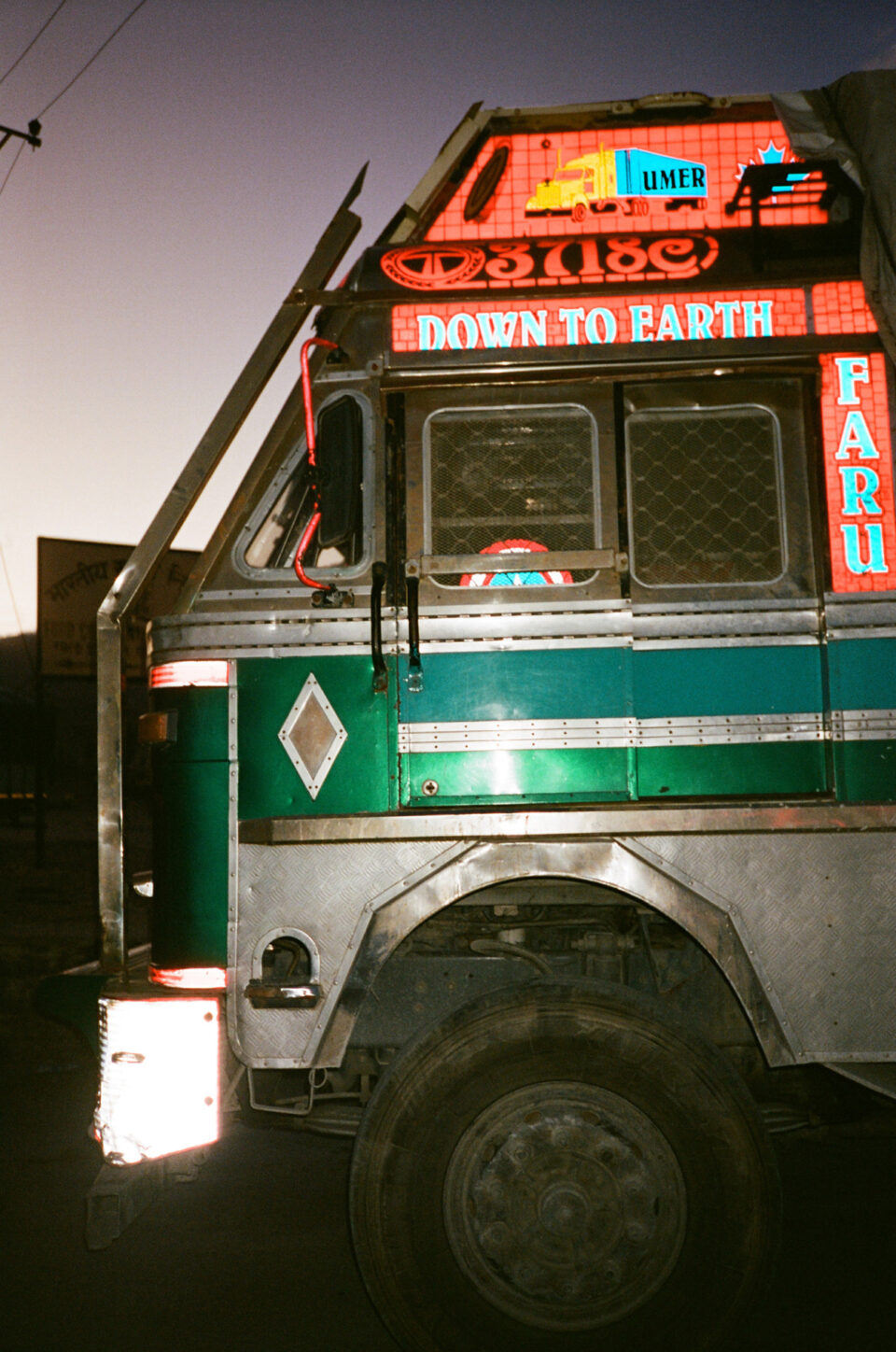
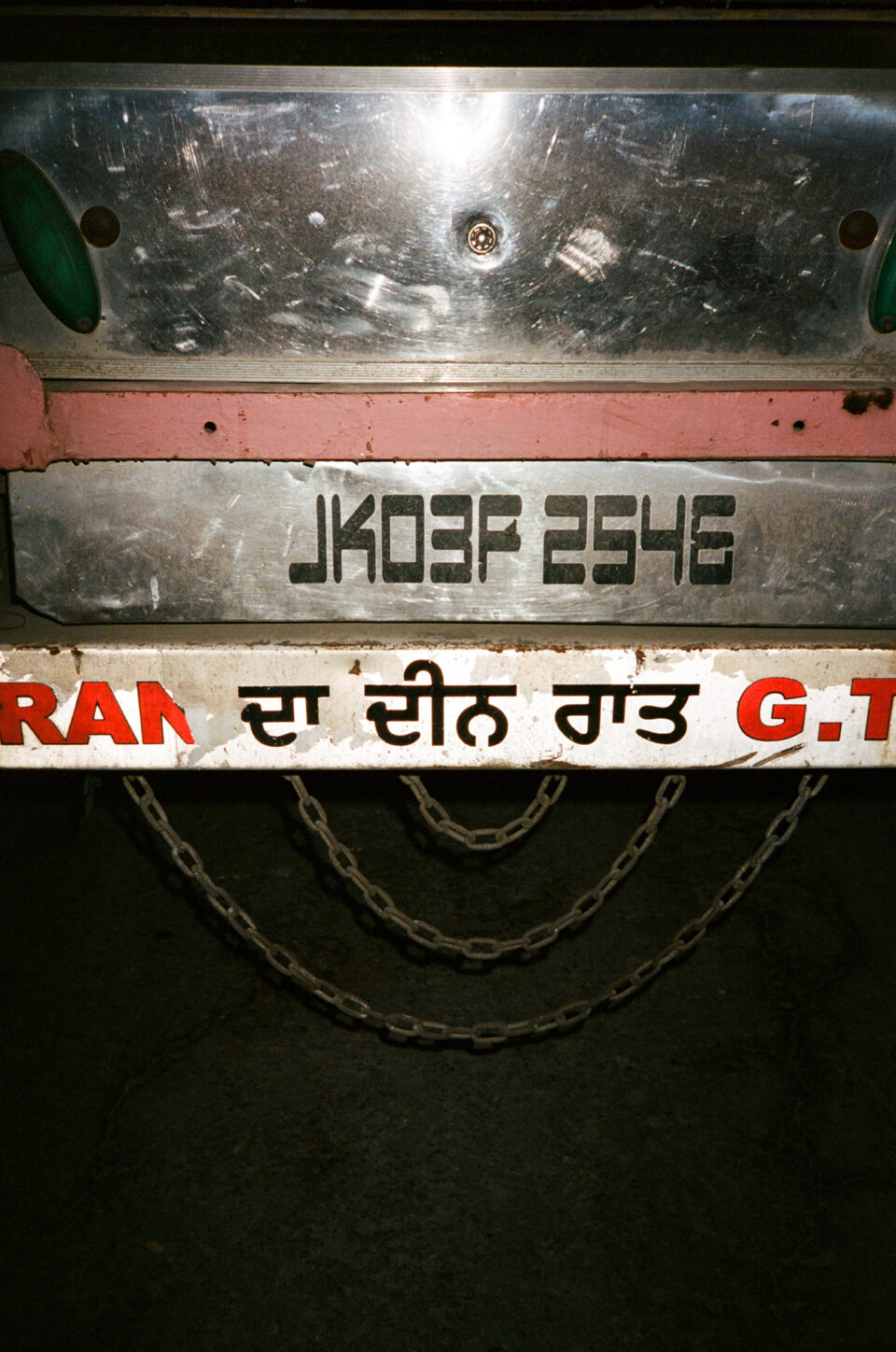
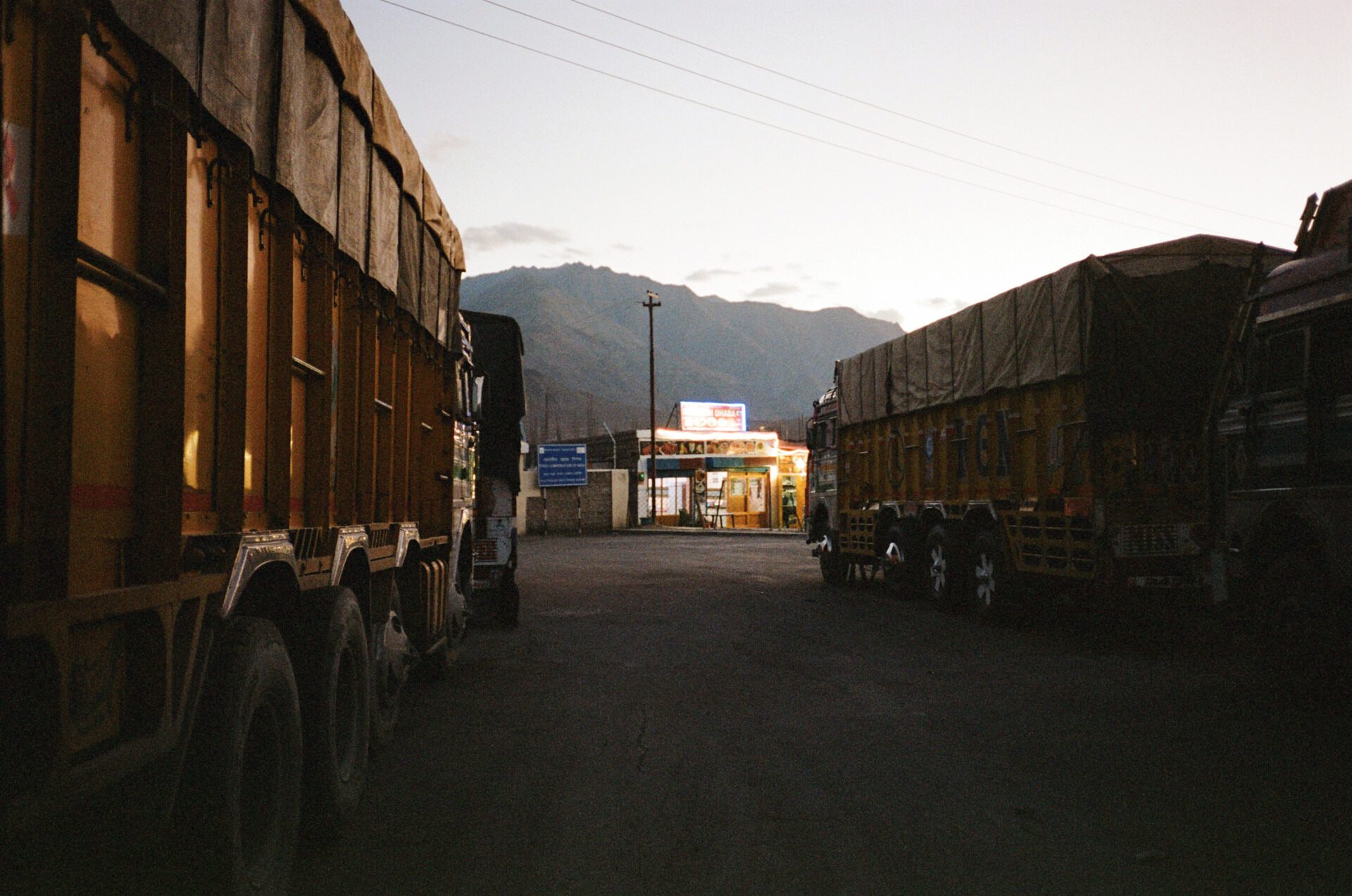
This part of the series focuses on the quieter intervals between journeys, staying close to the everyday routines that take shape while the trucks are at rest. In the next phase of the project, I want to travel with the drivers as they cross some of the most demanding routes in the Himalayas, following how they navigate difficult terrain, changing weather and long distances, and how life continues to unfold on the road.